

Contents
- Understanding Dynamic Routing
- The Role of Artificial Intelligence in Routing
- Traffic Adaptation with AI
- Weather-Based Route Optimization
- Load-Aware Routing
- Technologies Enabling AI-Driven Dynamic Routing
- Integration with Fleet Management Systems
- Benefits of Dynamic Routing for Businesses
- Challenges and Considerations
- Future Trends in AI-Powered Dynamic Routing
- Implementation Strategies
- Measuring Success and ROI
- FAQ
In the modern logistics industry, efficiency and reliability are paramount. Organizations must navigate a complex landscape of fluctuating traffic conditions, unpredictable weather events, and variable delivery loads. Traditional routing approaches, often reliant on static, pre-planned paths, are increasingly inadequate in meeting these demands. AI-powered dynamic routing represents a paradigm shift, enabling logistics operations to adapt in real time to changing conditions. This technology is not merely a tool for improving operational metrics — it is a strategic asset that enhances competitiveness, reduces costs, and elevates customer satisfaction.
This article provides an in-depth exploration of AI-driven dynamic routing, detailing its mechanisms, applications, benefits, challenges, and emerging trends that are shaping the future of logistics.
Understanding Dynamic Routing
Dynamic routing involves continuously optimizing delivery paths based on live data inputs. Unlike static routing, which presumes ideal conditions, dynamic routing reacts to real-time variables such as traffic congestion, weather disruptions, road incidents, and vehicle load priorities.
Static vs Dynamic Routing
Static routing is pre-defined and inflexible, often resulting in inefficiencies when conditions deviate from expectations. Dynamic routing, conversely, recalculates optimal paths in real time using AI algorithms, ensuring vehicles follow routes that are safest, fastest, and most cost-effective.
Core Benefits
- Reduced Delivery Times: Adaptive routing ensures faster arrivals, even under changing conditions.
- Cost Optimization: Efficient route planning reduces fuel consumption and vehicle wear.
- Improved Fleet Utilization: Dynamic allocation of vehicles and loads maximizes efficiency.
- Customer Satisfaction: Reliable and timely deliveries enhance service quality and loyalty.
The Role of Artificial Intelligence in Routing
Artificial intelligence underpins dynamic routing systems. By analyzing vast datasets, AI identifies patterns and predicts potential disruptions, enabling proactive decision-making.
Machine Learning vs Traditional Methods
Traditional routing relies on static rules or simple heuristics, which cannot adapt to sudden changes in conditions. Machine learning models, however, continuously learn from historical and real-time data, improving route recommendations over time.
Predictive Analytics
Predictive analytics empowers logistics operators to anticipate congestion, weather events, and demand spikes. By forecasting these disruptions, companies can adjust routes proactively, minimizing delays and maintaining operational resilience.
Key Factors Affecting Routes
Effective dynamic routing considers multiple critical variables:
Traffic Congestion
Traffic conditions are highly dynamic, influenced by peak hours, accidents, roadworks, and local events. AI systems analyze live GPS data, traffic sensors, and historical patterns to predict congestion and recommend alternative routes, maintaining efficiency and reliability.
Weather Conditions
Weather events such as storms, floods, or heavy snow significantly impact delivery performance. AI systems integrate real-time weather forecasts into routing decisions, enabling proactive rerouting that ensures both safety and timeliness.
Vehicle Load and Delivery Priorities
Delivery efficiency depends on proper load distribution and prioritization. AI algorithms optimize multi-stop deliveries by balancing loads, prioritizing critical shipments, and sequencing stops to minimize travel distance and time.
Road Restrictions and Hazards
Dynamic routing systems account for construction, accidents, road closures, and other obstacles, enabling automatic recalculations to maintain uninterrupted operations.
Traffic Adaptation with AI
AI-driven traffic adaptation relies on real-time data and predictive modeling. Advanced systems not only monitor current congestion but also anticipate traffic trends based on historical data and recurring patterns. This predictive capability enables proactive rerouting, reducing delays and increasing fleet efficiency.
Applications and Impact
- Urban deliveries during rush hours can avoid high-congestion routes.
- Long-haul freight can bypass regions affected by accidents or road closures.
- Emergency services and time-critical deliveries can be prioritized using dynamic traffic data.
Weather-Based Route Optimization
Weather disruptions can significantly impact delivery timelines, fuel consumption, and vehicle safety. AI systems that incorporate weather data enable real-time adjustments to routes, helping fleets avoid hazardous conditions.
Operational Advantages
- Minimizes delays caused by extreme weather.
- Enhances driver safety by avoiding dangerous roads.
- Reduces fuel waste by preventing unnecessary idling or detours.
By integrating AI with meteorological forecasts, companies can implement adaptive strategies that ensure continuity in operations regardless of weather conditions.
Load-Aware Routing
AI-based dynamic routing also optimizes deliveries based on vehicle load. Proper load management reduces fuel consumption, balances vehicle wear and tear, and maximizes the number of deliveries per trip.
Advanced Load Optimization Strategies
- Real-time load adjustment during multi-stop routes.
- Predictive load allocation for peak demand periods.
- Dynamic sequencing of delivery stops to minimize empty miles.
These strategies not only improve efficiency but also extend vehicle lifespan and reduce operational costs.
Technologies Enabling AI-Driven Dynamic Routing
Several cutting-edge technologies facilitate AI-powered dynamic routing:
- IoT Sensors and Telematics: Collect data on vehicle location, speed, fuel usage, and cargo status.
- GPS Tracking and Geospatial Analysis: Enable precise and continuous route monitoring.
- Cloud Computing and Edge Analytics: Process massive datasets quickly for real-time decision-making.
- Integrated Data Platforms: Combine traffic, weather, and vehicle information for comprehensive route optimization.
These technologies create a highly responsive routing system that continuously adapts to real-world conditions.
Integration with Fleet Management Systems
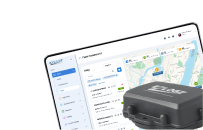
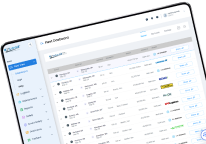
AI-driven dynamic routing integrates seamlessly with fleet management software, providing centralized dashboards for dispatchers. Real-time updates and automated decision-making reduce human error and enhance operational control.
Expanded Applications
- Automated scheduling and dispatching.
- Performance monitoring and predictive maintenance alerts.
- Real-time customer notifications on delivery ETAs.
This integration ensures that routing is not an isolated function but part of a fully coordinated logistics operation.
Benefits of Dynamic Routing for Businesses
- Operational Cost Reduction: Optimized routing decreases fuel use, vehicle maintenance, and labor costs.
- Faster Deliveries: Real-time adaptations reduce delays caused by traffic, weather, or road incidents.
- Environmental Sustainability: Efficient routes lower carbon emissions, contributing to green logistics initiatives.
- Enhanced Reliability: Dynamic systems maintain performance even under unpredictable conditions.
- Improved Customer Satisfaction: Accurate ETAs and reliable deliveries strengthen client trust and retention.
Challenges and Considerations
Despite its advantages, implementing AI-driven dynamic routing requires attention to certain challenges:
- Data Accuracy: Real-time and historical datasets must be precise to ensure effective decision-making.
- Infrastructure Limitations: Some regions may lack sufficient connectivity or sensor networks.
- Security and Privacy: Protecting operational and customer data is critical.
- Employee Training: Staff must be trained to understand and act on AI-generated insights.
- System Scalability: AI platforms must handle increasing data volumes and fleet sizes without performance degradation.
Future Trends in AI-Powered Dynamic Routing
- Autonomous Vehicles: Integration with self-driving technology will revolutionize long-haul and last-mile delivery.
- Enhanced Predictive Models: Next-generation AI will anticipate disruptions with greater precision.
- Smart City Integration: IoT-enabled urban infrastructure will provide continuous data for optimized routing.
- Edge AI Processing: Localized processing will reduce latency and enable faster, more accurate real-time decisions.
- AI-Driven Sustainability: Dynamic routing will increasingly optimize for environmental impact alongside operational efficiency.
Implementation Strategies
Implementing AI-driven routing successfully involves structured planning:
- Operational Assessment: Identify inefficiencies and collect baseline performance metrics.
- Technology Selection: Choose AI systems tailored for specific operational needs.
- Pilot Programs: Test solutions on a limited scale before full deployment.
- Staff Training and Change Management: Ensure personnel are capable of leveraging AI insights.
- Performance Monitoring: Use KPIs and continuous feedback to refine routing algorithms.
Measuring Success and ROI
Key metrics to evaluate AI-driven routing include:
- Delivery time reductions
- Fuel and operational cost savings
- Fleet utilization rates
- Customer satisfaction metrics
- Reduction in delays and missed deliveries
Continuous feedback loops allow AI systems to refine performance, ensuring long-term ROI and operational excellence.
AI-powered dynamic routing is transforming logistics by enabling real-time adaptation to traffic, weather, and load conditions. Through predictive analytics, IoT integration, and advanced algorithms, logistics operators can reduce costs, improve delivery performance, and enhance customer satisfaction. As the logistics industry evolves, AI-driven routing is becoming not only an operational advantage but a strategic necessity for companies aiming to maintain competitiveness and sustainability in an increasingly complex environment.
FAQ
1. How does AI predict traffic congestion?
AI analyzes historical traffic patterns, live GPS data, and predictive models to forecast congestion and suggest alternative routes.
2. Can dynamic routing handle sudden weather changes?
Yes, AI integrates real-time weather updates and forecasts to reroute vehicles proactively, reducing delays and risks.
3. What industries benefit most from AI-powered routing?
E-commerce, transportation, logistics, and food delivery companies see the most significant efficiency gains.
4. How much can businesses save using dynamic routing?
Cost savings typically range from 10 to 25 percent depending on fleet size, route complexity, and system effectiveness.
5. Is real-time load balancing feasible with current technology?
Yes, AI combined with IoT sensors and telematics enables continuous load optimization and adjustment during delivery operations.