

Contents
- What an AI co driver actually is
- Real time coaching that lands while the moment is still fresh
- Compliance help inside the cab, not after the damage
- Why autonomous assistance scales safety better than humans can
- What makes autonomous assistance reliable instead of annoying
- The human driver stays central
- FAQ
Autonomous fleet assistance is the practical middle road between old-school trucking and full autonomy. No steering wheels vanish. No driver gets replaced. The upgrade is simpler and more powerful: an AI co-driver rides with every operator, watches patterns that humans miss, and whispers corrections before mistakes become citations or collisions. This matters because most fleet losses don’t come from dramatic failures. They come from small, repeatable slips that stack up like interest: one harsh brake, one distracted glance, one late HOS decision, one skipped inspection.
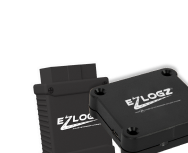
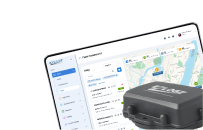
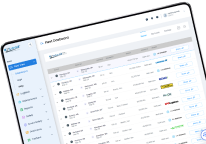
AI co drivers work best inside unified ecosystems. Ezlogz already runs ELD compliance, real time GPS fleet tracking, and AI dashcam safety tools on one platform, which gives AI a full view of the trip instead of scattered fragments.
What an AI co driver actually is
An AI co-driver is not a single gadget. It’s a stack of connected abilities:
- computer vision from AI dashcams
- telematics from vehicle sensors
- GPS context from live tracking
- HOS intelligence from ELD logs
- language based coaching inside the driver workflow
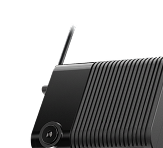
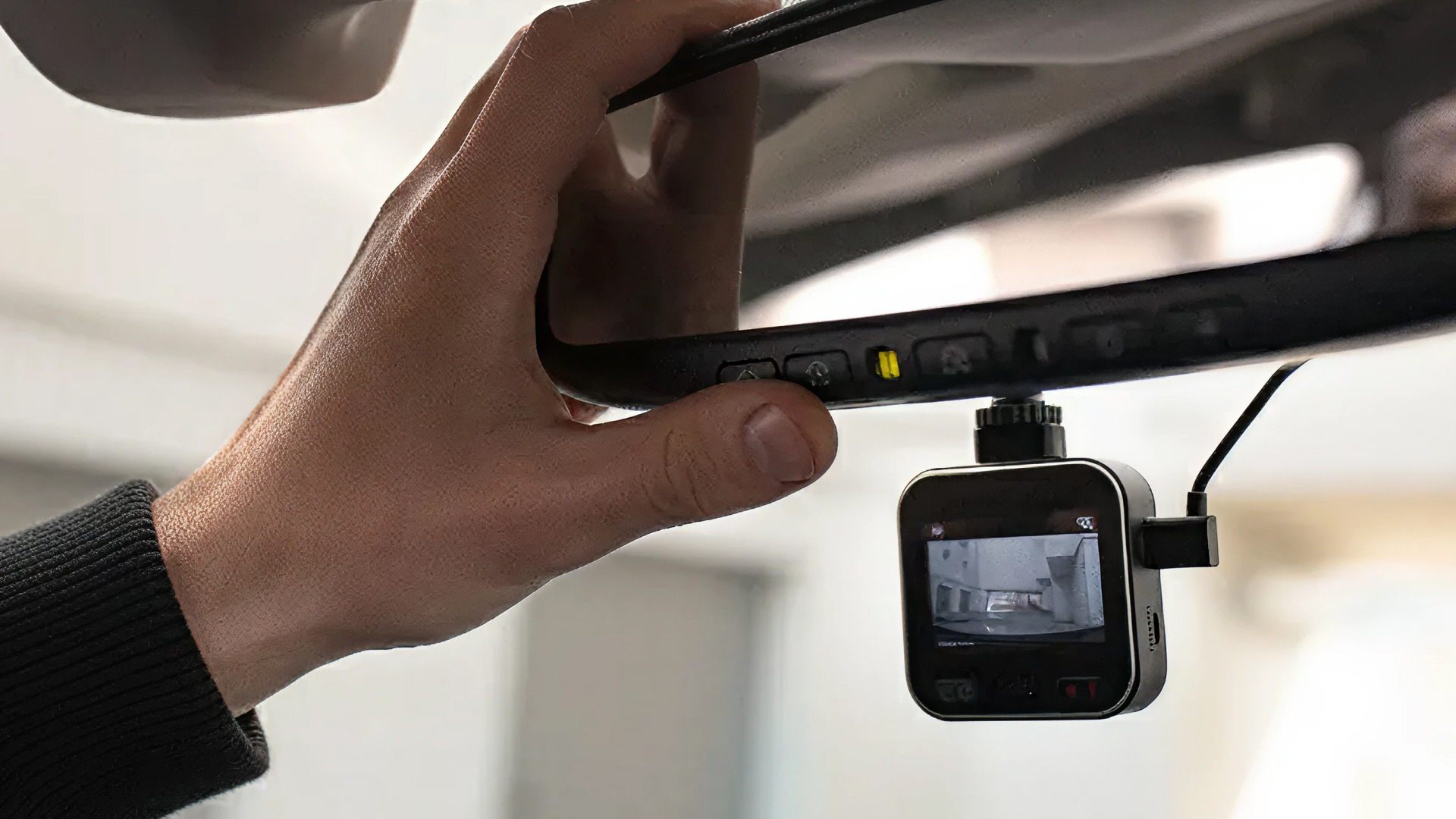
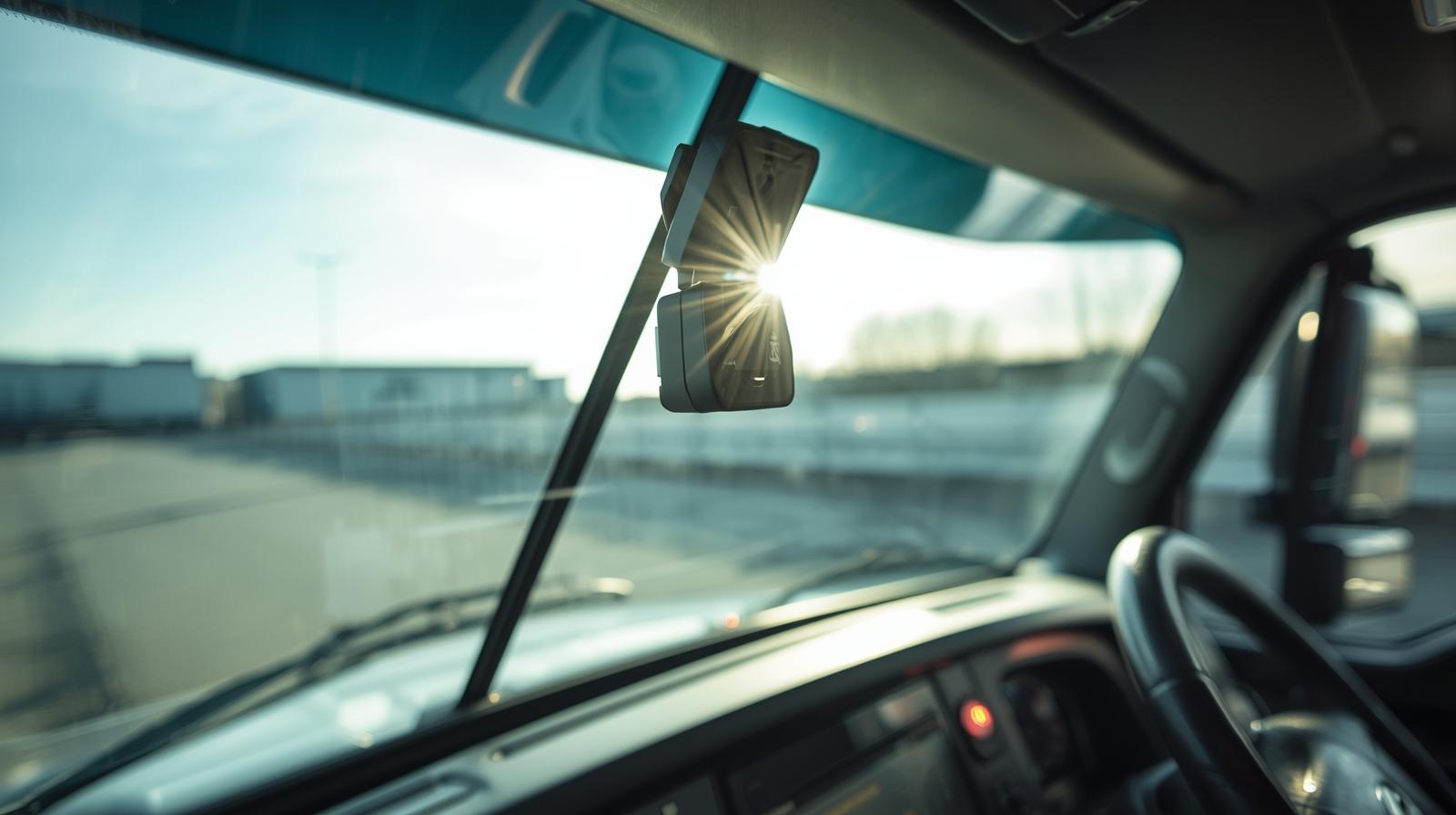
Ezlogz smartcams and AI Vision Cam highlight this blend by pairing HD video with real time GPS data and AI assistance to improve safety decisions on the road.
A classic alert system only shouts when something goes wrong. An AI co-driver does three extra things: predicts risk before it spikes, explains the why in plain language, and tracks habits over time so coaching targets the root cause.
Real time coaching that lands while the moment is still fresh
Delaying feedback dilutes it. Drivers don’t need a weekly scolding for something that happened last Tuesday. They need a tight, specific nudge right after an event, while the memory is still sharp.
AI co drivers deliver micro coaching based on the actual risk pattern, not generic rules. Examples:
- Following distance corrections after tailgating clusters, with a quick reminder of safe gaps at current speed.
- Speed modulation prompts in known risk corridors, especially downhill segments or high citation zones.
- Fatigue awareness nudges after lane drift plus long duty windows.
- Merge and turn coaching after repeated lateral harshness or off lane positioning.
- Distraction warnings triggered by head pose or phone handling.
This makes coaching feel like a training partner, not a surveillance trap. It also matches Ezlogz’s safety positioning: use AI dashcams as proactive risk reducers inside fleet workflows, not standalone video boxes.
Compliance help inside the cab, not after the damage
A huge chunk of violations happen in gray areas, not blatant rule breaking. Split sleeper logic, adverse conditions, yard moves, personal conveyance boundaries, late dispatch changes: these are easy to misread when the clock is loud.
An AI co driver can coach compliance in real time by reading the active log and route context:
- “If you switch to driving now, you’ll hit a 30 minute break violation in 47 minutes. Here are two safe stop windows based on your GPS route.”
- “Split sleeper can work tonight. Here is the exact combination that keeps your 11 and 14 hour clocks legal.”
- “This move qualifies as a yard move under your current status, so it won’t burn drive time.”
- “You can claim adverse conditions only if X is true. Your log shows X, but your route data doesn’t show Y, so stay standard.”
Ezlogz’s shift toward AI integrated ELDs and compliance monitoring is built for this kind of proactive guidance.
Why autonomous assistance scales safety better than humans can
Safety managers can’t sit in 200 cabs at once. AI can. That’s the multiplier.
Autonomous fleet assistance gives fleets:
- earlier risk correction, which reduces preventable accidents
- cleaner HOS behavior, since errors are caught before violations post
- consistent coaching standards across terminals and managers
- lower admin load, because risky events and context are auto captured
- better insurance posture, backed by measurable safety trend improvement
- higher retention, because drivers feel supported rather than hunted
Ezlogz specifically frames AI dashcam plus ELD integration as a way to reduce incidents, boost compliance, and drive ROI through real time monitoring and predictive analytics.
What makes autonomous assistance reliable instead of annoying
Plenty of “AI safety tools” fail because they look smart but act dumb. Reliability comes from context and transparency.
A reliable AI co driver needs:
- Unified data streams
ELD, GPS, dashcam, and vehicle diagnostics must be synchronized. Ezlogz emphasizes seamless ELD integration with fleet systems and real time tracking, which prevents data silos from corrupting coaching logic. - Real time recalculation
When traffic spikes, weather shifts, or a route changes mid load, the system must update risk and HOS forecasts immediately. - Transparent scoring
Drivers trust what they understand. A good platform shows why an event mattered and how the score is computed. - Coaching aligned with fleet policy
The AI has to match how your fleet defines PC, yard moves, safety thresholds, and coaching tone. If policy and AI disagree, drivers ignore both.
When these pieces click, AI stops being noisy and becomes a second set of eyes worth listening to.
The human driver stays central
AI doesn’t replace instinct. It sharpens it. Humans read nuance: aggressive four wheelers, road weirdness, subtle fatigue, weather smell in the air. AI reads patterns: reaction timing, spacing habits, HOS drift, and risk clusters that humans normalize over time.
The partnership feels like a pilot and co pilot. The driver flies the mission. The AI guards the margins and keeps the operation inside safe, legal boundaries.
FAQ
1. What is an AI co driver in trucking?
An AI co-driver is a real time assistant that combines AI dashcams, GPS tracking, and ELD data to detect risk, coach drivers instantly, and prevent compliance mistakes.
2. Does autonomous fleet assistance take control of the truck?
No. It supports decisions and alerts drivers, but the driver stays fully in control of driving and judgment.
3. How does real time coaching reduce accidents?
It corrects risky habits at the moment they happen, before they become repeat patterns or high severity incidents.
4. Can AI co drivers help with HOS compliance?
Yes. They forecast violation risk, explain rule logic like split sleeper, and suggest safe break or duty changes in real time.
5. What fleet data powers reliable AI coaching?
Unified ELD logs, live GPS context, dashcam events, and vehicle diagnostics. Platforms like Ezlogz provide these inputs in one ecosystem.
6. Will drivers accept AI co drivers?
They usually do when coaching is clear, specific, and fair. Transparency and a safety-first purpose drive adoption.
7. What is the biggest operational payoff for fleets?
Fewer preventable accidents, fewer HOS and DVIR violations, lower admin overhead, and a safety culture that scales across every truck.