

Contents
- The Growing Use of Dash Cameras in the Workplace
- Personal Use Versus Employer-Controlled Monitoring
- Legal Framework Governing Dash Cam Usage
- Employer Ownership of Vehicles and Employee Obligations
- Privacy and Data Protection Implications
- Data Ownership, Storage, and Security
- Internal Company Policies and Compliance Requirements
- Liability and Risk Assessment
- Potential Benefits of Personal Dash Cam Use
- Limitations and Risks
- Best Practices for Employees
- Best Practices for Employers
- FAQ
- Can an employee install a personal dash cam in a company vehicle without informing the employer?
- Does personal ownership of the dash cam grant the employee full control over the footage?
- Is video recording inside a company vehicle always legal?
- Why is audio recording treated differently from video recording?
- Can dash cam footage be used as evidence in court or internal investigations?
- Can an employer discipline an employee for using a personal dash cam?
- Does the presence of a dash cam affect employee privacy rights?
- Are passengers required to be informed about dash cam recording?
- How long should dash cam footage be retained?
- Can dash cam footage be shared on social media or with third parties?
- What happens if dash cam footage contradicts an employee’s account of an incident?
- Do insurance companies require or encourage dash cam use in company vehicles?
- Can employers mandate the removal of personal dash cams?
- Is it safer to rely on employer-installed dash cam systems instead of personal devices?
- What is the safest approach for employees concerned about road safety and liability?
- In summary
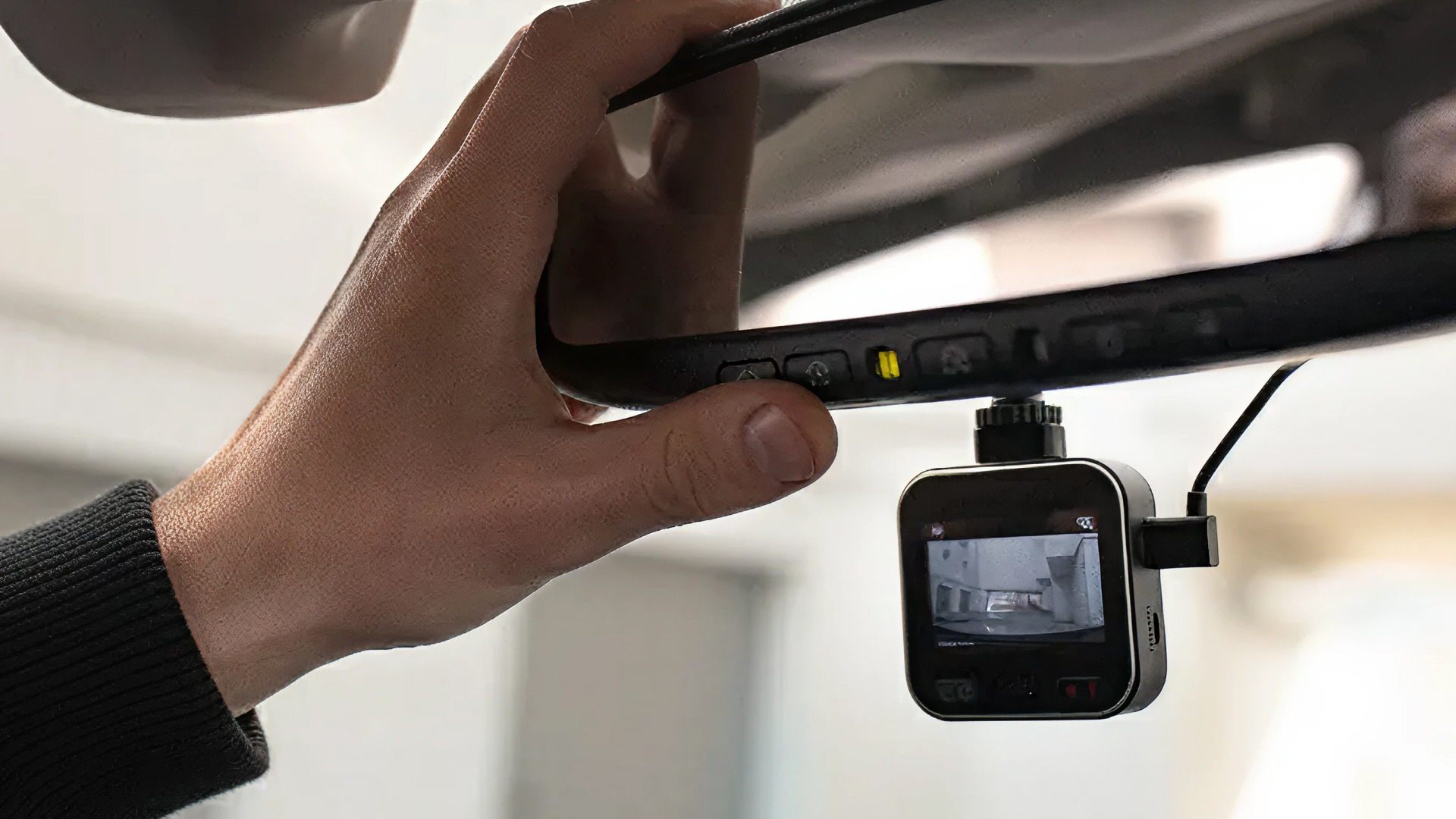
The use of dashboard cameras (“dash cams”) has increased significantly in recent years, driven by advancements in technology, affordability, and heightened awareness of road safety and liability. While dash cams were traditionally associated with private vehicle ownership, their use has expanded into professional and workplace contexts. This trend has raised important questions when employees consider installing personal dash cams inside company-owned or leased vehicles.
The intersection of personal recording devices and employer-owned assets brings complex legal, ethical, and operational considerations. These include issues of privacy, data protection, employer authority, and liability exposure. This article examines whether and under what conditions personal dash cam usage inside a company vehicle may be appropriate, lawful, and compliant with organizational policies.
The Growing Use of Dash Cameras in the Workplace
Dash cams are increasingly perceived as practical tools for documenting road incidents, protecting drivers against false claims, and supporting insurance processes. Employees who spend substantial time driving for work – such as sales representatives, delivery drivers, or service technicians – may view dash cams as a reasonable precaution, particularly in high-risk driving environments.
However, the workplace context fundamentally changes the analysis. Unlike private vehicles, company vehicles are business assets subject to internal governance, regulatory obligations, and risk management frameworks. The introduction of personal recording devices into this environment can blur the line between personal safety tools and workplace monitoring systems.
Personal Use Versus Employer-Controlled Monitoring
A critical distinction must be made between personal dash cam use and employer-installed monitoring systems. Employer-controlled dash cams are typically deployed for defined business purposes, such as fleet safety, compliance monitoring, or incident investigation. These systems are governed by internal policies, data protection protocols, and employee disclosures.
By contrast, personal dash cams are owned and controlled by the employee, often without centralized oversight. Even when intended solely for personal protection, such devices may inadvertently function as surveillance tools within the workplace. This raises concerns regarding transparency, consent, and compliance with employment and privacy laws.
Legal Framework Governing Dash Cam Usage
The legality of dashcam use varies by jurisdiction, but several common legal principles apply. Traffic and vehicle equipment regulations may restrict how and where recording devices can be mounted. More significantly, privacy and data protection laws often regulate the collection of video and audio recordings, particularly where individuals can be identified.
Audio recording is typically subject to stricter consent requirements than video recording. In many jurisdictions, recording conversations without the consent of all parties is prohibited. Video recording in public spaces may be permissible, but the analysis becomes more complex when recording occurs in a workplace setting or involves coworkers and passengers.
Organizations operating across multiple jurisdictions must also consider cross-border data protection obligations, especially where footage may be stored, transferred, or accessed electronically.
Employer Ownership of Vehicles and Employee Obligations
Company ownership or leasing of a vehicle generally grants the employer significant authority over how that vehicle is used and modified. Installing additional equipment, including dash cams, may constitute a modification requiring prior approval.
Employees are typically bound by fleet management policies, workplace conduct rules, and employment agreements that govern the use of company assets. Unauthorized installation of recording devices may constitute a policy breach, even if the device is purchased and maintained by the employee.
Accordingly, personal intent does not override employer control where company property is concerned.
Privacy and Data Protection Implications
Privacy considerations are central to the dash cam debate. Employees operating company vehicles may have a limited expectation of privacy, but this does not eliminate privacy rights altogether. Dash cams may record coworkers, clients, passengers, or members of the public, potentially capturing personal data without their knowledge.
Incidental recording of sensitive information – such as conversations, locations, or behaviors – can expose both the employee and the employer to legal and reputational risk. Even when footage is not actively used, the mere act of recording may constitute a privacy intrusion under applicable laws.
Data Ownership, Storage, and Security
Another key issue is ownership and control of dash cam footage. While the device may be personally owned, recordings made during work activities in company vehicles may be considered business-related data. This ambiguity can lead to disputes over access, retention, and usage rights.
Improper storage, unsecured devices, or unauthorized sharing of footage can result in data breaches. Employers may be held accountable for failures to protect personal data, even if the recording device is not employer-issued.
Internal Company Policies and Compliance Requirements
Most organizations maintain policies governing vehicle use, information technology, and data protection. These policies often restrict unauthorized recording, installation of hardware, or collection of personal data.
Failure to comply with such policies can result in disciplinary action, regardless of whether the dash cam was used responsibly. From a governance perspective, unapproved recording devices undermine consistency, transparency, and risk control.
Liability and Risk Assessment
Dash cam footage can be a double-edged sword in liability scenarios. On one hand, recordings may provide valuable evidence in accident investigations and dispute resolution. On the other hand, footage may reveal policy violations, unsafe driving behavior, or compliance failures.
Insurance implications must also be considered. Some insurers welcome dash cam evidence, while others may view unauthorized recording as a risk factor. In certain cases, footage may increase legal exposure rather than mitigate it.
Potential Benefits of Personal Dash Cam Use
When properly authorized and governed, dash cams may offer legitimate benefits. These include enhanced incident documentation, protection against fraudulent claims, and support for broader safety initiatives.
However, these benefits are typically realized only when dash cam use is aligned with employer policy, legal requirements, and data protection standards.
Limitations and Risks
Despite their potential advantages, personal dash cams pose significant limitations in company vehicles. Legal uncertainty, privacy risks, employee relations concerns, and technical vulnerabilities all weigh against unrestricted use.
Without clear governance, the risks often outweigh the benefits.
Best Practices for Employees
Employees considering dash cam use should:
- Review all applicable company policies carefully
- Seek explicit written authorization from the employer
- Avoid audio recording unless clearly permitted by law
- Configure devices to minimize privacy impact
- Handle and delete recordings responsibly
Best Practices for Employers
Employers should:
- Establish clear policies on in-vehicle recording
- Communicate expectations and restrictions transparently
- Define data ownership, access, and retention rules
- Regularly review policies to reflect legal and technological changes
FAQ
Can an employee install a personal dash cam in a company vehicle without informing the employer?
In most cases, no. Company vehicles are employer-owned assets, and installing any additional equipment – particularly recording devices – typically requires prior authorization. Failure to inform the employer may constitute a breach of internal policies, even if the device is purchased and maintained personally by the employee.
Does personal ownership of the dash cam grant the employee full control over the footage?
Not necessarily. While the device itself may be personally owned, footage recorded during work-related activities, in a company vehicle, may be considered business-related data. Employers may have legitimate interests in accessing or restricting the use of such footage, depending on internal policy and applicable law.
Is video recording inside a company vehicle always legal?
Video recording is not universally illegal, but its legality depends on jurisdiction, context, and purpose. Recording public roadways is often permitted; however, recording coworkers, passengers, or private interactions may trigger privacy and data protection obligations. Workplace context significantly increases legal scrutiny.
Why is audio recording treated differently from video recording?
Audio recording often captures conversations, which are subject to stricter consent requirements under many laws. In some jurisdictions, all parties must consent to being recorded. As a result, audio recording in company vehicles is frequently prohibited unless explicitly authorized and legally compliant.
Can dash cam footage be used as evidence in court or internal investigations?
Yes, but only if the footage was obtained lawfully and in compliance with company policy. Illegally recorded or unauthorized footage may be excluded from legal proceedings and could expose the recording party or employer to liability.
Can an employer discipline an employee for using a personal dash cam?
Yes. If dash cam usage violates company policy, employment agreements, or legal obligations, disciplinary action may be justified. This may apply even where the employee’s intent was personal safety rather than surveillance.
Does the presence of a dash cam affect employee privacy rights?
Yes. While employees may have a reduced expectation of privacy in company vehicles, privacy rights are not eliminated. Continuous or undisclosed recording may be viewed as intrusive, particularly if it captures identifiable individuals or sensitive information.
Are passengers required to be informed about dash cam recording?
In many jurisdictions, individuals whose personal data is recorded must be informed. This may include coworkers, clients, or third parties traveling in the vehicle. Failure to provide adequate notice can result in privacy violations.
How long should dash cam footage be retained?
Footage should generally be retained only for as long as necessary to fulfill its purpose, such as incident investigation. Indefinite or excessive retention increases data protection risks and may violate legal or policy requirements.
Can dash cam footage be shared on social media or with third parties?
In most cases, no. Sharing footage publicly or with unauthorized third parties can breach privacy laws, company policies, and confidentiality obligations. Even anonymized footage may pose legal and reputational risks.
What happens if dash cam footage contradicts an employee’s account of an incident?
If lawfully obtained, footage may be used to assess factual accuracy in investigations. However, this can increase exposure for both employee and employer, particularly if unsafe or non-compliant behavior is documented.
Do insurance companies require or encourage dash cam use in company vehicles?
Insurance positions vary. Some insurers recognize dash cam footage as useful evidence, while others focus on whether recording practices comply with legal and policy standards. Unauthorized use may complicate claims rather than support them.
Can employers mandate the removal of personal dash cams?
Yes. Employers generally have the authority to prohibit or restrict recording devices in company vehicles, particularly where privacy, compliance, or risk management concerns exist.
Is it safer to rely on employer-installed dash cam systems instead of personal devices?
From a compliance perspective, yes. Employer-installed systems are typically governed by clear policies, disclosures, and data protection measures, reducing legal and operational risk.
What is the safest approach for employees concerned about road safety and liability?
The safest approach is to raise concerns with the employer and seek approved solutions, such as employer-installed dash cams or alternative safety measures, rather than unilaterally installing personal recording devices.
In summary
The use of personal dash cams inside company vehicles presents a complex interplay of legal, privacy, and governance considerations. While such devices may offer individual benefits, they also introduce significant compliance and liability risks when used without proper authorization and oversight.
A cautious, policy-driven approach is essential. Both employees and employers must recognize that company vehicles are not purely personal spaces and that recording technologies must be deployed responsibly, transparently, and in full compliance with applicable laws and organizational standards.