

Contents
- From Breakdown to Insight: AI-Driven Root Cause Intelligence for Persistent Fleet Failures
- Recurrent Failures as Indicators of Systemic Inefficiency
- AI-Powered Root Cause Analysis: An Analytical Paradigm Shift
- Data Architecture as the Foundation of AI-Driven RCA
- Transitioning from Symptom Mitigation to Causal Prevention
- Operational, Financial, and Governance Impacts
- Integration Within an Intelligent Fleet Management Ecosystem
- FAQ
- 1. What distinguishes AI-powered Root Cause Analysis from traditional fleet diagnostics?
- 2. How does AI-driven RCA improve predictive maintenance accuracy?
- 3. What types of fleets benefit most from AI-powered Root Cause Analysis?
- 5. What data quality requirements are necessary for effective AI-driven RCA?
- 6. Does AI-powered Root Cause Analysis replace human expertise?
- 7. How quickly can fleets realize value from implementing AI-powered RCA?
- AI as a Foundational Capability in Fleet Operations
Discover how AI-powered root cause analysis enables fleets to identify systemic failure drivers, enhance compliance, reduce operational risk, and transition from reactive maintenance to predictive, intelligence-led fleet management.
From Breakdown to Insight: AI-Driven Root Cause Intelligence for Persistent Fleet Failures
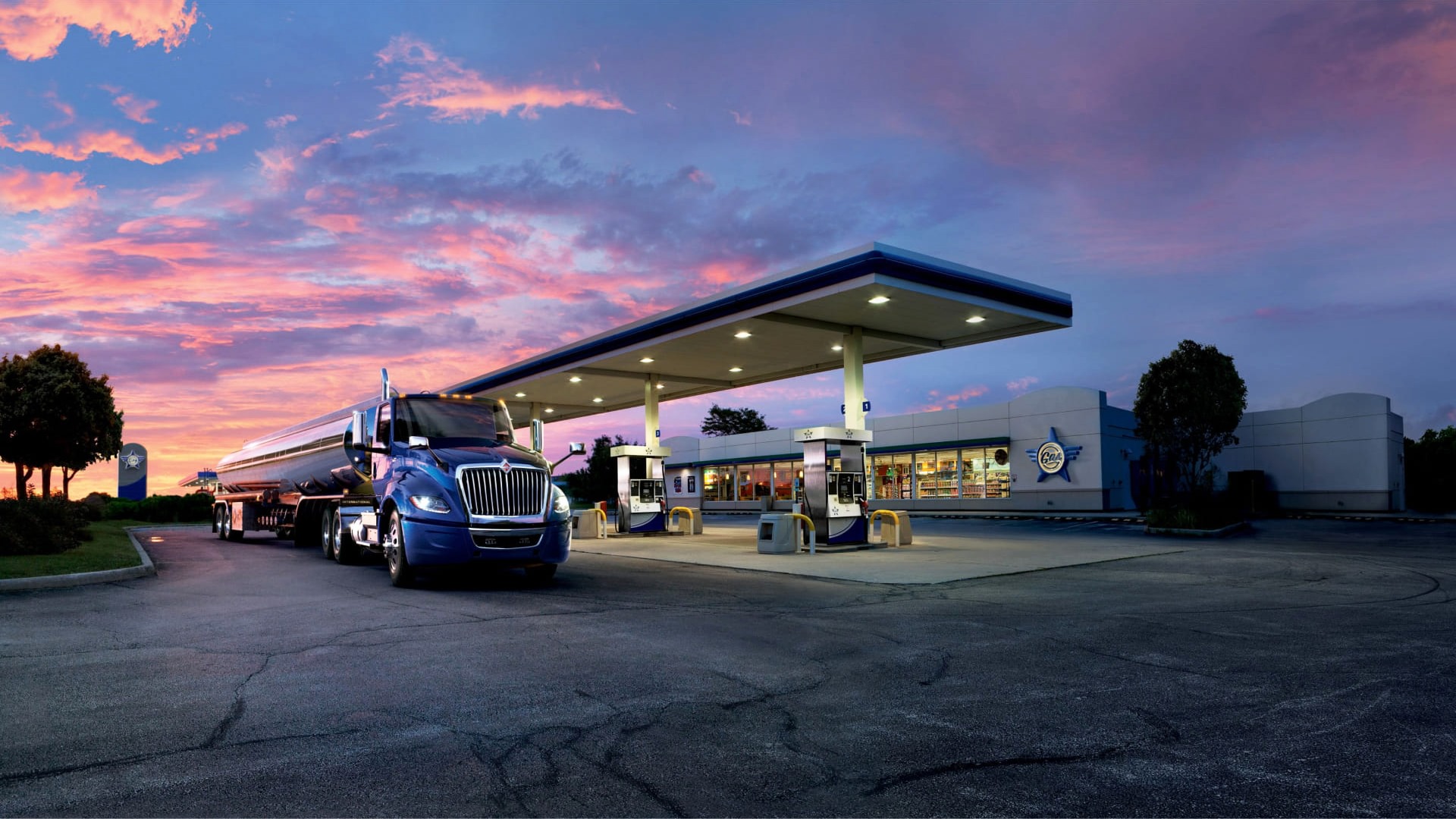
In contemporary fleet management, persistent vehicle failures represent a multidimensional operational risk rather than isolated technical events. Beyond direct repair expenditures, recurrent breakdowns generate cascading effects that include service disruption, elevated safety exposure, regulatory non-compliance, and accelerated asset depreciation. As fleet operations become increasingly digitized, the challenge has shifted from data collection to data interpretation. Traditional diagnostic methodologies, constrained by linear reasoning and manual processes, are no longer sufficient to derive actionable insight from complex, high-volume operational data. Within this context, Artificial Intelligence (AI)–driven Root Cause Analysis (RCA) emerges as a critical analytical capability, redefining how fleet organizations understand, predict, and prevent failure events.
Recurrent Failures as Indicators of Systemic Inefficiency
From a systems engineering perspective, recurrent failures are rarely stochastic. They typically reflect underlying structural inefficiencies within the operational ecosystem – spanning vehicle utilization, maintenance strategy, human behavior, environmental exposure, and organizational policy. Conventional maintenance paradigms often treat failures as discrete mechanical defects, prioritizing component replacement over systemic inquiry.
Such reductionist approaches obscure causality. For example, repeated brake degradation may be attributed to hardware wear, while the true drivers – route topology, driver braking behavior, excessive payloads, or poorly calibrated maintenance intervals – remain unaddressed. AI-powered RCA is expressly designed to expose these latent relationships by modeling fleet operations as interconnected systems rather than isolated assets.
Structural Limitations of Traditional Diagnostic Approaches
Despite their continued use, conventional diagnostic methodologies exhibit several fundamental weaknesses when applied to modern fleets:
- Reactive Orientation: Failure analysis is initiated only after operational disruption has occurred.
- Linear Causality Assumptions: Human reasoning often underestimates complex, non-linear interactions between variables.
- Data Silos: Telematics, maintenance, compliance, and driver data are frequently fragmented across platforms.
- Inconsistent Interpretations: Diagnostic outcomes vary based on technician experience and subjective judgment.
- Poor Scalability: Manual analysis does not scale proportionally with fleet size or geographic dispersion.
As vehicle systems integrate advanced electronics, software, and emissions technologies, these limitations increasingly compromise diagnostic accuracy and operational resilience.
AI-Powered Root Cause Analysis: An Analytical Paradigm Shift
AI-driven RCA represents a methodological shift from deterministic troubleshooting to probabilistic intelligence. By applying machine learning algorithms, statistical inference, and pattern recognition techniques, AI systems analyze historical and real-time data to identify causal relationships with measurable confidence levels.
Core analytical functions include:
- Multivariate Correlation Modeling: Simultaneous evaluation of mechanical, behavioral, environmental, and operational factors.
- Anomaly and Drift Detection: Early identification of performance deviations preceding failure events.
- Predictive Risk Scoring: Quantification of failure likelihood under specific operating conditions.
- Temporal and Seasonal Analysis: Recognition of cyclical stress patterns related to weather, routes, or utilization intensity.
This analytical depth enables fleets to move beyond descriptive reporting toward explanatory and predictive intelligence.
Data Architecture as the Foundation of AI-Driven RCA
The effectiveness of AI-powered RCA is contingent upon robust data integration and governance. High-performing fleet intelligence platforms aggregate diverse datasets into a unified analytical environment, including:
- Engine and vehicle sensor telemetry
- ECU fault codes and diagnostic histories
- Preventive and corrective maintenance records
- Driver behavior metrics
- Route geometry, terrain, and load characteristics
- Environmental and climatic data
- Compliance, inspection, and audit records
By contextualizing mechanical events within their operational environment, AI systems establish causal clarity that is unattainable through isolated data analysis.
Transitioning from Symptom Mitigation to Causal Prevention
A defining advantage of AI-driven RCA is its ability to differentiate root causes from downstream effects. For instance, recurring transmission failures may superficially suggest component unreliability. AI analysis may instead reveal a convergence of aggressive acceleration patterns, congested urban routes, and deferred fluid service intervals as the dominant causal pathway.
This distinction is operationally decisive. Symptom-based maintenance perpetuates recurring costs and downtime, whereas root-cause prevention enables sustainable performance improvement. AI-powered RCA facilitates this transition by ranking interventions according to quantified risk, operational impact, and financial exposure.
Operational, Financial, and Governance Impacts
The deployment of AI-driven root cause intelligence generates value across multiple organizational dimensions:
- Operational Stability: Reduced unplanned downtime through anticipatory maintenance actions.
- Cost Efficiency: Optimized maintenance schedules and reduced unnecessary part replacement.
- Safety and Risk Reduction: Early identification of high-risk operating conditions and behaviors.
- Regulatory Compliance: Data-backed maintenance practices enhance audit readiness and regulatory defensibility.
- Asset Value Preservation: Predictive insights slow degradation and extend service life.
- Strategic Governance: Executive decision-making is supported by empirical, system-wide intelligence.
Over time, these benefits compound as AI models adapt to evolving operational conditions.
Integration Within an Intelligent Fleet Management Ecosystem
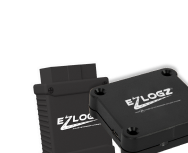
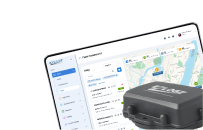
AI-powered RCA achieves maximum efficacy when embedded within an integrated fleet management platform. Comprehensive ecosystems – such as those offered by EZLOGZ – enable real-time data synchronization across telematics, maintenance, compliance, and analytics modules. This integration ensures that insights are operationalized rather than confined to analytical reports.
When RCA outputs directly inform maintenance workflows, scheduling logic, driver coaching, and executive oversight, root cause intelligence becomes a continuous operational function rather than a retrospective exercise.
FAQ
1. What distinguishes AI-powered Root Cause Analysis from traditional fleet diagnostics?
AI-powered Root Cause Analysis differs fundamentally from traditional diagnostics by employing probabilistic and multivariate analytical models rather than linear, rule-based reasoning. While conventional methods focus on identifying failed components after breakdowns occur, AI-driven RCA evaluates interconnected operational variables – such as driver behavior, environmental conditions, maintenance history, and vehicle telemetry – to identify systemic causes and enable preventive action.
2. How does AI-driven RCA improve predictive maintenance accuracy?
AI-driven RCA enhances predictive maintenance by continuously learning from historical and real-time operational data. Machine learning models detect early performance deviations and correlate them with known failure pathways, enabling fleets to anticipate breakdowns with quantifiable confidence. Unlike static maintenance schedules, AI-based predictions dynamically adjust to real-world operating conditions.
3. What types of fleets benefit most from AI-powered Root Cause Analysis?
AI-powered RCA delivers the greatest value to medium and large commercial fleets operating under high utilization, regulatory oversight, or geographic dispersion. Logistics, transportation, construction, municipal, and last-mile delivery fleets particularly benefit due to operational complexity. Smaller fleets also gain measurable advantages through improved asset utilization and maintenance efficiency.
4. How does AI-powered RCA support regulatory compliance and audit readiness?
AI-driven RCA provides documented, data-backed evidence of proactive maintenance and risk mitigation practices. By establishing causal links between operational conditions and maintenance actions, fleets can demonstrate due diligence during audits and inspections, reducing regulatory exposure and strengthening compliance posture.
5. What data quality requirements are necessary for effective AI-driven RCA?
Effective AI-powered RCA requires consistent, accurate, and well-integrated data across telematics, maintenance, driver behavior, and compliance systems. While AI models can tolerate limited variability, fragmented or incomplete data reduces analytical confidence. Unified fleet management platforms significantly enhance RCA reliability and effectiveness.
6. Does AI-powered Root Cause Analysis replace human expertise?
AI-driven RCA does not replace human expertise; it augments it. AI systems deliver analytical scale, pattern recognition, and probabilistic insight, while fleet professionals provide contextual understanding, operational judgment, and strategic oversight. The optimal model is a human–AI collaboration.
7. How quickly can fleets realize value from implementing AI-powered RCA?
Initial operational value – such as improved failure visibility and risk prioritization – can emerge within weeks of deployment. However, the full benefits of AI-powered RCA compound over time as models learn from fleet-specific data, ultimately delivering sustained reductions in downtime, costs, safety incidents, and compliance risk.
AI as a Foundational Capability in Fleet Operations
In an operational environment characterized by data abundance, regulatory scrutiny, and economic pressure, recurrent fleet failures demand analytical rigor beyond traditional diagnostics. AI-powered Root Cause Analysis provides a scientifically robust, scalable, and adaptive framework for understanding and mitigating persistent failure patterns.
By enabling a transition from reactive maintenance to predictive, intelligence-led operations, AI-driven RCA redefines fleet reliability, safety, and cost control. For forward-looking fleet organizations, AI is no longer an experimental enhancement – it is a foundational capability central to strategic fleet governance and long-term competitive sustainability.