

If you’ve ever spent long hours on the road, you know how challenging it can be to balance safe driving, accurate hours tracking, and constant paperwork. One small mistake in a paper logbook can quickly turn into fines, audits, or compliance headaches. That’s where ELD trucking comes in, using Electronic Logging Devices as a digital assistant to simplify daily operations for drivers, improve compliance, and enhance safety across U.S. highways.
But how important is an ELD really? Is it just another federal requirement, or does it genuinely make life easier for drivers and fleets? To answer that, we need to look closely at how ELDs work, why they matter in the U.S. trucking industry, and what real-world value they bring beyond compliance.
How Does It Work?
At its core, an Electronic Logging Device (ELD) is a federally regulated digital system that automatically records a commercial driver’s Hours of Service (HOS) along with key vehicle activity. For U.S. fleet drivers, this means no more guessing, rewriting logs, or worrying that a small paperwork error could lead to a violation.
A simple way to think about an ELD is this: it’s a Fitbit for your truck and your workday. It tracks when you’re driving, when you’re on duty but not driving, when you’re off duty, and when you’re in the sleeper berth. Instead of relying on memory or handwritten entries, the device records everything in real time – accurately and consistently.
How ELDs Collect and Record Data
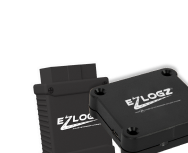
Modern ELDs connect directly to a truck’s engine control module (ECM). Once connected, they automatically capture critical data, including:
- Vehicle movement and driving time
- Engine hours and ignition status
- Miles driven
- Location data at required intervals
- Duty status changes
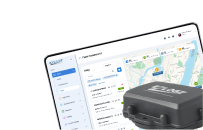
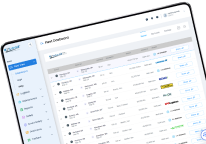
This information is stored digitally and can be viewed by the driver through an in-cab display, tablet, or smartphone app. Fleet managers can access the same data through an online dashboard, giving them a real-time picture of driver availability, compliance status, and overall fleet performance.
For drivers, this automation removes a major source of stress. You’re no longer responsible for manually tracking every minute of your day – the system does it for you.
Why ELDs Matter in the U.S. Trucking Industry
In the United States, the Federal Motor Carrier Safety Administration (FMCSA) requires most interstate commercial drivers to use ELDs under the ELD Mandate. This regulation replaced paper logs to address widespread log inaccuracies and fatigue-related safety risks.
FMCSA’s Hours of Service rules are designed to:
- Prevent excessive driving hours
- Enforce mandatory rest breaks
- Reduce fatigue-related crashes
- Create consistent safety standards across fleets
For U.S. fleets, ELDs aren’t just about avoiding fines. They are about protecting drivers, improving road safety, and operating responsibly in a heavily regulated environment.
The Benefits of ELD
1. Safety First
Safety is the foundation of the ELD mandate. Driver fatigue remains one of the leading causes of serious trucking accidents in the U.S., and ELDs directly address this risk by enforcing legal driving limits and rest requirements.
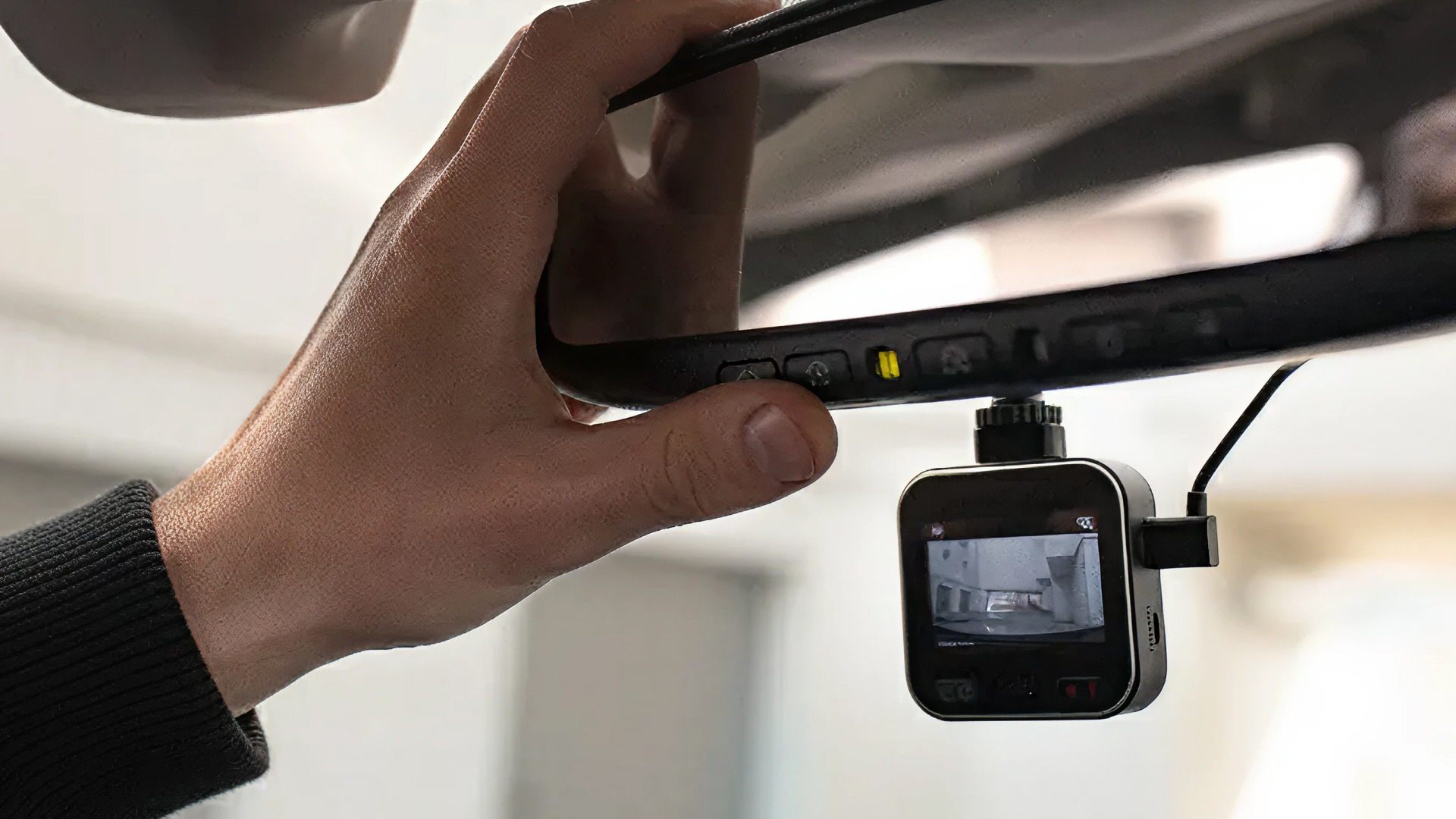
Many systems also include alerts for risky driving behaviors, such as speeding or extended driving without breaks. These features help drivers recognize unsafe patterns early and correct them before accidents occur.
2. Efficiency and Productivity
ELDs dramatically reduce time spent on paperwork. Automated logs mean drivers can focus on driving, planning routes, and resting properly.
For fleet managers, real-time access to driver hours enables smarter dispatching, fewer violations, and better on-time performance, improving productivity across the entire operation.
3. Accuracy and Accountability
Manual logs are prone to mistakes and inconsistencies. ELDs automatically record data, creating accurate, tamper-resistant records that protect drivers during inspections and audits.
This transparency builds trust between drivers and fleets while supporting stronger compliance oversight.
4. Business and Operational Impact
ELD data helps fleets:
- Optimize routes
- Reduce idle time and fuel waste
- Improve maintenance planning
- Analyze driver utilization
Over time, this leads to lower costs, improved safety scores, and stronger operational control.
Challenges and Concerns
ELDs are not without challenges:
- Driver resistance due to perceived loss of flexibility
- Costs for hardware, installation, and subscriptions
- Technical issues like connectivity or software glitches
- Adjustment period when transitioning from paper logs
✅ Tip: With proper training and support, these challenges usually fade quickly. Most drivers find that ELDs reduce stress once they become familiar with the system.
Why ELD Is Important to You
Personal Perspective
ELDs simplify daily tasks, reduce paperwork, and help prevent fatigue. Drivers benefit from clear expectations, automatic tracking, and fewer compliance worries.
Professional Perspective
Accurate ELD records protect drivers from violations and disputes, supporting a strong professional reputation and long-term career stability.
Industry Perspective
ELDs raise safety standards across the trucking industry by reducing fatigue-related crashes and improving compliance nationwide.
Frequently Asked Questions
1. Do I need an ELD if I drive less than 100 miles a day?
Not always. Some short-haul drivers operating within a 100–150 air-mile radius may qualify for exemptions under FMCSA rules. However, even when exempt, many drivers and fleets still choose to use ELDs because they simplify recordkeeping, reduce errors, and provide better visibility into daily operations. An ELD can still be useful for planning, safety, and consistency.
2. What happens if my ELD malfunctions?
ELDs can experience technical issues, just like any electronic device. If your ELD malfunctions, FMCSA allows drivers to temporarily use paper logs while the issue is resolved. Drivers should report the problem to their fleet or provider immediately and document the issue. Most problems can be avoided through regular software updates, proper installation, and basic troubleshooting.
3. Can I tamper with or disable my ELD?
No. Tampering with or falsifying ELD data is a serious FMCSA violation and can result in fines, out-of-service orders, or license suspension. While some drivers worry about privacy, ELDs are designed for compliance and safety – not personal surveillance. Viewing the device as a protective tool rather than a restriction helps reduce frustration.
4. How does an ELD improve my daily workflow?
ELDs automate HOS tracking, eliminate manual log entries, and provide alerts for driving limits and breaks. This reduces mental load and saves time, allowing drivers to focus on safe driving. For fleets, accurate data improves dispatching, planning, and communication – resulting in smoother daily operations.
5. Will using an ELD affect my pay or route assignments?
ELDs themselves do not determine pay or routes – those decisions are made by employers. However, accurate logs protect drivers by verifying hours worked, reducing disputes, and supporting fair compensation. Clear records can actually work in the driver’s favor.
6. Can ELD data be shared with anyone?
Yes. ELD data is typically shared with fleet managers and regulatory authorities during inspections or audits. The purpose is compliance, safety, and operational oversight. ELDs do not track personal activities outside of work, and data transparency often protects drivers during investigations or disputes.
7. Are all ELDs the same?
No. Some ELDs only track basic HOS, while others offer GPS tracking, fleet management integration, maintenance alerts, and advanced analytics. Choosing the right ELD depends on fleet size, operational needs, and driver preferences. A good ELD is FMCSA-certified, reliable, and easy to use.
8. How do I make the most out of my ELD?
To get the most value from an ELD, drivers should learn all available features, keep software updated, and use alerts proactively. Fleets that use ELD data beyond compliance – such as for planning, safety coaching, and efficiency improvements – often experience less stress, fewer violations, and better overall performance.
ELDs may look like just another screen in the cab, but their impact is far-reaching. For U.S. fleet drivers and operators, they represent safer roads, fewer compliance headaches, and smarter operations.
If safety, accuracy, and smoother workdays matter to you, then the answer is clear: ELDs are more important than they might first appear.