

Contents
- Understanding Remote Fleet Diagnostics
- Common ELD Issues Faced by Fleets
- How Remote Diagnostics Solve ELD Problems
- Steps to Implement Remote Fleet Diagnostics
- Advantages of Remote Fleet Diagnostics
- Future Trends in Remote Fleet Diagnostics
- Best Practices for Maintaining ELD Systems Remotely
- FAQ
- Understanding Remote Fleet Diagnostics
- Common ELD Issues Faced by Fleets
- How Remote Diagnostics Solve ELD Problems
- Steps to Implement Remote Fleet Diagnostics
- Advantages of Remote Fleet Diagnostics
- Future Trends in Remote Fleet Diagnostics
- Best Practices for Maintaining ELD Systems Remotely
- FAQ
Efficient fleet management today is no longer limited to scheduling deliveries or maintaining vehicles; it has evolved into a complex interplay of technology, regulatory compliance, and operational optimization. Electronic Logging Devices (ELDs) have emerged as a cornerstone technology, enabling fleets to automatically record drivers’ hours of service (HOS), monitor vehicle performance metrics, and maintain adherence to federal regulations set forth by the FMCSA.
However, the adoption of ELDs introduces a new set of operational challenges. Technical failures—ranging from hardware malfunctions to software glitches—can compromise real-time data logging, disrupt regulatory compliance, and potentially ground vehicles for repairs, creating operational bottlenecks. These failures, if not addressed swiftly, can cascade into significant financial losses, reduced driver productivity, and client dissatisfaction.
Remote fleet diagnostics represents a transformative approach, allowing fleet managers to detect, analyze, and resolve ELD-related issues without physically removing vehicles from service. By leveraging telematics, cloud computing, and real-time analytics, fleets can operate with greater resilience, efficiency, and regulatory compliance.
This article provides an extensive exploration of remote fleet diagnostics, discussing its mechanisms, benefits, implementation strategies, challenges, and future trends. Fleet operators, logistics managers, and industry professionals will gain actionable insights for maximizing fleet efficiency while minimizing downtime.
Understanding Remote Fleet Diagnostics
Remote fleet diagnostics refers to the continuous monitoring, analysis, and troubleshooting of vehicle and ELD performance from a centralized location using telematics systems and cloud-based platforms. Unlike traditional diagnostic methods, which necessitate physical inspection and manual intervention, remote diagnostics enables real-time detection and resolution of operational issues, ensuring uninterrupted fleet functionality.
The adoption of remote diagnostics addresses multiple operational challenges, including device malfunctions, software incompatibilities, and connectivity disruptions. By integrating data collection, cloud-based analytics, and automated interventions, remote diagnostics enhances fleet efficiency while reducing the likelihood of regulatory non-compliance.
Key Advantages of Remote Diagnostics
- Immediate Issue Detection: Advanced monitoring algorithms identify anomalies in vehicle or ELD performance the moment they occur, allowing for rapid intervention.
- Reduced Operational Downtime: Trucks remain on the road while minor issues are addressed remotely, maintaining continuity in operations.
- Predictive Maintenance: Leveraging historical data and AI-driven insights, predictive maintenance models anticipate equipment failures before they occur, reducing costly downtime.
- Enhanced Regulatory Compliance: Real-time tracking of HOS and other compliance metrics ensures adherence to federal regulations, avoiding costly fines or audits.
- Operational Transparency: Fleet managers gain full visibility into each vehicle’s performance, driver behavior, and device status, allowing data-driven decision-making.
Key Components of Remote Fleet Diagnostics
Remote fleet diagnostics relies on a cohesive ecosystem that integrates hardware, software, and human oversight:
- Onboard Telematics Devices: These devices collect granular data from ELDs and vehicle systems, including engine performance, GPS location, driver activity, and fuel consumption. Advanced telematics units support two-way communication, enabling remote commands such as software updates or system resets.
- Cloud-Based Analytics Platforms: Data transmitted from telematics devices is aggregated and analyzed on cloud platforms. Sophisticated algorithms identify anomalies, generate alerts, and provide actionable insights for fleet managers. These platforms also support predictive analytics for maintenance scheduling and operational optimization.
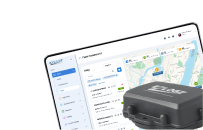
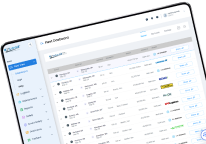
- Mobile and Desktop Interfaces: Fleet managers can access diagnostic data and perform troubleshooting remotely via secure dashboards on smartphones, tablets, or computers. Real-time notifications and step-by-step intervention instructions streamline issue resolution.
- Integration with ELD Systems: Remote diagnostics platforms integrate seamlessly with ELDs, ensuring that HOS, driver logs, and vehicle performance data remain accurate and up-to-date. This integration supports automated updates, compliance monitoring, and historical reporting.
Common ELD Issues Faced by Fleets
Despite their advantages, ELDs can face numerous challenges that impact fleet operations:
- Connectivity Problems: Weak cellular signals or GPS disruptions can interrupt data transmission, leading to incomplete logs and compliance risks. Fleets operating in remote or rural areas are particularly vulnerable.
- Data Logging Errors: Inaccurate or inconsistent HOS and vehicle performance records can trigger regulatory penalties or audits. Errors often result from software glitches, human input mistakes, or device malfunctions.
- Software and Firmware Glitches: Outdated or corrupted software can cause system crashes or interfere with data synchronization. Timely updates are critical to maintaining ELD functionality.
- Hardware Malfunctions: Physical damage to the ELD device or associated sensors can halt data recording, necessitating immediate troubleshooting or replacement.
The Impact of ELD Downtime
Downtime caused by ELD failures carries significant operational and financial implications:
- Financial Losses: Unplanned repairs, delayed deliveries, and regulatory penalties can quickly accumulate, straining operating budgets.
- Operational Delays: Trucks may need to be sidelined for inspection or repair, disrupting schedules and logistics planning.
- Driver Compliance Risks: Non-functional ELDs compromise accurate recording of HOS, exposing fleets to legal penalties and audits.
- Customer Dissatisfaction: Service delays or missed deliveries can erode trust, negatively impacting client relationships and brand reputation.
How Remote Diagnostics Solve ELD Problems
Remote fleet diagnostics addresses ELD-related challenges by providing proactive, technology-driven solutions:
- Real-Time Monitoring and Alerts: Fleet managers are immediately notified of device malfunctions or abnormal readings, allowing rapid intervention before downtime occurs.
- Remote Troubleshooting: Many ELD issues, including software glitches and connectivity disruptions, can be resolved remotely. Fleet managers can push updates, recalibrate systems, or reset devices without requiring physical service visits.
- Automated Software Updates: Remote platforms enable automatic deployment of updates and firmware patches, ensuring that ELDs remain compliant with evolving regulatory requirements.
- Predictive Maintenance and Analysis: Advanced analytics leverage historical data and machine learning to identify patterns that may indicate imminent hardware or software failures. This predictive capability allows proactive interventions, reducing operational interruptions.
- Driver Guidance and Support: Remote systems can provide real-time instructions and alerts to drivers, helping them resolve minor issues independently, further minimizing downtime.
Case Study: Minimizing Downtime with Remote Diagnostics
A mid-sized logistics company operating 150 long-haul trucks experienced frequent ELD failures, resulting in delayed deliveries and compliance violations. By deploying a remote diagnostics solution:
- Real-time alerts immediately identified malfunctioning ELDs.
- Automated updates and remote recalibrations resolved software issues without pulling trucks off the road.
- Driver support features allowed drivers to implement minor fixes independently, guided by system prompts.
Outcome: Operational downtime decreased by 70%, regulatory compliance was maintained, maintenance costs were reduced, and overall fleet efficiency improved significantly.
Steps to Implement Remote Fleet Diagnostics
Implementing a remote diagnostics system involves strategic planning and structured execution:
- Assess Fleet Requirements: Evaluate fleet size, vehicle types, ELD models, common operational issues, and high-risk routes to determine monitoring needs.
- Select Compatible Hardware and Software: Ensure telematics devices and diagnostic platforms integrate seamlessly with existing ELDs and fleet management systems. Consider scalability for future fleet expansion.
- Integrate with Fleet Management Systems: Smooth integration ensures real-time data synchronization across all operational dashboards, enabling centralized monitoring and decision-making.
- Staff Training and Onboarding: Drivers and fleet managers must be trained on system usage, alert interpretation, troubleshooting protocols, and reporting procedures.
- Regular Review and Optimization: Continuously assess the performance of remote diagnostics systems, update configurations, and implement improvements based on operational feedback and evolving technologies.
Choosing the Right ELD Solution
Selecting a robust ELD solution is critical to the success of remote diagnostics:
- Compliance: Ensure the device meets FMCSA standards and supports HOS recording.
- Remote Troubleshooting Capability: Devices must support software updates and diagnostics remotely.
- Integration: Seamless compatibility with fleet telematics and management systems ensures uninterrupted operation.
- Reliability and Support: A proven vendor with strong technical support reduces risks associated with device failures.
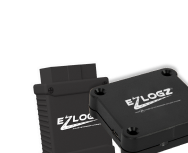
Ezlogz ELD exemplifies a solution that integrates remote diagnostics, automated updates, and user-friendly monitoring interfaces to minimize downtime and maximize fleet efficiency.
Advantages of Remote Fleet Diagnostics
Remote diagnostics offers a broad spectrum of operational and financial benefits:
- Reduced Downtime: Real-time detection and remote intervention keep vehicles on the road.
- Improved Compliance: Continuous monitoring ensures accurate HOS logs and regulatory adherence.
- Cost Efficiency: Reduces service visits, emergency repairs, and potential fines.
- Enhanced Driver Productivity: Minimizes time spent troubleshooting, allowing drivers to focus on deliveries.
- Data-Driven Insights: Actionable analytics provide strategic guidance for route optimization, maintenance planning, and operational efficiency.
Challenges and Considerations
Despite its advantages, fleet operators should address key considerations:
- Initial Investment Costs: Telecommunication devices, cloud platforms, and training programs may require substantial upfront capital.
- Data Security Risks: Remote monitoring involves sensitive operational and driver data, requiring robust encryption and cybersecurity measures.
- Technical Training Needs: Staff must be capable of interpreting diagnostic data and executing remote troubleshooting protocols.
- System Compatibility: Integration with legacy systems may require customized solutions and careful planning to avoid operational disruption.
Future Trends in Remote Fleet Diagnostics
Remote fleet diagnostics is poised for significant evolution:
- AI-Driven Predictive Maintenance: Machine learning models analyze historical and real-time data to forecast system failures and recommend preventive actions.
- Enhanced Telematics Integration: Future platforms will consolidate vehicle subsystems, ELDs, and logistics data into a unified monitoring system.
- Mobile-First Fleet Management: Increased reliance on mobile applications enables fleet managers and drivers to access diagnostics anytime, anywhere.
- Cloud-Native Platforms: Advanced cloud solutions offer scalability, advanced analytics, and improved accessibility across distributed fleets.
Best Practices for Maintaining ELD Systems Remotely
- Regular Software and Firmware Updates: Maintain compliance and ensure optimal system performance.
- Continuous Data Monitoring: Detects anomalies early to prevent operational disruptions.
- Driver Engagement: Educate drivers on proactive reporting and troubleshooting techniques.
- Periodic System Audits: Review system performance regularly to optimize configurations.
- Robust Data Security: Protect sensitive fleet and driver data with encryption, access controls, and cybersecurity protocols.
Remote fleet diagnostics is no longer an optional enhancement—it is a strategic imperative for modern fleets. By enabling real-time monitoring, predictive maintenance, and remote troubleshooting, fleet operators can maintain ELD functionality, minimize downtime, reduce operational costs, and enhance overall efficiency.
Adopting reliable solutions like Ezlogz ELD ensures that fleets remain compliant, operationally resilient, and ready to meet the growing demands of logistics and transportation industries.
In a competitive market where uptime directly impacts profitability and client satisfaction, remote fleet diagnostics represents the future of fleet management.
FAQ
1. What is remote fleet diagnostics?
Remote fleet diagnostics is a system for monitoring, analyzing, and troubleshooting vehicles and ELD devices from a centralized location using telematics and cloud analytics.
2. How does remote diagnostics prevent ELD downtime?
By providing real-time alerts, remote troubleshooting, predictive maintenance, and automated software updates, downtime is minimized and vehicles remain operational.
3. Are there cybersecurity risks associated with remote fleet monitoring?
Yes. To mitigate risks, all data should be encrypted and access should be restricted to authorized personnel.Efficient fleet management today is no longer limited to scheduling deliveries or maintaining vehicles; it has evolved into a complex interplay of technology, regulatory compliance, and operational optimization. Electronic Logging Devices (ELDs) have emerged as a cornerstone technology, enabling fleets to automatically record drivers’ hours of service (HOS), monitor vehicle performance metrics, and maintain adherence to federal regulations set forth by the FMCSA.
However, the adoption of ELDs introduces a new set of operational challenges. Technical failures—ranging from hardware malfunctions to software glitches—can compromise real-time data logging, disrupt regulatory compliance, and potentially ground vehicles for repairs, creating operational bottlenecks. These failures, if not addressed swiftly, can cascade into significant financial losses, reduced driver productivity, and client dissatisfaction.
Remote fleet diagnostics represents a transformative approach, allowing fleet managers to detect, analyze, and resolve ELD-related issues without physically removing vehicles from service. By leveraging telematics, cloud computing, and real-time analytics, fleets can operate with greater resilience, efficiency, and regulatory compliance.
This article provides an extensive exploration of remote fleet diagnostics, discussing its mechanisms, benefits, implementation strategies, challenges, and future trends. Fleet operators, logistics managers, and industry professionals will gain actionable insights for maximizing fleet efficiency while minimizing downtime.
Understanding Remote Fleet Diagnostics
Remote fleet diagnostics refers to the continuous monitoring, analysis, and troubleshooting of vehicle and ELD performance from a centralized location using telematics systems and cloud-based platforms. Unlike traditional diagnostic methods, which necessitate physical inspection and manual intervention, remote diagnostics enables real-time detection and resolution of operational issues, ensuring uninterrupted fleet functionality.
The adoption of remote diagnostics addresses multiple operational challenges, including device malfunctions, software incompatibilities, and connectivity disruptions. By integrating data collection, cloud-based analytics, and automated interventions, remote diagnostics enhances fleet efficiency while reducing the likelihood of regulatory non-compliance.
Key Advantages of Remote Diagnostics
- Immediate Issue Detection: Advanced monitoring algorithms identify anomalies in vehicle or ELD performance the moment they occur, allowing for rapid intervention.
- Reduced Operational Downtime: Trucks remain on the road while minor issues are addressed remotely, maintaining continuity in operations.
- Predictive Maintenance: Leveraging historical data and AI-driven insights, predictive maintenance models anticipate equipment failures before they occur, reducing costly downtime.
- Enhanced Regulatory Compliance: Real-time tracking of HOS and other compliance metrics ensures adherence to federal regulations, avoiding costly fines or audits.
- Operational Transparency: Fleet managers gain full visibility into each vehicle’s performance, driver behavior, and device status, allowing data-driven decision-making.
Key Components of Remote Fleet Diagnostics
Remote fleet diagnostics relies on a cohesive ecosystem that integrates hardware, software, and human oversight:
- Onboard Telematics Devices: These devices collect granular data from ELDs and vehicle systems, including engine performance, GPS location, driver activity, and fuel consumption. Advanced telematics units support two-way communication, enabling remote commands such as software updates or system resets.
- Cloud-Based Analytics Platforms: Data transmitted from telematics devices is aggregated and analyzed on cloud platforms. Sophisticated algorithms identify anomalies, generate alerts, and provide actionable insights for fleet managers. These platforms also support predictive analytics for maintenance scheduling and operational optimization.
- Mobile and Desktop Interfaces: Fleet managers can access diagnostic data and perform troubleshooting remotely via secure dashboards on smartphones, tablets, or computers. Real-time notifications and step-by-step intervention instructions streamline issue resolution.
- Integration with ELD Systems: Remote diagnostics platforms integrate seamlessly with ELDs, ensuring that HOS, driver logs, and vehicle performance data remain accurate and up-to-date. This integration supports automated updates, compliance monitoring, and historical reporting.
Common ELD Issues Faced by Fleets
Despite their advantages, ELDs can face numerous challenges that impact fleet operations:
- Connectivity Problems: Weak cellular signals or GPS disruptions can interrupt data transmission, leading to incomplete logs and compliance risks. Fleets operating in remote or rural areas are particularly vulnerable.
- Data Logging Errors: Inaccurate or inconsistent HOS and vehicle performance records can trigger regulatory penalties or audits. Errors often result from software glitches, human input mistakes, or device malfunctions.
- Software and Firmware Glitches: Outdated or corrupted software can cause system crashes or interfere with data synchronization. Timely updates are critical to maintaining ELD functionality.
- Hardware Malfunctions: Physical damage to the ELD device or associated sensors can halt data recording, necessitating immediate troubleshooting or replacement.
The Impact of ELD Downtime
Downtime caused by ELD failures carries significant operational and financial implications:
- Financial Losses: Unplanned repairs, delayed deliveries, and regulatory penalties can quickly accumulate, straining operating budgets.
- Operational Delays: Trucks may need to be sidelined for inspection or repair, disrupting schedules and logistics planning.
- Driver Compliance Risks: Non-functional ELDs compromise accurate recording of HOS, exposing fleets to legal penalties and audits.
- Customer Dissatisfaction: Service delays or missed deliveries can erode trust, negatively impacting client relationships and brand reputation.
How Remote Diagnostics Solve ELD Problems
Remote fleet diagnostics addresses ELD-related challenges by providing proactive, technology-driven solutions:
- Real-Time Monitoring and Alerts: Fleet managers are immediately notified of device malfunctions or abnormal readings, allowing rapid intervention before downtime occurs.
- Remote Troubleshooting: Many ELD issues, including software glitches and connectivity disruptions, can be resolved remotely. Fleet managers can push updates, recalibrate systems, or reset devices without requiring physical service visits.
- Automated Software Updates: Remote platforms enable automatic deployment of updates and firmware patches, ensuring that ELDs remain compliant with evolving regulatory requirements.
- Predictive Maintenance and Analysis: Advanced analytics leverage historical data and machine learning to identify patterns that may indicate imminent hardware or software failures. This predictive capability allows proactive interventions, reducing operational interruptions.
- Driver Guidance and Support: Remote systems can provide real-time instructions and alerts to drivers, helping them resolve minor issues independently, further minimizing downtime.
Case Study: Minimizing Downtime with Remote Diagnostics
A mid-sized logistics company operating 150 long-haul trucks experienced frequent ELD failures, resulting in delayed deliveries and compliance violations. By deploying a remote diagnostics solution:
- Real-time alerts immediately identified malfunctioning ELDs.
- Automated updates and remote recalibrations resolved software issues without pulling trucks off the road.
- Driver support features allowed drivers to implement minor fixes independently, guided by system prompts.
Outcome: Operational downtime decreased by 70%, regulatory compliance was maintained, maintenance costs were reduced, and overall fleet efficiency improved significantly.
Steps to Implement Remote Fleet Diagnostics
Implementing a remote diagnostics system involves strategic planning and structured execution:
- Assess Fleet Requirements: Evaluate fleet size, vehicle types, ELD models, common operational issues, and high-risk routes to determine monitoring needs.
- Select Compatible Hardware and Software: Ensure telematics devices and diagnostic platforms integrate seamlessly with existing ELDs and fleet management systems. Consider scalability for future fleet expansion.
- Integrate with Fleet Management Systems: Smooth integration ensures real-time data synchronization across all operational dashboards, enabling centralized monitoring and decision-making.
- Staff Training and Onboarding: Drivers and fleet managers must be trained on system usage, alert interpretation, troubleshooting protocols, and reporting procedures.
- Regular Review and Optimization: Continuously assess the performance of remote diagnostics systems, update configurations, and implement improvements based on operational feedback and evolving technologies.
Choosing the Right ELD Solution
Selecting a robust ELD solution is critical to the success of remote diagnostics:
- Compliance: Ensure the device meets FMCSA standards and supports HOS recording.
- Remote Troubleshooting Capability: Devices must support software updates and diagnostics remotely.
- Integration: Seamless compatibility with fleet telematics and management systems ensures uninterrupted operation.
- Reliability and Support: A proven vendor with strong technical support reduces risks associated with device failures.
Ezlogz ELD exemplifies a solution that integrates remote diagnostics, automated updates, and user-friendly monitoring interfaces to minimize downtime and maximize fleet efficiency.
Advantages of Remote Fleet Diagnostics
Remote diagnostics offers a broad spectrum of operational and financial benefits:
- Reduced Downtime: Real-time detection and remote intervention keep vehicles on the road.
- Improved Compliance: Continuous monitoring ensures accurate HOS logs and regulatory adherence.
- Cost Efficiency: Reduces service visits, emergency repairs, and potential fines.
- Enhanced Driver Productivity: Minimizes time spent troubleshooting, allowing drivers to focus on deliveries.
- Data-Driven Insights: Actionable analytics provide strategic guidance for route optimization, maintenance planning, and operational efficiency.
Challenges and Considerations
Despite its advantages, fleet operators should address key considerations:
- Initial Investment Costs: Telecommunication devices, cloud platforms, and training programs may require substantial upfront capital.
- Data Security Risks: Remote monitoring involves sensitive operational and driver data, requiring robust encryption and cybersecurity measures.
- Technical Training Needs: Staff must be capable of interpreting diagnostic data and executing remote troubleshooting protocols.
- System Compatibility: Integration with legacy systems may require customized solutions and careful planning to avoid operational disruption.
Future Trends in Remote Fleet Diagnostics
Remote fleet diagnostics is poised for significant evolution:
- AI-Driven Predictive Maintenance: Machine learning models analyze historical and real-time data to forecast system failures and recommend preventive actions.
- Enhanced Telematics Integration: Future platforms will consolidate vehicle subsystems, ELDs, and logistics data into a unified monitoring system.
- Mobile-First Fleet Management: Increased reliance on mobile applications enables fleet managers and drivers to access diagnostics anytime, anywhere.
- Cloud-Native Platforms: Advanced cloud solutions offer scalability, advanced analytics, and improved accessibility across distributed fleets.
Best Practices for Maintaining ELD Systems Remotely
- Regular Software and Firmware Updates: Maintain compliance and ensure optimal system performance.
- Continuous Data Monitoring: Detects anomalies early to prevent operational disruptions.
- Driver Engagement: Educate drivers on proactive reporting and troubleshooting techniques.
- Periodic System Audits: Review system performance regularly to optimize configurations.
- Robust Data Security: Protect sensitive fleet and driver data with encryption, access controls, and cybersecurity protocols.
Remote fleet diagnostics is no longer an optional enhancement—it is a strategic imperative for modern fleets. By enabling real-time monitoring, predictive maintenance, and remote troubleshooting, fleet operators can maintain ELD functionality, minimize downtime, reduce operational costs, and enhance overall efficiency.
Adopting reliable solutions like Ezlogz ELD ensures that fleets remain compliant, operationally resilient, and ready to meet the growing demands of logistics and transportation industries.
In a competitive market where uptime directly impacts profitability and client satisfaction, remote fleet diagnostics represents the future of fleet management.
FAQ
1. What is remote fleet diagnostics?
Remote fleet diagnostics is a system for monitoring, analyzing, and troubleshooting vehicles and ELD devices from a centralized location using telematics and cloud analytics.
2. How does remote diagnostics prevent ELD downtime?
By providing real-time alerts, remote troubleshooting, predictive maintenance, and automated software updates, downtime is minimized and vehicles remain operational.
3. Are there cybersecurity risks associated with remote fleet monitoring?
Yes. To mitigate risks, all data should be encrypted and access should be restricted to authorized personnel.
4. Can all fleets adopt remote diagnostics easily?
While most fleets can implement remote diagnostics, success depends on hardware compatibility, system integration, and staff training.5. How does Ezlogz ELD support remote diagnostics?
Ezlogz ELD offers real-time monitoring, automated software updates, predictive maintenance insights, and remote troubleshooting capabilities to reduce downtime and maintain compliance.
4. Can all fleets adopt remote diagnostics easily?
While most fleets can implement remote diagnostics, success depends on hardware compatibility, system integration, and staff training.5. How does Ezlogz ELD support remote diagnostics?
Ezlogz ELD offers real-time monitoring, automated software updates, predictive maintenance insights, and remote troubleshooting capabilities to reduce downtime and maintain compliance.