

Contents
- TL;DR for fleet owners and managers
- Why paper logbooks are disappearing
- What “fully digital trucking workflows” really mean
- The digital stack every fleet will need by 2026
- What fleets gain when paper disappears
- Before vs. after: what paperless looks like in real life
- How to transition before 2026 (a practical playbook)
- Common objections to going paperless (and real answers)
- Why Ezlogz supports fully digital fleets
- Final thoughts
Paper logs used to be the standard way trucking companies proved compliance and tracked trips. For decades, paper logbooks were treated as “the record,” and everything else was built around them. But once the industry started shifting toward electronic logging, paper didn’t just become old-fashioned — it became slower, harder to defend, and more expensive to manage. Today, paper logbooks are no longer a neutral choice. They’re an operational drag that directly affects safety, compliance, dispatch efficiency, and cashflow.
If your fleet still relies on paper for any portion of the workflow — whether that’s handwritten HOS notes, printed dispatch sheets, DVIR packets, physical trip folders, or paper PODs — you already see the pain. It shows up in small daily problems that pile into big losses: drivers forgetting a form, dispatch calling repeatedly for updates, safety teams chasing inspections, billing waiting on paperwork, and managers scrambling to piece together a clean story during an audit. Paper doesn’t just create work. It creates uncertainty, and uncertainty is expensive.
By 2026, competitive fleets won’t simply “have ELDs.” They will operate on fully digital workflows from end to end. That means compliance, dispatch, safety, maintenance, and documentation all living inside one connected system that updates automatically as a trip happens. The fleets that reach that point early will run smoother operations, protect themselves better in audits and disputes, and get paid faster because their back office has instant access to every required document.
This shift isn’t about technology for the sake of technology. It’s about trucking reality. Paper was designed for a slower world where proof could arrive days later and still be accepted. Modern fleets don’t work that way. Customers want real-time updates, compliance checks are more automated, and margins are too tight to lose time to missing paperwork. Fully digital operations are becoming the baseline not because they’re trendy, but because they’re the only scalable way to run a fleet profitably.
TL;DR for fleet owners and managers
Paper logs are ending because they slow fleets down and create compliance risk. By 2026, the fleets that stay competitive will run fully digital operations — not just ELDs, but connected workflows across dispatch, safety, maintenance, and documents.
A fully digital workflow means:
- one shared dataset across the fleet
- real-time GPS visibility
- trip-linked digital documents (DVIR, BOL, POD, receipts)
- automated compliance alerts
- maintenance scheduling and repair tracking inside the system
Fleets that go paperless see:
- faster invoicing and stronger cashflow
- fewer disputes and rejected claims
- smoother audits and fewer violations
- less driver paperwork and fewer dispatch calls
- better safety proof and lower incident costs
The transition doesn’t need chaos. Start by digitizing your biggest paper bottlenecks, consolidate tools into one platform, train drivers mobile-first, standardize workflows, and measure adoption weekly. Do it early, and by 2026 you’ll be ahead of the industry standard, not racing to catch up.
Why paper logbooks are disappearing
The trucking industry is moving into an era where compliance and operations are increasingly evaluated through digital evidence rather than handwritten records. Enforcement expectations have risen over time, and fleets are now expected to provide cleaner, faster, and more consistent documentation. Paper logbooks can’t meet that expectation reliably because human handwriting and manual updates are always subject to delay, error, or interpretation. As digital enforcement expands, paper stops being a safety net and starts being a weak link.
When you look at the most common compliance problems fleets face, paper plays a big role in creating them. Handwritten HOS notes can be incomplete or unclear. DVIRs can be filed late or lost. Incident details may be recorded inconsistently. Trip timelines can get fuzzy when documentation isn’t time stamped or linked to vehicle data. In audits or disputes, those gaps create risk because you’re trying to defend your operation with records that are easy to question.
At the same time, paper is hurting fleets beyond compliance. It slows down every department, not just the driver. A paper-driven workflow creates a chain reaction of delays. Dispatch waits for updates that should be visible automatically. Safety waits for inspection reports that could be filed instantly. Billing waits for physical PODs that might still be sitting in a truck. Operations wait for proof of delivery before they can invoice. Across the entire business, paper causes waiting — and waiting is what kills efficiency.
Every paper step adds friction. Even if one form only wastes five minutes, that five minutes multiplies across drivers, loads, weeks, and months. In a high-volume operation, paper doesn’t just create inconvenience. It becomes a structural limitation that forces the fleet to move at the speed of its slowest manual process. Digital workflows remove that bottleneck by capturing data once, at the source, and distributing it everywhere automatically.
What “fully digital trucking workflows” really mean
Many fleets think going digital means installing an ELD and calling it done. But ELDs only digitize one part of the operation: HOS compliance. A fully digital fleet is something bigger. It’s a fleet where data flows through every step of the trip automatically, and where every team — drivers, dispatch, safety, maintenance, billing, managers — is looking at the same live truth.
Fully digital workflows replace fragmented systems with one connected operational view. Instead of keeping ELD logs in one platform, tracking trucks in another, dispatching through spreadsheets, and storing documents in physical folders or text messages, everything lives inside one ecosystem. That means the moment a driver goes on duty, the system knows. The moment a truck moves, the system knows. The moment a load is delivered, the system knows. And every department sees those updates in real time.
This creates a single source of truth across the fleet. When everyone shares the same dataset, your operation stops wasting time reconciling versions of reality. There’s no argument about which ETA is right, which log edit is valid, or whether a detention issue really happened. The system holds the record automatically through timestamps, location verification, and trip linkage. That clarity reduces internal friction and makes the fleet more defensible externally.
Another key element of full digitization is trip-linked documentation. In a paperless workflow, documents aren’t floating around disconnected from loads. Every critical item — DVIR, bill of lading, proof of delivery, lumper receipt, detention note, incident report — is captured on mobile and stored directly inside the trip record. That makes the paperwork not just digital, but organized and verifiable. When your back office needs proof, it’s already attached to the trip, not buried in a truck or an inbox.
Finally, digital workflows allow compliance to become proactive instead of reactive. A digital system can track drive time automatically, alert drivers before they hit violations, enforce standard reporting formats, and export audit-ready files instantly. Paper compliance depends on people catching mistakes after they happen. Digital compliance prevents most mistakes before they occur. That’s a fundamental change in risk management.
The digital stack every fleet will need by 2026
To be fully paperless by 2026, fleets need more than one digital tool. They need a stack where every process that used to be manual becomes digital and connected. Think of it as replacing every paper-based workflow with a digital equivalent — and making sure they all share data so nothing gets duplicated or lost.
The first requirement is a reliable ELD and HOS system that forms the backbone of compliance. Not all ELD systems are created equal. A 2026-ready ELD should be driver-friendly, audit-proof, and built to integrate into the larger operational workflow. It should log driving time automatically, make edits transparent and easy, warn about violations in advance, and let managers generate a clean compliance package quickly. Without a strong ELD core, everything else becomes harder to scale.
Real-time GPS tracking is the second pillar. Modern trucking operations can’t rely on phone calls and paper to understand truck status. GPS visibility gives dispatch the ability to plan smarter routes, assign loads based on live location, and update customers without repeatedly calling drivers. It also creates objective proof of arrival and departure times, which is crucial for detention disputes and service-level accountability. Real-time visibility stops the fleet from operating blind.
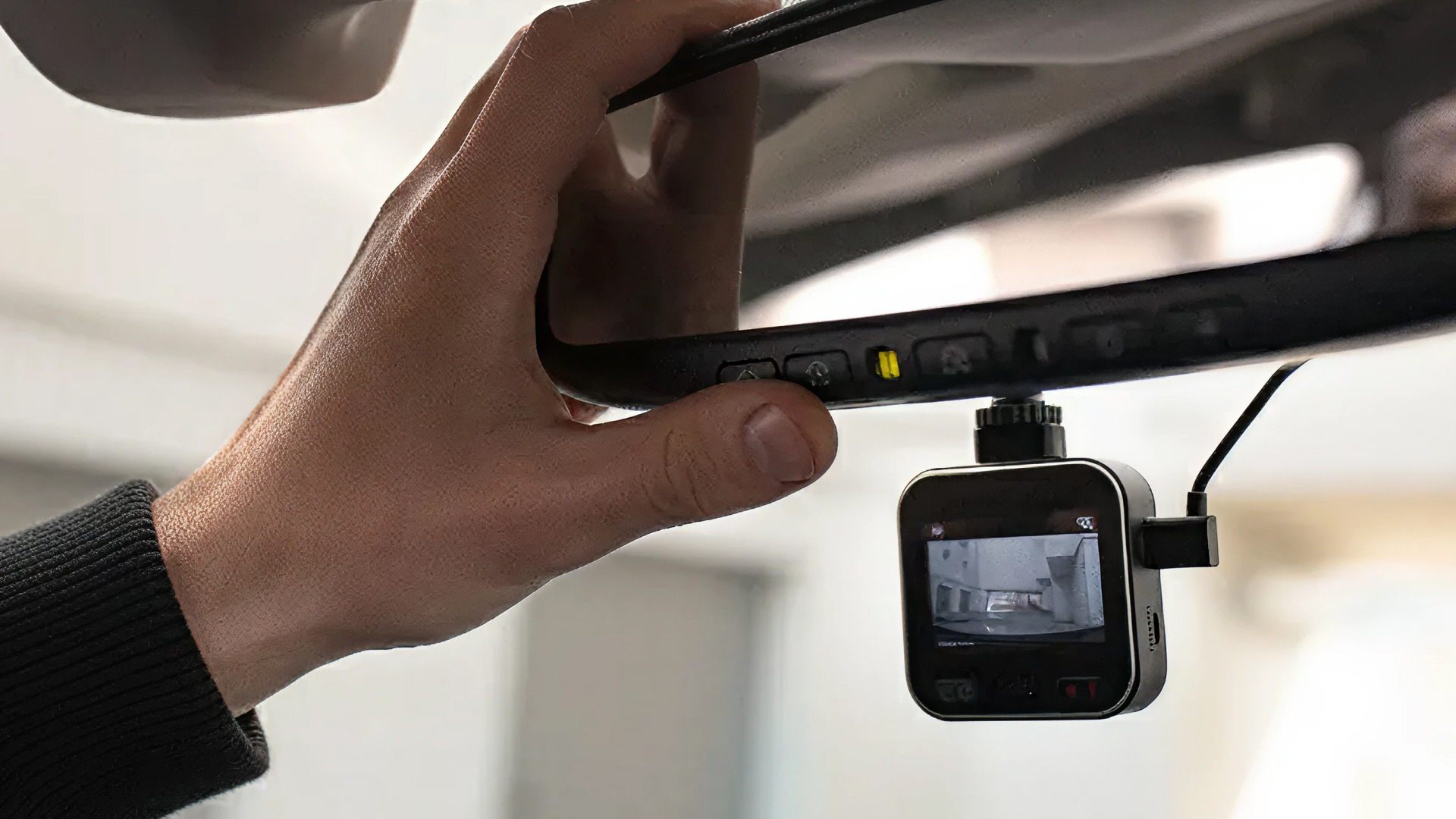
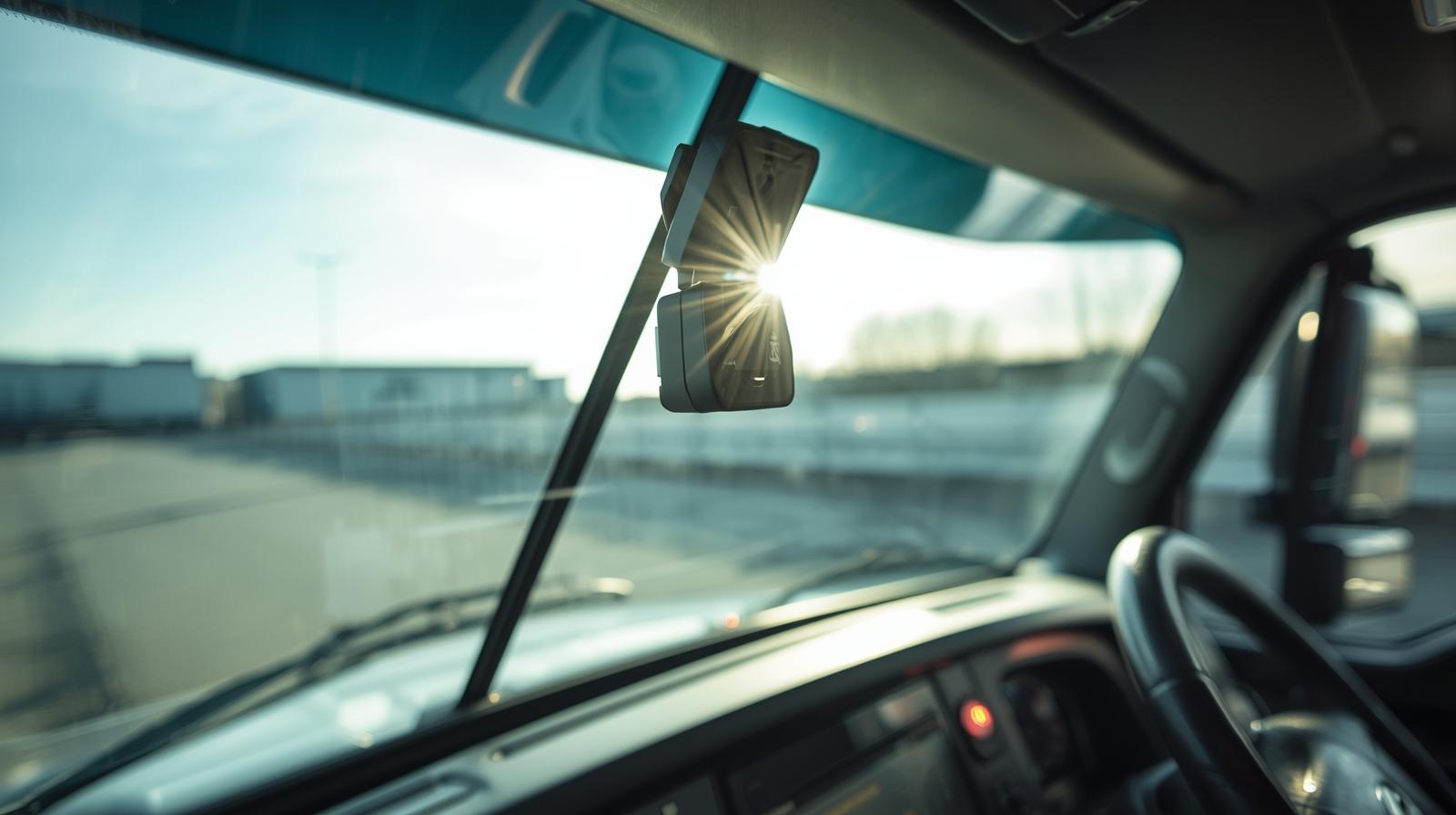
Safety workflows are another area where paper is disappearing fast. Digital DVIRs remove the delays and inconsistencies of handwritten inspection forms. When DVIRs are digital, they can be tied directly to duty status, tracked for completion, and escalated instantly if a defect is found. Many fleets are also adding video safety systems that automatically capture incidents and harsh events. That creates a chain of safety proof that paper could never match, and it protects both the company and the driver in disputes.
Maintenance automation is the next critical layer. Paper maintenance logs don’t scale because they depend on someone remembering to track everything manually. Digital maintenance workflows instead use mileage, engine data, and scheduled service standards to trigger reminders and tickets automatically. Repair history is stored by unit, inspections can be standardized, and fault codes can be monitored before failures occur. The result is fewer breakdowns, less downtime, and a clearer operational record of vehicle readiness.
Finally, document capture and back-office sync complete the paperless transition. Most fleets still lose money not because they don’t have ELDs, but because paperwork doesn’t arrive fast enough for billing. When drivers can capture PODs, bills of lading, receipts, and detention notes directly from their phone, those documents are immediately available for billing. That speeds up invoicing, reduces rejected claims, and removes the waiting problem that hits cashflow hardest.
What fleets gain when paper disappears
The biggest operational improvement most fleets feel after removing paper is faster billing. Paper slows revenue through missing or late documents. When documentation is digital, captured at delivery, and linked to the trip, invoices go out sooner. That reduces aging receivables, increases cashflow stability, and cuts the time billing teams spend chasing drivers for proof. Even small reductions in time-to-invoice translate into major financial wins across high load volume.
Paperless operations also reduce disputes. When timestamps, GPS locations, and digital documents are tied together automatically, you no longer argue over what happened. You prove it. Proof of delivery timing, detention start and end, lumper payment records, and incident timelines are visible and verifiable. Customers push back less when proof is immediate. And your staff spends less time in arguments that drain resources.
Compliance improves as well. Digital workflows make audits easier because everything is consistent, searchable, and exportable quickly. Log edits are traceable, DVIRs are standardized, and trip documents are organized. Fleets no longer need to scramble to assemble records from paper folders, messages, or spreadsheets. Audits become controlled procedures instead of emergency projects.
Drivers and dispatch benefit in everyday ways that are just as important. When the workflow is mobile-first, drivers don’t feel buried under paperwork. They complete tasks quickly inside one app, without confusion about where forms go or what dispatch needs. Dispatch gains real-time status without constant check-ins. The operation becomes smoother not through extra effort, but through fewer interruptions.
Before vs. after: what paperless looks like in real life
Proof of delivery and billing
Before (paper): A driver delivers a load and gets a signed POD on paper. The POD sits in a trip folder until the driver returns to a yard or terminal. Billing can’t invoice without it, so the load stays open in the system. If the POD is missing, damaged, or unreadable, billing calls the driver and waits again. The invoice goes out late, and cashflow slows.
After (digital): The driver delivers the load and captures the POD on the mobile app before leaving the dock. The document uploads automatically and attaches to the trip. Billing sees it instantly and invoices the same day. If a customer disputes delivery or timing, the record includes proof tied to the trip’s time and location.
DVIR and safety defects
Before (paper): A driver completes a DVIR on paper. The form is dropped into a folder or box, then reviewed later. Defects might not be seen by maintenance for days. If the form is lost, there’s no proof of inspection, which creates risk in an audit.
After (digital): The driver completes DVIR in the app in minutes. Reports are time-stamped, tied to duty status, and saved to the vehicle record. If a defect is marked, the system alerts maintenance immediately. Safety and compliance have a clean inspection history ready at any time.
Dispatch visibility and ETAs
Before (paper and calls): Dispatch plans loads based on last known truck positions. Drivers call in status updates. Dispatch calls again for ETAs. Customers request updates, and dispatch relays them manually. When timing changes, deadhead and dwell increase.
After (real-time tracking): Dispatch sees live location and duty status. ETAs update automatically. Customers receive accurate delivery windows without repeated check-ins. Dispatch assigns loads based on real proximity and available hours, reducing deadhead and improving service.
Maintenance scheduling
Before (paper and reactive): Service is tracked in notebooks or spreadsheets. Intervals get missed. Trucks fail unexpectedly on the road. Repair costs rise, loads delay, and customer claims follow.
After (digital and preventive): The system tracks mileage and engine data. Service reminders trigger automatically. Work orders are logged per unit, and repair history is searchable. Surprise breakdowns decrease and uptime improves.
How to transition before 2026 (a practical playbook)
A paperless transition fails when fleets try to change everything at once or digitize messy processes without fixing them. The most stable approach is step-by-step, focused on removing the biggest paper bottlenecks first while keeping workflows simple for drivers.
Start by mapping every paper-based choke point. List every form, spreadsheet, and manual approval step — including “hidden paper” like photos texted to dispatch, handwritten detention notes, or receipts that are collected later. Then rank each item by how much delay it creates and how much compliance risk it carries. This prioritization prevents wasted effort and gets you wins early.
Next, consolidate into one platform wherever possible. Fleets that assemble patchwork stacks often recreate paper chaos in digital form. Drivers log into multiple apps, dispatch reconciles conflicting ETAs, and back-office teams do exports and re-uploads just to keep data consistent. One connected system avoids those silos by ensuring every module shares one trip record.
Driver adoption is the third and most important step. If drivers can’t use the workflow easily, nothing else matters. Training must be short, visual, and based on real daily tasks. Show drivers what to do, when to do it, and how it protects them. When digital tasks take seconds and remove paperwork, drivers adopt quickly because the workflow helps them.
Then automate standards, not workarounds. A paperless transition is the perfect moment to simplify operations. Create clear digital rules for DVIR timing, POD capture, detention documentation, HOS edit policy, and incident reporting. Digitizing a broken process just makes a broken process faster. Fixing the process first makes digitization successful.
Finally, track adoption weekly. Paperless success is measurable. Watch missing document rates, time-to-invoice, HOS violation frequency, edit patterns, and preventive maintenance completion. If those numbers improve, your fleet is moving toward full digitization. If they don’t, you know exactly where to adjust training or workflow design.
Common objections to going paperless (and real answers)
“Drivers won’t adopt it.”
This fear is valid if the system is clunky. But adoption problems usually come from workflow design, not driver attitude. Drivers don’t resist digital tools because they love paper. They resist tools that add steps or slow them down. When logs, inspections, and documents live in one mobile workflow and take seconds, drivers quickly prefer it because it removes daily paperwork stress.
“Paper is our backup. What if the system goes down?”
Paper backups don’t protect fleets in modern compliance. They create mismatches between manual notes and electronic records. The real backup is reliable cloud storage and offline modes that queue data until signal returns. That keeps one consistent truth instead of two competing ones.
“We’re too busy to switch right now.”
Transitions hurt most when fleets try to change everything at once. A staged rollout solves this. Start with the paper processes that create the biggest delays (often POD capture and DVIR). Each digitized step gives time back to your operation, making the next step easier.
“We already use multiple tools — it works.”
Patchwork stacks “work” only because your team does invisible manual labor to reconcile data. That hidden labor shows up as phone calls, exports, and re-typing. Consolidation cuts that labor by removing mismatch and duplication. The savings are in time, speed, and fewer errors — not just tech costs.
“Fully digital sounds expensive.”
Paper looks cheap because its cost is buried. It’s in delayed invoices, rejected claims, violations, and downtime. Digital workflows pay for themselves through faster time-to-invoice, fewer disputes, lower compliance risk, and reduced breakdown costs. At fleet scale, even small improvements produce clear ROI.
Why Ezlogz supports fully digital fleets
Many fleets get stuck because they adopt single-purpose tools that don’t connect. They end up with ELD data in one system, GPS in another, dispatch in spreadsheets, and documents somewhere outside everything. That fragmentation is exactly where paper survives. A paperless fleet needs one coordinated workflow, not scattered apps.
Ezlogz is built around consolidation — the idea that paperless trucking only works if ELD, tracking, safety, dispatch, maintenance, and documents share the same operational truth. When all the modules live inside one system, every department stops duplicating work and starts operating from the same trip record. That is how paper disappears for real, not just on the surface.
Ezlogz also focuses on driver usability. A paperless workflow only works if drivers can run it quickly. When the driver app handles logbooks, inspections, and trip tasks in one place, drivers don’t need to juggle multiple apps or remember different processes. That simplicity turns paperless from a policy into a daily habit.
For fleets that already have internal systems they want to keep, Ezlogz supports integration so compliance and operational data can flow into existing tools without breaking the single-source-of-truth model. That allows fleets to digitize without throwing away infrastructure they still need.
Final thoughts
Paper logs aren’t disappearing because trucking decided to “go digital.” They’re disappearing because paper can’t keep up with modern fleet expectations. Fleets need speed, proof, visibility, and compliance at scale. Paper provides none of that consistently. It delays billing, increases audit risk, and forces dispatch to operate blind. In a tight-margin environment, those weaknesses are not sustainable.
Fleets that transition early will not be scrambling in 2026. They’ll already be running cleaner operations with faster invoicing, fewer violations, better safety proof, and stronger dispatch performance. Paperless isn’t a future upgrade — it’s the operational model competitive fleets are adopting now.
If your goal is to remove paper without disrupting drivers or creating chaos in dispatch, the path is clear: consolidate systems, digitize trip-linked workflows, train drivers mobile-first, standardize processes, and measure adoption weekly. Do that now, and 2026 becomes a milestone you’re ready for — not a deadline you’re racing against.