

Contents
- How GPS Truck Tracking Works
- From Basic Tracking to Full Fleet Management
- Real-World Applications for U.S. Truck Fleets
- Key Benefits for Fleet Owners and Drivers
- GPS Devices and Technology in Today’s Trucks
- Data, Analytics, and Smarter Decisions
- Addressing Implementation and Driver Concerns
- Final Thoughts
- FAQ
The trucking industry in the United States is changing fast. Rising fuel prices, tighter federal regulations, driver shortages, and constant pressure to deliver on time are pushing fleets to work smarter, not harder. For fleet owners and long-haul drivers alike, visibility and control over daily operations have become essential. That’s where GPS-based truck tracking has moved from being a “nice-to-have” to a core tool in modern fleet management.
This article breaks down how GPS truck tracking works, how it’s used in real-world U.S. fleet operations, and why integrated fleet management platforms are becoming standard across the industry.
How GPS Truck Tracking Works
GPS tracking uses satellite signals to pinpoint a truck’s location in real time. A GPS device installed in the truck sends location data to fleet management software through cellular or satellite networks. From there, fleet owners, dispatchers, and managers can see where trucks are, how they’re moving, and how efficiently they’re operating.
When GPS tracking is combined with telematics, the system delivers much more than dots on a map. It provides insight into engine diagnostics, fuel usage, driver behavior, idle time, and compliance data. For fleets running across multiple states, this turns day-to-day operations into measurable, manageable data.
From Basic Tracking to Full Fleet Management
Early GPS systems focused only on location. Today’s fleet management platforms are designed to handle the full picture of fleet operations. Modern systems combine GPS tracking with:
- Route planning and optimization
- ELD and Hours of Service (HOS) compliance
- Maintenance scheduling
- Fuel and idle monitoring
- Driver messaging and alerts
- Performance and cost analytics
For U.S. fleet owners dealing with DOT audits, fuel volatility, and tight delivery windows, having everything in one system reduces guesswork and improves decision-making.
Real-World Applications for U.S. Truck Fleets
GPS tracking plays a role in almost every part of fleet operations. Real-time tracking helps dispatchers assign loads more accurately and react quickly to traffic, weather, or breakdowns. Route optimization tools help reduce unnecessary miles, which directly impacts fuel costs – one of the biggest expenses for any fleet.
For customers, GPS tracking improves transparency. Accurate ETAs and live shipment updates build trust and reduce inbound calls asking, “Where’s my load?” For long-haul drivers, optimized routes and clear communication reduce stress and wasted time.
Other common applications include:
- Geofencing, which alerts managers when trucks enter or leave terminals, yards, or customer locations
- Asset and trailer tracking, reducing theft and lost equipment
- Idle time monitoring, helping fleets cut fuel waste
Key Benefits for Fleet Owners and Drivers
Better Fuel Efficiency and Cost Control
Fuel is one of the largest operating costs in trucking. GPS tracking helps fleets cut fuel expenses by reducing idle time, optimizing routes, and identifying inefficient driving patterns. Even small improvements per truck can add up to major savings across an entire fleet.
Improved Safety on the Road
When GPS tracking is paired with telematics, fleets can monitor behaviors like speeding, harsh braking, and aggressive acceleration. This isn’t about micromanagement – it’s about identifying risks early and providing coaching where needed. Safer driving reduces accidents, downtime, and insurance costs, while helping drivers get home safely.
Easier DOT and ELD Compliance
For U.S. fleets, compliance with FMCSA regulations is non-negotiable. GPS-based systems that integrate with ELDs automatically track Hours of Service, create audit-ready logs, and reduce paperwork. This lowers the risk of violations, fines, and out-of-service orders during roadside inspections.
Smarter Maintenance Planning
Breakdowns are expensive and disruptive. GPS tracking platforms collect data on engine performance, mileage, and usage patterns. This allows fleet managers to schedule preventive maintenance before small issues turn into major repairs, keeping trucks on the road longer and extending vehicle life.
Clearer Operational Visibility
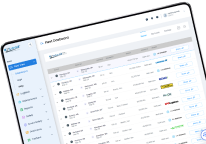
Centralized dashboards give fleet owners a real-time view of the entire operation – where trucks are, how they’re performing, and where costs are creeping up. This visibility makes it easier to scale operations, negotiate better contracts, and respond quickly when something goes off plan.
GPS Devices and Technology in Today’s Trucks
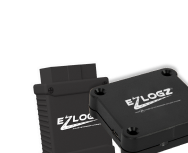
GPS tracking devices come in several forms, including hardwired units, plug-and-play devices, and battery-powered trackers designed for trailers and other mobile assets. Each option serves a different operational need, balancing factors such as installation effort, power source, and tracking frequency. Most U.S. fleets rely on cellular networks to transmit location and vehicle data in near real time, as cellular coverage is widely available and cost-effective for everyday operations. For fleets operating in remote or hard-to-reach regions, satellite-based tracking provides an alternative, ensuring visibility even where cellular signals are limited or unavailable.
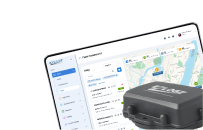
Modern tracking systems go beyond simple location reporting by pairing GPS hardware with intuitive mobile apps and cloud-based dashboards. These platforms allow drivers to view routes, assignments, and performance data directly from the cab, while managers can monitor fleet activity, analyze trends, and respond to issues from the office or on the go. By centralizing data and making it accessible to all stakeholders, GPS tracking systems support better decision-making, improve operational efficiency, and strengthen communication across the entire fleet.
Data, Analytics, and Smarter Decisions
The real value of GPS tracking shows up in the data. Fleet management platforms analyze location history, fuel usage, idle time, maintenance cycles, and driver performance. Over time, this data helps fleets spot trends, benchmark performance, and make informed decisions that improve profitability.
Instead of relying on gut instinct, fleet owners can base decisions on real numbers.
Addressing Implementation and Driver Concerns
Adopting GPS tracking does require planning. Upfront costs, system integration, and training all matter. Just as important is driver buy-in. Clear communication about how data is used – focused on safety, efficiency, and compliance rather than punishment – goes a long way toward building trust.
Data security is also critical. Reputable platforms use encryption and access controls to protect sensitive operational and personal information.
Final Thoughts
For U.S. truck fleet owners and long-haul drivers, GPS-based truck tracking has become a practical tool for staying competitive in a demanding industry. When combined with an integrated fleet management platform, GPS tracking improves efficiency, supports compliance, enhances safety, and helps control costs.
In an industry where margins are tight and regulations are strict, turning real-time data into actionable insight is no longer optional – it’s how successful fleets stay on the road and ahead of the curve.
Ezlogz helps U.S. fleets simplify operations with smart, integrated fleet management solutions built for real-world trucking challenges.
FAQ
What is GPS-based truck tracking and how does it work?
GPS-based truck tracking uses satellite signals to determine a vehicle’s location in real time. GPS devices installed in trucks transmit location and performance data to centralized fleet management software, where the information is analyzed and displayed through dashboards and reports.
Is GPS tracking suitable for small and mid-sized fleets?
Yes. GPS tracking systems are scalable and can be adapted to fleets of all sizes. Small and mid-sized operators benefit from improved visibility, cost control, and compliance automation without requiring extensive administrative resources.
How does GPS tracking improve fuel efficiency?
GPS tracking improves fuel efficiency by enabling route optimization, reducing idle time, and identifying inefficient driving behaviors. These insights allow fleet managers to implement corrective measures that lower fuel consumption and operating costs.
Does GPS tracking help with regulatory compliance?
GPS tracking systems, particularly when integrated with ELD and HOS monitoring, support compliance by automating data collection and reporting. This reduces the risk of violations, simplifies audits, and ensures adherence to transportation regulations.
Can GPS tracking enhance driver safety?
Yes. By monitoring driving behaviors such as speeding, harsh braking, and excessive driving hours, GPS tracking systems promote safer driving practices and support targeted training initiatives, contributing to reduced accident rates.
What data security measures are associated with GPS tracking systems?
Modern fleet management platforms employ encryption, access controls, and secure data storage to protect sensitive information. Compliance with data protection regulations is essential to ensure ethical and lawful use of tracking data.
What challenges should organizations consider before implementation?
Organizations should evaluate implementation costs, system integration requirements, driver acceptance, and data privacy considerations. Clear communication and training are critical to ensuring successful adoption and long-term effectiveness.
Tracking trucks with GPS devices has become an indispensable element of modern fleet management. When embedded within integrated fleet management platforms, GPS tracking delivers measurable improvements in efficiency, safety, compliance, and cost control. By transforming real-time data into actionable insights, these systems enable fleet operators to navigate regulatory complexity, optimize operations, and sustain competitiveness in an increasingly demanding logistics landscape.