


Сontents
- Understanding the True Cost of Fleet Operations
- What Is GPS Fleet Tracking?
- Reduce Fuel Costs Through Route Optimization
- Minimize Fuel Waste with Idle Monitoring
- Improve Driver Behavior and Reduce Risk
- Lower Maintenance Costs with Preventive Service
- Increase Fleet Productivity
- Reduce Administrative Costs Through Automation
- Improve Regulatory Compliance
- Enhance Customer Service
- Protect Fleet Assets
- Use Fleet Analytics to Make Better Business Decisions
- Why Integrated Fleet Management Software Delivers Greater Value
- Choosing the Right GPS Fleet Tracking Solution
- FAQ:
Managing a fleet has never been more challenging. Rising fuel prices, increasing maintenance expenses, labor shortages, and stricter compliance requirements continue to put pressure on businesses across the transportation, logistics, construction, and field service industries. While some operating costs are unavoidable, many expenses result from inefficiencies that can be identified and eliminated with the right technology.
GPS fleet tracking has evolved far beyond simply showing where vehicles are located. Today’s solutions provide real-time visibility into fleet operations, helping managers optimize routes, improve driver performance, reduce fuel consumption, automate maintenance schedules, and make data-driven decisions. By addressing multiple cost factors simultaneously, GPS tracking has become one of the most effective tools for improving operational efficiency and lowering fleet operating costs.
Understanding the True Cost of Fleet Operations
Many businesses focus primarily on fuel expenses when evaluating fleet costs, but the total cost of ownership includes much more than what drivers spend at the pump.
Fuel Expenses
Fuel typically represents one of the largest ongoing expenses for fleet operators. Even minor inefficiencies, such as unnecessary detours, excessive idling, traffic delays, or aggressive driving, can significantly increase fuel consumption over time. As fuel prices fluctuate, improving fuel efficiency becomes a priority for organizations seeking to maintain profitability.
Vehicle Maintenance
Every vehicle requires routine servicing to remain safe and reliable. Oil changes, brake replacements, tire maintenance, inspections, and unexpected repairs all contribute to operating costs. Delaying maintenance often leads to more expensive repairs and longer periods of vehicle downtime.
Labor Costs
Drivers, dispatchers, fleet managers, and administrative staff all contribute to fleet operations. Poor scheduling, inefficient dispatching, and unnecessary overtime can increase labor costs while reducing overall productivity.
Compliance Costs
Commercial fleets must comply with numerous federal and state regulations, including Hours of Service (HOS), electronic logging, vehicle inspections, and maintenance documentation. Manual compliance processes can consume valuable time and increase the risk of costly violations.
Vehicle Downtime
When vehicles are unavailable due to breakdowns or maintenance issues, businesses may experience missed deliveries, delayed service appointments, and reduced customer satisfaction. Minimizing downtime is essential for maintaining operational efficiency.
What Is GPS Fleet Tracking?
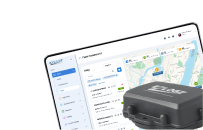
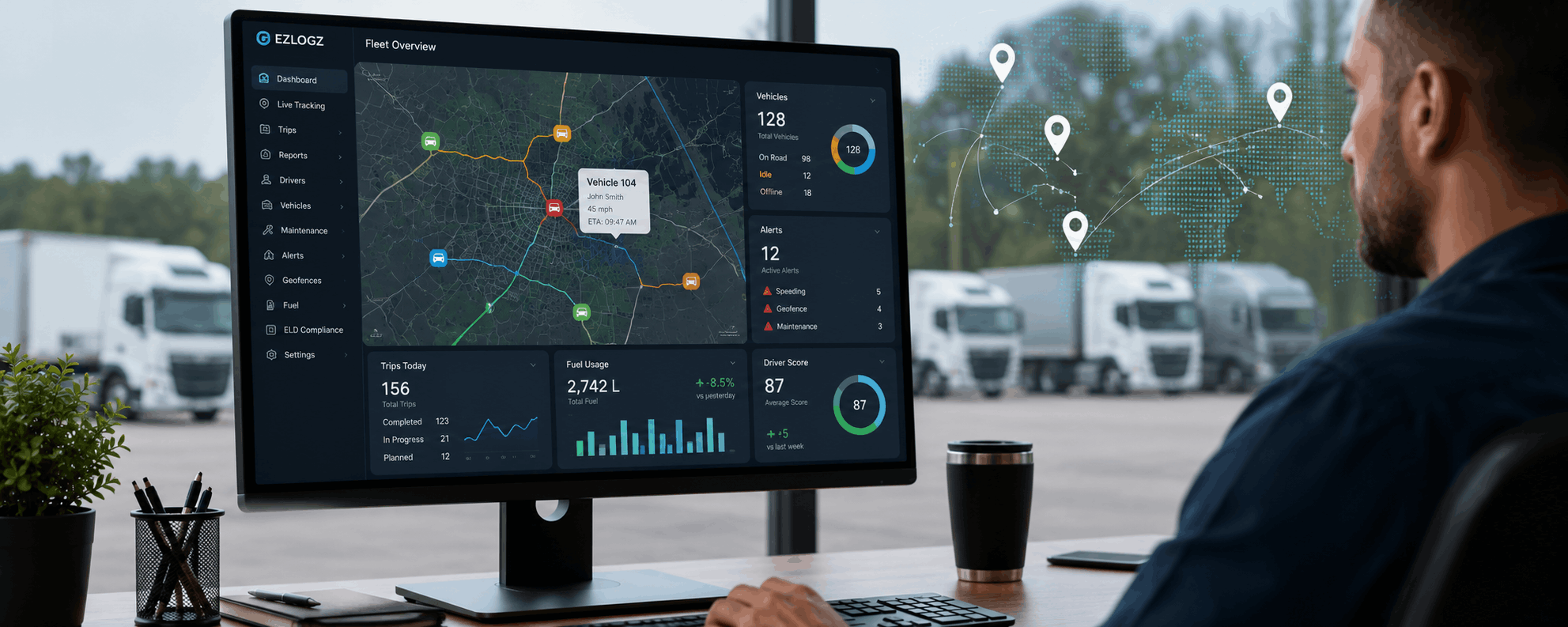
GPS fleet tracking uses satellite technology combined with vehicle-installed tracking devices to monitor fleet activity in real time. Information collected from vehicles is transmitted to cloud-based fleet management software, allowing managers to monitor operations from virtually anywhere through desktop or mobile applications.
How GPS Fleet Tracking Works
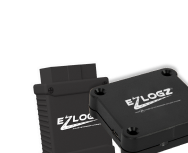
Each vehicle is equipped with a GPS tracking device that records location, speed, movement, and operational data. This information is securely transmitted through cellular networks to a centralized platform, where fleet managers can review live vehicle locations, historical trips, and performance reports.
Real-Time Fleet Visibility
Modern GPS tracking solutions allow businesses to monitor:
- Vehicle locations
- Current routes
- Driver behavior
- Idle time
- Speed
- Mileage
- Trip history
- Arrival estimates
Having instant access to this information allows managers to make faster operational decisions and quickly respond to changing conditions.
Key Benefits of GPS Fleet Tracking
GPS technology helps businesses:
- Improve operational visibility
- Reduce unnecessary expenses
- Increase fleet productivity
- Enhance driver accountability
- Improve customer service
- Support regulatory compliance
Reduce Fuel Costs Through Route Optimization
Route optimization is one of the fastest ways GPS tracking reduces operating expenses.
Plan More Efficient Routes
GPS software calculates efficient routes based on distance, travel time, and current road conditions. Drivers spend less time on the road while completing more deliveries each day.
Avoid Traffic Delays
Real-time traffic updates help drivers avoid congestion, accidents, construction zones, and road closures. Instead of sitting in traffic, vehicles can be redirected to faster routes that save both time and fuel.
Eliminate Empty Miles
GPS tracking enables dispatchers to assign nearby vehicles to new jobs, reducing unnecessary travel without cargo or passengers. Better route planning also helps maximize vehicle utilization.
Improve Dispatch Efficiency
With live vehicle locations available at all times, dispatchers can make informed decisions about assigning drivers, adjusting routes, and responding to last-minute customer requests.
Minimize Fuel Waste with Idle Monitoring
Excessive idling often goes unnoticed but can quietly increase operating costs across an entire fleet.
Why Excessive Idling Is Expensive
Vehicles consume fuel even when they are not moving. Long periods of idling also contribute to engine wear, increased emissions, and more frequent maintenance.
Idle Monitoring Features
GPS tracking software automatically records idle events and provides detailed reports that identify vehicles spending excessive time stationary with engines running.
Setting Idle Time Policies
Fleet managers can establish acceptable idle limits and receive automatic alerts whenever drivers exceed those thresholds.
Using Idle Reports to Improve Efficiency
Idle reports help identify patterns that allow businesses to coach drivers, improve scheduling, and reduce unnecessary fuel waste.
Improve Driver Behavior and Reduce Risk
Driver performance directly affects operating costs.
Monitor Speeding
Speeding increases fuel consumption while also increasing accident risk. GPS tracking allows managers to identify speeding events and coach drivers toward safer habits.
Reduce Harsh Braking
Frequent harsh braking accelerates brake wear and may indicate distracted or aggressive driving. Monitoring these events helps reduce maintenance expenses while improving safety.
Prevent Rapid Acceleration
Aggressive acceleration places additional stress on engines and drivetrains while consuming more fuel. Driver coaching can significantly improve long-term operating efficiency.
Encourage Driver Accountability
Performance scorecards provide objective insights into each driver’s habits, encouraging safer and more efficient driving through coaching and incentive programs.
Driver Performance Reporting
Comprehensive reports make it easier to identify top-performing drivers while providing additional training opportunities for those needing improvement.
Lower Maintenance Costs with Preventive Service
Unexpected breakdowns are expensive and disruptive. GPS tracking helps businesses move from reactive repairs to preventive maintenance.
Automate Maintenance Scheduling
Service reminders based on mileage, engine hours, or time intervals ensure maintenance is completed before serious problems develop.
Track Mileage and Engine Hours
Automatic tracking eliminates manual recordkeeping and helps maintenance teams schedule servicing at the appropriate intervals.
Detect Issues Before They Become Major Repairs
Consistent maintenance records help identify recurring problems before they result in costly mechanical failures.
Extend Vehicle Lifespan
Well-maintained vehicles remain reliable longer, reducing replacement costs and maximizing return on investment.
Reduce Unexpected Downtime
Preventive maintenance minimizes roadside breakdowns, allowing fleets to remain productive and avoid costly service interruptions.
Increase Fleet Productivity
Real-time visibility enables managers to improve efficiency throughout daily operations.
Optimize Dispatch Operations
Knowing the exact location of every vehicle allows dispatchers to assign the nearest available driver, reducing travel time and improving response speed.
Improve Vehicle Utilization
GPS tracking identifies underused vehicles, allowing businesses to balance workloads more effectively across the fleet.
Monitor Fleet Performance in Real Time
Managers gain instant insight into vehicle activity, completed jobs, route progress, and delivery status throughout the day.
Reduce Time Spent on Administrative Tasks
Automated reporting eliminates many manual processes, allowing staff to focus on higher-value operational activities.
Reduce Administrative Costs Through Automation
Administrative tasks can consume significant time when handled manually.
Digital Trip Reports
Automatically generated trip histories eliminate manual logbooks.
Automated Mileage Tracking
Mileage reports are generated without requiring drivers to record odometer readings.
Electronic Driver Records
Driver activity is stored digitally, simplifying reporting and recordkeeping.
Fuel Usage Reports
Managers can monitor fuel efficiency across the fleet and identify opportunities for improvement.
Maintenance Documentation
Digital maintenance histories simplify inspections, audits, and long-term fleet planning.
Improve Regulatory Compliance
Fleet compliance becomes much easier when operational data is collected automatically.
Electronic Logging Devices (ELDs)
GPS platforms integrated with ELD technology help simplify Hours of Service compliance and reduce paperwork.
Hours of Service Monitoring
Automatic tracking minimizes logbook errors while helping drivers remain compliant with regulations.
Driver Vehicle Inspection Reports (DVIRs)
Digital inspections improve accountability while ensuring maintenance issues are addressed promptly.
Simplifying Compliance Audits
Centralized documentation allows businesses to quickly produce records during inspections or regulatory audits.
Enhance Customer Service
Operational efficiency directly influences customer satisfaction.
Provide Accurate ETAs
Real-time tracking allows businesses to provide more accurate arrival estimates for deliveries and service appointments.
Improve Delivery Reliability
Optimized routing reduces delays and improves on-time performance.
Enable Real-Time Customer Updates
Many fleet management platforms support customer notifications regarding delivery progress and arrival times.
Increase Customer Satisfaction
Reliable service strengthens customer relationships and encourages repeat business.
Protect Fleet Assets
GPS tracking improves vehicle security and helps reduce financial losses.
Geofencing
Managers can establish virtual boundaries and receive alerts whenever vehicles enter or leave designated areas.
Unauthorized Vehicle Use Alerts
Automatic notifications identify after-hours or unauthorized vehicle movement.
Route Deviation Notifications
Unexpected route changes can be detected immediately, helping managers respond quickly.
Theft Prevention and Recovery
Real-time location tracking increases the likelihood of recovering stolen vehicles.
Vehicle Movement History
Detailed location history provides valuable information for investigations and operational reviews.
Use Fleet Analytics to Make Better Business Decisions
Data is one of the greatest advantages of GPS fleet tracking.
Fuel Consumption Reports
Identify high-cost vehicles and opportunities to improve efficiency.
Driver Scorecards
Evaluate driver performance using objective operational data.
Idle Time Analysis
Measure idle trends across the fleet to reduce unnecessary fuel consumption.
Route Performance Reports
Analyze route efficiency to improve planning and scheduling.
Vehicle Utilization Metrics
Determine whether fleet assets are being used effectively.
Maintenance History Reports
Monitor repair trends to improve long-term maintenance planning.
Why Integrated Fleet Management Software Delivers Greater Value
GPS tracking becomes even more valuable when integrated with other fleet management technologies.
GPS Tracking and ELD Integration
Combining GPS tracking with Electronic Logging Devices simplifies regulatory compliance and reduces administrative work.
AI Dash Cameras
Video evidence improves driver coaching, supports accident investigations, and enhances fleet safety.
Maintenance Management
Integrated maintenance scheduling helps prevent costly breakdowns while extending vehicle lifespan.
Dispatch Software
Real-time dispatch tools improve communication, optimize schedules, and maximize productivity.
Mobile Fleet Management
Mobile applications allow managers to monitor operations, receive alerts, and respond to issues from virtually anywhere.
Benefits of an All-in-One Platform
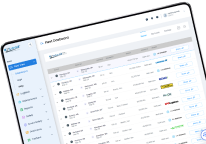
Using a single integrated fleet management platform eliminates disconnected systems, centralizes operational data, and provides a complete view of fleet performance. This enables faster decision-making, better collaboration, and more effective cost control.
Choosing the Right GPS Fleet Tracking Solution
Not every GPS tracking platform offers the same capabilities. Businesses should evaluate solutions based on their operational needs and long-term growth plans.
Look for features such as real-time vehicle tracking, route optimization, driver behavior monitoring, maintenance scheduling, customizable reporting, mobile accessibility, integration with ELDs and dispatch software, strong customer support, and a scalable platform that can grow alongside your fleet.
Selecting the right solution ensures that your organization not only reduces operating costs today but also builds a stronger foundation for future efficiency and profitability.
FAQ:
GPS tracking helps reduce costs by optimizing routes, minimizing fuel consumption, reducing idle time, improving driver behavior, preventing unnecessary mileage, and supporting preventive vehicle maintenance.
Yes. GPS software identifies inefficient routes, excessive idling, speeding, and unnecessary detours, helping businesses improve fuel efficiency and lower fuel expenses.
Route optimization selects faster and shorter routes based on traffic conditions, road closures, and delivery schedules. This reduces travel time, fuel usage, and vehicle wear while increasing daily productivity.
Absolutely. Automatic maintenance reminders based on mileage or engine hours help fleets perform preventive service before small issues become costly repairs.
GPS tracking monitors behaviors such as speeding, harsh braking, rapid acceleration, and excessive idling. Managers can use this information to coach drivers and encourage safer driving habits.
Excessive idling wastes fuel, increases emissions, and accelerates engine wear. Monitoring idle time helps businesses identify unnecessary fuel consumption and improve operational efficiency.
Yes. Many GPS tracking platforms integrate with Electronic Logging Devices (ELDs), Hours of Service monitoring, and Driver Vehicle Inspection Reports (DVIRs), helping businesses meet regulatory requirements more efficiently.
Yes. Businesses of all sizes can benefit from GPS tracking by improving visibility, reducing operating costs, increasing productivity, and making more informed management decisions.
Most modern GPS fleet tracking solutions integrate with dispatch software, maintenance management systems, ELDs, AI dash cameras, and reporting tools, creating a centralized fleet management platform.
For most businesses, the savings generated through lower fuel costs, improved maintenance planning, better driver performance, increased productivity, and reduced downtime often provide a strong return on investment while improving overall fleet efficiency.
Comments