

Contents:
- What Is ROI in Fleet Management?
- Understanding the Costs of Fleet Tracking Software
- Identify the Financial Benefits
- Key Metrics to Measure ROI
- Example ROI Calculation
- Benefits That Are Harder to Measure
- How Integrated Fleet Management Increases ROI
- Tips for Maximizing Fleet Tracking ROI
- Why ROI Continues to Improve Over Time
- FAQ:
Investing in fleet tracking software is about more than adding new technology to your vehicles—it’s about improving operational efficiency and reducing long-term operating costs. While the upfront investment may seem significant, many fleets quickly realize measurable returns through lower fuel expenses, improved driver performance, fewer maintenance issues, and increased productivity.
The challenge for many fleet managers is understanding exactly how to measure those savings. Calculating return on investment (ROI) helps determine whether your fleet tracking solution is delivering real business value and identifies areas where additional improvements can be made.
This guide explains how to calculate the ROI of fleet tracking software and the key metrics every fleet manager should monitor.
What Is ROI in Fleet Management?
Return on investment (ROI) measures how much financial value an investment generates compared to its total cost. In fleet management, ROI evaluates whether the savings created by fleet tracking software outweigh the costs of purchasing, implementing, and maintaining the system.
The basic ROI formula is:
ROI (%) = [(Total Financial Benefits – Total Investment Cost) ÷ Total Investment Cost] × 100
A positive ROI indicates that the software is generating more value than it costs, while a higher percentage reflects a greater return on the investment.
Understanding the Costs of Fleet Tracking Software
Before calculating ROI, it’s important to identify every cost associated with implementing the solution.
Hardware Costs
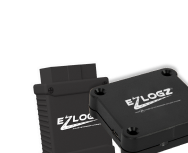
Many fleet tracking systems require GPS devices installed in each vehicle. Depending on the provider, hardware may include GPS trackers, Electronic Logging Devices (ELDs), AI dash cameras, or other telematics equipment.
Software Subscription Fees
Most modern fleet management platforms operate on a monthly or annual subscription model. Pricing often depends on fleet size and the features included.
Installation Costs
Some systems require professional installation, while others offer plug-and-play devices that reduce deployment costs.
Training and Implementation
Introducing new technology may involve employee training, system configuration, and onboarding to ensure drivers and managers can effectively use the platform.
Ongoing Support
Technical support, software updates, and equipment maintenance should also be included when calculating the total investment.
Identify the Financial Benefits
The return on investment comes from measurable operational improvements across multiple areas of the business.
Lower Fuel Costs
Fuel is often the largest operating expense for commercial fleets. GPS tracking software reduces fuel consumption by helping businesses:
- Optimize routes
- Reduce unnecessary mileage
- Minimize idle time
- Improve dispatch efficiency
- Encourage fuel-efficient driving habits
Even a modest reduction in fuel usage across an entire fleet can produce substantial annual savings.
Reduced Vehicle Maintenance Expenses
Fleet tracking software supports preventive maintenance by monitoring mileage, engine hours, and service intervals.
Benefits include:
- Fewer emergency repairs
- Lower maintenance costs
- Reduced vehicle downtime
- Longer vehicle lifespan
- Improved asset value
Preventive maintenance is typically far less expensive than repairing major mechanical failures.
Improved Driver Productivity
Real-time vehicle visibility enables dispatchers to assign jobs more efficiently.
As a result, businesses often experience:
- More completed jobs per day
- Less time spent driving between locations
- Reduced overtime
- Faster response times
- Better workforce utilization
Improved productivity directly contributes to higher revenue without increasing fleet size.
Reduced Idle Time
Idling wastes fuel while increasing engine wear.
Fleet tracking software identifies:
- Excessive idle events
- Drivers who regularly exceed idle limits
- Locations where idling frequently occurs
By reducing idle time, businesses lower both fuel costs and maintenance expenses.
Lower Accident-Related Costs
Many fleet tracking platforms monitor driving behavior, including:
- Speeding
- Harsh braking
- Rapid acceleration
- Sharp cornering
Driver coaching based on this data can reduce accident frequency, lowering repair expenses, insurance claims, and vehicle downtime.
Administrative Savings
Automation reduces the time employees spend on paperwork and manual reporting.
Examples include:
- Digital trip reports
- Automated mileage logs
- Electronic driver records
- Maintenance tracking
- Fuel reporting
Administrative staff can focus on higher-value activities instead of repetitive data entry.
Key Metrics to Measure ROI
Tracking the right performance indicators is essential for calculating ROI accurately.
Fuel Consumption
Compare fuel usage before and after implementing fleet tracking software.
Monitor:
- Fuel cost per mile
- Total monthly fuel expense
- Average fuel economy
- Idle fuel consumption
Maintenance Costs
Measure:
- Monthly maintenance expenses
- Emergency repair costs
- Vehicle downtime
- Service frequency
Preventive maintenance should gradually reduce unexpected repair bills.
Vehicle Utilization
Evaluate:
- Daily vehicle usage
- Number of completed trips
- Fleet availability
- Empty mileage
Higher utilization means your fleet is generating more value from existing assets.
Driver Performance
Monitor:
- Speeding events
- Idle time
- Harsh braking
- Route adherence
- Safety scores
Improved driver behavior often leads to lower operating costs across multiple categories.
Delivery Performance
Customer service improvements can also contribute to ROI.
Track:
- On-time delivery percentage
- Average response time
- Missed appointments
- Customer complaints
Greater reliability often leads to stronger customer retention and increased revenue opportunities.
Example ROI Calculation
Consider a fleet operating 40 commercial vehicles.
Annual Investment
- GPS hardware: $12,000
- Software subscriptions: $14,400
- Installation and training: $3,600
Total annual investment: $30,000
Annual Savings
- Fuel savings: $18,000
- Maintenance savings: $9,500
- Reduced overtime: $7,500
- Lower accident costs: $6,000
- Administrative savings: $4,000
Total annual savings: $45,000
ROI Calculation
ROI = (($45,000 − $30,000) ÷ $30,000) × 100
ROI = 50%
In this example, the fleet earns $1.50 in value for every $1.00 invested during the first year.
Benefits That Are Harder to Measure
Not every benefit appears immediately on a financial statement.
Fleet tracking software also contributes to:
Improved Customer Satisfaction
More accurate ETAs and reliable service improve customer confidence and strengthen long-term relationships.
Better Regulatory Compliance
Integrated GPS tracking with ELDs and digital reporting helps reduce compliance risks and simplifies audits.
Increased Employee Accountability
Drivers understand that performance metrics are monitored objectively, encouraging greater responsibility and consistency.
Better Decision-Making
Access to real-time operational data enables managers to make faster, more informed decisions about routing, scheduling, maintenance, and resource allocation.
How Integrated Fleet Management Increases ROI
Fleet tracking software delivers even greater value when combined with other fleet management tools.
Electronic Logging Devices (ELDs)
Automatic Hours of Service tracking reduces paperwork while supporting regulatory compliance.
AI Dash Cameras
Video-based driver coaching helps reduce accidents and improve fleet safety.
Maintenance Management
Automated service scheduling minimizes breakdowns and extends vehicle lifespan.
Dispatch Software
Real-time dispatch improves route planning, communication, and vehicle utilization.
Reporting and Analytics
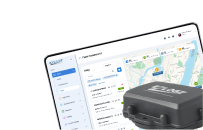
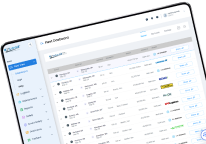
Centralized dashboards allow managers to monitor key performance indicators and continuously improve fleet operations.
An integrated fleet management platform eliminates disconnected systems, reducing administrative work while providing a complete picture of fleet performance.
Tips for Maximizing Fleet Tracking ROI
Simply installing GPS devices won’t guarantee results. Businesses should adopt best practices to maximize their return on investment.
- Establish clear performance goals before implementation.
- Track baseline metrics for fuel, maintenance, and productivity.
- Review reports regularly to identify improvement opportunities.
- Coach drivers using objective performance data.
- Automate maintenance scheduling to reduce unexpected repairs.
- Continuously optimize routes based on real-time conditions.
- Integrate fleet tracking with dispatch, compliance, and maintenance tools.
- Measure ROI quarterly to monitor long-term performance.
Why ROI Continues to Improve Over Time
Many fleets see positive returns within the first year, but the value of fleet tracking software often grows over time. As historical data accumulates, businesses gain deeper insights into driver behavior, vehicle performance, maintenance trends, and operational efficiency.
Continuous optimization helps organizations uncover additional cost-saving opportunities, improve resource allocation, and make more strategic decisions. The longer a fleet uses reliable tracking software, the more valuable its operational data becomes.
FAQ:
The ROI of fleet tracking software measures the financial return generated by the system compared to its total cost. Savings typically come from lower fuel consumption, reduced maintenance expenses, improved driver productivity, fewer accidents, and streamlined administrative processes.
Use this formula:
ROI (%) = [(Total Financial Benefits – Total Investment Cost) ÷ Total Investment Cost] × 100
Compare the total annual savings generated by the software against the total cost of hardware, subscriptions, installation, training, and ongoing support.
The timeline varies depending on fleet size, operational efficiency, and how actively the software is used. Many organizations begin seeing measurable savings within several months, while significant ROI is often achieved within the first year.
Fuel savings, preventive maintenance, reduced idle time, improved dispatch efficiency, safer driving habits, and lower administrative costs typically contribute the most to overall ROI.
Yes. Small and mid-sized fleets can realize meaningful savings by reducing fuel expenses, improving scheduling, automating maintenance, and increasing vehicle utilization. Even modest operational improvements can generate a strong return over time.
Absolutely. Integrating fleet tracking with ELDs, dispatch software, AI dash cameras, maintenance management, and reporting tools creates a more connected operation, helping businesses improve efficiency and unlock additional cost savings.
Important KPIs include fuel consumption, idle time, maintenance costs, vehicle utilization, driver safety scores, on-time delivery rates, overtime hours, and total operating cost per vehicle. Monitoring these metrics regularly helps ensure the software continues to deliver measurable business value.