

Contents:
- Why Choosing the Right GPS Tracking Solution Matters
- Define Your Fleet’s Needs
- Choose Between Basic GPS Tracking and a Complete Fleet Platform
- Evaluate Real-Time Tracking Accuracy
- Consider Route Optimization
- Look for Driver Management Features
- Evaluate Maintenance Capabilities
- Compare Reporting and Analytics
- Assess Mobile Accessibility
- Ensure Compliance Support
- Evaluate Artificial Intelligence Capabilities
- Consider Integration Options
- Think About Scalability
- Compare Customer Support
- Evaluate Total Cost of Ownership
- Questions to Ask Before Buying
- Why Businesses Choose EZLOGZ
- FAQ:
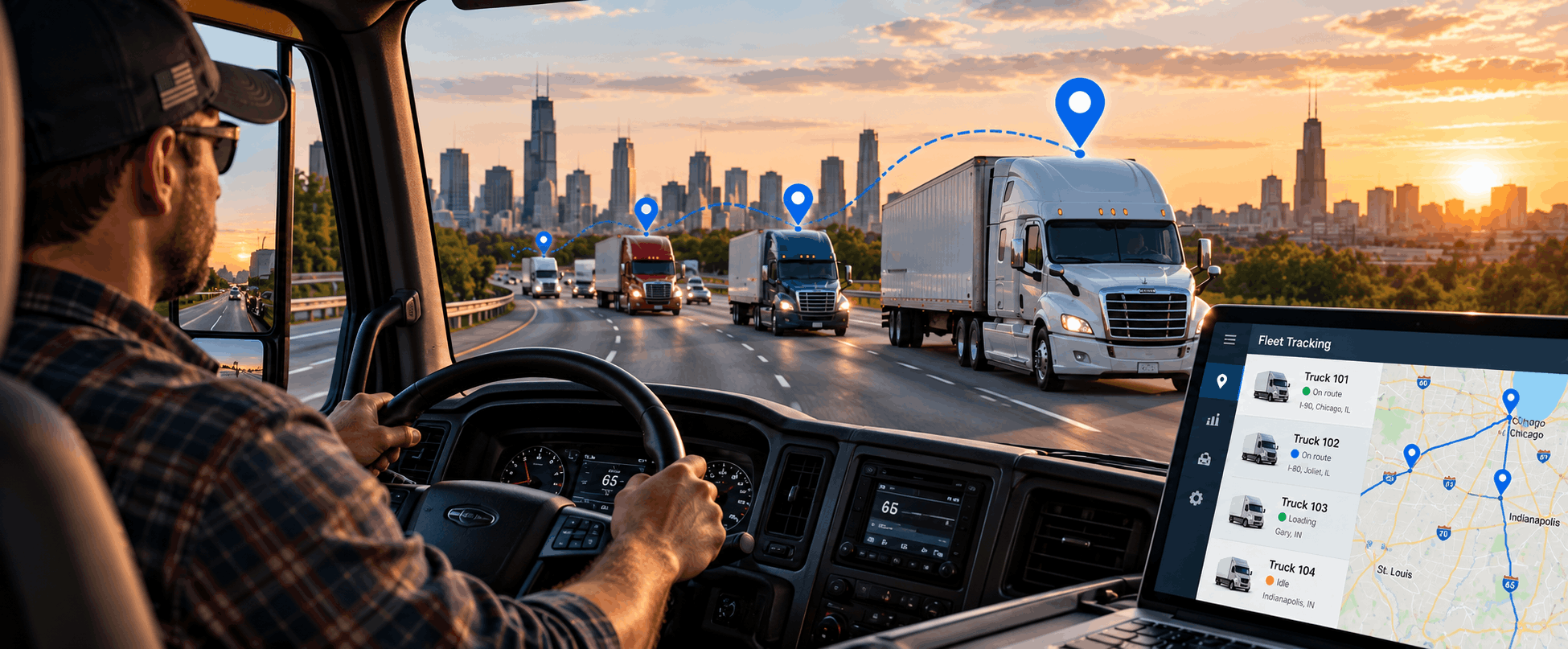
GPS tracking has become one of the most valuable technologies for modern fleet operations. Businesses rely on GPS solutions to monitor vehicles, improve dispatching, reduce fuel costs, enhance driver safety, and increase operational efficiency. However, with dozens of vendors offering similar products, choosing the right GPS tracking solution can be challenging.
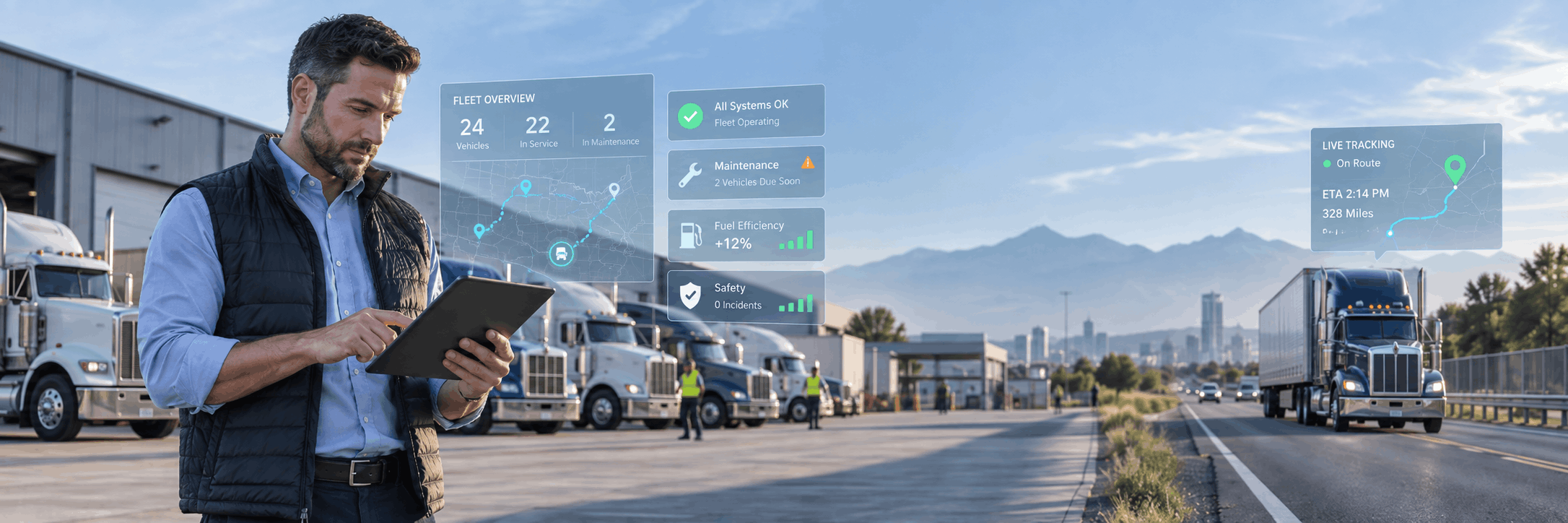
Some systems provide only basic vehicle location, while others deliver comprehensive fleet management capabilities, including artificial intelligence, predictive maintenance, driver performance monitoring, regulatory compliance, and advanced business analytics.
Selecting the right platform is more than comparing prices—it’s about finding a solution that supports your fleet’s current needs while remaining flexible enough to grow alongside your business.
This guide explains the most important factors every fleet manager should evaluate before investing in GPS tracking technology.
Why Choosing the Right GPS Tracking Solution Matters
A GPS tracking platform influences nearly every aspect of fleet operations.
The right solution helps organizations:
- Improve fleet visibility
- Optimize routes
- Reduce fuel consumption
- Increase driver safety
- Lower maintenance costs
- Simplify compliance
- Improve customer service
- Make data-driven decisions
The wrong solution can result in poor user adoption, limited scalability, unnecessary software costs, and operational inefficiencies.
For that reason, businesses should evaluate both immediate functionality and long-term business value before making a decision.
Define Your Fleet’s Needs
Every fleet operates differently.
Before comparing vendors, clearly identify your operational requirements.
Questions to consider include:
- How many vehicles need tracking?
- Do you manage trailers or equipment?
- Is ELD compliance required?
- How many dispatchers use the system?
- Do drivers need a mobile application?
- Will customers receive delivery updates?
- Do you require maintenance management?
- Is AI-powered reporting important?
- Will the fleet continue growing?
Understanding these requirements makes it easier to eliminate solutions that cannot support your business.
Choose Between Basic GPS Tracking and a Complete Fleet Platform
One of the first decisions is determining whether your organization needs a standalone GPS tracker or an integrated fleet management platform.
Standalone GPS Trackers
Best suited for:
- Small fleets
- Theft prevention
- Basic vehicle visibility
- Equipment tracking
Typical features include:
- Real-time vehicle location
- Route history
- Speed monitoring
- Geofencing
- Basic alerts
Integrated Fleet Platforms
Designed for organizations seeking complete operational management.
Additional capabilities often include:
- Dispatch
- Driver communication
- Maintenance scheduling
- Fuel monitoring
- Driver scorecards
- ELD compliance
- AI-powered analytics
- Reporting
- Asset tracking
Growing fleets generally achieve greater long-term value from integrated platforms.
Evaluate Real-Time Tracking Accuracy
Location accuracy remains the foundation of every GPS solution.
Look for systems that provide:
- Live vehicle positions
- Frequent location updates
- Accurate route history
- Minimal signal delay
- Reliable cellular connectivity
High-quality tracking enables dispatchers to respond quickly to changing operational conditions.
Consider Route Optimization
GPS tracking should do more than display vehicle locations.
Advanced platforms continuously optimize routes using:
- Traffic conditions
- Road closures
- Weather
- Delivery priorities
- Vehicle availability
Improved routing reduces fuel costs while increasing daily productivity.
Look for Driver Management Features
Drivers have a direct influence on fleet performance.
Comprehensive GPS platforms monitor:
- Speeding
- Harsh braking
- Rapid acceleration
- Excessive idling
- Seatbelt usage
- Driver fatigue
- Hours of Service
Driver scorecards help managers identify coaching opportunities that improve safety and reduce operating costs.
Evaluate Maintenance Capabilities
Unexpected breakdowns are among the most expensive fleet disruptions.
Modern GPS platforms should support preventive maintenance through automatic service reminders based on:
- Mileage
- Engine hours
- Time intervals
- Diagnostic trouble codes
Integrated maintenance scheduling extends vehicle lifespan while reducing downtime.
Compare Reporting and Analytics
Raw GPS data has limited value without meaningful analysis.
Choose software capable of generating reports covering:
- Fleet utilization
- Fuel efficiency
- Driver performance
- Route efficiency
- Idle time
- Vehicle health
- Maintenance costs
- Compliance
- Delivery performance
Custom dashboards provide executives with the insights needed to make informed business decisions.
Assess Mobile Accessibility
Fleet operations extend far beyond the office.
Drivers, dispatchers, and managers should be able to access fleet information from any location.
Look for solutions offering:
- Mobile applications
- Cloud access
- Driver messaging
- Electronic inspections
- Proof of delivery
- Push notifications
Cloud-based platforms ensure that operational data remains synchronized across every device.
Ensure Compliance Support
Commercial fleets must comply with transportation regulations.
Integrated GPS platforms often include:
Electronic Logging Devices (ELD)
Automatically records driving hours.
Hours of Service (HOS)
Helps prevent compliance violations.
Driver Vehicle Inspection Reports (DVIR)
Simplifies inspection documentation.
Using one integrated platform significantly reduces administrative work.
Evaluate Artificial Intelligence Capabilities
Artificial intelligence is becoming a major competitive advantage.
Leading GPS solutions now offer:
Predictive Maintenance
Identifies potential mechanical issues before breakdowns occur.
Intelligent Dispatch
Automatically recommends the most efficient vehicle assignment.
Driver Risk Analysis
Evaluates driver behavior and identifies coaching opportunities.
Route Intelligence
Continuously improves routing based on live operational data.
AI helps fleet managers move from reactive problem-solving to proactive decision-making.
Consider Integration Options
Fleet management software should integrate with your existing business systems.
Look for compatibility with:
- ERP software
- Accounting systems
- Transportation Management Systems (TMS)
- Fuel cards
- Payroll software
- CRM platforms
- Warehouse Management Systems
- Dash cameras
API availability is especially important for growing businesses.
Think About Scalability
Technology should support future business growth.
Ask vendors whether the platform can accommodate:
- Additional vehicles
- Multiple offices
- International operations
- More dispatchers
- Asset tracking
- AI enhancements
- Additional integrations
Scalable platforms eliminate the need for expensive software migrations.
Compare Customer Support
Technology issues can disrupt fleet operations.
Before purchasing, evaluate:
- Support hours
- Response times
- Training resources
- Onboarding assistance
- Dedicated account managers
- Knowledge base quality
Reliable customer support often becomes just as important as software functionality.
Evaluate Total Cost of Ownership
Subscription pricing tells only part of the story.
Consider:
- Hardware costs
- Installation
- Training
- Software subscriptions
- Support
- Upgrades
- Maintenance
- Additional modules
The lowest-priced solution is not always the most cost-effective over time.
Questions to Ask Before Buying
Before signing a contract, ask every vendor:
- Is the platform cloud-based?
- How accurate is the GPS tracking?
- Are software updates included?
- Does the system support ELD compliance?
- Is route optimization included?
- Can the platform integrate with our existing software?
- How frequently are new features released?
- Does it include AI-powered analytics?
- How long does implementation take?
- What customer support is available?
Why Businesses Choose EZLOGZ
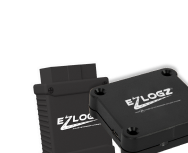
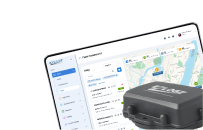
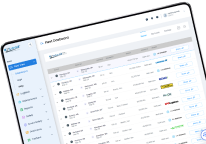
EZLOGZ provides a complete cloud-based fleet management ecosystem designed to support fleets of every size.
The platform combines:
- Real-time GPS tracking
- Dispatch management
- Route optimization
- Driver communication
- Fuel monitoring
- Maintenance scheduling
- Geofencing
- Asset tracking
- ELD compliance
- AI-powered analytics
- Mobile applications
- Advanced reporting
By bringing these capabilities together within one platform, EZLOGZ helps businesses improve efficiency, reduce operating costs, strengthen compliance, and make better operational decisions
Choosing the best GPS tracking solution requires more than comparing features or subscription costs. Fleet managers should evaluate how well each platform supports operational efficiency, driver safety, maintenance, compliance, reporting, and future business growth.
As fleets become increasingly connected and data-driven, integrated GPS platforms provide significantly greater long-term value than basic tracking systems. Organizations that invest in scalable, cloud-based solutions gain the flexibility needed to adapt to changing operational demands while improving productivity and profitability.
EZLOGZ combines advanced GPS tracking with AI-powered fleet management tools, helping businesses transform location data into actionable insights that drive measurable results.
FAQ:
What should I look for in a GPS tracking solution?
Focus on tracking accuracy, route optimization, reporting, driver management, maintenance scheduling, scalability, compliance features, integrations, and customer support.
Is GPS tracking enough for fleet management?
Basic GPS tracking provides vehicle visibility, but integrated fleet management platforms offer additional capabilities such as dispatch, maintenance, compliance, analytics, and AI-powered decision support.
Why is cloud-based GPS tracking recommended?
Cloud platforms provide automatic updates, remote access, improved scalability, lower infrastructure costs, and easier deployment across multiple locations.
Can GPS tracking reduce operating costs?
Yes. GPS tracking improves route efficiency, reduces fuel consumption, minimizes idle time, enhances driver performance, and supports preventive maintenance.
How important is AI in fleet management?
AI helps automate dispatching, predict maintenance needs, analyze driver behavior, optimize routes, and improve operational decision-making.
Why choose EZLOGZ?
EZLOGZ delivers an all-in-one cloud-based fleet management platform featuring GPS tracking, AI-powered analytics, dispatch, ELD compliance, maintenance management, fuel monitoring, asset tracking, mobile applications, and advanced reporting—providing businesses with complete visibility and control over their fleet operations.