

Contents:
- Choosing Based Only on Price
- Ignoring Storage Capacity
- Not Considering Fleet Growth
- Skipping GPS Tracking
- Choosing Poor Video Quality
- Overlooking Night Vision Performance
- Ignoring Cloud Connectivity
- Failing to Consider Driver Acceptance
- Choosing a System Without Support
- Focusing Only on Today’s Needs
- What is the best dash cam for a semi-truck?
- Are dash cams required in commercial trucks?
- Can dash cams help reduce insurance costs?
- Do truck dash cams record audio?
- How long do dash cams store footage?
- What happens if the memory card becomes full?
- Can a dash cam record while the truck is parked?
- Do fleet managers watch drivers all day?
- Are driver-facing cameras legal?
- What is AI driver monitoring?
- Can dash cams detect accidents automatically?
- What is video telematics?
- Are cloud-based dash cams better than local storage systems?
- How much does a professional truck dash cam cost?
- Can dash cams work without internet access?
- What resolution should a truck dash cam have?
- Is night vision important for truck drivers?
- Can dash cams capture license plate numbers?
- What is the best dash cam for owner-operators?
- What is the best dash cam for large fleets?
- How difficult is dash cam installation?
- Do truck dash cams support multiple cameras?
- Can dash cams improve driver behavior?
- What is a G-sensor?
- Are dash cams useful for accident investigations?
- Can dash cams help prevent cargo theft?
- Do trucking companies use dash cams to coach drivers?
- How often should dash cam footage be reviewed?
- What is the future of truck dash cams?
Best Dash Cams for Semi-Trucks in 2026
The trucking industry is becoming increasingly dependent on technology to improve safety, reduce operational costs, and protect drivers from liability. One of the most important technologies adopted by fleets and owner-operators over the past decade is the dash cam.
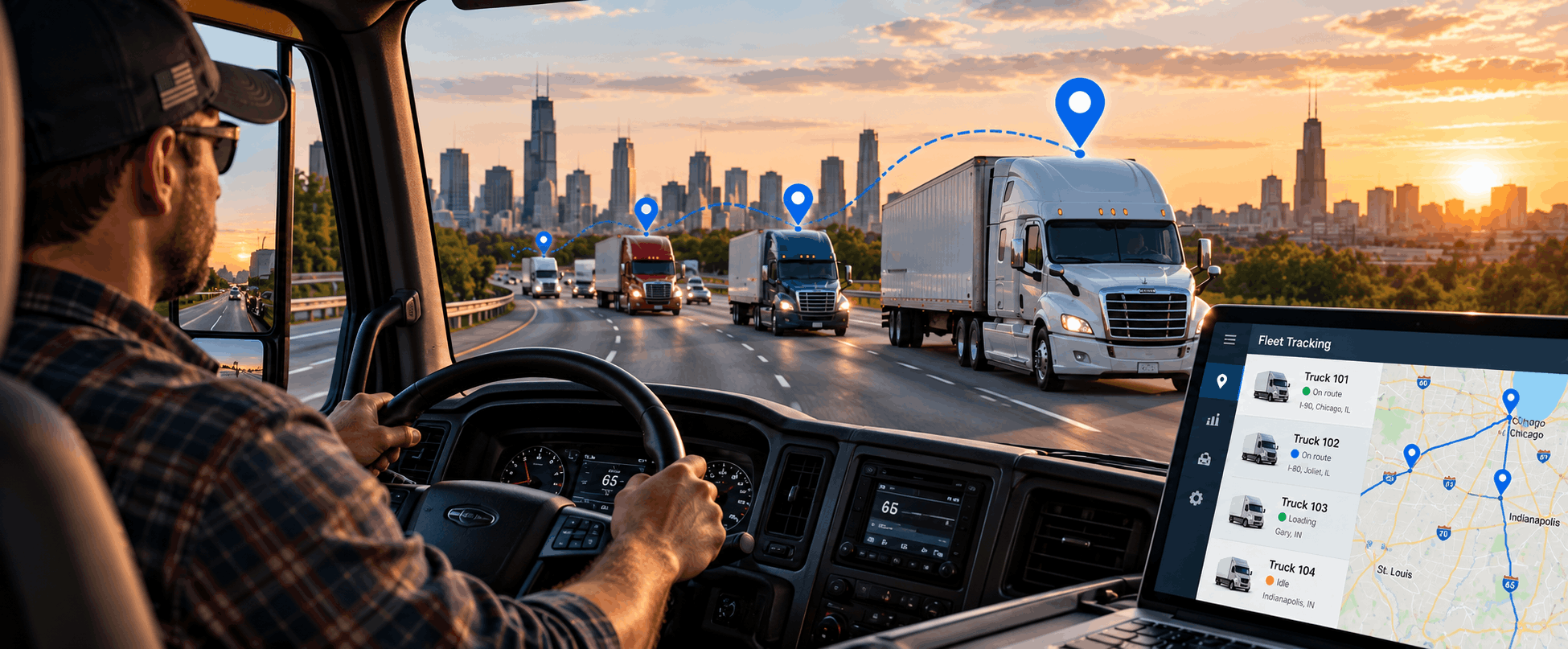
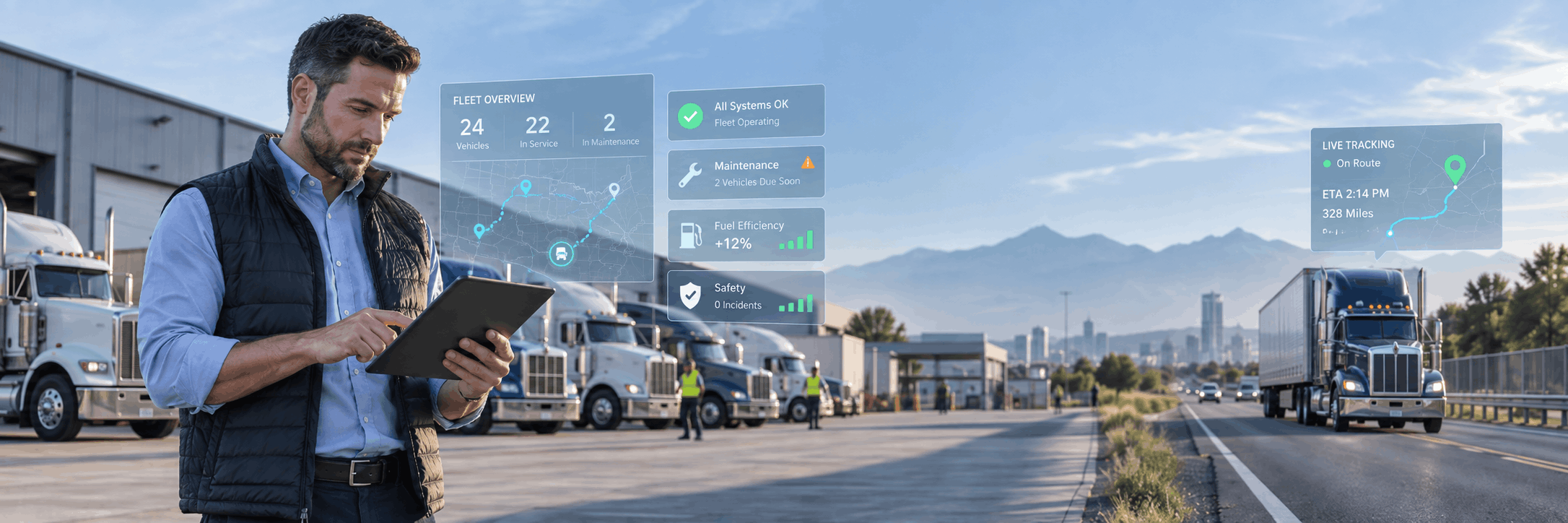
A modern dash cam for semi-trucks does much more than record video. Today’s systems can monitor driver behavior, provide real-time alerts, upload footage to the cloud, track vehicle locations, and integrate with fleet management software.
Whether you’re an independent owner-operator seeking accident protection or a fleet manager overseeing hundreds of trucks, choosing the right dash cam can significantly impact safety, efficiency, and profitability.
This guide covers everything you need to know about truck dash cams, including features, benefits, pricing, installation costs, legal considerations, and the best solutions available in 2026.
What Is a Dash Cam for a Semi-Truck?
A semi-truck dash cam is a commercial-grade camera system designed specifically for heavy-duty trucks and fleet vehicles.
Unlike consumer dash cams, commercial truck cameras are built for:
- Long operating hours
- Extreme temperatures
- Fleet management integration
- Driver safety monitoring
- GPS tracking
- Cloud-based video storage
Most systems automatically record and save footage when significant events occur, including:
- Accidents
- Hard braking
- Sudden acceleration
- Unsafe lane changes
- Near-collision events
These recordings can later be used for insurance claims, driver coaching, accident investigations, and legal protection.
Why Every Semi-Truck Should Have a Dash Cam
Protection Against False Accident Claims
Commercial truck drivers are often blamed for accidents even when they are not at fault.
Dash cam footage provides objective evidence that can help:
- Prove innocence
- Resolve disputes
- Speed up insurance claims.
- Reduce legal expenses
Many trucking companies report saving tens of thousands of dollars by using video evidence.
Improved Driver Safety
Modern dash cams actively monitor driving behavior.
They can detect:
- Cell phone use
- Driver fatigue
- Distracted driving
- Tailgating
- Seatbelt violations
Real-time alerts help drivers correct risky behavior before accidents occur.
Lower Insurance Costs
Insurance providers increasingly reward fleets that invest in safety technology.
Benefits may include:
- Reduced premiums
- Faster claims processing
- Better risk assessments
- Improved insurability
Protection Against Cargo Theft
Truck camera systems can also provide security during rest stops and overnight parking.
Some systems continue recording even when the engine is off.
Top 10 Best Dash Cams for Semi-Trucks in 2026
Comparison Table
| Dash Cam | Best For | GPS | Cloud Storage | AI Monitoring | Rating |
| Motive | Overall Fleet Solution | ✔ | ✔ | ✔ | 9.8/10 |
| Samsara | Enterprise Fleets | ✔ | ✔ | ✔ | 9.7/10 |
| Lytx | Safety Programs | ✔ | ✔ | ✔ | 9.6/10 |
| Netradyne | AI Driver Coaching | ✔ | ✔ | ✔ | 9.5/10 |
| Garmin Dash Cam X310 | Owner-Operators | ✔ | Optional | ✖ | 9.3/10 |
| BlackVue DR970X | Premium Recording | ✔ | ✔ | ✖ | 9.2/10 |
| Thinkware U3000 | 4K Video Quality | ✔ | Optional | ✖ | 9.1/10 |
| Nexar One Pro | Small Fleets | ✔ | ✔ | Limited | 9.0/10 |
| Vantrue N4 Pro | Budget Option | ✔ | ✖ | ✖ | 8.9/10 |
| Cobra SC 400D | Easy Installation | ✔ | Optional | ✖ | 8.8/10 |
Best Dash Cam for Owner-Operators
Independent truck drivers often have different priorities than large fleets.
Key considerations include:
- Affordable pricing
- Easy installation
- Reliable recording
- GPS tracking
- No monthly subscription
Recommended Options
Garmin Dash Cam X310
Best for:
- Solo drivers
- Long-haul operators
- Independent contractors
Pros:
- Compact design
- Excellent video quality
- GPS tracking
- Voice control
Vantrue N4 Pro
Best budget choice.
Pros:
- Triple-camera setup
- Affordable price
- Good night vision
Best Dash Cam for Trucking Fleets
Fleet operators typically require advanced functionality.
Key features include:
- Cloud storage
- AI monitoring
- Driver coaching
- GPS tracking
- Fleet management integration
Recommended Solutions
Motive
Best overall fleet platform.
Strengths:
- Video telematics
- Driver coaching
- Fleet analytics
- ELD integration
Samsara
Best for enterprise operations.
Strengths:
- Advanced reporting
- Real-time video
- AI safety tools
Dash Cam Buying Guide
Video Resolution
1080p
Suitable for:
- Basic recording
- Small fleets
2K
Provides:
- Better detail
- Improved license plate visibility
4K
Best for:
- Professional fleets
- Maximum evidence quality
GPS Tracking
GPS tracking helps:
- Monitor routes
- Verify vehicle location
- Analyze speed data
This feature is highly recommended.
Driver-Facing Cameras
Benefits:
- Driver coaching
- Improved accountability
- Reduced risky behavior
Potential concerns:
- Driver privacy
- Acceptance among employees
Cloud Storage
Cloud systems offer:
- Automatic backups
- Remote footage access
- Better evidence protection
LTE Connectivity
LTE-enabled systems allow:
- Live video streaming
- Instant alerts
- Remote monitoring
Typical Dash Cam Costs
Basic Dash Cams
Price:
$100–300
Features:
- Front-facing camera
- Local recording
Professional Truck Dash Cams
Price:
$300–800
Features:
- GPS
- LTE
- Event recording
Fleet Camera Systems
Price:
$500–1,500+ per truck
Additional costs:
- Monthly software subscriptions
- Installation fees
Dash Cam Installation Cost
Installation costs vary significantly.
DIY Installation
Cost:
$0–50
Suitable for:
- Garmin
- Vantrue
- BlackVue
Professional Installation
Cost:
$100–500 per truck
Benefits:
- Proper cable routing
- Hardwiring
- Parking mode support
Fleet-Wide Installation
Cost:
$200–1,000+ per vehicle
Often includes:
- Telematics integration
- Cloud connectivity
- Fleet software setup
Dash Cam Laws for Truck Drivers
Before installing a camera system, companies should understand local regulations.
Important considerations:
- Driver privacy laws
- Audio recording restrictions
- Windshield mounting requirements
- Data retention policies
Laws vary by state and country.
Always verify local regulations before deployment.
Benefits of AI Dash Cams
Artificial intelligence is changing the trucking industry.
AI systems can detect:
- Fatigue
- Phone use
- Lane departures
- Tailgating
- Unsafe driving habits
Benefits include:
- Fewer accidents
- Better driver coaching
- Reduced liability
- Lower insurance costs
Common Mistakes When Buying a Truck Dash Cam
Choosing the right dash cam for a semi-truck involves much more than comparing prices or looking at a few product photos. A camera system is an investment in safety, liability protection, and operational efficiency. Unfortunately, many truck owners and fleet managers make costly mistakes that can reduce the effectiveness of their investment.
Understanding these common pitfalls can help you choose a system that delivers reliable performance and long-term value.
Choosing Based Only on Price
One of the most common mistakes buyers make is choosing a dash cam solely because it is the cheapest option.
While budget is always an important consideration, low-cost cameras often come with significant limitations that can become apparent when footage is actually needed.
Cheap dash cams may suffer from:
- Poor video quality
- Limited recording angles
- Weak night vision performance
- Unreliable hardware
- Frequent software issues
- Short product lifespan
In many accident investigations, the ability to clearly identify license plates, road signs, traffic signals, and vehicle positions is critical. A low-cost camera that produces blurry or pixelated footage may provide little value when evidence is needed most.
Instead of focusing exclusively on price, buyers should evaluate the system’s overall value, including reliability, video quality, warranty coverage, and available features.
Ignoring Storage Capacity
Storage capacity is often overlooked during the purchasing process, but it can have a major impact on the usefulness of a dash cam system.
Truck drivers spend long hours on the road, generating large amounts of video footage every day. Cameras with insufficient storage may overwrite important recordings before they can be reviewed or downloaded.
Potential problems include:
- Loss of accident footage
- Missing evidence during disputes
- Limited video history
- Reduced incident investigation capabilities
When evaluating storage options, consider:
- SD card capacity
- Cloud storage availability
- Video retention policies
- Automatic backup features
For commercial trucking operations, cloud-connected systems often provide the most reliable solution because important footage is automatically uploaded and preserved.
Not Considering Fleet Growth
Many trucking companies purchase camera systems based solely on their current needs without considering future expansion.
A solution that works well for five trucks may become difficult to manage when the fleet grows to fifty or one hundred vehicles.
Signs that a system may not scale effectively include:
- Lack of centralized management
- Limited reporting capabilities
- No fleet dashboard
- Manual footage retrieval requirements
- Poor integration options
Companies planning to expand should look for systems that support:
- Multiple vehicles
- Driver management
- Fleet-wide reporting
- Cloud administration
- Telematics integration
Investing in a scalable platform from the beginning can prevent costly upgrades and operational disruptions later.
Skipping GPS Tracking
Some buyers attempt to save money by purchasing cameras without GPS functionality. While this may reduce upfront costs, it often eliminates one of the most valuable features available in modern truck camera systems.
GPS data provides critical information such as:
- Vehicle location
- Speed
- Route history
- Travel direction
- Time-stamped event records
During accident investigations, GPS information can help verify:
- Where an incident occurred
- How fast the vehicle was traveling
- Whether the driver followed the assigned route
- The exact timeline of events
Without GPS tracking, investigators must rely solely on video footage, which may not always provide a complete picture.
For most commercial trucking operations, GPS functionality should be considered an essential feature rather than an optional upgrade.
Choosing Poor Video Quality
Video quality is arguably the most important factor when selecting a truck dash cam.
The primary purpose of a dash cam is to provide evidence. If the recorded footage is unclear, it may fail to support insurance claims, legal proceedings, or accident investigations.
Common issues associated with low-resolution cameras include:
- Blurry images
- Unreadable license plates
- Poor night performance
- Limited detail at long distances
- Reduced image clarity during bad weather
At a minimum, commercial trucks should use cameras capable of recording in Full HD (1080p).
For optimal results, many fleets now prefer:
- 2K resolution
- 1440p recording
- 4K Ultra HD systems
Higher-resolution footage provides significantly more detail and increases the likelihood of capturing important information during critical incidents.
Overlooking Night Vision Performance
Many truck drivers spend a significant portion of their time operating after dark. Unfortunately, some buyers focus only on daytime image quality and fail to evaluate nighttime performance.
Poor night vision can result in:
- Dark footage
- Missed details
- Difficulty identifying vehicles
- Reduced accident evidence quality
When comparing cameras, look for features such as:
- Infrared technology
- HDR (High Dynamic Range)
- WDR (Wide Dynamic Range)
- Enhanced low-light sensors
Strong night vision capabilities are especially important for long-haul trucking operations.
Ignoring Cloud Connectivity
Traditional dash cams often store footage locally on memory cards. While this approach works for basic recording, it creates risks if the camera is damaged, stolen, or unable to save critical footage.
Cloud-connected systems offer several advantages:
- Automatic backups
- Remote access
- Faster incident review
- Secure video storage
- Real-time event notifications
For fleet operators, cloud connectivity can dramatically improve the efficiency of accident investigations and safety management programs.
Failing to Consider Driver Acceptance
Technology adoption is often overlooked during purchasing decisions.
Some fleets install driver-facing cameras without properly communicating their purpose to employees.
This can lead to:
- Driver resistance
- Privacy concerns
- Reduced morale
- Lower acceptance rates
Successful implementations typically involve:
- Clear communication
- Training programs
- Transparency regarding data use
- Emphasis on driver protection
When drivers understand that cameras can protect them against false claims and unfair accusations, acceptance tends to increase significantly.
Choosing a System Without Support
Technical support can become extremely important after deployment.
A provider that offers limited support may leave customers struggling with:
- Installation problems
- Software issues
- Connectivity failures
- Camera malfunctions
Before purchasing a system, evaluate:
- Customer service availability
- Warranty coverage
- Training resources
- Software update frequency
- Technical documentation
Strong vendor support can save both time and money throughout the life of the system.
Focusing Only on Today’s Needs
Perhaps the biggest mistake is treating a dash cam as a simple recording device rather than a long-term safety investment.
Modern truck camera systems can support:
- Driver coaching
- Safety programs
- Insurance management
- Fleet optimization
- Regulatory compliance
Choosing a solution with future growth and operational goals in mind often delivers significantly greater value than selecting the cheapest or simplest option available.
By avoiding these common mistakes, truck owners and fleet managers can ensure that their dash cam investment provides reliable protection, improved safety, and measurable returns for years to come.
Future of Dash Cams in Trucking
Emerging trends include:
- AI-powered driver coaching
- Predictive safety analytics
- Real-time risk detection
- Cloud-based video management
- Autonomous vehicle integration
The next generation of truck camera systems will play an even larger role in fleet safety and operational efficiency.
A dash cam is no longer just an optional accessory for commercial trucks—it has become an essential tool for protecting drivers, reducing liability, and improving overall fleet safety. Whether you’re an owner-operator running a single truck or a fleet manager overseeing hundreds of vehicles, the right camera system can provide valuable evidence, improve driver accountability, and help lower long-term operating costs.
Today’s truck dash cams offer far more than simple video recording. Advanced systems include GPS tracking, cloud storage, AI-powered driver monitoring, real-time safety alerts, and fleet management integrations, providing operators with greater visibility into their operations.
For owner-operators, a reliable standalone dash cam can provide peace of mind and crucial protection in the event of an accident or insurance dispute. For fleet operators, modern camera systems deliver actionable insights that can improve driver performance, reduce accident rates, and support company-wide safety initiatives.
When choosing a dash cam, focus on factors such as video quality, storage options, GPS functionality, scalability, and ongoing support rather than price alone. Investing in a high-quality solution today can help prevent costly problems in the future and provide a strong return on investment.
As the trucking industry continues to adopt AI, telematics, and connected vehicle technologies, dash cams will play an increasingly important role in fleet operations. Companies that embrace these solutions early will be better positioned to improve safety, enhance efficiency, and remain competitive in a rapidly evolving transportation landscape.
Ultimately, the best dash cam for a semi-truck is the one that matches your operational needs, budget, and long-term goals while providing reliable protection every mile of the journey.
FAQ:
What is the best dash cam for a semi-truck?
The best dash cam depends on your needs. For large fleets, Motive and Samsara are among the leading solutions due to their AI-powered monitoring and fleet management capabilities. For owner-operators, the Garmin Dash Cam X310 and Vantrue N4 Pro are popular choices because of their affordability and ease of use.
Are dash cams required in commercial trucks?
In most regions, dash cams are not legally required. However, many trucking companies install them to improve safety, reduce liability, and protect drivers from false accident claims.
Can dash cams help reduce insurance costs?
Yes. Many insurance providers offer discounts to fleets that use dash cameras and telematics systems. Video evidence can also speed up claims processing and reduce fraud-related losses.
Do truck dash cams record audio?
Some dash cams include audio recording features. However, audio recording laws vary by state and country, so fleet operators should verify local regulations before enabling this feature.
How long do dash cams store footage?
Storage duration depends on:
- Memory card capacity
- Video resolution
- Number of cameras
- Cloud storage settings
Many systems store footage for several days or weeks before overwriting older recordings.
What happens if the memory card becomes full?
Most dash cams use loop recording technology, which automatically overwrites the oldest footage while preserving videos associated with accidents or critical events.
Can a dash cam record while the truck is parked?
Yes. Many commercial dash cams support parking mode, allowing the camera to continue monitoring the vehicle while parked.
This feature is especially useful for:
- Cargo theft prevention
- Vandalism protection
- Hit-and-run incidents
Do fleet managers watch drivers all day?
No. Most fleet camera systems only flag important events such as:
- Harsh braking
- Speeding
- Distracted driving
- Collisions
Managers typically review exception-based events rather than continuously monitoring drivers.
Are driver-facing cameras legal?
In most jurisdictions, driver-facing cameras are legal. However, employers should clearly communicate monitoring policies and comply with privacy regulations.
What is AI driver monitoring?
AI driver monitoring uses machine learning algorithms to detect risky behaviors such as:
- Fatigue
- Phone use
- Smoking
- Seatbelt violations
- Distraction
The system can alert drivers in real time and generate reports for fleet managers.
Can dash cams detect accidents automatically?
Yes. Many modern truck camera systems include G-sensors that detect:
- Sudden impacts
- Harsh braking
- Rapid acceleration
When an event occurs, the camera automatically saves and protects the relevant footage.
What is video telematics?
Video telematics combines camera footage with vehicle data such as:
- Speed
- GPS location
- Braking activity
- Driver behavior
This provides a complete picture of what happened during an incident.
Are cloud-based dash cams better than local storage systems?
For most fleets, cloud-based systems offer significant advantages:
- Remote access
- Automatic backups
- Faster investigations
- Better security
However, they usually require a monthly subscription.
How much does a professional truck dash cam cost?
Pricing typically falls into three categories:
- Basic dash cams: $100–300
- Professional systems: $300–800
- Fleet camera platforms: $500–1,500+ per vehicle
Additional subscription fees may apply.
Can dash cams work without internet access?
Yes. Most cameras continue recording even when internet connectivity is unavailable. Cloud uploads are usually performed once a connection is restored.
What resolution should a truck dash cam have?
At a minimum, a commercial dash cam should support 1080p Full HD recording.
Many fleets now prefer:
- 2K resolution
- 4K resolution
Higher resolutions capture more detail and improve evidence quality.
Is night vision important for truck drivers?
Absolutely.
Many truck drivers spend significant time operating at night. Strong night vision improves visibility and recording quality under low-light conditions.
Can dash cams capture license plate numbers?
High-quality cameras can often capture license plates in daylight.
For the best results, look for:
- 2K or 4K resolution
- HDR technology
- Wide Dynamic Range (WDR)
What is the best dash cam for owner-operators?
Popular options include:
- Garmin Dash Cam X310
- Vantrue N4 Pro
- BlackVue DR970X
- Thinkware U3000
These models offer strong performance without requiring expensive fleet subscriptions.
What is the best dash cam for large fleets?
Enterprise fleets often choose:
- Motive
- Samsara
- Lytx
- Netradyne
These platforms provide advanced analytics, AI monitoring, cloud storage, and telematics integration.
How difficult is dash cam installation?
Installation complexity depends on the system.
Basic cameras can be installed in minutes, while enterprise fleet solutions may require professional installation and integration with telematics systems.
Do truck dash cams support multiple cameras?
Yes.
Many commercial systems support:
- Front-facing cameras
- Driver-facing cameras
- Rear cameras
- Side cameras
- Cargo area cameras
Multi-camera systems provide comprehensive visibility around the vehicle.
Can dash cams improve driver behavior?
Yes.
Studies consistently show that drivers tend to adopt safer habits when they know safety systems are in place. This often results in fewer accidents and improved compliance.
What is a G-sensor?
A G-sensor measures sudden changes in motion.
When a collision or impact occurs, the camera automatically locks and saves the relevant footage to prevent accidental deletion.
Are dash cams useful for accident investigations?
Dash cams are one of the most valuable tools available during accident investigations because they provide objective evidence of:
- Road conditions
- Driver actions
- Traffic behavior
- Environmental conditions
Can dash cams help prevent cargo theft?
Yes.
Parking mode and remote monitoring features can help detect suspicious activity around parked trucks and trailers.
Do trucking companies use dash cams to coach drivers?
Many fleets use video footage to provide constructive driver coaching and identify opportunities for safety improvement.
How often should dash cam footage be reviewed?
Most fleets review footage only when:
- An accident occurs
- A safety event is triggered.
- Driver coaching is needed.
Regular reporting tools often automate much of this process.
What is the future of truck dash cams?
Future innovations are expected to include:
- More advanced AI monitoring
- Predictive accident prevention
- Automated incident reports
- Deeper telematics integration
- Enhanced cloud analytics
- Support for autonomous vehicle technologies
As trucking technology evolves, dash cams will continue to play a central role in fleet safety and operational management.