

How to Reduce Costs, Improve Efficiency, and Gain Better Control of Your Fleet
Managing a fleet is one of the most challenging responsibilities for any growing business.
Whether your company operates delivery vans, service vehicles, utility trucks, construction equipment, or a mixed fleet, success depends on your ability to balance productivity, safety, maintenance, customer service, and operational costs.
For small and mid-sized businesses, fleet management can be especially difficult because dedicated fleet departments are rare. Instead, responsibilities are often shared among owners, dispatchers, operations managers, office administrators, and supervisors who already have numerous other duties.
- As a result, many businesses spend their time reacting to problems rather than preventing them.
- A vehicle breaks down unexpectedly.
- A customer calls asking where their delivery is.
- Fuel costs suddenly increase.
- A driver receives a traffic citation.
- Maintenance paperwork goes missing.
- A service appointment gets delayed.
Each individual issue may seem minor, but together they create significant operational challenges that impact profitability and customer satisfaction.
The good news is that modern fleet management technology makes it easier than ever to gain visibility into daily operations and make data-driven decisions.
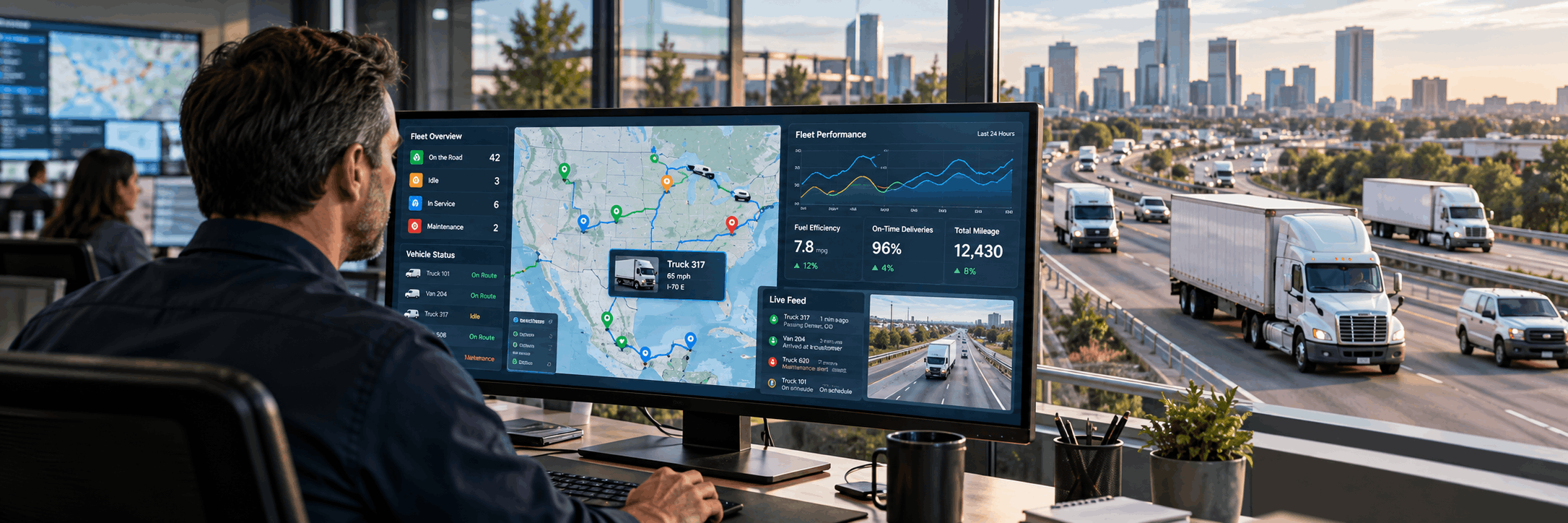
With tools such as GPS tracking, AI-powered dash cameras, electronic inspections, maintenance monitoring, and advanced reporting systems, businesses can reduce manual work while improving efficiency across their entire operation.
The following fleet management strategies can help small and mid-sized businesses gain greater control over their fleets, reduce costs, improve safety, and position themselves for long-term growth.
Why Fleet Management Matters More Than Ever
Many business owners view fleet management as simply keeping vehicles operational.
In reality, fleet performance affects almost every area of a business.
Poor fleet management can lead to:
- Increased fuel expenses
- Vehicle downtime
- Lost productivity
- Customer dissatisfaction
- Higher insurance premiums
- Compliance issues
- Safety incidents
- Reduced profitability
On the other hand, organizations that actively manage and optimize fleet operations often gain a significant competitive advantage.
Customer Satisfaction
Today’s customers expect speed, transparency, and reliability.
Whether you’re delivering products, performing service calls, or transporting equipment, customers want accurate information about arrival times and job completion.
Fleet management systems help provide:
- Accurate ETAs
- Real-time updates
- Faster response times
- Better communication
These improvements strengthen customer relationships and increase retention.
Cost Control
Every fleet generates expenses.
Fuel, maintenance, repairs, insurance, vehicle replacement, and labor all contribute to operating costs.
Even small inefficiencies can have a major financial impact when multiplied across an entire fleet.
For example:
- Five extra miles per vehicle per day
- Fifteen minutes of unnecessary idling
- One missed maintenance interval.
These seemingly small issues can cost thousands of dollars annually.
Operational Visibility
You cannot improve what you cannot measure.
Modern fleet management software provides visibility into:
- Vehicle locations
- Driver behavior
- Fuel usage
- Maintenance schedules
- Route performance
- Asset utilization
This visibility helps managers make better decisions and identify opportunities for improvement.
1. Use GPS Tracking to Gain Complete Fleet Visibility
One of the most effective ways to improve fleet management is to implement GPS tracking technology.
Without GPS tracking, managers often rely on phone calls, text messages, and manual updates to determine where vehicles are located.
This process is inefficient and time-consuming.
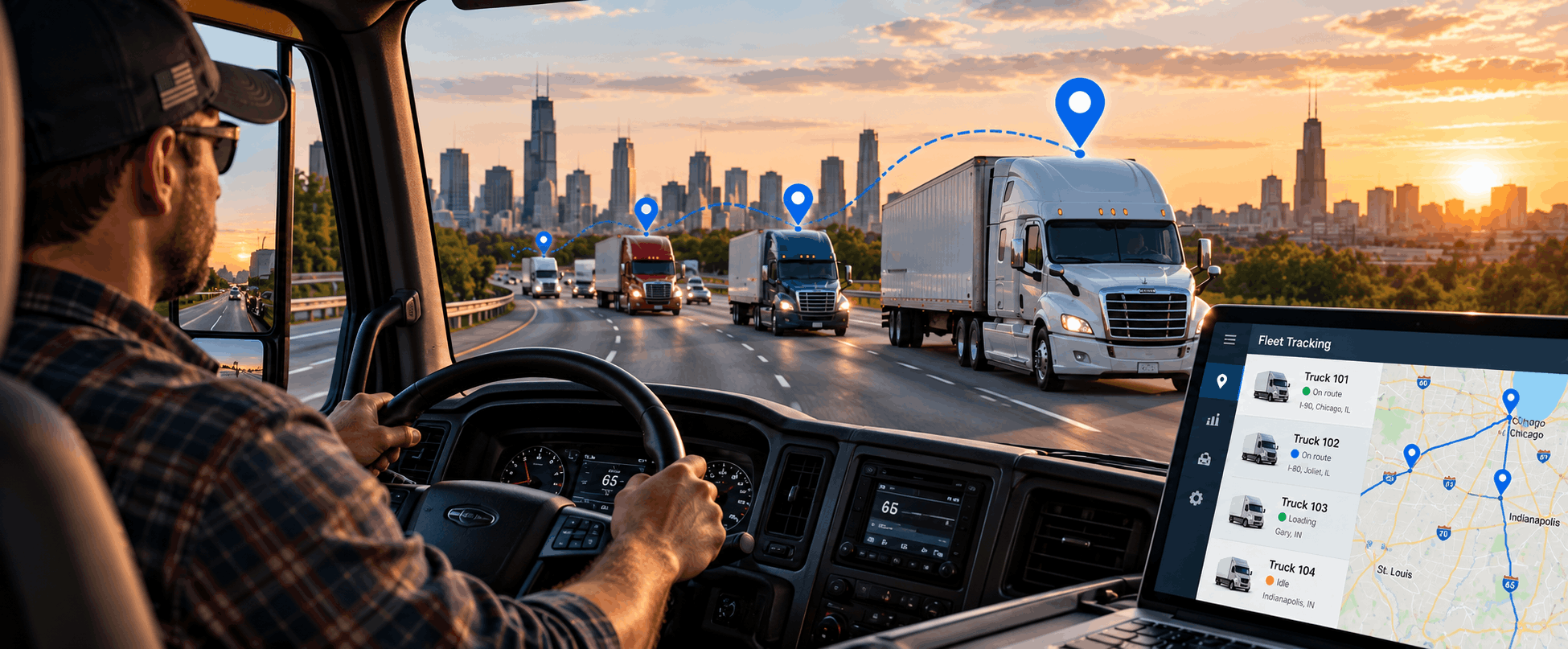
GPS tracking provides real-time visibility into every vehicle within the fleet.
Instead of asking:
“Where are you?”
Managers can simply view a live map.
Benefits of GPS Fleet Tracking
Faster Dispatching
When a new customer request arrives, dispatchers can immediately identify the closest available vehicle.
This reduces response times and improves customer satisfaction.
Better Route Planning
Route optimization helps reduce unnecessary mileage, fuel consumption, and travel time.
Managers can identify inefficient routes and make adjustments that improve productivity.
Improved Customer Service
Real-time vehicle locations enable customer service teams to provide accurate ETAs and proactive updates.
Customers appreciate transparency and reliability.
Increased Accountability
GPS tracking increases accountability for vehicle use and driver activity.
Managers can verify completed work, review travel history, and ensure company resources are being used appropriately.
2. Improve Driver Safety with Video Telematics
Driver safety should be one of the highest priorities for any fleet.
Accidents can result in:
- Injuries
- Vehicle damage
- Insurance claims
- Legal expenses
- Lost productivity
- Reputational damage
Traditional safety programs often rely on complaints, citations, or accident reports.
The problem is that these methods only identify issues after something has already gone wrong.
Video telematics changes that.
What Is Video Telematics?
Video telematics combines dash cameras with AI-powered analytics and fleet management software.
These systems can identify risky driving behaviors such as:
- Speeding
- Tailgating
- Harsh braking
- Distracted driving
- Phone usage
- Drowsy driving
Managers receive alerts and can review video footage to coach drivers before accidents occur.
Building a Strong Safety Culture
Successful safety programs focus on coaching rather than punishment.
The goal is to help drivers improve their habits and reduce risk.
Many businesses implement:
- Driver scorecards
- Safety incentives
- Performance recognition programs
- Ongoing training
These initiatives encourage long-term behavioral improvements and create a stronger safety culture.
3. Reduce Fuel Costs Through Better Fleet Management
Fuel is often one of the largest expenses for small and mid-sized fleets.
While fuel prices cannot be controlled, fuel consumption can.
The key is identifying the behaviors and operational inefficiencies that contribute to waste.
Monitor Idle Time
Excessive idling is one of the most common sources of fuel waste.
Vehicles consume fuel even when they are not moving.
GPS tracking systems can automatically identify excessive idle events and generate reports that help managers address the issue.
Improve Driver Behavior
Aggressive driving behaviors such as speeding and rapid acceleration increase fuel consumption.
Driver coaching programs help encourage more fuel-efficient habits.
Optimize Routes
Even small route improvements can generate significant savings over time.
Fleet management software helps identify:
- Inefficient routes
- Traffic bottlenecks
- Unnecessary mileage
- Excessive drive time
The result is lower fuel costs and improved productivity.
4. Create a Preventive Maintenance Program
Reactive maintenance is expensive.
Waiting for a vehicle to break down before addressing problems often results in:
- Emergency repairs
- Towing expenses
- Missed appointments
- Lost revenue
- Customer dissatisfaction
Preventive maintenance helps avoid these issues.
Key Elements of Preventive Maintenance
An effective maintenance program should include:
- Oil changes
- Tire inspections
- Brake inspections
- Fluid checks
- Battery testing
- Engine diagnostics monitoring
Modern fleet management software can automate maintenance reminders based on mileage, engine hours, or time intervals.
This helps ensure vehicles receive service before problems become serious.
Benefits of Preventive Maintenance
Organizations that prioritize maintenance often experience:
- Longer vehicle lifespan
- Reduced downtime
- Lower repair costs
- Improved safety
- Better fuel efficiency
Preventive maintenance is one of the highest ROI initiatives available to fleet operators.
5. Replace Paper Processes with Digital Inspections
Paperwork has long been one of the biggest frustrations in fleet management.
Drivers fill out inspection forms by hand, paperwork gets misplaced, maintenance requests are delayed, and managers spend valuable time tracking down information.
These manual processes create inefficiencies that become more costly as a fleet grows.
Electronic Driver Vehicle Inspection Reports (eDVIRs) simplify the entire process.
Using a smartphone or tablet, drivers can complete inspections digitally before and after each shift. Inspection data is automatically stored, organized, and shared with the appropriate personnel.
Benefits of Digital Inspections
Improved Compliance
Digital records create a consistent inspection process and provide documentation for audits and regulatory requirements.
Faster Repairs
Maintenance teams receive inspection information immediately rather than waiting for paperwork to be submitted.
Reduced Administrative Work
Managers spend less time filing paperwork and more time addressing actual operational needs.
Better Vehicle Health Monitoring
Digital inspection histories make it easier to identify recurring issues and track vehicle performance over time.
For small and mid-sized fleets, transitioning from paper to digital inspections often provides immediate operational benefits.
6. Use Fleet Analytics to Make Better Business Decisions
Many businesses collect operational data but fail to use it effectively.
The purpose of fleet analytics is not simply to generate reports—it is to identify opportunities for improvement.
Fleet analytics can reveal patterns that may otherwise go unnoticed.
Examples include:
- Excessive fuel consumption
- Rising maintenance costs
- Unsafe driving trends
- Underutilized vehicles
- Inefficient routes
- Customer service delays
Turn Data Into Action
Successful fleet managers use analytics to answer questions such as:
- Which vehicles cost the most to operate?
- Which drivers require additional coaching?
- Which routes are creating delays?
- Which assets are underperforming?
Rather than relying on intuition, businesses can make decisions based on objective information.
Identify Trends Before They Become Problems
Analytics also supports proactive management.
For example:
A gradual increase in idle time may indicate a training issue.
Rising maintenance expenses may suggest aging vehicles need replacement.
Frequent route deviations may reveal scheduling problems.
These insights allow managers to address challenges before they become costly operational issues.
7. Evaluate Fleet Electrification Opportunities
Electric vehicles are becoming an increasingly important topic in fleet management.
While EV adoption is not appropriate for every fleet, many organizations are discovering that certain vehicles can successfully transition to electric power.
The key is evaluating suitability using actual fleet data.
Factors to Consider
Fleet managers should analyze:
- Daily mileage
- Route lengths
- Vehicle utilization
- Charging infrastructure
- Energy costs
- Vehicle replacement schedules
Some vehicles may already operate well within the range capabilities of modern electric vehicles.
Potential Benefits of Electrification
Organizations that successfully integrate EVs may benefit from:
- Reduced fuel expenses
- Lower maintenance costs
- Reduced emissions
- Improved sustainability reporting
- Enhanced corporate reputation
Fleet management software can help identify vehicles that are strong candidates for electrification based on real operational data.
8. Consolidate Fleet Operations Into a Single Platform
One of the biggest mistakes growing fleets make is relying on multiple disconnected systems.
A business may use:
- One tool for GPS tracking
- Another for maintenance
- Another for compliance
- Another for driver safety
- Multiple spreadsheets for reporting
This fragmented approach creates inefficiencies and increases administrative workload.
Benefits of a Unified Fleet Platform
A centralized platform provides:
- Single-source visibility
- Simplified workflows
- Better reporting
- Reduced administrative effort
- Improved collaboration
Managers no longer need to switch between systems to understand what is happening across the fleet.
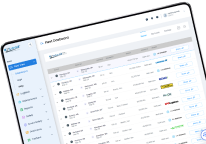
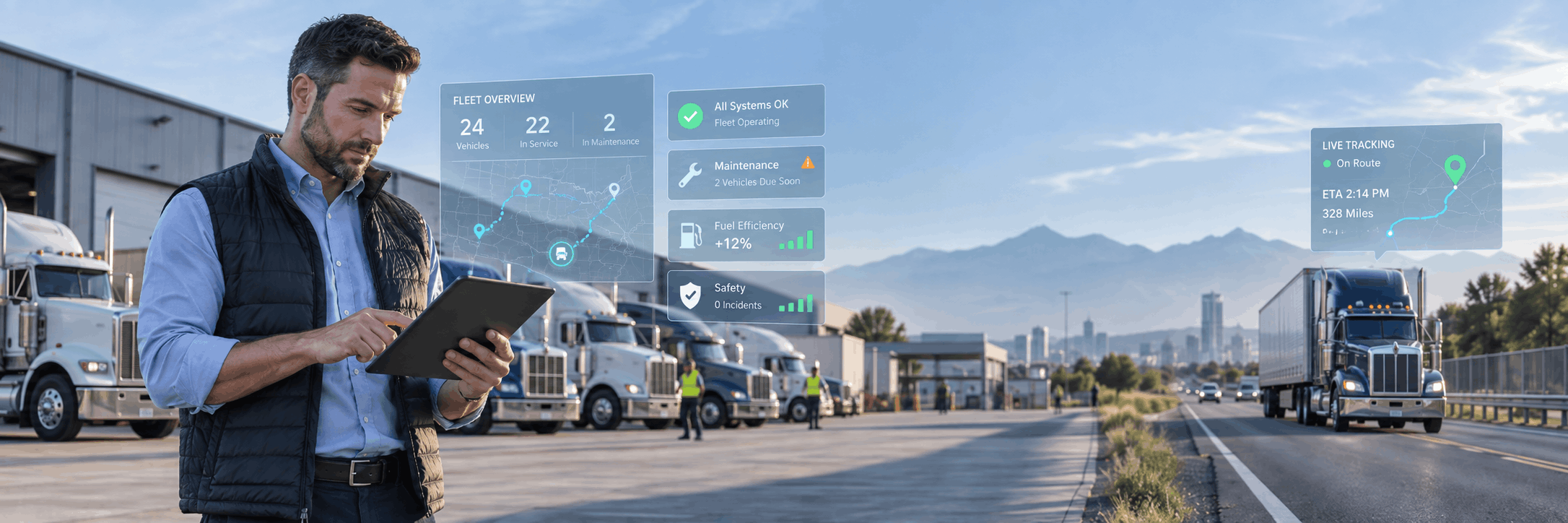
Instead, operational information becomes available through a single dashboard.
How EZLOGZ Helps Small and Mid-Sized Fleets
Technology is most effective when it works together.
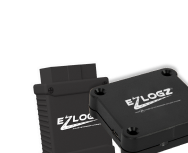
EZLOGZ provides an integrated fleet management platform that helps businesses manage vehicles, drivers, assets, and compliance requirements from a single system.
Rather than relying on multiple disconnected tools, fleet operators can access key operational information through one centralized platform.
GPS Fleet Tracking
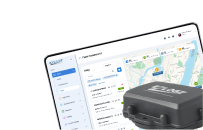
Real-time GPS tracking provides visibility into vehicle locations, route progress, and operational activity.
Managers can monitor fleet performance, improve dispatching decisions, and provide more accurate customer updates.
Driver Safety Solutions
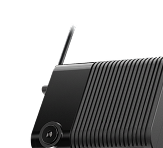
EZLOGZ combines AI-powered dash cameras with fleet tracking technology to help identify risky driving behaviors.
Managers gain visibility into:
- Speeding
- Distracted driving
- Harsh braking
- Aggressive acceleration
- Safety violations
This information supports coaching programs that improve driver performance and reduce risk.
Compliance Management
The platform also supports Electronic Logging Device (ELD) requirements and helps fleets manage Hours-of-Service compliance.
By automating compliance processes, businesses can reduce paperwork and simplify recordkeeping.
Maintenance and Asset Management
Fleet maintenance features help businesses schedule service, monitor vehicle health, and reduce unexpected downtime.
Asset tracking capabilities provide visibility into trailers, equipment, and other valuable resources.
Scalable Fleet Operations
As businesses grow, operational complexity increases.
Integrated platforms such as EZLOGZ help organizations maintain visibility and control while supporting future expansion.
Common Fleet Management Mistakes to Avoid
Even experienced fleet operators make mistakes that increase costs and reduce efficiency.
Recognizing these challenges is the first step toward improvement.
Mistake #1: Waiting Too Long to Adopt Technology
Some businesses continue relying on spreadsheets, paper forms, and manual processes long after they become inefficient.
Technology investments often generate returns through:
- Time savings
- Fuel reduction
- Improved safety
- Better asset utilization
Mistake #2: Ignoring Maintenance Data
Vehicle issues rarely appear without warning.
Ignoring maintenance indicators often leads to larger and more expensive problems later.
Mistake #3: Focusing Only on Costs
Reducing expenses is important, but focusing exclusively on cost reduction can create unintended consequences.
For example:
Delaying maintenance may reduce short-term spending but increase long-term repair costs.
A balanced approach typically delivers better results.
Mistake #4: Neglecting Driver Development
Drivers have a direct impact on fleet performance.
Investing in training, coaching, and safety programs often generates significant returns.
How to Calculate Fleet Management ROI
Fleet technology should be viewed as an investment rather than an expense.
Calculating ROI involves evaluating both cost savings and productivity improvements.
Fuel Savings
Improved routing and reduced idling frequently generate measurable fuel savings.
Maintenance Savings
Preventive maintenance reduces emergency repairs and extends vehicle lifespan.
Safety Improvements
Fewer accidents often lead to:
- Lower repair costs
- Reduced insurance expenses
- Less downtime
Productivity Gains
When drivers spend less time waiting, searching for information, or completing paperwork, they can complete more work each day.
These operational improvements often provide some of the largest returns on investment.
The Future of Fleet Management
Fleet technology continues to evolve rapidly.
Emerging innovations are helping organizations become more efficient, safer, and more data-driven.
Artificial Intelligence
AI is increasingly being used to analyze operational data and identify opportunities for improvement.
Potential applications include:
- Predictive maintenance
- Driver risk scoring
- Route optimization
- Automated dispatching
Connected Vehicles
Modern vehicles generate large amounts of operational data.
Connected vehicle technologies allow businesses to monitor vehicle health, performance, and utilization in real time.
Predictive Analytics
Rather than simply reporting what happened, predictive analytics helps organizations anticipate future challenges and opportunities.
This allows businesses to make more proactive decisions.
Unified Ecosystems
The future of fleet management lies in integration.
Businesses increasingly prefer solutions that combine tracking, compliance, safety, maintenance, and analytics within a single platform.
This approach reduces complexity while improving visibility across operations.
Managing a fleet does not have to be a constant struggle.
With the right strategies and technology in place, small and mid-sized businesses can gain greater control over their operations while reducing costs and improving efficiency.
GPS tracking, video telematics, preventive maintenance, digital inspections, fleet analytics, and integrated management platforms all contribute to stronger operational performance.
Organizations that embrace a proactive, data-driven approach are better positioned to improve safety, increase productivity, enhance customer satisfaction, and support long-term business growth.
The most successful fleets are not necessarily the largest fleets.
They are the fleets that use information effectively, continuously improve their operations, and leverage technology to create lasting competitive advantages.
FAQ
Fleet management involves overseeing vehicles, drivers, maintenance, fuel usage, compliance, safety, and operational performance.
Effective fleet management helps reduce operating costs, improve productivity, enhance customer service, and increase safety.
GPS tracking uses satellite technology and cellular networks to provide real-time location data through a fleet management platform.
Yes. Fleet software helps identify excessive idling, inefficient routes, and fuel-wasting driving behaviors.
Video telematics combines dash cameras, AI, and fleet-tracking data to improve driver safety and operational visibility.
Electronic Driver Vehicle Inspection Reports allow drivers to complete inspections digitally rather than using paper forms.
Maintenance schedules should be based on manufacturer recommendations, mileage, engine hours, and actual vehicle usage.
Absolutely. Small fleets often see significant improvements in efficiency, visibility, and cost control.
Common causes include poor route planning, excessive idling, vehicle downtime, manual processes, and limited operational visibility.
Driver coaching, video telematics, safety scorecards, and ongoing training programs can significantly improve safety performance.
Key features include GPS tracking, maintenance management, driver safety tools, reporting capabilities, compliance support, and scalability.
EZLOGZ combines GPS tracking, ELD compliance, AI dash cameras, maintenance management, asset tracking, and analytics into a single platform designed to improve visibility, efficiency, and control.