

Contents
- The Role of AI in Maintenance Alerts
- Why Predictive Maintenance Matters for Fleet Operations
- How AI Predictive Maintenance Works
- AI Predictive Maintenance and Fleet Digitalization
- Challenges of Implementing Predictive Maintenance
- The Future of AI Maintenance Alerts
- FAQ:
- 1. What is AI-powered predictive maintenance?
- 2. How does predictive maintenance differ from preventive maintenance?
- 3. What types of data are analyzed in AI predictive maintenance systems?
- 4. How do AI-powered maintenance alerts improve fleet safety?
- 5. Can predictive maintenance reduce fleet operating costs?
- 6. What role does telematics play in predictive maintenance?
- 7. Is predictive maintenance suitable for small and medium-sized fleets?
- 8. How accurate are AI-powered predictive maintenance systems?
- 9. Can predictive maintenance integrate with fleet management software?
- 10. Which industries benefit most from AI predictive maintenance?
- 11. What is the future of AI-driven predictive maintenance?
In modern fleet operations, unplanned vehicle downtime is more than an inconvenience – it is a direct threat to profitability, compliance, customer satisfaction, and operational continuity. As transportation and logistics companies face rising fuel costs, tighter delivery schedules, and increasing regulatory requirements, traditional maintenance strategies are no longer sufficient. Artificial Intelligence (AI) is transforming the industry through predictive maintenance alerts that proactively identify vehicle issues before they become costly failures.
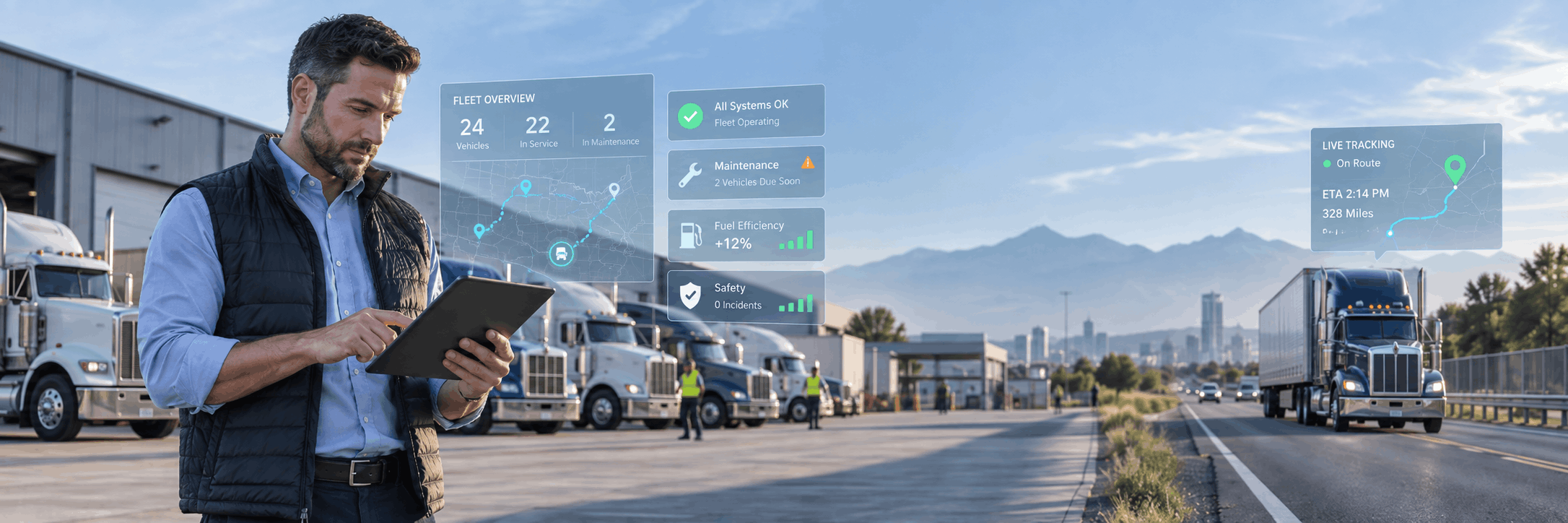
Platforms such as EZLOGZ are helping fleet operators modernize maintenance workflows through intelligent monitoring, telematics integration, and AI-driven operational insights. By leveraging predictive analytics, fleet managers can reduce unexpected breakdowns, optimize repair schedules, and extend vehicle lifespan while improving overall fleet efficiency.
Predictive maintenance refers to the use of real-time operational data, machine learning algorithms, and historical maintenance records to forecast when equipment or vehicle components are likely to fail. Unlike reactive maintenance, which occurs after a breakdown, or preventive maintenance, which follows fixed schedules, predictive maintenance identifies the optimal moment for service intervention.
Modern fleet vehicles generate massive amounts of telematics data through onboard sensors and electronic control units (ECUs). These systems continuously monitor:
- Engine temperature
- Oil pressure
- Brake performance
- Tire pressure
- Fuel efficiency
- Vibration patterns
- Battery condition
- Transmission performance
AI systems analyze these data streams in real time to identify anomalies, degradation trends, and hidden failure patterns that human operators may not detect manually.
The Role of AI in Maintenance Alerts
Traditional maintenance alerts typically rely on threshold-based rules. For example, a warning light may activate once oil pressure falls below a predefined level. However, AI-powered predictive maintenance operates differently.
Machine learning models evaluate combinations of variables simultaneously and identify subtle correlations between operating conditions and future failures. Instead of reacting to an immediate issue, AI predicts potential failures days or even weeks in advance.
For instance, a predictive AI system may detect:
- Gradual increases in engine vibration
- Abnormal fuel consumption patterns
- Irregular brake temperature fluctuations
- Progressive battery degradation
- Changes in transmission behavior
These indicators can trigger intelligent maintenance alerts before the vehicle experiences operational failure. According to recent fleet AI research, predictive systems can significantly reduce unplanned downtime and maintenance expenses through early intervention strategies.
Why Predictive Maintenance Matters for Fleet Operations
1. Reduction of Unplanned Downtime
Unexpected breakdowns disrupt delivery schedules, increase towing expenses, and negatively impact customer relationships. Predictive maintenance minimizes these disruptions by enabling fleet managers to service vehicles proactively during scheduled maintenance windows.
Research in fleet management demonstrates that predictive maintenance transforms “unplanned stops” into shorter and more manageable planned interventions.
2. Lower Maintenance Costs
Reactive repairs are often more expensive than preventive interventions because failures can damage interconnected components. AI-powered alerts allow technicians to resolve issues before they escalate into catastrophic failures.
For example, replacing a degrading component early may cost hundreds of dollars, while complete system failure could cost thousands and result in lost operational hours.
3. Improved Vehicle Lifespan
Continuous monitoring enables fleets to maintain vehicles according to actual operating conditions rather than arbitrary service intervals. This data-driven approach reduces unnecessary part replacements while preventing excessive wear.
4. Enhanced Safety
Vehicle failures on the road create serious safety risks for drivers and surrounding traffic. AI-powered maintenance systems identify hazardous mechanical conditions before they compromise vehicle safety.
Monitoring systems can detect brake deterioration, tire anomalies, engine overheating, or steering irregularities in advance, reducing accident risk and improving compliance with safety regulations.
5. Increased Operational Efficiency
Maintenance optimization contributes directly to operational efficiency. AI systems can coordinate repair schedules, parts availability, technician workloads, and route planning to minimize disruptions across the fleet.
This integration supports smarter resource allocation and better fleet utilization.
How AI Predictive Maintenance Works
AI-powered predictive maintenance systems typically operate through five core stages:
Data Collection
Vehicles equipped with telematics devices and IoT sensors continuously generate operational data. Modern fleet management platforms aggregate information from multiple sources, including CAN bus diagnostics, GPS tracking, fuel systems, and engine sensors.
Data Transmission
Collected data is transmitted securely to cloud-based fleet management systems in real time. Cloud infrastructure allows scalable storage and rapid processing of large datasets.
Pattern Recognition
Machine learning algorithms analyze both historical and live data to identify patterns associated with mechanical degradation or abnormal behavior.
Predictive Modeling
AI models forecast the probability of component failure using predictive analytics and statistical learning techniques. Advanced systems continuously refine their models as new operational data becomes available.
Intelligent Alerting
When the system identifies elevated risk levels, automated maintenance alerts are sent to fleet managers and technicians. These alerts may include:
- Estimated failure timelines
- Severity assessments
- Recommended maintenance actions
- Vehicle prioritization
- Service scheduling suggestions
AI Predictive Maintenance and Fleet Digitalization
Predictive maintenance is becoming a foundational component of intelligent fleet management ecosystems. Modern fleet platforms combine AI maintenance tools with:
- GPS fleet tracking
- Driver behavior monitoring
- Fuel management
- Electronic logging devices (ELDs)
- Compliance reporting
- Route optimization
- Operational analytics
Integrated fleet platforms such as EZLOGZ Fleet Management Solutions provide businesses with centralized visibility into fleet performance and maintenance operations.
The convergence of AI, IoT, and telematics enables organizations to transition from reactive fleet management toward predictive and data-driven operational strategies.
Challenges of Implementing Predictive Maintenance
Despite its advantages, predictive maintenance implementation presents several challenges.
Data Quality
AI models require accurate and consistent data inputs. Incomplete sensor data or fragmented maintenance records can reduce prediction accuracy.
Integration Complexity
Fleet operators often use multiple disconnected systems for maintenance, dispatching, compliance, and telematics. Successful predictive maintenance requires integration across these platforms.
Workforce Adaptation
Maintenance teams and fleet managers must adapt to data-driven decision-making processes. Organizations may require additional training to fully utilize AI-powered systems.
Explainability and Trust
As AI systems become more advanced, explainability becomes increasingly important. Fleet operators need transparency regarding how maintenance predictions are generated to build operational trust. Recent research highlights explainable AI as a critical area for predictive maintenance development.
The Future of AI Maintenance Alerts
The future of predictive maintenance will likely involve even greater automation and intelligence. Emerging technologies are expected to enhance:
- Real-time anomaly detection
- Autonomous diagnostics
- Predictive parts inventory management
- Maintenance scheduling automation
- Digital twin simulations
- AI-assisted repair recommendations
As machine learning models continue improving, predictive systems may eventually forecast failures with greater precision and longer lead times, allowing fleets to optimize maintenance operations at unprecedented levels.
Industry trends already indicate that AI-powered fleet management is rapidly becoming a competitive necessity rather than an optional enhancement.
AI-powered predictive maintenance alerts are reshaping fleet management by enabling organizations to move from reactive repairs to proactive operational intelligence. Through real-time monitoring, machine learning, and advanced telematics analysis, fleets can reduce downtime, lower maintenance costs, improve safety, and maximize asset performance.
As transportation operations become increasingly data-driven, predictive maintenance will play a central role in improving reliability and operational resilience. Companies that adopt intelligent fleet technologies today position themselves for greater efficiency, scalability, and long-term competitiveness.
With integrated solutions like EZLOGZ, fleet operators can leverage AI-driven maintenance insights to maintain safer, smarter, and more profitable transportation operations.
FAQ:
1. What is AI-powered predictive maintenance?
AI-powered predictive maintenance is an advanced maintenance methodology that uses artificial intelligence, machine learning, telematics, and sensor-generated data to predict potential vehicle or equipment failures before they occur. Unlike reactive maintenance models, predictive systems proactively identify operational anomalies, enabling fleet operators to perform maintenance interventions before breakdowns disrupt operations.
2. How does predictive maintenance differ from preventive maintenance?
Preventive maintenance relies on predefined service intervals based on mileage, operating hours, or calendar schedules, regardless of the actual condition of vehicle components. Predictive maintenance, by contrast, continuously evaluates real-time operational data to determine when maintenance is genuinely required. This data-driven approach improves maintenance precision, minimizes unnecessary servicing, and significantly reduces operational costs.
3. What types of data are analyzed in AI predictive maintenance systems?
AI predictive maintenance systems analyze a broad range of telematics and diagnostic information, including:
- Engine temperature
- Oil pressure
- Fuel efficiency and consumption
- Tire pressure
- Brake system performance
- Battery condition
- Transmission diagnostics
- Vehicle vibration patterns
- GPS and route analytics
By analyzing these datasets collectively, AI algorithms can identify hidden failure trends and abnormal operating behaviors that may not be visible through conventional monitoring methods.
4. How do AI-powered maintenance alerts improve fleet safety?
AI-driven maintenance alerts enhance fleet safety by identifying mechanical irregularities before they evolve into critical failures. Early detection of issues such as brake deterioration, engine overheating, tire wear anomalies, or steering instability helps reduce the likelihood of accidents, roadside breakdowns, and compliance violations. As a result, predictive maintenance contributes directly to safer transportation operations and improved driver protection.
5. Can predictive maintenance reduce fleet operating costs?
Yes. Predictive maintenance significantly reduces operational expenditures by minimizing emergency repairs, reducing vehicle downtime, preventing secondary mechanical damage, and optimizing maintenance schedules. Organizations also benefit from improved asset utilization, lower towing and repair expenses, enhanced fuel efficiency, and longer vehicle service life.
6. What role does telematics play in predictive maintenance?
Telematics serves as the foundational infrastructure for predictive maintenance systems. Connected fleet devices and onboard sensors continuously collect real-time vehicle performance data, which is transmitted to centralized fleet management platforms. AI algorithms then analyze this information to generate predictive insights, maintenance recommendations, and automated service alerts.
7. Is predictive maintenance suitable for small and medium-sized fleets?
Predictive maintenance technologies are increasingly accessible to fleets of all sizes. Small and medium-sized transportation companies can benefit substantially from AI-powered maintenance systems by improving vehicle reliability, reducing unexpected repair costs, and enhancing operational efficiency without requiring extensive internal technical resources.
8. How accurate are AI-powered predictive maintenance systems?
The accuracy of predictive maintenance systems depends on several factors, including sensor quality, historical maintenance records, data consistency, and machine learning model sophistication. Modern AI systems continuously refine their predictive capabilities through ongoing operational learning, enabling increasingly precise failure forecasting and maintenance optimization over time.
9. Can predictive maintenance integrate with fleet management software?
Yes. Modern predictive maintenance solutions are typically integrated into broader fleet management ecosystems that include GPS tracking, electronic logging devices (ELDs), fuel management systems, route optimization, compliance monitoring, and driver behavior analytics. Integrated platforms provide centralized visibility into fleet operations, maintenance planning, and asset performance.
10. Which industries benefit most from AI predictive maintenance?
AI-powered predictive maintenance delivers substantial value across industries that depend heavily on transportation assets and operational continuity, including:
- Trucking and logistics
- Freight transportation
- Public transit systems
- Construction and heavy equipment fleets
- Delivery and distribution services
- Oil and gas transportation
- Utility and municipal vehicle operations
Any organization that relies on vehicle uptime, safety, and operational efficiency can benefit from predictive maintenance technologies.
11. What is the future of AI-driven predictive maintenance?
The future of AI-driven predictive maintenance is expected to involve greater automation, real-time anomaly detection, digital twin simulations, autonomous diagnostics, and AI-assisted repair recommendations. As machine learning technologies continue evolving, predictive systems will become increasingly accurate, scalable, and essential to intelligent fleet management strategies. These advancements will enable organizations to optimize maintenance operations with unprecedented precision and operational resilience.