

Contents
- Why Long-Term Fleet Planning Has Become a Strategic Imperative
- The Evolution of Predictive Modeling in Fleet Management
- Building a Data Foundation for Predictive Fleet Planning
- Predictive Maintenance and Asset Lifecycle Management
- Forecasting Fleet Demand and Capacity Requirements
- Optimizing Vehicle Acquisition and Replacement Strategies
- Route Optimization Through Predictive Intelligence
- Predictive Fuel Management and Cost Control
- Driver Analytics and Workforce Planning
- Financial Forecasting and Strategic Budget Planning
- Overcoming Challenges in Predictive Analytics Adoption
- How EZlogz Supports Predictive Fleet Planning
- The Future of Long-Term Fleet Planning
Why Long-Term Fleet Planning Has Become a Strategic Imperative
The Increasing Complexity of Fleet Operations
Modern fleet operators must navigate a business environment characterized by fluctuating fuel prices, rising maintenance costs, evolving regulatory frameworks, labor shortages, and growing customer expectations. These challenges make long-term planning essential for maintaining operational stability and financial performance.
The Limitations of Reactive Fleet Management
Many organizations continue to make planning decisions based on historical reports and short-term operational demands. While this approach may address immediate concerns, it often fails to anticipate future risks, resulting in higher costs, reduced efficiency, and diminished competitiveness.
The Emergence of Predictive Decision-Making
Advancements in telematics, artificial intelligence, and data analytics have enabled organizations to shift from reactive management toward predictive and proactive planning models. This transition is redefining how fleets allocate resources, manage assets, and pursue long-term growth.
The Evolution of Predictive Modeling in Fleet Management
Understanding Predictive Analytics
Predictive modeling uses historical and real-time data to forecast future operational outcomes. By identifying patterns and correlations across large datasets, organizations can make informed decisions with greater confidence and accuracy.
From Historical Reporting to Future Forecasting
Traditional reporting explains what has already happened. Predictive analytics goes further by estimating what is likely to happen next and identifying the factors that may influence future outcomes.
Core Technologies Driving Predictive Models
- Artificial intelligence
- Machine learning algorithms
- Advanced statistical analysis
- Internet of Things (IoT) technologies
- Telematics systems
- Cloud-based analytics platforms
Building a Data Foundation for Predictive Fleet Planning
The Role of Fleet Data in Forecasting Accuracy
The effectiveness of predictive models depends on the quality, consistency, and volume of available data. Organizations that establish strong data collection practices are better positioned to generate reliable forecasts.
Key Sources of Predictive Intelligence
Vehicle Telematics Data
Information related to vehicle location, utilization, engine performance, and operational status.
Maintenance and Repair Histories
Records that reveal recurring failures, service intervals, component wear patterns, and asset health trends.
Driver Performance Metrics
Data associated with speeding, harsh braking, idling, fuel efficiency, and safety-related behaviors.
Operational and Environmental Variables
Traffic patterns, weather conditions, seasonal demand fluctuations, and economic indicators.
Breaking Down Data Silos
The importance of integrating multiple operational systems into a unified fleet management platform.
Predictive Maintenance and Asset Lifecycle Management
The Financial Impact of Unplanned Downtime
Unexpected vehicle failures remain one of the most costly challenges in fleet operations, affecting productivity, customer service, and profitability.
Transitioning from Preventive to Predictive Maintenance
Rather than servicing vehicles according to fixed schedules, predictive maintenance uses real-time operational data to determine when maintenance is genuinely required.
Detecting Failures Before They Occur
- Engine diagnostics analysis
- Sensor-based condition monitoring
- Component degradation forecasting
- Automated maintenance alerts
Extending Asset Lifecycles Through Predictive Insights
Improved maintenance planning can significantly increase vehicle longevity while reducing repair expenditures and capital replacement costs.
Forecasting Fleet Demand and Capacity Requirements
Understanding Demand Variability
Transportation demand is influenced by numerous factors, including seasonality, market conditions, customer behavior, and economic trends.
Anticipating Future Capacity Needs
Predictive analytics enables organizations to estimate future transportation requirements and align fleet resources accordingly.
Preventing Overcapacity and Underutilization
Excess vehicles increase operational costs, while insufficient capacity limits growth opportunities and service performance.
Supporting Strategic Expansion Plans
Predictive forecasting provides valuable insights when entering new markets, expanding service areas, or acquiring additional assets.
Optimizing Vehicle Acquisition and Replacement Strategies
The Challenges of Fleet Replacement Planning
Replacing assets too early can increase capital expenditures, while replacing them too late can increase maintenance costs and operational risks.
Predicting Total Cost of Ownership
Advanced forecasting models help organizations evaluate the long-term financial implications of vehicle ownership.
Data-Driven Asset Procurement Decisions
Fleet managers can identify the most cost-effective replacement timelines based on utilization patterns, maintenance history, and projected operating expenses.
Improving Capital Allocation
Predictive insights support more informed investment decisions and long-term budgeting initiatives.
Route Optimization Through Predictive Intelligence
Beyond Traditional Route Planning
Conventional routing systems often focus on current conditions, whereas predictive analytics incorporates historical trends and future forecasts.
Forecasting Traffic and Congestion Patterns
Analyzing recurring traffic behaviors helps organizations minimize delays and improve operational efficiency.
Enhancing Delivery Performance
Predictive routing improves schedule accuracy, delivery reliability, and customer satisfaction.
Maximizing Resource Utilization
Optimized routing reduces unnecessary mileage, vehicle wear, and fuel consumption.
Predictive Fuel Management and Cost Control
Understanding Fuel as a Strategic Cost Driver
Fuel expenditures represent one of the largest ongoing costs in fleet operations.
Identifying Consumption Trends
Predictive models can reveal inefficiencies associated with routes, vehicles, and driving behaviors.
Forecasting Future Fuel Requirements
Organizations can improve budgeting accuracy by anticipating fuel demand under different operating scenarios.
Supporting Sustainability Objectives
Reduced fuel consumption contributes to lower emissions and stronger environmental performance.
Driver Analytics and Workforce Planning
The Human Factor in Fleet Performance
Drivers play a critical role in operational efficiency, safety outcomes, and cost management.
Predicting Safety Risks
Driver behavior analytics can identify patterns associated with increased accident probability.
Workforce Forecasting and Resource Allocation
Predictive modeling assists organizations in planning staffing requirements and scheduling resources more effectively.
Reducing Turnover and Improving Retention
Data-driven insights can help identify operational factors that influence driver satisfaction and long-term retention.
Financial Forecasting and Strategic Budget Planning
Moving Beyond Static Budget Models
Traditional budgeting methods often fail to account for changing operational conditions.
Predicting Operational Expenditures
- Maintenance costs
- Fuel expenses
- Labor costs
- Insurance expenditures
- Compliance-related expenses
Scenario-Based Financial Planning
Organizations can model multiple future scenarios and evaluate their potential financial impacts.
Strengthening Organizational Resilience
Predictive forecasting improves preparedness for economic uncertainty and market fluctuations.
Overcoming Challenges in Predictive Analytics Adoption
Data Quality and Accuracy Concerns
Poor-quality data remains one of the most significant barriers to successful predictive modeling initiatives.
Technology Integration Challenges
Organizations frequently struggle to consolidate data across multiple operational systems.
Organizational Readiness and Change Management
Successful implementation requires executive support, employee training, and clearly defined objectives.
Establishing a Culture of Data-Driven Decision-Making
Predictive analytics delivers the greatest value when integrated into daily operational and strategic planning processes.
How EZlogz Supports Predictive Fleet Planning
Creating a Unified Operational Ecosystem
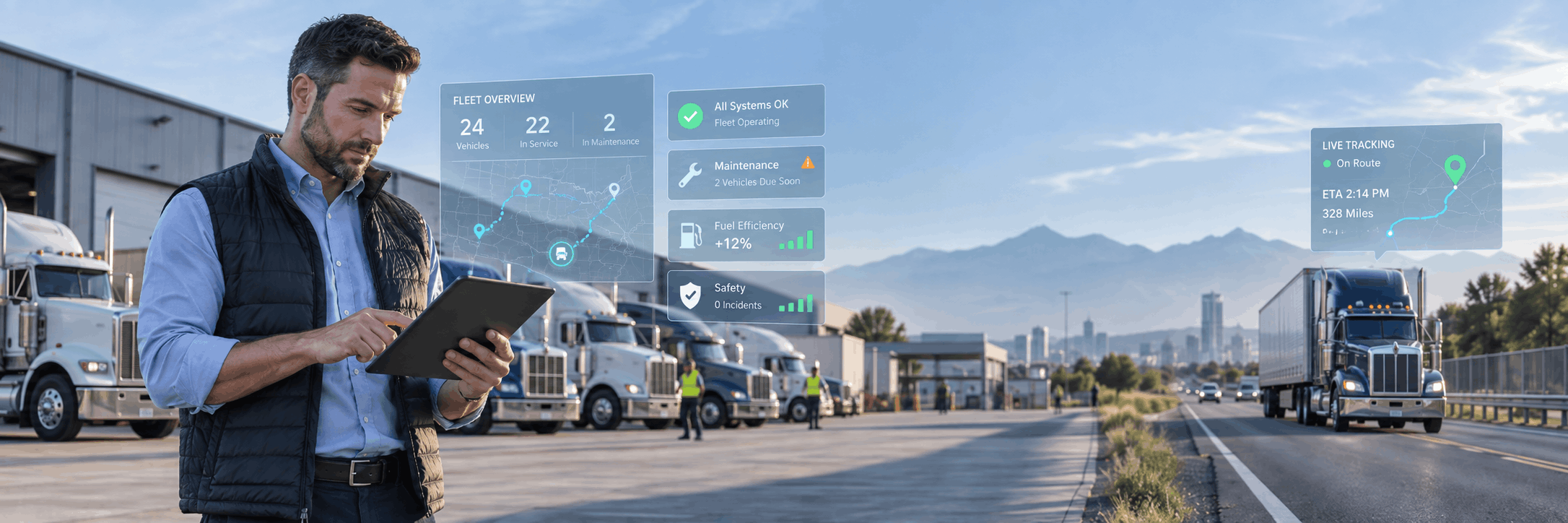
EZlogz centralizes fleet data from multiple sources, providing a comprehensive operational view that supports advanced analytics and strategic decision-making.
Enabling Real-Time Visibility Across Fleet Operations
Integrated GPS tracking, telematics monitoring, driver performance analytics, and maintenance management capabilities provide organizations with actionable operational intelligence.
Supporting Predictive Maintenance Initiatives
Continuous vehicle monitoring helps identify potential maintenance issues before they disrupt operations.
Improving Long-Term Planning Accuracy
By transforming operational data into meaningful insights, EZlogz enables organizations to make more informed decisions regarding asset management, resource allocation, and future growth strategies.
The Future of Long-Term Fleet Planning
The Rise of Artificial Intelligence in Transportation
Artificial intelligence is expected to play an increasingly important role in fleet forecasting, optimization, and decision support.
Connected Fleet Ecosystems and Real-Time Intelligence
Advances in connected vehicle technologies will provide unprecedented levels of operational visibility and predictive capability.
Toward Autonomous Operational Planning
Future fleet management systems will increasingly automate forecasting, maintenance scheduling, route optimization, and resource allocation processes.
Building Resilient, Data-Driven Fleet Operations
Organizations that embrace predictive modeling today will be better positioned to manage uncertainty, optimize performance, and sustain competitive advantages in an increasingly complex transportation landscape.
Predictive modeling is the use of historical and real-time fleet data to forecast future operational outcomes. By applying statistical analysis, machine learning algorithms, and advanced analytics, fleet operators can anticipate maintenance needs, estimate future demand, optimize resource allocation, and make more informed strategic decisions.
Predictive modeling enables organizations to identify trends and potential risks before they affect operations. This proactive approach supports more accurate forecasting of vehicle utilization, maintenance requirements, fuel consumption, staffing needs, and capital investments, leading to more effective long-term planning.
Predictive fleet analytics typically relies on data from telematics systems, GPS tracking, maintenance records, fuel management platforms, driver behavior monitoring tools, route histories, traffic information, and environmental conditions. Combining these data sources improves forecasting accuracy and operational visibility.
Preventive maintenance follows predefined service schedules based on mileage or time intervals. Predictive maintenance, by contrast, uses real-time vehicle data and predictive algorithms to determine when maintenance is actually needed. This approach helps reduce unnecessary servicing while minimizing the risk of unexpected breakdowns.
Yes. Predictive modeling helps reduce costs by improving maintenance planning, optimizing fuel consumption, enhancing route efficiency, extending vehicle lifecycles, and reducing unplanned downtime. These improvements contribute to lower overall operating expenses and stronger financial performance.
Predictive analytics provides insights into future transportation demand, asset utilization trends, and capacity requirements. These forecasts help organizations determine when to acquire new vehicles, expand service areas, hire additional drivers, or invest in supporting infrastructure.
Artificial intelligence enhances predictive modeling by identifying complex patterns within large datasets and continuously improving forecasting accuracy. AI-powered systems can automate risk detection, maintenance forecasting, route optimization, and operational recommendations, enabling more efficient decision-making.
Modern fleet management platforms consolidate operational data into a centralized environment where predictive analytics can be applied effectively. Solutions such as EZlogz provide visibility into vehicle performance, driver behavior, maintenance activities, and operational trends, helping organizations make data-driven decisions that support long-term fleet growth and efficiency.