

Contents:
- Why ELD Reliability Matters for Modern Fleet Operations
- The Most Common ELD Problems Fleets Encounter
- What Remote Fleet Diagnostics Means in Today’s Industry
- How Remote Diagnostics Detect ELD Issues Before They Cause Downtime
- Solving ELD Problems Remotely
- Business Benefits of Remote Fleet Diagnostics
- The Role of AI and Advanced Analytics in Fleet Diagnostics
- Best Practices for Maintaining ELD Performance
- How EZlogz Helps Fleets Resolve ELD Issues Remotely
Why ELD Reliability Matters for Modern Fleet Operations
Electronic Logging Devices (ELDs) have become an essential component of fleet management, helping carriers maintain compliance with Hours of Service (HOS) regulations while improving operational visibility. However, when an ELD stops functioning properly, the consequences can extend far beyond compliance concerns. Drivers may lose access to critical records, dispatchers may face gaps in fleet visibility, and maintenance teams may struggle to identify the root cause of the issue. In many cases, a seemingly minor ELD malfunction can result in costly downtime, delayed deliveries, and administrative burdens.
As fleet operations become increasingly dependent on connected technologies, reliability has become a key performance factor. Every minute a vehicle spends offline can impact productivity and customer satisfaction. This is why modern fleets are moving beyond reactive troubleshooting and adopting remote diagnostic capabilities that allow technical issues to be identified and resolved before they disrupt operations.
The Most Common ELD Problems Fleets Encounter
While ELD technology has significantly improved over the years, device-related issues remain common across fleets of all sizes. Connectivity problems are among the most frequent challenges. Cellular network interruptions, GPS signal loss, and synchronization delays can prevent critical data from reaching fleet management systems in real time. When this occurs, drivers and fleet managers may not have access to the accurate information needed for compliance and operational decision-making.
Hardware failures also contribute to ELD downtime. Damaged cables, loose ECM connections, power interruptions, and defective devices can disrupt communication between the truck and the ELD. These issues often require troubleshooting that traditionally involved service appointments or physical inspections.
Software-related problems present another challenge. Outdated firmware, configuration errors, and application bugs may cause inaccurate reporting, synchronization failures, or unexpected device behavior. Without proper diagnostic tools, identifying the source of these issues can consume valuable time and resources.
What Remote Fleet Diagnostics Means in Today’s Industry
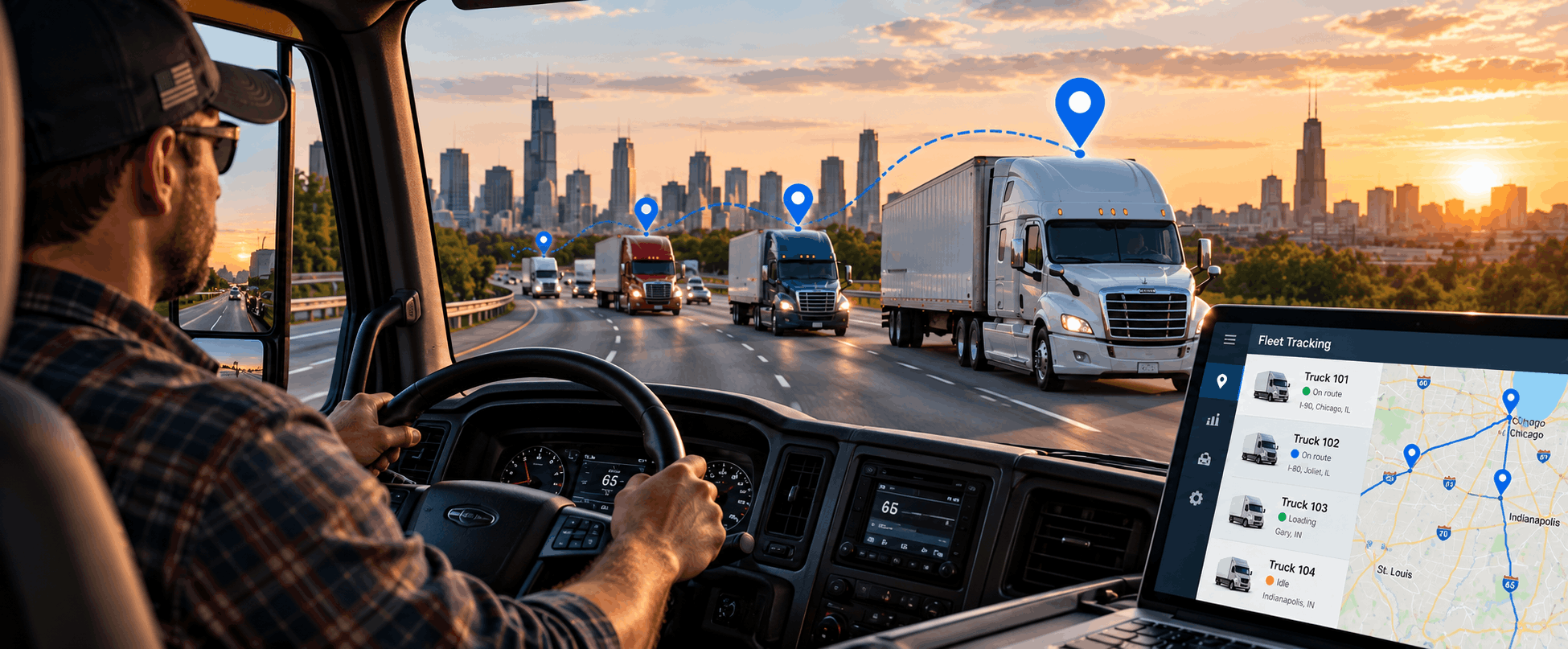
Remote fleet diagnostics refers to the ability to monitor, analyze, and troubleshoot vehicle systems and ELD performance from a centralized location without requiring physical access to the vehicle. By leveraging telematics, cloud computing, and real-time data transmission, fleet managers can gain immediate visibility into device status and vehicle health across the entire fleet.
Modern diagnostic platforms continuously collect information from connected vehicles and ELD systems. This data is analyzed to detect abnormalities, communication failures, hardware issues, and software errors. Instead of waiting for drivers to report problems after they occur, fleet managers receive proactive alerts that help identify potential issues early.
Cloud-based diagnostic solutions have transformed fleet maintenance by making vehicle and ELD information accessible from virtually anywhere. Whether managing ten vehicles or thousands, fleet operators can monitor performance, review diagnostic codes, and initiate corrective actions without interrupting daily operations.
How Remote Diagnostics Detect ELD Issues Before They Cause Downtime
One of the greatest advantages of remote diagnostics is its ability to identify problems before they escalate into operational disruptions. Modern fleet management systems continuously monitor key performance indicators and device health metrics. When unusual patterns are detected, automated alerts notify fleet managers of potential concerns.
For example, if an ELD begins experiencing intermittent communication failures with the engine control module, the system can identify the issue before complete connectivity is lost. Similarly, software performance issues can be detected through monitoring tools that track synchronization rates, data transmission quality, and system responsiveness.
Predictive maintenance capabilities take diagnostics even further. By analyzing historical data and recurring patterns, advanced systems can identify warning signs associated with future failures. This proactive approach allows maintenance teams to schedule repairs before a malfunction impacts compliance or vehicle availability.
Solving ELD Problems Remotely
Traditional troubleshooting often required drivers to visit service centers or contact technical support for manual assistance. Remote diagnostics significantly reduces these disruptions by enabling technical teams to address many issues remotely.
Over-the-air software updates are among the most effective tools for maintaining ELD reliability. Software patches, security updates, and firmware improvements can be deployed remotely without requiring vehicles to leave service. This ensures devices remain compliant and operate with the latest features and performance enhancements.
Remote device management also allows administrators to adjust configurations, reset systems, and restore functionality without physical intervention. In many cases, issues that previously required hours of downtime can now be resolved within minutes. Drivers benefit from faster support while fleets maintain operational continuity.
By minimizing the need for service appointments and reducing troubleshooting delays, remote diagnostics help fleets keep vehicles on the road and productive.
Business Benefits of Remote Fleet Diagnostics
The operational advantages of remote diagnostics extend beyond technical troubleshooting. One of the most significant benefits is reduced fleet downtime. When issues are identified and resolved quickly, vehicles spend less time out of service, improving utilization rates and delivery performance.
Compliance management also becomes more efficient. Reliable ELD performance ensures accurate Hours of Service data collection, helping fleets avoid violations and regulatory penalties. Automated monitoring reduces the risk of missing records and provides greater confidence during roadside inspections and audits.
Cost reduction represents another major benefit. Emergency repairs and unscheduled maintenance events are often more expensive than planned interventions. Remote diagnostics supports proactive maintenance strategies that help reduce repair costs, extend equipment lifespan, and improve overall fleet efficiency.
In addition, centralized visibility allows fleet managers to make more informed decisions based on real-time data. Access to vehicle status, diagnostic information, and performance metrics supports more effective resource allocation and operational planning.
The Role of AI and Advanced Analytics in Fleet Diagnostics
Artificial intelligence is playing an increasingly important role in fleet management and diagnostics. AI-powered systems can process vast amounts of vehicle and operational data to identify trends that may be difficult for humans to detect manually.
Machine learning algorithms analyze historical performance data to predict equipment failures, identify recurring issues, and recommend corrective actions. This enables fleets to move from reactive maintenance strategies toward predictive maintenance models that improve reliability and reduce costs.
Advanced analytics also helps fleets identify systemic problems affecting multiple vehicles. Rather than treating each issue as an isolated event, fleet managers can gain insights into broader trends involving specific devices, vehicle models, or operational conditions.
As AI technology continues to evolve, its integration with remote diagnostics will further improve accuracy, efficiency, and fleet performance.
Best Practices for Maintaining ELD Performance
Maximizing ELD reliability requires a proactive approach. Regular software and firmware updates help ensure devices remain secure, compliant, and fully functional. Fleet managers should establish processes to monitor updates and implement them promptly across the fleet.
Driver training is equally important. Drivers should understand how to recognize warning signs, report issues quickly, and follow troubleshooting procedures when necessary. Early reporting can prevent minor problems from becoming major operational disruptions.
Routine monitoring of diagnostic alerts and performance data enables maintenance teams to identify issues before they affect operations. Combined with preventive maintenance strategies, this approach helps maintain high levels of reliability and compliance.
Selecting an integrated fleet management platform that combines ELD functionality, diagnostics, telematics, and compliance tools provides fleets with the visibility and control needed to operate efficiently in today’s transportation environment.
How EZlogz Helps Fleets Resolve ELD Issues Remotely
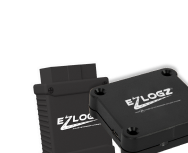
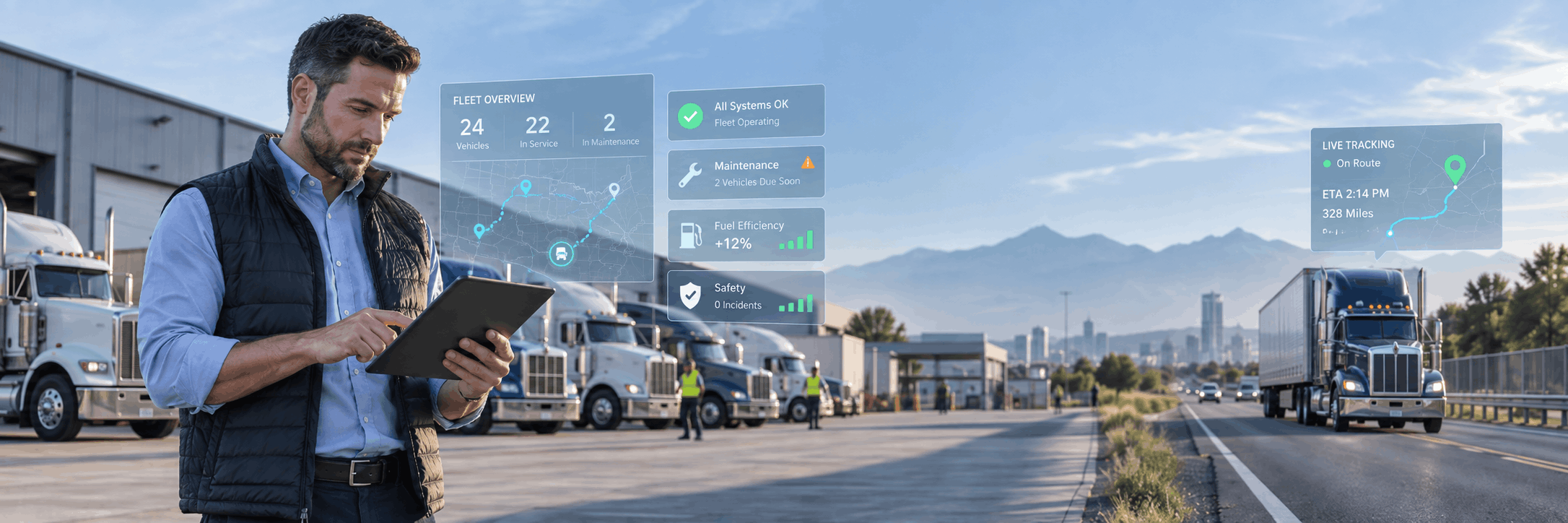
EZlogz provides fleet operators with advanced diagnostic and fleet management capabilities designed to minimize downtime and improve operational efficiency. Through real-time vehicle monitoring, integrated telematics, and cloud-based management tools, fleet managers gain immediate visibility into ELD performance and vehicle health.
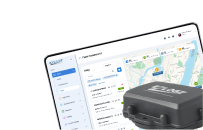
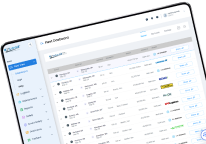
The EZlogz platform supports proactive issue detection, remote troubleshooting, and over-the-air updates that help keep vehicles compliant and operational. By centralizing critical fleet data on a single platform, operators can respond to issues faster and make informed decisions based on real-time data.
As fleets continue to embrace digital transformation, remote diagnostics is becoming an essential component of modern fleet management. Solutions such as EZlogz help carriers reduce downtime, improve compliance, and maintain the reliability needed to remain competitive in an increasingly demanding transportation industry.
Remote fleet diagnostics is a technology that allows fleet managers to monitor vehicle systems, ELD performance, and diagnostic data in real time without physically inspecting the vehicle. It enables faster issue detection, troubleshooting, and maintenance planning through cloud-based platforms and telematics systems.
Remote diagnostics identifies potential issues before they become critical failures. By detecting faults early and enabling remote troubleshooting, fleets can resolve problems faster, reduce service interruptions, and keep vehicles on the road longer.
Many ELD-related issues can be resolved remotely through software updates, device reconfiguration, system resets, and diagnostic troubleshooting. Remote management tools eliminate the need for many in-person service visits, significantly reducing downtime.
Common ELD issues include connectivity interruptions, GPS signal loss, synchronization errors, software bugs, hardware failures, engine control module communication problems, and outdated firmware that can affect device performance and compliance reporting.
Predictive maintenance uses historical data and advanced analytics to identify patterns that may indicate future failures. This allows maintenance teams to address issues proactively before they lead to device malfunctions or vehicle downtime.
Real-time monitoring provides immediate visibility into vehicle status, driver activity, ELD health, and diagnostic alerts. This allows fleet managers to respond quickly to issues, improve operational efficiency, and maintain regulatory compliance.
Yes. Reliable ELD performance ensures accurate Hours of Service data collection and reporting. By identifying and resolving ELD issues quickly, remote diagnostics helps fleets maintain compliance and reduce the risk of violations during inspections and audits.
Artificial intelligence helps analyze large volumes of fleet data to identify trends, predict equipment failures, and recommend maintenance actions. AI-powered diagnostics enables fleets to move from reactive repairs to proactive maintenance strategies.
Remote diagnostics helps lower operational costs by reducing emergency repairs, minimizing vehicle downtime, decreasing service appointments, optimizing maintenance schedules, and improving overall fleet productivity.
EZlogz provides real-time vehicle monitoring, ELD diagnostics, remote troubleshooting capabilities, telematics integration, and cloud-based fleet management tools. These features help fleets detect issues early, maintain compliance, and reduce costly downtime across their operations.