

The transportation industry operates in an increasingly demanding regulatory environment, where carriers must continually demonstrate compliance with a broad range of federal and state requirements. Regulatory frameworks governing Hours of Service (HOS), Electronic Logging Devices (ELDs), Driver Vehicle Inspection Reports (DVIRs), International Fuel Tax Agreement (IFTA) reporting, and Department of Transportation (DOT) standards establish strict expectations regarding recordkeeping, operational transparency, and safety performance. As regulatory agencies place greater emphasis on accountability and data accuracy, carriers are expected to maintain comprehensive documentation that can withstand detailed audits, inspections, and compliance reviews.
The complexity of modern compliance management extends beyond simply collecting information. Fleet operators must ensure that records remain accurate, accessible, and up to date across multiple operational functions. Driver activity logs, vehicle maintenance histories, fuel purchase records, mileage tracking data, inspection reports, and safety documentation must be consistently maintained and readily available when requested by regulatory authorities. Even minor discrepancies can lead to compliance concerns, financial penalties, unfavorable safety ratings, or increased regulatory scrutiny.
As fleet operations grow in scale and geographic reach, managing compliance through manual processes becomes progressively more difficult. Paper-based documentation systems, disconnected software platforms, and labor-intensive administrative workflows often create inefficiencies that increase the likelihood of human error. Administrative teams may spend substantial amounts of time gathering information from multiple sources, reconciling conflicting records, and preparing documentation for regulatory reviews. These challenges become particularly significant during audits, when organizations are required to provide extensive historical records within limited timeframes.
In addition to operational complexity, transportation companies must adapt to evolving regulatory requirements and industry best practices. Regulatory changes frequently introduce new reporting obligations, updated compliance standards, and enhanced enforcement measures. Organizations that rely on fragmented compliance processes may struggle to respond effectively to these changes, increasing their exposure to operational and financial risk.
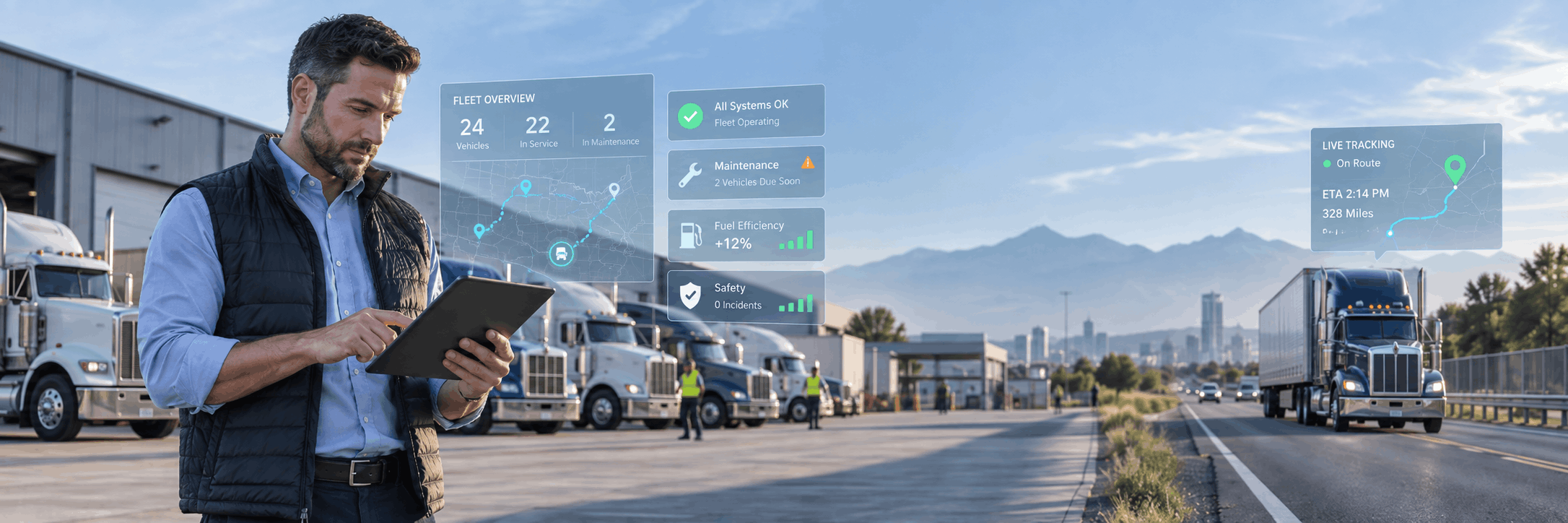
To address these challenges, fleet operators are increasingly adopting automated compliance solutions that not only centralize data collection and streamline reporting workflows but also enable differentiation through real-time insight, rapid data consolidation, and seamless integration tailored to the transportation industry. Modern fleet management technologies uniquely unify information from ELDs, GPS tracking systems, driver applications, maintenance platforms, and fuel management tools, creating an end-to-end compliance ecosystem distinct from manual or fragmented approaches. This centralized, industry-focused approach reduces the risk of errors and empowers carriers to demonstrate best-in-class compliance.
By leveraging integrated technologies, organizations gain exclusive advantages such as real-time operational transparency, superior data accuracy, and more efficient compliance management than is possible with legacy or manual systems. Automated solutions uniquely reduce administrative burdens and support smarter, faster decision-making, enabling fleet managers to proactively identify and resolve compliance issues before they escalate. As a result, organizations transition from reactive compliance to proactive risk mitigation, uniquely positioning themselves for continuous operational improvement.
Building a Sustainable Framework for Compliance Excellence
Maintaining regulatory compliance requires far more than periodic reporting and reactive audit preparation. In today’s transportation environment, compliance must be viewed as an ongoing organizational function that supports safety, operational efficiency, and long-term business sustainability. Leading fleet organizations recognize that sustainable compliance performance depends on establishing a structured framework supported by automation, real-time visibility, and standardized reporting processes.
A sustainable compliance strategy begins with creating a centralized information environment in which operational data is continuously collected, validated, and maintained. Rather than relying on isolated records maintained by different departments, modern compliance programs integrate data across the organization to provide a comprehensive view of regulatory performance. This approach improves consistency, enhances accountability, and enables more effective oversight of compliance-related activities.
Automated audit preparation and compliance reporting technologies play a critical role in supporting this framework. By continuously collecting and organizing operational data, these solutions reduce administrative workloads while improving the accuracy, completeness, and accessibility of critical records. Automated workflows eliminate many manual processes associated with report generation, document retrieval, and compliance monitoring, allowing personnel to focus on strategic initiatives rather than routine administrative tasks.
Real-time visibility further strengthens compliance management by enabling organizations to identify and address issues before they escalate into violations or audit findings. Advanced compliance platforms can continuously monitor operational data and generate alerts for Hours-of-Service exceptions, missing inspection reports, expiring certifications, incomplete documentation, and other potential compliance concerns. This proactive approach supports faster corrective action and contributes to stronger regulatory performance over time.
Another important benefit of automated compliance management is the ability to establish standardized reporting practices across the organization. Consistent reporting methodologies improve data reliability and simplify interactions with regulatory agencies, auditors, and business stakeholders. Standardization also facilitates performance measurement by providing accurate insights into compliance trends, operational risks, and opportunities for process improvement.
As regulatory expectations continue to evolve, technology-driven compliance management has become an essential component of modern fleet operations. Organizations that invest in integrated compliance solutions are better positioned to maintain operational efficiency, strengthen governance practices, support informed decision-making, and demonstrate regulatory accountability with confidence. By embedding compliance into daily operational processes rather than treating it as a periodic administrative obligation, fleet operators can create a more resilient, transparent, and sustainable business environment that adapts to future regulatory and industry demands.
Automated audit preparation refers to the use of digital technologies to collect, organize, store, and manage compliance-related records required for regulatory reviews and inspections. Instead of relying on manual paperwork and spreadsheets, automated systems continuously gather data from Electronic Logging Devices (ELDs), GPS tracking solutions, vehicle inspection reports, fuel records, and maintenance systems. This creates a centralized repository of audit-ready documentation that can be accessed quickly when requested by regulatory authorities.
Yes. Automated compliance platforms significantly improve DOT audit preparedness by maintaining accurate and organized records related to driver logs, Hours of Service (HOS), Driver Vehicle Inspection Reports (DVIRs), maintenance documentation, and safety performance metrics. Because information is stored electronically and updated continuously, fleets can provide required documentation quickly and accurately during audits or roadside inspections.
ELDs automatically record driver duty status information, including driving time, on-duty periods, off-duty periods, and rest breaks. This automation reduces the risk of inaccurate log entries and helps carriers maintain compliance with Hours of Service regulations. ELD-generated data can also be integrated into broader compliance reporting systems, providing a reliable foundation for audit preparation and regulatory reporting.
Automation simplifies International Fuel Tax Agreement (IFTA) reporting by accurately tracking mileage across jurisdictions and associating fuel purchases with vehicle activity. Automated mileage calculations reduce the likelihood of reporting discrepancies while minimizing the time required to prepare quarterly IFTA filings. This improves reporting accuracy and reduces administrative burdens for fleet operators.
Automated compliance solutions can significantly reduce compliance risks by providing continuous monitoring and real-time visibility into fleet operations. Many platforms generate alerts for potential Hours of Service violations, missing inspection reports, expired documents, or other compliance concerns. Early identification of these issues allows organizations to take corrective action before violations occur.
A comprehensive compliance management platform should maintain records related to driver logs, ELD data, vehicle inspections, maintenance activities, fuel purchases, IFTA documentation, safety incidents, driver qualification files, and regulatory certifications. Centralizing these records improves accessibility, consistency, and audit readiness across the organization.
Absolutely. While large carriers often benefit from enterprise-scale compliance solutions, small and mid-sized fleets can also realize significant advantages. Automation helps smaller organizations reduce administrative workloads, improve documentation accuracy, and maintain regulatory compliance without requiring extensive compliance departments or additional administrative personnel.
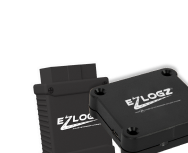
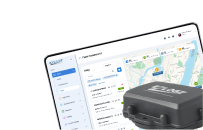
EZLogz provides an integrated fleet management ecosystem that combines ELD compliance, GPS tracking, IFTA reporting, driver management tools, and automated documentation capabilities. By centralizing operational and compliance data within a single platform, EZLogz helps carriers maintain accurate records, streamline reporting processes, and remain prepared for audits, inspections, and regulatory reviews throughout the year.