

Contents:
- Key Takeaways:
- Fleet Technology Has a Clutter Problem
- The Hidden Costs of Managing Multiple Devices
- Understanding the Total Cost of Ownership
- How Cabin Clutter Impacts Driver Safety
- The Compliance Risks Associated with Hardware Overload
- The Hidden Impact of Technology Sprawl on Fleet Operations
- Why Fleet Scalability Depends on Simplicity
- Integrated Data Creates Better Business Intelligence
- Why Fleet Technology Is Moving Toward Consolidation
- Introducing the EZlogz 2-in-1 Dash Cam + ELD
- Reduce Hardware Costs by Up to 40%
- Building a Foundation for the Future
Key Takeaways:
- Managing separate dash cams and ELDs increases hardware expenses, subscription costs, and administrative complexity.
- Excessive in-cab technology can contribute to driver distraction and operational inefficiencies.
- Multiple devices often create unnecessary installation, maintenance, and compliance challenges.
- Integrated hardware simplifies fleet management while improving data accessibility and operational visibility.
- The EZlogz 2-in-1 Dash Cam + ELD combines HD video recording and FMCSA-compliant electronic logging in a single device.
- Fleets can reduce upfront hardware costs by up to 40% while streamlining compliance and safety operations.
Fleet Technology Has a Clutter Problem
The commercial transportation industry has embraced technology at an unprecedented pace. Over the last decade, Electronic Logging Devices (ELDs), dash cams, telematics systems, GPS tracking solutions, driver communication platforms, and safety monitoring tools have become essential components of fleet operations.
These technologies have delivered substantial benefits. Carriers now have greater visibility into vehicle performance, driver behavior, compliance status, and operational efficiency than ever before. However, the rapid adoption of fleet technology has also produced an unintended consequence: cabin clutter.
Many commercial vehicles now contain multiple devices mounted on the windshield and dashboard, each designed to perform a specific function. Separate ELDs, dash cams, navigation systems, and communication devices often compete for space within the cab while requiring their own cables, power sources, mounting hardware, and software subscriptions.
What initially appears to be a manageable technology setup can quickly become an operational burden. As fleets expand, the complexity associated with managing multiple devices increases substantially, affecting drivers, fleet managers, safety personnel, and compliance teams alike.
The industry is increasingly recognizing that more hardware does not necessarily create more value. Instead, efficiency often comes from consolidation.
As a result, integrated fleet technology solutions are becoming the preferred choice for organizations seeking to reduce costs, simplify operations, and improve overall performance.
The Hidden Costs of Managing Multiple Devices
Many fleet operators evaluate technology investments based primarily on initial purchase price. While hardware costs are important, they represent only one component of a much larger financial picture.
The true cost of operating separate dash cams and ELDs extends far beyond the upfront investment.
Multiple Subscription Fees
Most standalone fleet technologies require separate service plans.
A typical fleet may pay individual monthly fees for:
- ELD compliance services
- Dash cam video storage
- Driver safety monitoring
- Fleet tracking functionality
- Software support and maintenance
Although these expenses may seem manageable individually, they accumulate quickly across larger fleets.
For organizations operating dozens or hundreds of vehicles, maintaining multiple subscriptions can significantly increase operating costs over time.
Administrative Inefficiencies
Every additional technology platform requires ongoing management.
Fleet administrators frequently spend valuable time:
- Managing multiple vendor accounts
- Processing separate invoices
- Monitoring different software dashboards
- Coordinating technical support requests
- Managing user permissions
- Training employees on multiple systems
The result is increased administrative workload and reduced operational efficiency.
Rather than focusing on strategic initiatives such as safety improvement and compliance optimization, personnel often become occupied with managing technology itself.
Increased Equipment Maintenance
More hardware creates more opportunities for technical issues.
Separate devices require:
- Independent installation procedures
- Additional mounting equipment
- Multiple power connections
- Separate troubleshooting processes
When hardware problems occur, fleet managers must determine which device is responsible and coordinate repairs accordingly.
This complexity increases maintenance requirements and contributes to operational downtime.
Understanding the Total Cost of Ownership
One of the most overlooked considerations in fleet technology purchasing decisions is Total Cost of Ownership (TCO).
TCO includes all expenses associated with acquiring, deploying, maintaining, and supporting technology throughout its lifecycle.
For separate dash cam and ELD solutions, TCO often includes:
- Hardware purchases
- Installation labor
- Monthly subscriptions
- Technical support
- Software upgrades
- Device replacement costs
- Driver training
- Administrative management
Many organizations discover that the long-term costs of operating multiple systems substantially exceed the initial hardware investment.
Integrated hardware addresses this challenge by reducing duplicate expenses and simplifying technology management.
With fewer devices to install, support, and maintain, fleets can significantly reduce overall ownership costs while improving operational efficiency.
How Cabin Clutter Impacts Driver Safety
The consequences of excessive in-cab hardware extend beyond administrative inefficiencies.
Driver safety is also affected.
Commercial drivers operate in environments that demand constant situational awareness. They must monitor traffic patterns, weather conditions, vehicle performance, road hazards, and regulatory requirements simultaneously.
Additional devices can increase cognitive workload and create unnecessary distractions.
Reduced Visibility
Windshield-mounted equipment occupies valuable space within the driver’s field of view.
Although individual devices may appear relatively small, the cumulative impact of multiple devices, brackets, and power cables can become significant.
Maintaining a clear line of sight is essential for safe vehicle operation. Reducing hardware clutter helps preserve visibility and supports safer driving practices.
Increased Cognitive Load
Modern fleet technologies often generate alerts, notifications, and visual prompts.
When drivers must monitor multiple systems simultaneously, cognitive demands increase.
Managing information from separate ELDs, dash cams, navigation tools, and communication platforms can create unnecessary distractions that divert attention from the road.
Integrated hardware helps simplify the driver experience by reducing the number of devices competing for attention.
Improved Driver Acceptance
Technology adoption is more successful when systems are intuitive and easy to use.
Drivers are more likely to embrace solutions that simplify daily workflows rather than complicate them.
Reducing hardware clutter contributes to a cleaner, more professional cab environment while minimizing frustration associated with managing multiple devices.
The Compliance Risks Associated with Hardware Overload
Regulatory compliance depends on consistency, reliability, and accurate recordkeeping.
The more devices a fleet operates, the greater the likelihood of technical complications that can affect compliance performance.
Device Failures and Data Gaps
Separate systems create separate points of failure.
If one device experiences connectivity issues, power interruptions, or hardware malfunctions, critical data may be lost.
This can complicate:
- Compliance reviews
- Accident investigations
- Driver performance evaluations
- Audit preparation
Integrated solutions reduce the number of potential failure points while improving overall system reliability.
Installation Complexity
Multiple devices require more extensive installation procedures.
Improper mounting, loose wiring, and inconsistent configurations can affect performance and create unnecessary maintenance challenges.
By consolidating essential functionality into a single device, fleets can reduce installation complexity and improve deployment consistency.
Audit Readiness
Preparing for audits becomes more difficult when compliance and safety information is distributed across multiple platforms.
Centralized systems simplify record retrieval and provide faster access to the information regulators may request during inspections and compliance reviews.
The Hidden Impact of Technology Sprawl on Fleet Operations
Technology sprawl occurs when organizations continuously add new tools without considering long-term integration and operational efficiency.
This issue has become increasingly common within transportation operations.
Many fleets have gradually accumulated separate systems for:
- Compliance management
- Driver safety
- Vehicle tracking
- Video monitoring
- Maintenance management
Although each system may perform its intended function effectively, managing multiple disconnected platforms creates operational friction.
As fleets grow, this complexity scales accordingly.
What works for a ten-truck fleet may become unsustainable for an organization managing hundreds of vehicles.
Integrated hardware solutions help address this challenge by reducing fragmentation and creating a more unified technology ecosystem.
Why Fleet Scalability Depends on Simplicity
Growth introduces new operational demands.
As fleets expand, technology infrastructure must scale efficiently without creating disproportionate administrative burdens.
Managing separate dash cams and ELDs across a large fleet often requires:
- Larger hardware inventories
- Additional installation resources
- More support personnel
- Greater administrative oversight
Integrated solutions simplify fleet expansion by reducing the number of devices that must be deployed, maintained, and supported.
This scalability makes consolidated hardware particularly attractive for organizations experiencing rapid growth or operating across multiple locations.
Integrated Data Creates Better Business Intelligence
One of the most significant advantages of integrated hardware is improved data accessibility.
When compliance and safety information exist within separate platforms, fleet managers often spend considerable time gathering and correlating information manually.
For example, investigating a safety event may require reviewing:
- Dash cam footage
- Driver logs
- GPS data
- Vehicle activity records
When these datasets reside in separate systems, investigations become more time-consuming and less efficient.
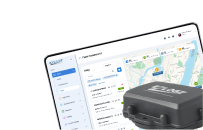
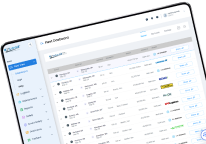
Integrated hardware helps centralize information, making it easier to identify trends, evaluate incidents, and make informed operational decisions.
Better data integration ultimately supports better fleet management.
Why Fleet Technology Is Moving Toward Consolidation
The broader technology industry has already demonstrated the value of consolidation.
Consumers routinely rely on smartphones that combine communication, navigation, photography, and computing functions into a single device.
Fleet technology is evolving in a similar direction.
Modern carriers increasingly prioritize solutions that offer:
- Lower operating costs
- Simplified administration
- Better data integration
- Improved user experiences
- Enhanced scalability
Rather than managing numerous standalone devices, organizations are seeking unified platforms capable of supporting multiple operational functions simultaneously.
This shift reflects a broader trend toward efficiency, simplicity, and operational optimization.
Introducing the EZlogz 2-in-1 Dash Cam + ELD
Recognizing these industry challenges, EZlogz has developed an integrated solution designed to simplify fleet operations.
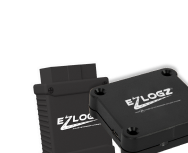
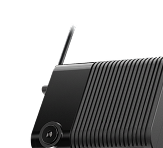
The EZlogz 2-in-1 Dash Cam + ELD combines two essential technologies into a single device:
- FMCSA-compliant electronic logging
- High-definition video recording
This integrated approach eliminates the need for separate hardware while preserving the functionality fleets require to maintain compliance and improve safety performance.
By consolidating critical capabilities into one platform, organizations can reduce complexity without sacrificing visibility or operational control.
Reduce Hardware Costs by Up to 40%
Cost reduction remains one of the most compelling advantages of integrated hardware.
Traditional deployments often require separate investments in:
- ELD hardware
- Dash cam equipment
- Installation labor
- Mounting accessories
- Power management components
The EZlogz 2-in-1 solution eliminates much of this duplication.
By combining essential fleet technologies into a single device, organizations can reduce upfront hardware expenses by up to 40% compared to purchasing separate systems.
For growing fleets, these savings can translate into substantial financial benefits across the entire operation.
Building a Foundation for the Future
The future of fleet management will be increasingly defined by connected technologies, automation, artificial intelligence, and real-time data analysis.
Organizations that continue relying on fragmented hardware ecosystems may find it more difficult to adopt emerging technologies efficiently.
Integrated solutions create a stronger technological foundation for future innovation.
By consolidating critical compliance and safety functions today, fleets position themselves to take advantage of tomorrow’s advancements while maintaining operational simplicity.
FAQ:
What is a 2-in-1 Dash Cam and ELD?
A 2-in-1 Dash Cam and ELD combines FMCSA-compliant electronic logging functionality and video recording capabilities within a single hardware device, reducing the need for separate installations and subscriptions.
How does integrated hardware reduce fleet costs?
Integrated devices reduce hardware purchases, installation expenses, maintenance requirements, and administrative overhead while eliminating duplicate technology investments.
Why is cabin clutter a concern in commercial vehicles?
Excessive devices, cables, and windshield-mounted equipment can contribute to driver distraction, reduce visibility, complicate installations, and increase operational complexity.
Can integrated hardware improve compliance management?
Yes. Consolidated systems simplify data management, improve record accessibility, reduce technical issues, and support more efficient audit preparation.
How much can fleets save with the EZlogz 2-in-1 Dash Cam + ELD?
By replacing separate dash cam and ELD systems with a single integrated solution, fleets can reduce upfront hardware costs by up to 40%.
Is a combined Dash Cam and ELD suitable for large fleets?
Yes. Integrated hardware simplifies deployment, administration, and maintenance, making it highly scalable for fleets of all sizes.
Why is fleet technology moving toward consolidation?
Carriers are seeking ways to reduce costs, improve efficiency, simplify administration, and create better experiences for both drivers and fleet managers. Integrated hardware directly supports these objectives.
Does reducing hardware complexity improve driver satisfaction?
In many cases, yes. A cleaner cab environment with fewer devices and less cable clutter can reduce frustration, simplify daily workflows, and create a more professional driving experience.
What role will integrated hardware play in the future of fleet management?
Integrated hardware is expected to become increasingly important as fleets adopt advanced technologies such as AI-powered analytics, predictive safety systems, and automated compliance management tools.