

Contents
Fleet management has evolved dramatically over the last decade. What was once primarily focused on vehicle maintenance and route planning has become a data-driven discipline that requires real-time visibility into every aspect of an operation. Today, fleet managers must balance customer expectations, rising operating costs, regulatory requirements, driver productivity, equipment maintenance, and asset security – all while maintaining profitability.
Technology has become a critical component of modern fleet operations. GPS tracking systems, telematics platforms, and connected asset solutions have transformed how businesses monitor and manage vehicles. However, while many organizations have invested heavily in tracking trucks and powered assets, trailers often remain an overlooked part of the fleet ecosystem.
This lack of visibility can create significant operational challenges. Trailers frequently move between yards, customer facilities, warehouses, distribution centers, and job sites. They may remain disconnected from tractors for days or weeks at a time, making it difficult to determine their exact location, utilization status, or maintenance condition.
Without proper tracking, organizations may face problems such as:
- Lost or misplaced trailers
- Underutilized assets
- Increased rental costs
- Delayed deliveries
- Unauthorized trailer movement
- Cargo theft
- Maintenance oversights
- Reduced operational efficiency
GPS trailer tracking addresses these challenges by providing continuous visibility into both powered and non-powered assets. By monitoring trailer location, movement, utilization, and health, organizations can improve decision-making, strengthen security, reduce costs, and maximize the value of their fleet investments.
As supply chains become more complex and customer expectations continue to rise, trailer tracking is no longer a luxury – it is becoming an essential component of successful fleet management.
What Is a GPS Trailer Tracker?
A GPS trailer tracker is a specialized device installed on a trailer that provides ongoing visibility into its location, movement, and operational status. These systems use satellite-based GPS technology to determine a trailer’s position and then transmit that information through cellular or satellite networks to a cloud-based fleet management platform.
Unlike traditional vehicle tracking systems that rely on engine data and onboard vehicle diagnostics, trailer tracking solutions are specifically designed to monitor assets that may not have a permanent power source. This makes them ideal for dry vans, flatbeds, utility trailers, equipment trailers, storage containers, and other non-powered assets.
Modern GPS trailer tracking devices have evolved far beyond simple location monitoring. Many solutions now offer advanced capabilities such as:
Real-Time Location Tracking
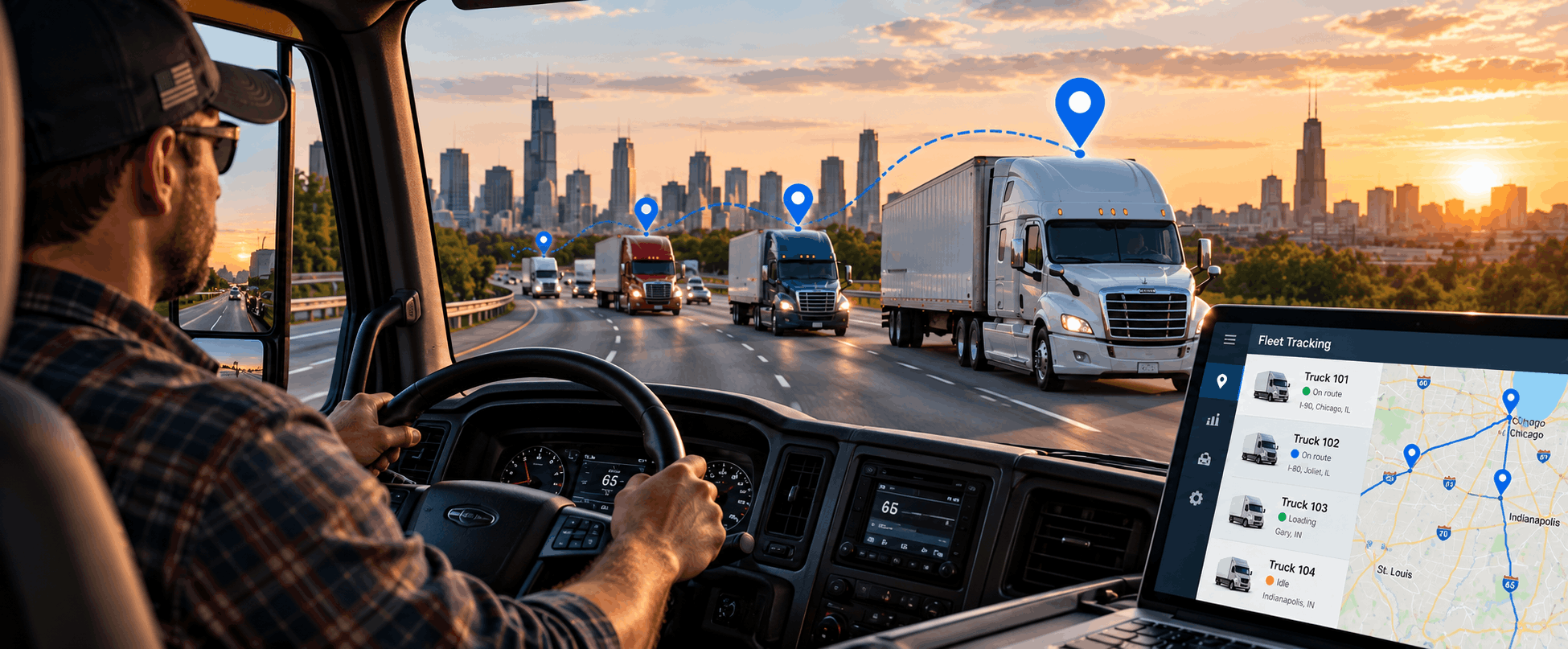
Fleet managers can instantly view the location of every trailer in their fleet through an online dashboard or mobile application. This visibility helps eliminate the time-consuming process of manually locating assets across multiple facilities and job sites.
Geofencing and Boundary Management
Geofencing technology allows operators to establish virtual boundaries around specific locations such as yards, terminals, warehouses, customer sites, or construction projects.
When a trailer enters or exits a designated area, the system automatically generates alerts. This feature is particularly valuable for theft prevention, compliance monitoring, and operational oversight.
Trailer Movement Detection
Modern tracking devices can identify when a trailer begins moving, even if it is disconnected from a truck. Instant notifications can alert managers to unauthorized movement, helping prevent theft and misuse.
Coupling and Uncoupling Monitoring
Advanced sensors can detect when trailers are attached to or detached from tractors. This data provides greater visibility into asset utilization and operational workflows.
Environmental Durability
Trailer trackers are often exposed to harsh operating conditions, including extreme temperatures, rain, snow, dust, and vibration. As a result, many devices are designed with rugged enclosures and industrial-grade components that can withstand years of outdoor operation.
Long-Life Battery Performance
Battery-powered trailer trackers are engineered for low-energy consumption and can often operate for five to seven years without requiring battery replacement. This makes them especially suitable for non-powered assets that spend extended periods parked or in storage.
Centralized Fleet Visibility
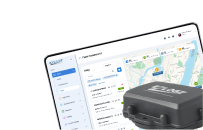
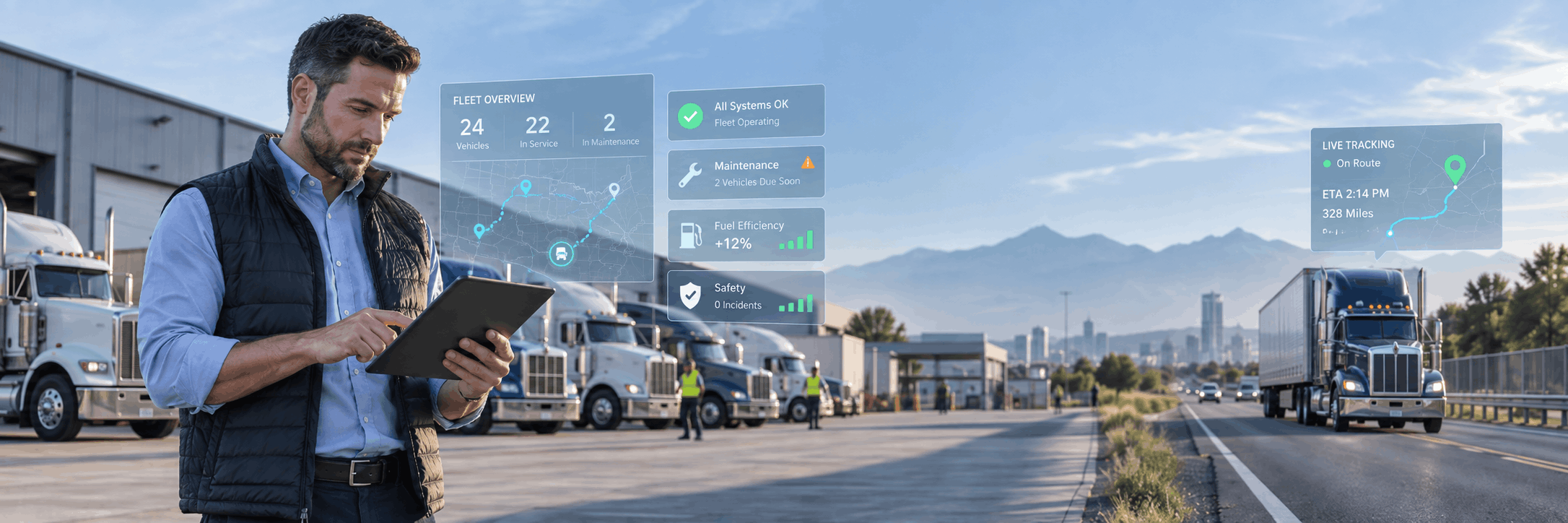
Perhaps the most important advantage of modern trailer tracking technology is the ability to consolidate data into a single management platform. Fleet operators can monitor trucks, trailers, equipment, and other assets from one dashboard, creating a comprehensive view of fleet operations.
Why Trailer Visibility Matters More Than Ever
Many organizations can immediately identify the location of every truck in their fleet but struggle to answer basic questions about their trailers.
Questions such as:
- Which trailers are currently available?
- Which assets are generating revenue?
- Which trailers have been sitting idle for months?
- Where are our highest-value assets located?
- Which trailers require maintenance?
- Are we using our equipment efficiently?
Without accurate answers, companies often make decisions based on assumptions rather than data.
For example, a fleet manager may believe additional trailers are needed to support growing demand. However, utilization reports may reveal that a significant portion of existing assets are underused or sitting idle at customer facilities.
Similarly, organizations may spend substantial amounts on trailer rentals while company-owned equipment remains unused elsewhere in the network.
GPS trailer tracking provides the operational intelligence needed to eliminate these inefficiencies.
With real-time and historical asset data, fleet managers gain a deeper understanding of:
- Asset utilization rates
- Equipment availability
- Operational bottlenecks
- Trailer dwell times
- Yard congestion
- Customer detention patterns
- Maintenance requirements
These insights enable organizations to optimize fleet resources, improve planning, and reduce unnecessary expenses.
Four Key Benefits of Trailer GPS Tracking
1. Enhanced Security and Faster Theft Recovery
Trailer theft continues to be one of the most costly challenges facing transportation, logistics, construction, and equipment rental companies.
Trailers often contain valuable cargo, machinery, tools, and inventory that can be difficult to recover once stolen. In many cases, theft occurs when trailers are parked overnight in remote lots, customer locations, or unsecured job sites.
GPS trailer tracking serves as both a preventative measure and a recovery tool.
The knowledge that assets are being actively monitored can deter criminal activity. If theft does occur, tracking technology significantly improves recovery efforts by providing accurate location data and movement history.
Many modern systems include:
- Geofence breach alerts
- Unauthorized movement notifications
- Tamper detection
- Door activity monitoring
- Asset recovery assistance
- Historical breadcrumb trails
Instead of discovering a missing trailer hours or days later, fleet managers can receive immediate alerts and take action before significant losses occur.
For organizations operating large fleets, even a single prevented theft incident can justify the investment in trailer tracking technology.
How EZLOGZ Supports Modern Trailer Tracking and Fleet Visibility
Implementing trailer GPS tracking technology is only part of the equation. To maximize the value of fleet data, organizations need a platform that combines asset tracking, fleet management, safety monitoring, and operational analytics in a single ecosystem.
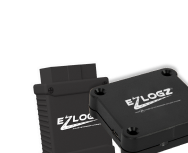
One solution that addresses these needs is EZLOGZ, a fleet management platform that provides GPS tracking, asset monitoring, ELD compliance, dash cameras, route optimization, and fleet analytics tools. The platform is designed to help transportation companies, owner-operators, logistics providers, construction firms, and other fleet-based businesses improve visibility across their operations.
For trailer management, EZLOGZ offers GPS and asset tracking capabilities that allow fleet operators to monitor trailer locations in near real time, receive geofence alerts, and access reporting tools that support utilization analysis and operational planning. By combining trailer tracking with vehicle monitoring, dispatchers can gain a more complete picture of fleet activity and make faster, more informed decisions.
The platform also includes route optimization features designed to help fleets reduce unnecessary mileage, improve delivery efficiency, and lower fuel consumption. In addition, reporting and analytics tools enable managers to review historical movement data, monitor asset performance, and identify opportunities for operational improvements.
Security remains another important benefit. GPS tracking, geofencing capabilities, and real-time alerts can help organizations respond more quickly to unauthorized trailer movement or potential theft incidents. Combined with integrated dash cameras and fleet safety tools, businesses can strengthen asset protection while maintaining greater oversight of drivers and equipment.
As fleet operations continue to become more connected, platforms such as EZLOGZ demonstrate how organizations can move beyond simple location tracking and create a unified approach to fleet visibility, compliance, safety, and asset management. For companies looking to improve trailer utilization and gain greater control over their operations, integrated fleet management solutions can play a significant role in achieving those goals.