

Contents:
- What Smart Technology Means for a Trucking Company
- Key Challenges Affecting Trucking Competitiveness
- Smart Technologies Transforming Trucking Operations
- Reducing Operating Costs with Fleet Technology
- Improving Dispatch and Delivery Performance
- Using Technology to Improve Driver Performance
- Strengthening Fleet Safety
- Automating Compliance Management
- Predictive Maintenance as a Competitive Advantage
- Improving the Customer Experience
- Turning Fleet Data into Business Intelligence
- How Small and Mid-Sized Trucking Companies Can Compete
- How to Choose Smart Technology for a Trucking Company
- Measuring the ROI of Smart Fleet Technology
- How EZLOGZ Helps Trucking Companies Compete
- FAQ:
- Creating a Smarter and More Competitive Fleet
Competition in the trucking industry is shaped by much more than the number of trucks a carrier operates. Companies must control fuel and maintenance expenses, retain qualified drivers, meet regulatory requirements, provide reliable delivery times, and respond quickly when operating conditions change.
These responsibilities are difficult to manage with paper records, disconnected spreadsheets, and telephone-based communication. Manual processes limit visibility and make it harder for managers to identify inefficiencies before they affect customers or profitability.
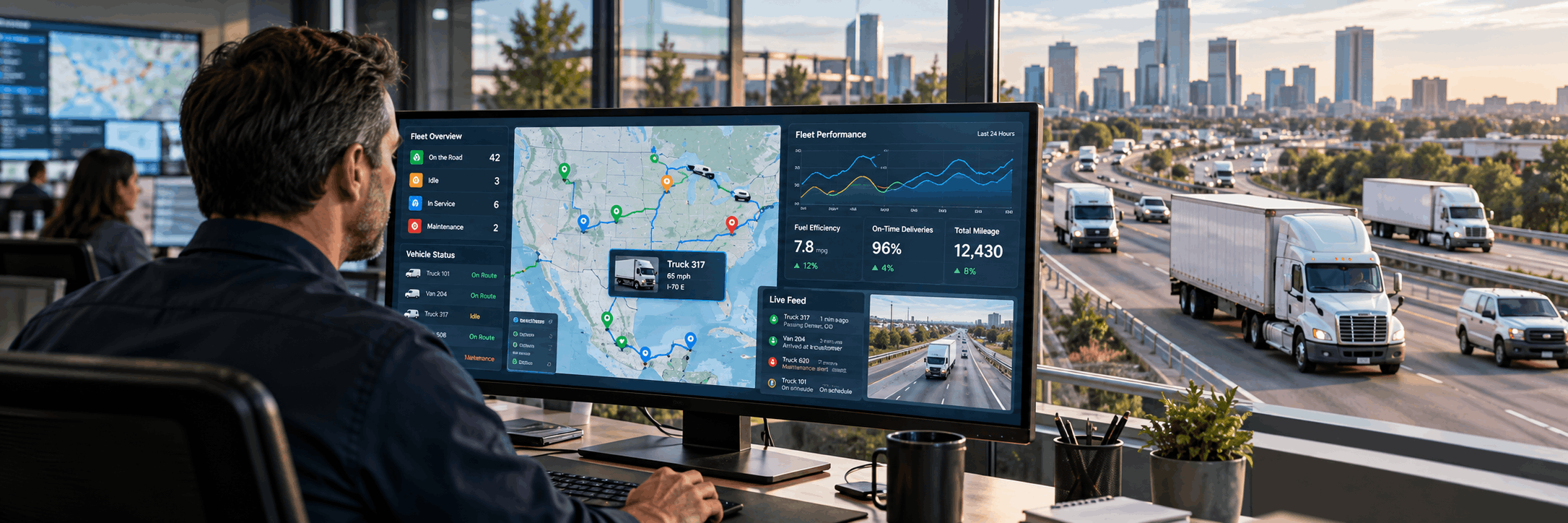
Smart fleet technology gives trucking companies a practical way to overcome these limitations. Electronic logging devices, GPS tracking, telematics, AI-powered dash cameras, mobile applications, and fleet management software connect vehicles, drivers, and office teams through a shared digital environment.
The objective is not simply to collect more data. Competitive advantage comes from using accurate information to lower costs, improve safety, increase productivity, and make better business decisions.
What Smart Technology Means for a Trucking Company
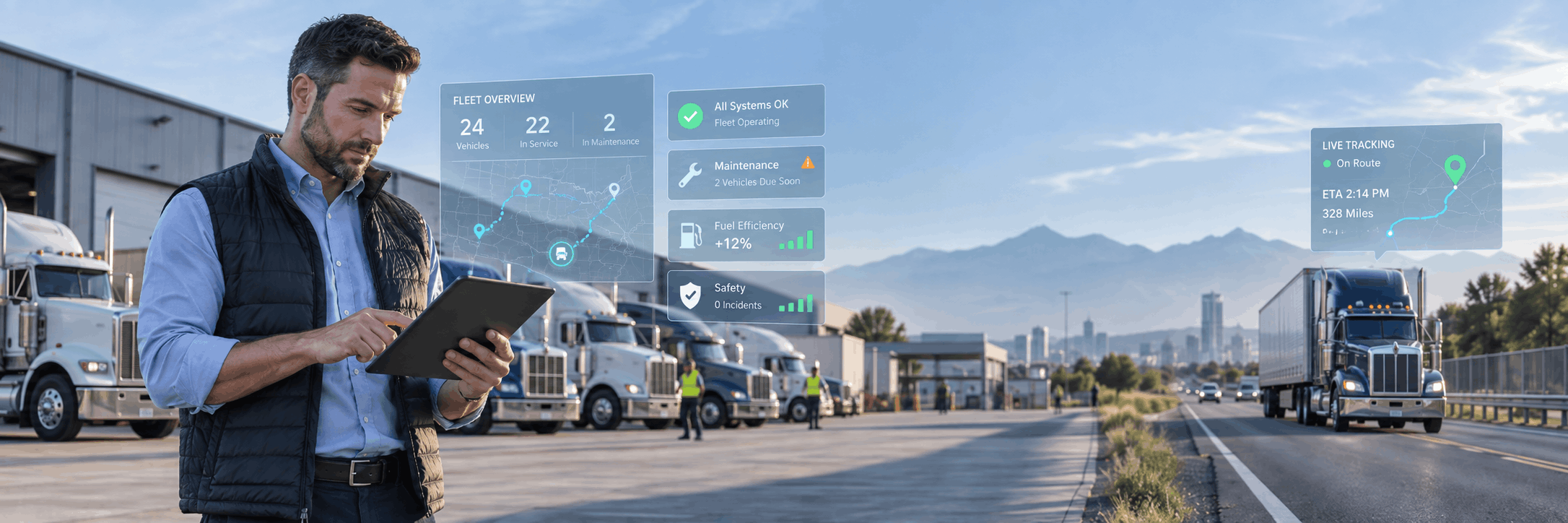
Smart fleet technology includes digital systems that collect operational data, analyze it, and help managers take appropriate action. These tools may monitor vehicle locations, driving hours, engine conditions, fuel consumption, driver behavior, maintenance schedules, and delivery performance.
When the systems are integrated, information can move between drivers, dispatchers, safety personnel, maintenance teams, and company leaders. Instead of maintaining separate records for each department, the business gains a more complete view of its operation.
Moving Beyond Manual Fleet Management
Traditional fleet management often depends on information reported after an event has occurred. A driver calls dispatch to report a delay, a maintenance problem is discovered after a breakdown, or fuel waste becomes visible only after reviewing monthly expenses.
Smart technology changes this model by providing information as operations unfold. Dispatchers can see whether a vehicle is moving according to schedule. Maintenance teams can receive diagnostic alerts. Safety managers can review driving events without waiting for a formal incident report.
This visibility allows the company to manage exceptions rather than constantly searching for basic information.
Connecting Vehicles, Drivers, and Office Teams
A connected fleet creates a continuous flow of information between the road and the office. Drivers receive assignments and updates through mobile applications, while dispatchers can monitor location and availability from a centralized dashboard.
Vehicle information can also be shared with maintenance, compliance, accounting, and customer service systems. This reduces duplicate data entry and helps employees work from consistent records.
Better coordination is particularly valuable when unexpected events occur. If traffic, weather, vehicle problems, or customer requests affect a delivery, connected teams can respond more quickly.
Turning Fleet Data into Business Decisions
Raw fleet data has limited value unless it supports a business objective. A competitive trucking company uses data to answer specific questions:
- Which vehicles generate the highest maintenance costs?
- Which routes produce excessive empty mileage?
- Where is unnecessary idling occurring?
- Which driving behaviors increase fuel consumption?
- Which customers or loads generate the strongest margins?
- How accurately are delivery times being predicted?
Answering these questions helps managers direct attention and resources toward measurable improvements.
Key Challenges Affecting Trucking Competitiveness
Technology is most effective when it addresses the economic and operational challenges carriers face every day.
Rising Fuel and Maintenance Costs
Fuel, parts, labor, and vehicle repairs can consume a significant portion of fleet revenue. Small inefficiencies repeated across many trucks and thousands of miles can create substantial losses.
Managers need detailed information to determine where those losses originate. Without accurate vehicle and route data, it is difficult to separate unavoidable operating costs from preventable waste.
Driver Recruitment and Retention
Qualified commercial drivers remain central to trucking operations. Companies that create unnecessary administrative work, poor communication, unrealistic schedules, or inconsistent safety policies may find it harder to retain experienced employees.
Technology cannot replace good management, but it can improve the driver experience. Clear assignments, accurate available-hours information, digital documents, and faster communication reduce avoidable frustration.
Compliance and Administrative Work
Hours-of-service records, inspections, maintenance documentation, fuel reporting, and driver files require consistent attention. When these responsibilities depend heavily on manual processes, mistakes become more likely, and employees spend valuable time organizing paperwork.
Automation helps companies maintain more complete records and identify missing information before it creates a larger problem.
Delivery Delays and Route Inefficiency
Road conditions, traffic, weather, detention, and mechanical issues can disrupt even a carefully prepared schedule. A company with limited real-time visibility may not recognize a delay until the customer requests an update.
Connected routing and tracking systems allow dispatchers to respond earlier, adjust assignments, and provide more reliable estimated arrival times.
Increasing Customer Expectations
Commercial customers increasingly expect transparency, accurate documentation, and predictable service. They want to know where a shipment is, when it will arrive, and whether an issue has affected the schedule.
A carrier that provides timely information can distinguish itself from competitors that offer limited visibility.
Smart Technologies Transforming Trucking Operations
A competitive technology strategy usually combines several systems rather than relying on one isolated product.
Electronic Logging Devices
Electronic logging devices automatically record driving activity and help drivers maintain accurate Hours of Service records. Fleet managers can review driver availability and use that information when assigning loads.
This visibility improves scheduling because dispatchers can determine whether a driver has sufficient available hours before sending an assignment. Automated alerts can also help the company address potential log issues before they become violations.
Electronic logging data can support payroll, dispatch, safety reviews, and operational analysis when integrated with a broader fleet management platform.
GPS Fleet Tracking
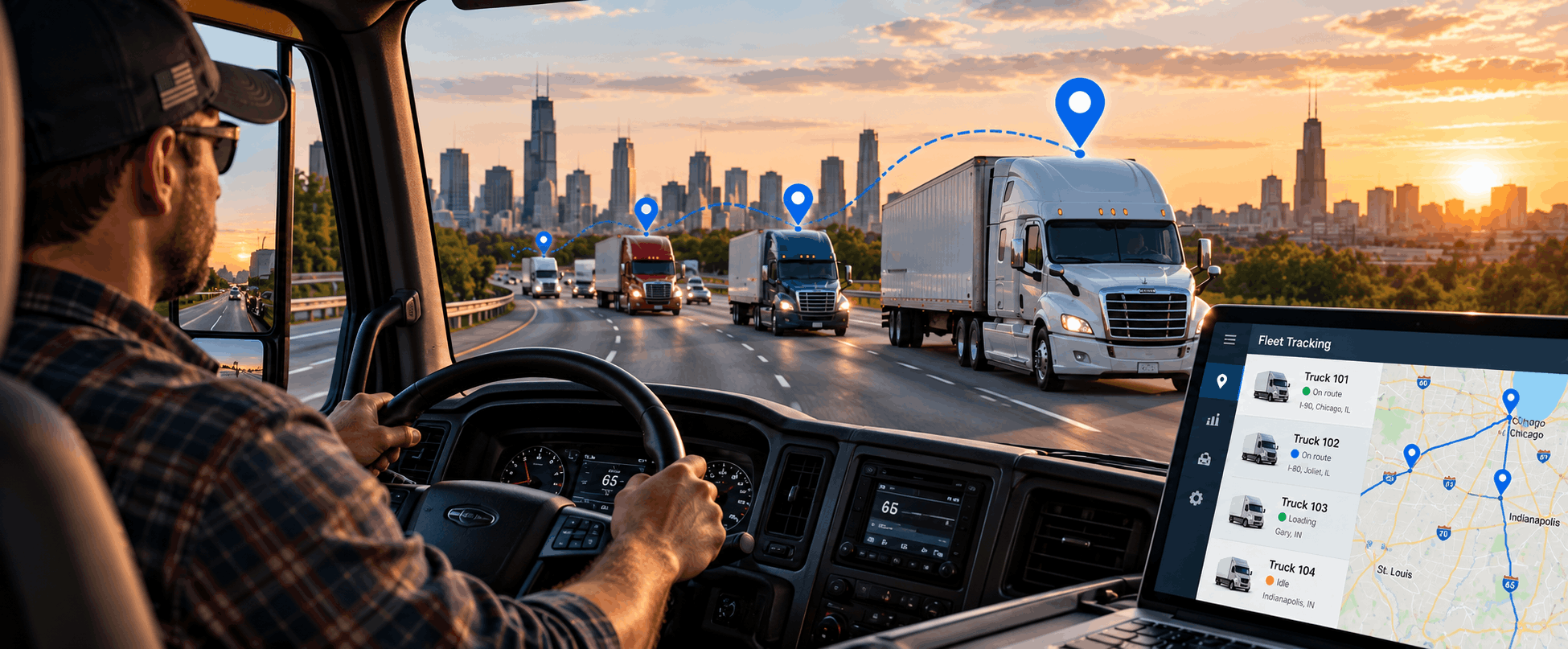
GPS tracking shows the current location of vehicles and mobile assets. Dispatchers can use this information to select the nearest available truck, monitor route progress, and provide customers with updated arrival estimates.
Geofencing adds another level of automation. Managers can create virtual boundaries around terminals, customer locations, service areas, or restricted zones. The system can then record arrivals and departures or send alerts when a vehicle enters or leaves a defined area.
GPS data also helps companies investigate unauthorized vehicle use, route deviations, and excessive time spent at particular locations.
AI-Powered Dash Cameras
AI-powered dash cameras combine video evidence with automated event detection. Depending on the system, cameras may identify behaviors such as distraction, unsafe following distance, harsh braking, or sudden lane movement.
Video provides context that telematics data alone cannot offer. A harsh braking alert might indicate unsafe driving, but it could also show that the driver successfully avoided a collision caused by another road user.
This context supports fairer safety reviews, more focused coaching, and more accurate incident investigations. Video evidence can also help companies respond to insurance claims and protect drivers from false allegations.
Fleet Management Software
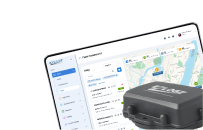
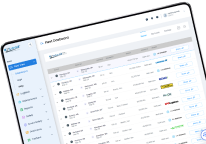
Fleet management software brings operational information into a centralized environment. Managers can review vehicle activity, driver status, safety events, maintenance requirements, fuel data, and performance reports without switching between multiple disconnected systems.
An integrated platform also makes it easier to automate routine work. Reports can be generated consistently, notifications can be sent when defined conditions occur, and data can be shared with compatible business applications.
Centralization gives company leaders a clearer understanding of performance across the entire fleet.
Mobile Applications for Drivers
Mobile fleet applications improve communication between drivers and office teams. Drivers can receive assignments, submit documents, report vehicle problems, complete inspections, and review important information from a compatible mobile device.
Digital workflows reduce dependence on paper documents and make information available sooner. A delivery document uploaded immediately from the road can reach the office faster than paperwork returned at the end of a trip.
Mobile tools should be easy to use and designed to minimize driver distraction. Essential tasks must be simple, clear, and accessible at appropriate times.
Predictive Analytics
Predictive analytics uses historical and real-time information to identify patterns associated with future outcomes. In trucking, these systems can help forecast vehicle maintenance, safety risks, capacity requirements, and operational delays.
For example, repeated diagnostic codes combined with mileage and service history may indicate that a component is approaching failure. A pattern of harsh driving events may suggest that additional coaching is required.
Predictions do not replace professional judgment. They give managers earlier and better information for making decisions.
Reducing Operating Costs with Fleet Technology
A carrier becomes more competitive when it can reduce expenses without weakening safety or service quality.
Monitoring Fuel Consumption
Telematics data can show how fuel consumption differs among vehicles, drivers, and routes. Managers can compare performance and identify patterns that require further investigation.
Higher fuel use may result from aggressive acceleration, speeding, excessive weight, poor route selection, mechanical problems, or long periods of idling. Understanding the cause allows the company to select the right corrective action.
Reducing Excessive Idling
Some idling is necessary, but prolonged or unauthorized idling wastes fuel and increases engine hours. Fleet systems can record when and where idling occurs, allowing managers to distinguish operational requirements from avoidable behavior.
Companies can establish reasonable policies, coach drivers, and monitor progress over time. The objective should be practical improvement rather than unrealistic elimination of all idle time.
Eliminating Unnecessary Mileage
Route optimization and dispatch visibility can reduce out-of-route travel and empty miles. Dispatchers can assign loads according to vehicle location, available driving hours, equipment type, and destination.
Better planning helps companies complete more productive work with the same number of vehicles. It can also reduce fuel use, vehicle wear, and driver time.
Preventing Unauthorized Vehicle Use
GPS tracking and geofencing can alert managers when vehicles move outside approved hours or operating areas. This helps prevent unauthorized use and supports asset security.
Historical route information can also assist with investigations when fuel, cargo, or vehicle activity does not match company records.
Automating Administrative Processes
Manual data entry consumes employee time and introduces the possibility of transcription errors. Integrating electronic logs, inspection records, dispatch data, and reports reduces repeated work.
Administrative savings are especially important for small and mid-sized trucking companies, where employees frequently manage several responsibilities at once.
Improving Vehicle Utilization
A vehicle that spends excessive time inactive still generates ownership, insurance, and depreciation costs. Fleet data helps managers see how often each truck is operating and how much productive work it completes.
Low utilization may reveal scheduling problems, maintenance delays, seasonal demand, or excess capacity. Managers can then adjust assignments, sell underused assets, or pursue additional business more strategically.
Improving Dispatch and Delivery Performance
Efficient dispatching affects costs, driver satisfaction, and customer service.
Real-Time Fleet Visibility
Location and driver-status information gives dispatchers a live view of available resources. They can determine which vehicle is closest to a load, whether the driver has enough available hours, and whether the equipment meets the assignment’s requirements.
This reduces guesswork and unnecessary communication.
Dynamic Route Optimization
A static route may become inefficient because of traffic, closures, weather, or delivery changes. Dynamic routing tools can help dispatchers evaluate alternatives as conditions develop.
Route recommendations should account for the requirements of commercial vehicles, including size, weight, road restrictions, and suitable stopping locations.
Providing Customers with Accurate ETAs
Real-time vehicle information allows carriers to generate more reliable estimated arrival times. If a delay occurs, the company can proactively notify the customer.
Early communication gives customers time to adjust labor, dock schedules, inventory planning, or onward transportation. This responsiveness strengthens commercial relationships even when delays cannot be prevented.
Reducing Empty Miles
Empty mileage generates costs without directly producing revenue. Integrated dispatch data can help companies identify backhaul opportunities and select assignments that improve overall network efficiency.
Reducing empty miles may also improve driver earnings and vehicle productivity, making the operation more competitive for both customers and employees.
Using Technology to Improve Driver Performance
Smart technology should support drivers rather than treat them as replaceable data points.
Data-Based Driver Coaching
Telematics and video systems can identify specific behaviors instead of relying on general assumptions. Managers can use verified events to create focused coaching discussions.
A driver who frequently brakes harshly may benefit from additional following-distance training. Another driver may need route-specific guidance rather than broad safety instruction.
Targeted coaching is more relevant and easier to measure.
Recognizing Safe and Efficient Drivers
Performance data should also be used to identify positive behavior. Companies can recognize drivers who consistently demonstrate safe operation, fuel efficiency, accurate documentation, and reliable service.
Balanced programs build trust because employees see that technology is being used to reward good work as well as identify risk.
Reducing Driver Stress and Workload
Poor routing, incomplete assignments, repeated telephone calls, and administrative confusion increase driver stress. Connected applications provide clearer instructions and easier access to essential information.
Drivers benefit when dispatchers can see available hours and vehicle conditions before creating an assignment. Better planning reduces situations in which employees are pressured to complete unrealistic schedules.
Supporting Driver Retention
Technology alone will not retain drivers, but the working environment it supports can influence retention. Efficient communication, fair performance reviews, reliable equipment, and manageable administrative processes demonstrate respect for a driver’s time and professional role.
Companies should include drivers when evaluating new systems. Their practical feedback can identify workflow problems before a fleet-wide rollout.
Strengthening Fleet Safety
Preventing accidents protects employees, road users, equipment, cargo, and the company’s reputation.
Monitoring High-Risk Events
Telematics can record speeding, rapid acceleration, hard cornering, and harsh braking. AI camera systems can add information about distraction, following distance, and road context.
Managers can use trends to identify where training or policy changes are needed. A single event may not prove a pattern, but repeated events deserve attention.
Using Video Evidence After an Incident
Video footage helps investigators understand what occurred before, during, and after an accident. It can clarify road conditions, vehicle movements, driver reactions, and the behavior of other road users.
Faster access to reliable evidence allows companies to respond more effectively to claims and determine whether additional training or operational changes are necessary.
Building a Proactive Safety Culture
A strong safety program addresses risks before an accident occurs. Alerts, coaching, inspections, and performance reviews should operate as parts of one continuous process.
Technology provides the information, but leadership determines how that information is used. Policies must be consistent, transparent, and focused on genuine risk reduction.
Automating Compliance Management
Compliance can become a competitive advantage when accurate records and reliable processes reduce disruptions.
Managing Hours of Service
Electronic records give drivers and dispatchers current information about available hours. Alerts help teams recognize approaching limits and make scheduling changes.
This supports compliant planning and reduces the risk of assigning work that cannot be completed legally.
Completing Digital Vehicle Inspections
Electronic Driver Vehicle Inspection Reports allow drivers to document defects, add notes or photographs, and submit information immediately. Maintenance personnel can then review the report and record corrective action.
A clear digital trail connects the original inspection with the resulting repair, creating stronger internal accountability.
Maintaining Audit-Ready Records
Centralized document storage makes records easier to retrieve and review. Managers can identify incomplete logs, unresolved inspection items, or missing documentation before an audit or roadside inspection exposes the issue.
Continuous record review is more efficient than attempting to organize information after a request has already been received.
Predictive Maintenance as a Competitive Advantage
Reliable vehicles help trucking companies protect delivery schedules and control costs.
Monitoring Vehicle Health
Connected systems can collect fault codes, mileage, engine hours, temperature information, battery status, and other diagnostic data. Maintenance teams can use this information to identify developing problems.
The combination of current diagnostics and historical service records provides a better basis for maintenance decisions than fixed schedules alone.
Preventing Unexpected Breakdowns
An unplanned breakdown may cause towing expenses, emergency repairs, driver delays, missed appointments, and customer dissatisfaction. Predictive alerts allow maintenance to be scheduled before a failure creates a larger disruption.
Not every alert requires immediate repair. The value lies in giving qualified personnel enough information to determine urgency.
Automating Maintenance Schedules
Fleet software can create service reminders based on mileage, engine hours, time intervals, or vehicle condition. Work orders, parts, labor, and repair histories can be stored in the same system.
This structure reduces missed service and makes it easier to compare maintenance costs across vehicles.
Making Better Replacement Decisions
Detailed cost and downtime histories show when an older truck is becoming uneconomical. Managers can compare repair expenses, utilization, fuel performance, and reliability before deciding whether to retain or replace an asset.
Evidence-based replacement decisions help the company balance capital investment with operating risk.
Improving the Customer Experience
Technology improves competitiveness when operational benefits become visible to customers.
More Reliable Delivery Schedules
Better routing, maintenance, dispatching, and driver planning reduce avoidable delays. Consistent delivery performance helps customers manage their own operations more effectively.
Real-Time Shipment Visibility
Location data allows carriers to provide useful updates without repeatedly contacting drivers. Customers gain greater confidence because they can plan around current information.
Faster Responses to Problems
When an issue occurs, connected systems help the carrier determine its location, cause, and likely effect. Customer service teams can provide specific information rather than vague explanations.
Transparent communication is often the difference between a temporary service problem and a damaged commercial relationship.
Accurate Digital Documentation
Digital proof of delivery, inspection records, timestamps, and route histories reduce disputes and accelerate administrative processes. Faster documentation may also support quicker invoicing and improved cash flow.
Turning Fleet Data into Business Intelligence
The strongest competitive advantage comes from converting operational information into strategic knowledge.
Essential Trucking Performance Metrics
Useful fleet indicators may include:
- Cost per mile;
- Revenue per truck;
- Fuel consumption per mile;
- Idle time;
- Empty mileage;
- Vehicle utilization;
- On-time delivery rate;
- Maintenance cost per vehicle;
- Average repair time;
- Preventable accident frequency;
- Driver safety scores;
- Compliance violations.
The company should select metrics connected to its goals rather than tracking every available data point.
Comparing Drivers, Vehicles, and Routes
Performance comparisons help managers understand why results vary. Differences may be related to vehicle age, terrain, traffic, load weight, customer detention, driving behavior, or maintenance condition.
Context is essential. A route through mountainous terrain should not be judged by the same fuel standard as a flat highway route without appropriate adjustment.
Identifying Profitable Operations
Combining operational costs with revenue information helps managers identify profitable customers, lanes, vehicles, and service types. This knowledge supports pricing, contract negotiations, capacity planning, and business development.
A company that understands its true cost of service can compete on value without accepting work that damages long-term profitability.
How Small and Mid-Sized Trucking Companies Can Compete
Smart technology is not limited to the largest carriers. Smaller companies may gain substantial value because they have fewer administrative resources and less financial capacity to absorb preventable losses.
Prioritize Immediate Business Needs
A company should begin with its most expensive or disruptive problem. If fuel waste is the main concern, telematics may be the priority. If compliance administration consumes too much time, electronic logging and automated reporting may deliver faster value.
Start with a Pilot Program
Testing technology with a limited number of trucks allows the company to evaluate usability, data accuracy, connectivity, and employee response.
A pilot also creates baseline results that can be used to estimate the value of a fleet-wide rollout.
Choose a Scalable Platform
The selected system should support additional vehicles, users, integrations, and features as the business grows. Replacing the core platform every time the fleet expands creates unnecessary cost and disruption.
Avoid Disconnected Software
Several inexpensive systems may appear attractive, but disconnected tools can create duplicate work and inconsistent records. An integrated platform generally provides greater visibility and a better user experience.
How to Choose Smart Technology for a Trucking Company
Technology selection should begin with operational requirements rather than a list of fashionable features.
Companies should evaluate:
- The problems the system must solve;
- Compatibility with fleet vehicles and mobile devices;
- Integration with existing business software;
- Ease of use for drivers and office personnel;
- Reporting and alert capabilities;
- Data ownership and export options;
- Cybersecurity protections;
- Training and customer support;
- Installation requirements;
- Scalability;
- Total cost of ownership.
Demonstrations and pilot testing should reflect actual fleet workflows. A generic presentation may not reveal how the product performs under the company’s operating conditions.
Measuring the ROI of Smart Fleet Technology
A clear return-on-investment analysis helps managers determine whether technology is producing measurable value.
Before implementation, the company should record baseline results for fuel consumption, idle time, maintenance costs, administrative hours, downtime, accidents, compliance issues, and delivery performance.
After deployment, managers can compare those indicators while accounting for changes in fleet size, mileage, freight type, and market conditions.
The calculation should include equipment, subscriptions, installation, integration, training, and internal support. Benefits may include direct savings as well as improvements in productivity, customer retention, safety, and risk management.
ROI should be reviewed regularly. If the expected value is not appearing, the company may need additional training, workflow changes, system integration, or different performance targets.
How EZLOGZ Helps Trucking Companies Compete
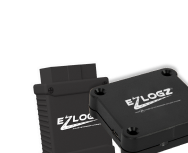
EZLOGZ provides connected fleet solutions that help trucking companies manage compliance, vehicle locations, safety, assets, and operational performance.
Its technology ecosystem brings together electronic logging, real-time GPS tracking, AI-powered video, mobile access, and fleet management capabilities. Centralizing this information helps managers reduce fragmented workflows and gain a clearer understanding of what is happening across the fleet.
Drivers benefit from more efficient communication and digital processes, while office teams receive the information required for dispatching, compliance, maintenance, and performance analysis.
By combining essential fleet technologies within a connected environment, EZLOGZ helps carriers build safer, more efficient, and more scalable operations.
FAQ:
What smart technology should a trucking company adopt first?
The first technology should address the company’s most important operational problem. Many carriers begin with electronic logging, GPS tracking, and centralized fleet management because these systems improve compliance, visibility, and dispatching.
Can fleet technology reduce fuel expenses?
Yes. Telematics can identify excessive idling, inefficient routes, aggressive driving, unauthorized use, and abnormal fuel consumption. Managers can then address the specific causes of waste.
How does GPS tracking improve customer service?
GPS tracking provides current vehicle locations and supports more accurate arrival estimates. Carriers can notify customers proactively when schedules change and provide better shipment visibility.
Can smart technology help retain truck drivers?
Technology can support retention by reducing paperwork, improving communication, creating more realistic assignments, and making performance reviews more objective. It must be implemented with clear policies and appropriate training.
How does AI improve fleet safety?
AI can analyze telematics and video data to identify risky events or recurring behavior patterns. Safety managers can use these insights for targeted coaching, incident investigation, and preventive action.
Is fleet management software suitable for small trucking companies?
Yes. Small fleets can benefit significantly from automation because they often have limited administrative staff. Scalable software allows companies to begin with essential features and add capabilities as they grow.
How can a carrier calculate the ROI of fleet technology?
The carrier should compare implementation costs with measurable changes in fuel consumption, labor, maintenance, downtime, compliance, safety, and vehicle utilization. Baseline performance must be recorded before deployment.
How long does it take to implement a smart fleet platform?
Implementation time depends on fleet size, equipment compatibility, integrations, installation requirements, and training. A phased rollout with an initial pilot can reduce disruption and improve the final implementation.
Creating a Smarter and More Competitive Fleet
Technology does not make a trucking company competitive simply because it has been installed. Results depend on how effectively the company connects technology with its drivers, processes, and business objectives.
A well-designed digital fleet strategy gives managers real-time visibility, reduces administrative work, improves maintenance planning, strengthens safety, and supports more reliable customer service. It also provides the performance data required to make confident strategic decisions.
Trucking companies that use smart technology responsibly can control costs without sacrificing service quality. They can provide drivers with better support, give customers greater transparency, and adapt more quickly as operating conditions change.
That combination of efficiency, safety, reliability, and informed management creates a durable competitive advantage.