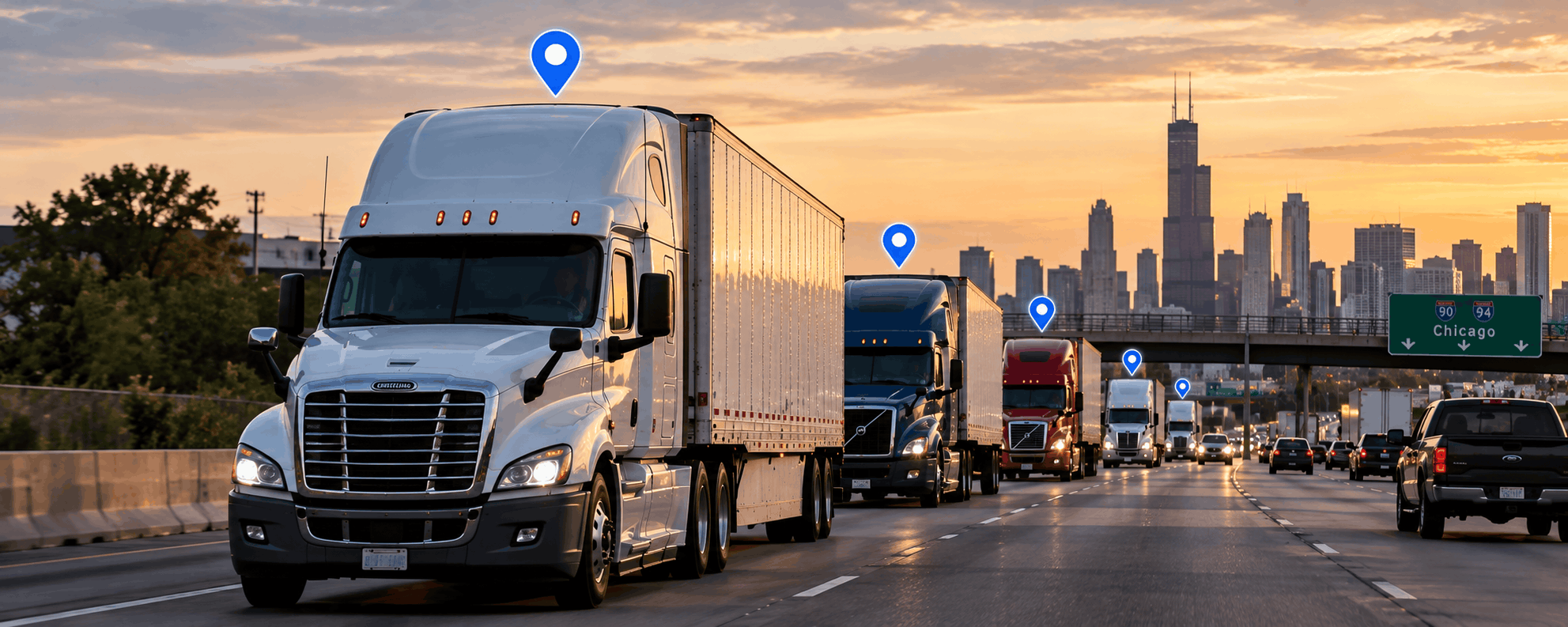


Growing a company with a vehicle fleet creates opportunities, but it also introduces new operational challenges. A business that can successfully manage five or ten vehicles using spreadsheets, phone calls, and basic GPS tracking may find those same methods increasingly difficult when the fleet expands to 25, 50, or 100 vehicles.
More drivers mean more schedules to coordinate. More vehicles mean additional maintenance requirements, fuel expenses, compliance records, and operational data. Managers also need better visibility into where vehicles are, how efficiently they are being used, and whether drivers are operating safely.
This is why choosing the best fleet technology should be treated as a long-term business decision rather than simply a software purchase.
The right system should solve current operational problems while providing enough flexibility to support future vehicles, drivers, locations, integrations, and business processes. Companies that consider scalability from the beginning can avoid replacing disconnected systems every time their operations reach a new stage of growth.
How Fleet Management Changes as a Company Grows
Fleet growth does not simply mean managing more vehicles. It increases the number of relationships between vehicles, drivers, dispatchers, maintenance teams, customers, and managers.
With a small fleet, a manager may personally know where each vehicle is and which driver is responsible for each route. As the operation expands, maintaining that level of visibility manually becomes increasingly difficult.
More Vehicles Create More Operational Complexity
Adding vehicles creates additional decisions every day.
Fleet managers must determine which vehicle should handle each assignment, whether drivers have sufficient available hours, when equipment requires service, how routes are performing, and whether assets are being used efficiently.
Small inefficiencies also become more expensive at scale. Ten unnecessary miles may appear insignificant for one vehicle, but repeated across dozens of vehicles every day, they can become a substantial operating expense.
Fleet technology gives managers the information needed to identify these patterns before they become permanent operational habits.
Manual Processes Become Difficult to Scale
Spreadsheets, paper inspection forms, telephone calls, and manual reports often remain useful during the early stages of a business.
However, these methods depend heavily on employees entering, updating, and communicating information correctly.
As fleet size increases, information can become fragmented. Dispatch may maintain one system, maintenance another, and accounting a third. Managers then spend time collecting data instead of using it to improve the operation.
Modern fleet management technology helps centralize information and automate repetitive processes.
Fleet Data Becomes a Business Asset
A growing fleet generates significant amounts of operational information.
Vehicle locations, mileage, idle time, fuel consumption, maintenance records, driver behavior, Hours of Service, inspection results, and route performance can all provide valuable information about business performance.
The objective is not simply to collect more data. The value comes from turning that data into decisions.
Managers can use fleet information to identify underutilized vehicles, inefficient routes, excessive idling, recurring maintenance issues, or driving behaviors that increase risk.
Start With the Problems Fleet Technology Needs to Solve
Companies frequently begin evaluating fleet technology by comparing software features. A better approach is to first identify the operational problems that technology needs to address.
Creating a prioritized list of challenges helps prevent a company from paying for unnecessary functionality while overlooking capabilities that will become important during growth.
Vehicle and Asset Visibility
A growing fleet needs reliable information about where vehicles and equipment are located.
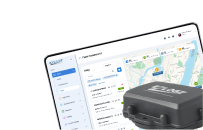
GPS fleet tracking can provide real-time vehicle locations, route histories, trip information, and geofence alerts. Asset tracking can extend similar visibility to trailers, equipment, and other mobile resources.
Better visibility can improve dispatch decisions while helping managers identify unauthorized vehicle use or equipment that is being underutilized.
Driver Management and Safety
The larger the driver workforce becomes, the harder it is to evaluate performance through direct supervision alone.
Telematics and video technology can provide objective information about events such as speeding, harsh braking, aggressive acceleration, or other risky behaviors.
Managers can use this information to build more consistent driver coaching programs rather than relying only on complaints or post-incident investigations.
Fuel and Operating Costs
Fuel remains one of the largest variable expenses for many commercial fleets.
Technology can help identify factors that contribute to unnecessary consumption, including excessive idling, poor routing, inefficient driving behavior, unauthorized vehicle use, and unnecessary mileage.
The ability to identify these patterns becomes increasingly valuable as fleet size grows.
Vehicle Maintenance
Maintenance becomes more difficult to coordinate when information is stored in notebooks, spreadsheets, or separate systems.
Fleet technology can help managers track mileage, inspections, diagnostic information, service intervals, and repair histories.
Preventive maintenance programs can then be based on actual vehicle activity rather than memory or inconsistent manual schedules.
Compliance Requirements
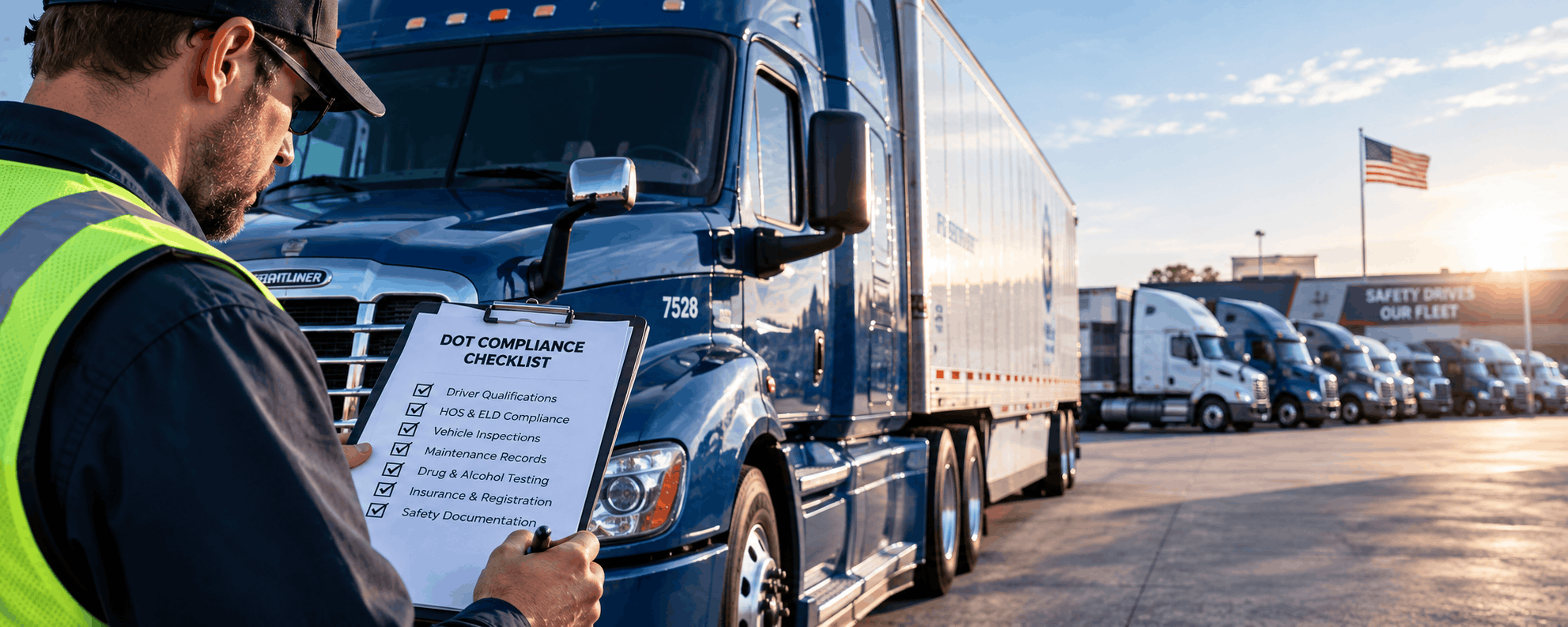
Commercial transportation companies may also need systems that support regulatory obligations such as Electronic Logging Device requirements, Hours-of-Service management, Driver Vehicle Inspection Reports, and IFTA reporting.
Compliance technology reduces dependence on paper-based processes and gives managers better visibility into potential issues before they develop into larger problems.
Dispatch and Customer Service
Customers increasingly expect accurate delivery information and dependable service.
Real-time fleet visibility allows dispatchers to understand route progress and make faster decisions when delays occur.
When dispatchers know where vehicles are and how assignments are progressing, they can provide customers with more accurate ETAs and respond more effectively to unexpected events.
Essential Fleet Technologies for Growing Companies
There is no single technology that every fleet requires. The appropriate combination depends on the size of the fleet, vehicle type, operating environment, regulatory requirements, and business objectives.
However, several technologies provide a foundation for scalable fleet operations.
GPS Fleet Tracking
GPS tracking provides real-time or near-real-time visibility into vehicle and asset locations.
Typical capabilities include:
- Current vehicle location
- Route history
- Trip playback
- Speed monitoring
- Geofencing
- Arrival and departure notifications
- Vehicle utilization analysis
For many small fleets, GPS tracking is the first step toward digital fleet management.
However, location information alone may become insufficient as the organization grows. Companies often begin requiring telematics, safety, compliance, maintenance, and reporting functionality as operational complexity increases.
Fleet Telematics
Telematics expands fleet visibility beyond location.
Connected systems can collect information about vehicle operation, including mileage, engine activity, speed, idle time, diagnostic information, and driving behavior.
This data allows managers to understand not only where a vehicle is located but also how it is being operated.
Telematics becomes particularly valuable when companies want to establish measurable fleet KPIs and compare performance across vehicles, routes, drivers, or locations.
Electronic Logging Devices
For fleets subject to applicable ELD regulations, electronic logging technology helps automate the recording of driver duty status and Hours of Service.
An integrated ELD solution can provide compliance teams and dispatchers with better visibility into driver availability.
This information can also improve operational planning because dispatchers can avoid assigning loads that drivers may not have sufficient legal driving time to complete.
AI Dashcams and Video Telematics
Dash cameras have evolved from passive recording devices into active fleet safety tools.
Modern video telematics can combine road-facing or driver-facing cameras with vehicle and driver data. Depending on the system, managers may receive alerts associated with unsafe events and review video surrounding incidents.
Video can support driver coaching, accident investigation, insurance documentation, and dispute resolution.
For growing fleets, these systems can also help standardize safety management across a larger driver workforce.
Fuel Management Technology
Fuel management tools help companies understand how fuel is being consumed across the fleet.
Useful information may include:
- Fuel consumption trends
- Idle time
- Mileage
- Vehicle efficiency
- Driver behavior
- Fuel transaction information
- Cost-per-mile trends
Instead of viewing fuel expenses only as accounting data, managers can connect fuel consumption with operational behavior.
Maintenance and DVIR Tools
Digital vehicle inspections and maintenance management tools can help fleets establish structured preventive maintenance programs.
Drivers can complete inspections electronically, while managers can track reported defects and schedule required service.
Digital records also make it easier to analyze maintenance history and identify vehicles with recurring reliability problems.
Mobile Fleet Management
Fleet managers are not always sitting behind a desk.
Mobile fleet applications can provide access to vehicle locations, alerts, driver information, compliance data, and operational reports from compatible mobile devices.
Mobile access becomes particularly important for growing companies with managers responsible for multiple locations or teams working outside a central office.
Standalone Tools or an Integrated Fleet Management Platform?
Growing companies often face an important technology decision: continue adding separate applications or move toward an integrated fleet management platform.
Standalone systems can be practical when a business has a narrowly defined requirement.
For example, a small company may initially need only basic GPS location information. Purchasing a straightforward tracking solution can meet that requirement without unnecessary complexity.
The situation changes when additional technologies are introduced.
A company might eventually operate one application for GPS tracking, another for electronic logs, another for cameras, a spreadsheet for maintenance, and a separate platform for fuel management.
The result can be technology fragmentation.
Employees need multiple passwords, information is stored in different places, reporting becomes more complicated, and managers may have difficulty creating a complete picture of fleet performance.
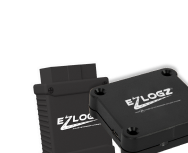
Integrated fleet platforms combine multiple operational functions within a connected environment. EZLOGZ, for example, currently provides capabilities that include GPS vehicle and asset tracking, ELD and HOS management, DVIR workflows, IFTA tools, fuel management, dash camera solutions, reporting, fleet applications, and API integration.
An integrated approach becomes increasingly valuable when several departments need access to the same operational information.
10 Features to Look for in Scalable Fleet Technology
When comparing fleet technology providers, growing companies should evaluate more than their immediate requirements.
1. Real-Time GPS Tracking
Managers should be able to quickly identify vehicle and asset locations and review historical activity.
2. Geofencing and Automated Alerts
Geofences can notify managers when vehicles enter or leave specified locations, while automated alerts reduce the need for constant manual monitoring.
3. Driver Behavior Monitoring
Objective driving data helps companies identify patterns that may increase fuel consumption, vehicle wear, or safety risk.
4. Dashcam Integration
Integrated video provides additional context around driving events and incidents.
5. Maintenance Management
The system should make preventive maintenance easier to schedule and document as fleet size increases.
6. Fuel Monitoring
Fuel analytics can help managers identify avoidable consumption and compare performance between vehicles.
7. Compliance Tools
Commercial fleets should evaluate whether the platform supports the regulations and reporting requirements that apply to their operation.
8. Reporting and Analytics
Raw fleet data has limited value unless managers can understand it.
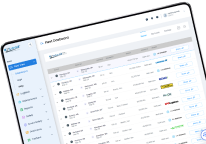
Look for dashboards and reports that convert operational information into practical KPIs.
9. Mobile Access
Managers and drivers should be able to complete important workflows without requiring constant access to desktop systems.
10. API and Integration Capabilities
A fleet platform should be able to exchange information with other business systems when necessary.
For growing companies, integration flexibility can be just as important as the features available on the day of purchase.
Scalability Should Be a Major Buying Criterion
One of the most common fleet technology mistakes is selecting a system based exclusively on the company’s current size.
Technology that works perfectly for ten vehicles may become restrictive at 50.
Before making a decision, companies should consider what their operation could look like several years from now.
Can the Platform Support More Vehicles and Assets?
Adding another truck should not require redesigning the entire technology environment.
Determine how easily new vehicles, trailers, equipment, and drivers can be added to the system.
Companies planning acquisitions or geographic expansion should pay particular attention to this capability.
Can New Features Be Added Later?
A fleet may initially require GPS tracking and basic reporting.
As the company expands, management may decide to introduce dashcams, electronic logging, advanced maintenance tools, fuel management, or additional analytics.
Modular technology allows companies to adopt functionality as business requirements evolve.
Can the System Support Multiple Locations?
Expansion often means opening additional terminals, branches, yards, or service areas.
Fleet technology should provide centralized management while still allowing managers to organize vehicles and users by location, department, or operational group.
Can Permissions Grow With the Organization?
A small company may have one fleet administrator.
A larger operation could include dispatchers, compliance personnel, safety managers, maintenance teams, regional supervisors, and executives.
Role-based access becomes increasingly important as more employees require access to fleet data.
Integration Capabilities Matter
Fleet management software rarely operates completely independently.
Growing businesses may need fleet information to interact with transportation management systems, dispatch applications, accounting platforms, maintenance systems, fuel programs, or other enterprise software.
This is why integration capabilities should be evaluated before purchasing a fleet platform.
Why APIs Matter
An Application Programming Interface, or API, allows different software systems to exchange information.
For a growing organization, an API can reduce manual data entry and make fleet data available to other systems used throughout the business.
EZLOGZ lists API integration among the capabilities available within its connected fleet environment.
The larger and more complex a company becomes, the more important it is to avoid creating isolated data silos.
Compare Total Cost of Ownership, Not Just Monthly Price
Price is naturally an important part of any technology decision, but subscription cost alone does not represent the complete financial impact of a fleet system.
Companies should consider the total cost of ownership.
This may include:
- Hardware
- Software subscriptions
- Installation
- Cellular connectivity
- Employee training
- System administration
- Integrations
- Technical support
- Replacement equipment
- Additional modules
- Migration costs
The lowest-cost option can become expensive if the company outgrows it quickly and has to purchase another platform.
Conversely, paying for an enterprise-scale system filled with unused features may not make financial sense for a small company.
The objective is to find a solution that provides enough room for realistic growth without creating unnecessary complexity.
How to Calculate Fleet Technology ROI
Fleet technology should ultimately produce measurable business value.
Return on investment can come from several areas.
Reduced Fuel Consumption
Lower idle time, improved routing, and better driving behavior can reduce unnecessary fuel consumption.
Lower Maintenance Costs
Preventive maintenance may help fleets identify issues earlier and reduce unexpected breakdowns.
Better Vehicle Utilization
Tracking vehicle activity can reveal assets that are underused or unnecessarily duplicated.
Improved Productivity
Automated reporting and digital workflows can reduce administrative work for drivers, dispatchers, and office employees.
Better Safety Performance
Driver monitoring, coaching, and video technology can help companies identify risky behavior before it contributes to an incident.
Better Customer Service
Accurate location and route information can improve ETA communication and operational reliability.
A simple ROI calculation can be expressed as:
Fleet Technology ROI = (Annual Financial Benefit − Annual Technology Cost) ÷ Annual Technology Cost × 100
The important step is establishing baseline metrics before implementation. Without knowing current fuel costs, idle time, administrative hours, maintenance expenses, or vehicle utilization, it becomes difficult to determine whether the technology is producing meaningful improvement.
Choosing Technology for Different Stages of Fleet Growth
There is no universal point at which a company must adopt a specific fleet technology. Operational complexity matters more than vehicle count alone.
However, the following framework can help companies think about technology priorities.
| Fleet Stage | Typical Needs | Technology Priorities |
|---|---|---|
| 1–10 vehicles | Basic visibility and control | GPS tracking, mobile access |
| 10–25 vehicles | Operational coordination | GPS, telematics, maintenance tools |
| 25–50 vehicles | Process standardization | Integrated fleet management, safety, compliance |
| 50–100 vehicles | Automation and analysis | Advanced reporting, APIs, video telematics |
| 100+ vehicles | Enterprise optimization | Integrated platform, automation, analytics |
A specialized fleet operating 15 vehicles may have more complex technology requirements than a company operating 50 vehicles on predictable local routes.
Business model, regulations, geography, vehicle types, customer requirements, and growth plans should therefore remain part of the decision.
Common Mistakes When Choosing Fleet Technology
Avoiding common purchasing mistakes can save growing businesses considerable time and money.
Choosing Only for Today’s Fleet Size
A system should meet immediate requirements without creating a technology dead end.
Ask what happens when the company doubles its fleet.
Buying Based on Price Alone
Low upfront cost does not automatically mean low total cost.
Consider administration, integration, training, hardware, support, and potential migration costs.
Focusing Only on GPS
Location visibility is important, but growing fleets may also require safety, maintenance, compliance, fuel, video, and analytics capabilities.
Ignoring Integrations
A platform that cannot exchange information with other business systems can eventually create additional manual work.
Adding Too Many Disconnected Tools
Multiple specialized tools can provide excellent functionality, but excessive fragmentation may increase administrative complexity.
Purchasing Features Employees Will Not Use
More features do not automatically produce better results.
Prioritize capabilities connected to clear operational problems and measurable objectives.
Skipping Employee Training
Technology is only effective when drivers, dispatchers, managers, and administrators understand how to use it.
Training should be considered part of implementation rather than an optional final step.
A Practical Fleet Technology Implementation Roadmap
Choosing the system is only part of the process. Successful implementation requires clear objectives and measurable outcomes.
Step 1: Identify Operational Problems
Document the most important fleet challenges before contacting providers.
Examples might include excessive idling, poor vehicle visibility, compliance workload, maintenance delays, or inconsistent driver safety.
Step 2: Establish Baseline KPIs
Measure current performance.
Relevant KPIs may include fuel cost per mile, idle percentage, maintenance cost, vehicle utilization, safety events, administrative hours, or on-time performance.
Step 3: Prioritize Required Features
Separate essential features from optional functionality.
This prevents demonstrations from becoming feature comparisons that are disconnected from actual business requirements.
Step 4: Evaluate Scalability
Consider how the solution will perform with more vehicles, drivers, users, locations, and data.
Step 5: Test the Technology
When possible, conduct a pilot using real vehicles and employees.
A pilot can reveal installation issues, workflow challenges, training requirements, and differences between advertised functionality and daily usability.
Step 6: Train Drivers and Managers
Explain not only how the system works but also why it is being implemented.
Employees are more likely to use technology consistently when they understand its operational purpose.
Step 7: Measure Results
Compare post-implementation KPIs with the original baseline.
Determine whether the technology is reducing costs, saving time, improving safety, or increasing visibility.
Step 8: Expand as the Business Grows
Additional capabilities can be introduced when operational requirements justify them.
This gradual approach allows technology spending to follow business needs.
Questions to Ask Fleet Technology Providers
Before choosing a provider, companies should obtain clear answers to several questions:
- Can the system support our current vehicles and equipment?
- How easily can new vehicles and drivers be added?
- Which features are included in the standard subscription?
- Can additional modules be introduced later?
- What hardware and installation are required?
- Does the platform provide API access?
- Can the system support multiple locations and departments?
- What reporting and analytics are available?
- What training does the provider offer?
- What technical support is available?
- How is fleet data protected?
- What is the complete cost of ownership?
- What happens if our fleet doubles or triples in size?
These questions help shift the purchasing discussion away from individual features and toward the long-term suitability of the technology.
Build a Fleet Technology Strategy That Can Grow With Your Business
The best fleet technology is not necessarily the system with the longest list of features.
It is the solution that addresses today’s operational challenges while giving the company room to grow.
For a smaller fleet, that may begin with GPS tracking and basic vehicle visibility. As the company expands, requirements may evolve toward telematics, driver safety, electronic logging, digital inspections, maintenance, fuel management, video, automated reporting, and integrations.
Connected platforms can simplify this progression by keeping multiple fleet functions within the same operational environment. EZLOGZ currently combines technologies including GPS and asset tracking, ELD and HOS management, DVIR, IFTA reporting, fuel management, dash camera solutions, mobile fleet applications, reporting, and API integration.
The key is to think beyond the next purchase.
Growing companies should choose fleet technology based on where the business is going, how operations will change, and which tools will continue providing value as complexity increases.
A scalable technology strategy gives managers better visibility today while creating a stronger digital foundation for tomorrow.
FAQ:
Fleet technology refers to digital systems and connected hardware used to manage commercial vehicles, drivers, assets, and fleet operations. Examples include GPS tracking, telematics, ELDs, dashcams, maintenance software, fuel management systems, mobile applications, and fleet analytics.
Many small fleets begin with GPS tracking because vehicle visibility provides immediate operational value. Depending on the business, telematics, maintenance tools, electronic logging, digital inspections, or driver safety technology may also be necessary. Companies should choose technology according to operational requirements rather than fleet size alone.
A company should consider fleet management technology when manual processes begin limiting visibility, consuming excessive administrative time, or making it difficult to control costs and performance. Investing before these problems become severe can make future expansion easier.
GPS tracking provides valuable location information, but growing companies often require additional capabilities. Telematics, maintenance management, compliance tools, driver safety systems, reporting, video technology, and integrations can become increasingly important as fleet operations become more complex.
Scalable technology can accommodate additional vehicles, drivers, users, locations, and operational data without requiring the company to replace its core system. Support for optional modules, APIs, integrations, permissions, and centralized reporting also contributes to scalability.
Fleet technology can help managers identify excessive idling, inefficient routing, poor vehicle utilization, risky driving behavior, maintenance problems, and unnecessary administrative work. The actual financial impact depends on how effectively the company uses the information to change operations.
Costs vary according to hardware, software, fleet size, required features, installation, connectivity, integrations, and support. Companies should compare total cost of ownership instead of evaluating providers solely by monthly subscription price.
Start by recording baseline KPIs before implementation. Compare changes in fuel consumption, maintenance expenses, idle time, labor hours, vehicle utilization, safety events, and other measurable costs against the total cost of the technology.
An integrated platform can be advantageous when a company needs multiple fleet functions such as GPS tracking, compliance, safety, maintenance, video, fuel management, and reporting. Centralizing these functions can reduce technology fragmentation and make operational information easier to manage as the business expands.