

Growing a trucking company sounds simple in theory: add more trucks, hire more drivers, take on more loads, and increase revenue.
In practice, growth adds complexity just as quickly as it adds opportunity.
A fleet that runs smoothly with five trucks can become difficult to manage at 15, 30, or 100 vehicles if dispatching, driver communication, compliance, maintenance, and reporting still depend on spreadsheets, phone calls, and disconnected systems.
That is where fleet management software becomes important.
The right platform can help a trucking business organize operations, improve visibility, reduce administrative work, and create repeatable processes that scale more easily.
Why Scaling a Trucking Business Becomes More Complex
Adding trucks doesn’t just increase capacity. It also increases the number of moving parts the business has to manage every day.
A larger fleet usually means:
- more drivers and schedules;
- more routes and loads;
- more fuel consumption;
- more maintenance events;
- more compliance records;
- more vehicle inspections;
- more customer communication;
- more paperwork;
- more opportunities for delays and mistakes.
The challenge is that operating costs can grow faster than revenue if the company does not improve its internal processes at the same time.
For example, a dispatcher may manage a small fleet manually. But as the number of drivers increases, the same workflow can become inefficient. More calls are needed, updates take longer, paperwork increases, and it becomes harder to understand what is happening across the fleet in real time.
Scaling therefore requires more than adding vehicles. It requires a stronger operating system for the business.
What Is Fleet Management Software?
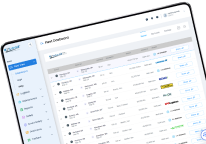
Fleet management software is a digital platform that helps trucking companies manage vehicles, drivers, routes, compliance, maintenance, and operational data in one place.
Depending on the platform, fleet management software may include tools for:
- GPS and vehicle tracking;
- driver management;
- dispatching;
- ELD and Hours of Service monitoring;
- vehicle inspections;
- maintenance scheduling;
- document storage;
- fuel monitoring;
- reporting and analytics;
- compliance management.
Instead of relying on several disconnected tools, fleet managers can use one system to get a clearer view of day-to-day operations.
This becomes increasingly valuable as the fleet grows.
How Fleet Management Software Helps a Trucking Company Scale
1. Centralizes Fleet Operations
One of the first problems growing fleets experience is fragmentation.
Driver information may be stored in one system, vehicle records in another, maintenance data in spreadsheets, and dispatch communication in phone calls or messaging apps.
Fleet management software can bring much of this information together.
That gives fleet owners and operations managers a more centralized view of:
- vehicles;
- drivers;
- routes;
- current activity;
- compliance records;
- maintenance needs;
- operational performance.
Centralization reduces the time managers spend searching for information and makes it easier to understand what is happening across the fleet.
2. Reduces Administrative Work
Administrative workload increases significantly as you add more drivers and trucks.
Each new vehicle can create additional maintenance records, inspection reports, fuel data, insurance documents, and compliance requirements.
Each new driver can add logs, qualification records, assignments, and communication.
Fleet management software can help organize and automate parts of this work.
For example, digital records can reduce dependence on paper files and spreadsheets. Automated alerts can help managers keep track of upcoming maintenance or compliance requirements.
The goal is not to eliminate management work, but to reduce repetitive tasks so employees can spend more time on higher-value activities.
3. Improves Dispatch Efficiency
Dispatching gets harder as the fleet grows.
Without accurate visibility, dispatchers may spend significant time calling drivers to ask:
- where they are;
- whether they have arrived;
- whether a load has been completed;
- whether the truck is available;
- whether there has been a delay.
Fleet visibility tools can make these workflows more efficient.
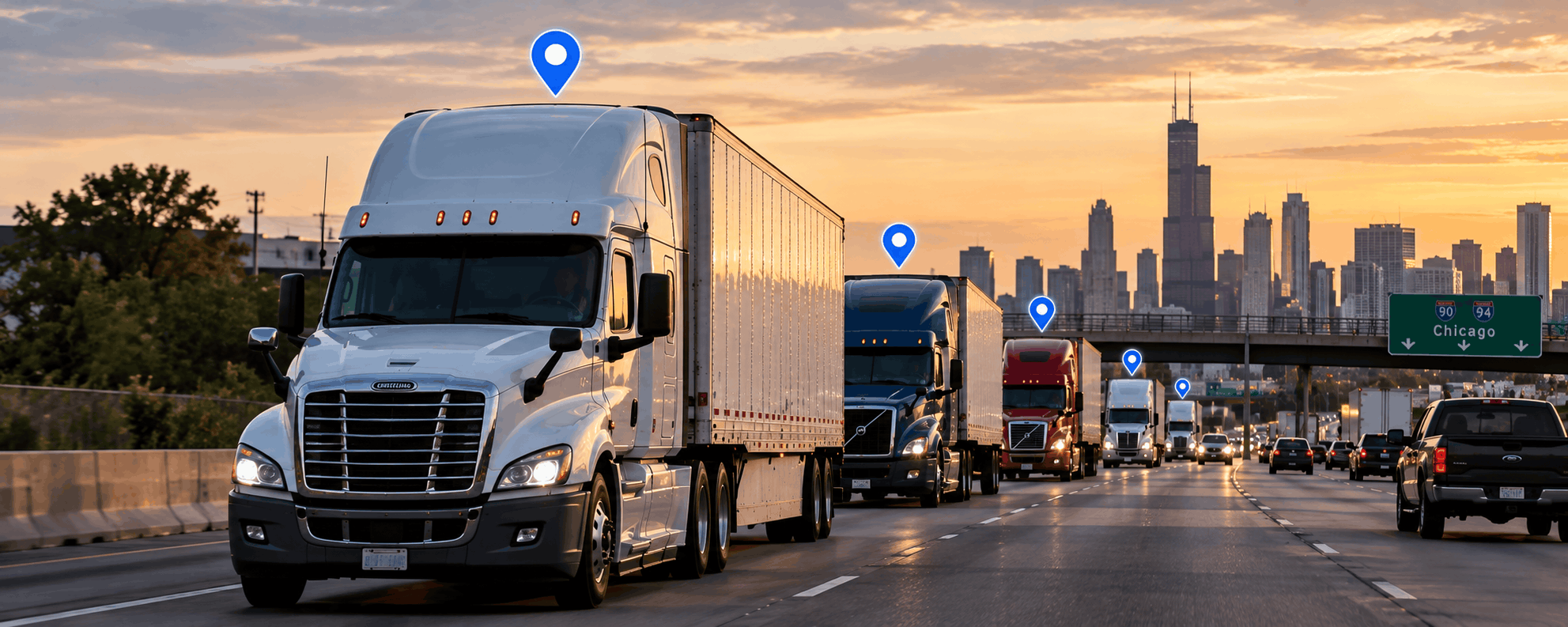
Dispatchers can use real-time or near-real-time vehicle information to understand where trucks are, monitor progress, respond to delays, and plan assignments more effectively.
This can also improve communication with customers because the company has better information about delivery status and potential disruptions.
4. Creates Repeatable Processes
Repeatable processes are one of the most important elements of scaling.
A business that depends heavily on individual employees remembering what to do may struggle when the fleet expands.
Fleet management software can help standardize processes such as:
- driver onboarding;
- vehicle inspections;
- maintenance schedules;
- compliance reviews;
- dispatch workflows;
- document management.
When processes are standardized, it becomes easier to add new drivers and vehicles without rebuilding the entire operation every time.
Using Data to Make Better Fleet Decisions
A growing fleet generates a large amount of operational data.
The challenge is turning that data into useful information.
Fleet management software can help managers track metrics such as:
- vehicle utilization;
- idle time;
- fuel consumption;
- route performance;
- maintenance costs;
- driver activity;
- vehicle downtime;
- cost per mile.
These metrics can reveal problems that are difficult to see manually.
For example, one truck may consistently consume more fuel than similar vehicles. Another may experience frequent downtime. A particular route may produce more empty miles than expected.
With better visibility, fleet managers can investigate the causes and make more informed decisions.
This becomes especially important when operating dozens or hundreds of vehicles, where small inefficiencies can add up to high costs.
Controlling Costs as the Fleet Grows
Revenue growth does not automatically mean profit growth.
Adding trucks also increases:
- fuel expenses;
- maintenance costs;
- driver payroll;
- insurance;
- administrative labor;
- equipment costs.
Fleet management software can help businesses identify where money is being spent and where inefficiencies may exist.
Preventive Maintenance
Unplanned breakdowns can be expensive.
They may lead to:
- towing costs;
- emergency repairs;
- missed deliveries;
- driver downtime;
- customer dissatisfaction.
Maintenance tracking tools can help fleet managers schedule service based on mileage, time, or vehicle condition.
A more proactive maintenance approach can reduce the risk of avoidable breakdowns and help keep vehicles available for revenue-generating work.
Fuel Efficiency
Fuel is one of the largest operating expenses for many trucking companies.
Fleet management tools can help monitor factors such as:
- fuel consumption;
- excessive idling;
- unnecessary mileage;
- route efficiency;
- driver behavior.
The goal isn’t simply to collect fuel data. It is to identify patterns that indicate opportunities to improve efficiency.
Managing Drivers More Efficiently
Drivers are at the center of every trucking operation.
As the fleet grows, managing driver information and communication becomes more complex.
Fleet management software can help organize:
- driver profiles;
- assignments;
- Hours of Service;
- ELD records;
- inspection reports;
- documents;
- safety information;
- performance data.
Centralized driver management also makes it easier for managers to understand availability and identify issues before they disrupt operations.
The goal should be better coordination and support, not simply increased monitoring.
Compliance Becomes More Important as You Scale
Compliance responsibilities increase alongside the fleet.
More drivers and vehicles mean more records that must be maintained accurately.
Depending on the operation, this may include:
- ELD records;
- Hours of Service;
- Driver Vehicle Inspection Reports;
- driver qualification information;
- maintenance records;
- vehicle documentation;
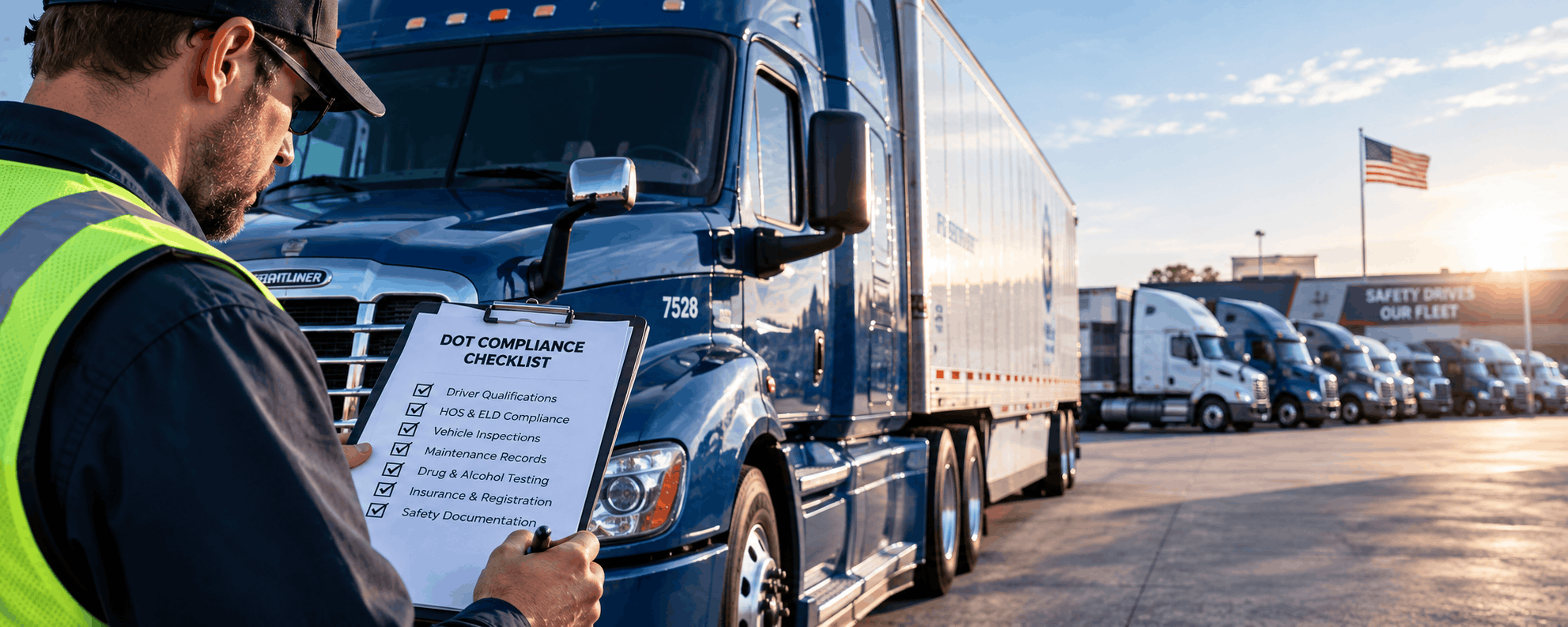
- DOT compliance requirements.
When this information is spread across paper files, spreadsheets, and different systems, managing compliance can become time-consuming.
Centralized digital records can make it easier to review information, respond to audits, and identify missing or incomplete documentation.
For a growing trucking business, this can reduce administrative pressure and help create more consistent compliance processes.
When Does a Trucking Company Need Fleet Management Software?
Not every company needs a sophisticated platform on day one.
However, clear signs show that manual processes may no longer be enough.
A trucking company may be ready for fleet management software if:
- dispatchers rely heavily on spreadsheets;
- managers frequently call drivers for status updates;
- vehicle records are stored in multiple locations;
- maintenance is mostly reactive;
- compliance paperwork takes too much time;
- fuel costs are difficult to analyze;
- reports require significant manual work;
- adding new trucks creates operational confusion.
These are often signs that the company has outgrown its current management process.
What to Look for in Fleet Management Software
Choose software based on operational needs, not just the number of features.
Important capabilities may include:
- fleet and vehicle management;
- driver management;
- GPS visibility;
- ELD integration;
- Hours of Service monitoring;
- compliance tools;
- maintenance tracking;
- document management;
- reporting and analytics;
- mobile access;
- integration with existing systems;
- support for fleet growth.
Ease of use is also important.
A platform that adds complexity instead of reducing it may create more work for dispatchers and drivers.
The best solution fits naturally into daily operations and can keep supporting the company as the fleet expands.
How EZLOGZ Can Support Fleet Growth
As trucking operations become more complex, using connected tools for drivers, vehicles, compliance, and fleet visibility can help reduce fragmentation.
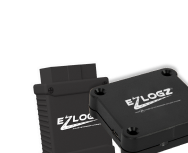
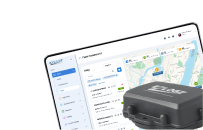
EZLOGZ provides solutions designed to support fleet operations, including tools related to ELD, driver management, compliance, tracking, reporting, and fleet administration.
For a growing trucking company, a connected platform’s value isn’t just in individual features. It is in creating a more organized operating environment where managers can access important information without relying on multiple disconnected systems.
This makes it easier to standardize processes as you add new trucks and drivers.
Scale the System Before You Scale the Fleet
Successful fleet growth requires more than purchasing additional trucks.
A scalable trucking operation needs:
- clear processes;
- reliable operational data;
- strong compliance management;
- efficient driver coordination;
- preventive maintenance;
- visibility across the fleet.
Fleet management software can provide the structure needed to support that growth.
Instead of letting complexity grow with every new vehicle, trucking companies can build systems that make expansion more manageable.
For fleet owners planning their next stage of growth, the right technology can help create a stronger foundation for long-term operations.
Explore EZLOGZ fleet management solutions or request a demo to see how the platform can support your growing fleet.
FAQ:
Fleet management software is a digital platform that helps trucking businesses manage vehicles, drivers, routes, compliance, maintenance, documents, and operational data. It gives fleet managers a centralized view of daily operations and can reduce reliance on spreadsheets, phone calls, and disconnected systems.
It helps create standardized processes for dispatching, driver management, maintenance, compliance, reporting, and vehicle tracking. As more trucks and drivers are added, these repeatable workflows make growth easier to manage without increasing administrative complexity at the same rate.
A company should consider fleet management software when manual processes begin causing delays, duplicate work, missing records, poor visibility, or difficulty managing drivers and vehicles. Common warning signs include heavy spreadsheet use, frequent status calls to drivers, reactive maintenance, and time-consuming compliance reporting.
It can help identify cost-reduction opportunities by improving visibility into fuel use, idle time, unnecessary mileage, vehicle downtime, maintenance, and driver activity. The software itself does not guarantee savings, but it can provide the data needed to make better operational decisions.
Many fleet management platforms include ELD, Hours of Service, vehicle inspection, driver record, and compliance management tools. Centralizing these records can make it easier to monitor compliance requirements, identify missing information, and prepare for audits.
Yes. Fleet management software is not only for large carriers. Small fleets can benefit from organizing driver records, maintenance schedules, compliance documents, dispatch information, and vehicle data before operations become too complex to manage manually.
Important features may include GPS tracking, ELD integration, Hours of Service monitoring, driver management, maintenance tracking, document storage, compliance tools, reporting, mobile access, and integrations with existing systems. The platform should also scale as the fleet grows.
Fleet management software can give dispatchers better visibility into vehicle locations, driver status, routes, and current assignments. This can reduce repeated phone calls and help dispatchers respond faster to delays, route changes, and new load assignments.
Fleet management software can track mileage, service intervals, inspection results, and maintenance schedules. Automated reminders can help fleet managers plan service before problems lead to unexpected breakdowns or extended vehicle downtime.
EZLOGZ provides fleet management tools for ELD, driver management, compliance, tracking, reporting, and fleet administration. Using these functions in a connected platform can help growing fleets organize operations and reduce fragmentation across systems.