

Contents:
- Cloud-Based Incident Management for Fleet Operations
- What Is Cloud-Based Incident Management?
- The Evolution of Incident Management in Fleet Operations
- Digital Transformation and Cloud Adoption
- Core Components of Cloud-Based Incident Management Systems
- GPS and Telematics Integration
- Automated Workflow Management
- Centralized Cloud Storage
- Benefits of Cloud-Based Incident Management
- Cost Reduction
- The Role of Artificial Intelligence in Incident Management
- Cybersecurity and Data Protection Considerations
- Challenges of Implementation
- Future Trends in Fleet Incident Management
- Best Practices for Successful Deployment
- FAQ:
Cloud-Based Incident Management for Fleet Operations
The transportation and logistics industry has undergone a substantial technological transformation over the past decade, driven by the growing adoption of digital infrastructure, telematics, and cloud computing. Modern fleet operations now operate in highly dynamic, data-intensive environments where operational continuity, driver safety, regulatory compliance, and rapid incident response are critical organizational priorities. As fleets continue to expand in scale and complexity, traditional incident management systems are proving increasingly insufficient for addressing the operational demands of contemporary transportation networks.
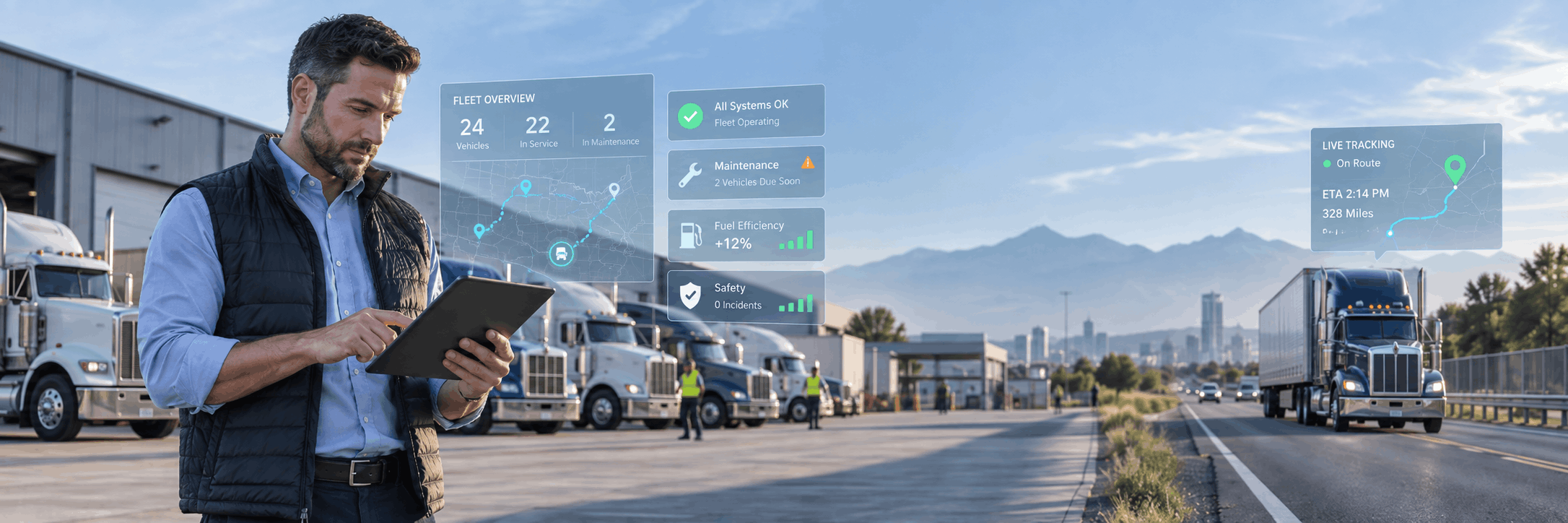
Cloud-based incident management has emerged as a strategic solution that improves operational visibility, accelerates response times, and enhances overall fleet efficiency. By leveraging centralized cloud infrastructure, transportation companies can monitor incidents in real time, automate reporting workflows, and maintain continuous communication between drivers, dispatchers, compliance managers, and executive stakeholders. These systems not only improve operational resilience but also significantly reduce costs, ensure regulatory compliance, and enable long-term fleet optimization.
This article examines the role of cloud-based incident management within fleet operations, exploring its core technologies, operational benefits, implementation challenges, cybersecurity considerations, and future development trends within the transportation industry.
What Is Cloud-Based Incident Management?
Cloud-based incident management refers to the use of remotely hosted digital platforms that collect, process, store, and distribute operational incident data across transportation networks in real time. Unlike traditional localized systems, cloud-based environments provide centralized accessibility from virtually any connected device, enabling rapid coordination and improved decision-making throughout the organization.
Within fleet operations, incidents may include:
- Vehicle collisions and traffic accidents
- Driver safety violations
- Mechanical breakdowns
- Cargo theft or tampering
- Route deviations
- Compliance breaches
- Severe weather disruptions
- Unauthorized vehicle usage
The primary objective of cloud-based incident management systems is to ensure that operational disruptions are identified, documented, escalated, and resolved with maximum efficiency and transparency.
The Evolution of Incident Management in Fleet Operations
Limitations of Traditional Systems
Historically, fleet incident management relied heavily on paper-based documentation, manual communication channels, and fragmented reporting processes. Drivers frequently reported incidents by phone or in written reports, while operational teams manually consolidated data into spreadsheets or into isolated databases.
These traditional systems created several operational limitations:
- Delayed incident reporting
- Inconsistent documentation standards
- Limited operational visibility
- Increased administrative workload
- Reduced response coordination
- Higher probability of human error
As fleet sizes expanded and transportation regulations became increasingly complex, organizations recognized the need to adopt more scalable, technologically advanced management systems.
Digital Transformation and Cloud Adoption
The integration of telematics, IoT devices, GPS tracking, and cloud computing has fundamentally changed fleet operations. Modern transportation companies now operate within connected ecosystems where real-time data collection and automated workflows enable continuous monitoring and rapid operational adjustments.
Cloud-based infrastructure allows organizations to centralize operational intelligence while maintaining scalability, accessibility, and system flexibility across geographically distributed fleets.
Core Components of Cloud-Based Incident Management Systems
Real-Time Incident Reporting
One of the most valuable features of cloud-based incident management systems is the ability to report incidents immediately as they occur. Drivers may use mobile applications or onboard devices to submit incident data directly into centralized platforms.
Modern systems typically support:
- Photo and video uploads
- GPS location tagging
- Automated timestamping
- Voice-to-text reporting
- Digital signature collection
This capability significantly reduces reporting delays while improving documentation accuracy.
GPS and Telematics Integration
Cloud-based platforms frequently integrate directly with telematics systems and GPS infrastructure, enabling continuous monitoring of:
- Vehicle location
- Driving speed
- Braking behavior
- Route adherence
- Fuel consumption
- Engine diagnostics
Such integrations provide fleet managers with contextual operational data that can improve incident analysis and support preventive risk management initiatives.
Automated Workflow Management
Automation is a central advantage of cloud-based systems. Once an incident is reported, predefined workflows may automatically:
- Notify dispatch personnel
- Escalate severe incidents
- Generate compliance documentation
- Schedule maintenance inspections
- Alert insurance providers
- Trigger emergency response procedures.
Automation reduces administrative inefficiencies and accelerates organizational response times.
Centralized Cloud Storage
All incident-related information is securely stored within cloud environments, allowing authorized stakeholders to access records remotely and in real time. Centralized storage improves collaboration while reducing the risks associated with fragmented local databases.
Benefits of Cloud-Based Incident Management
Improved Operational Efficiency
Cloud-based systems substantially improve operational efficiency by reducing communication delays and streamlining response coordination. Fleet managers can monitor incidents in real time, assign responsibilities instantly, and track resolution progress from centralized dashboards.
Key operational benefits include:
- Faster incident resolution
- Reduced vehicle downtime
- Improved dispatch coordination
- Lower administrative overhead
- Enhanced cross-department collaboration
Enhanced Driver Safety
Driver safety remains a primary concern within the transportation and logistics industries. Cloud-based systems improve safety management by enabling continuous behavioral monitoring and immediate emergency communication.
Safety-related functionalities may include:
- Fatigue detection alerts
- Driver scoring systems
- Real-time emergency notifications
- Predictive safety analytics
- Video telematics integration
These technologies support preventive safety strategies rather than relying solely on reactive incident management.
Regulatory Compliance Support
Transportation companies operate within highly regulated environments governed by agencies such as the Federal Motor Carrier Safety Administration (FMCSA). Cloud-based systems simplify compliance management through automated reporting and digital recordkeeping.
Compliance support features often include:
- Electronic Hours of Service (HOS) monitoring
- Automated inspection documentation
- Digital Driver Vehicle Inspection Reports (DVIR)
- Audit-ready record storage
- Regulatory alert notifications
Such capabilities reduce compliance risks and improve organizational transparency.
Cost Reduction
Operational incidents generate significant financial consequences, including vehicle repairs, legal expenses, cargo losses, insurance claims, and downtime costs. Cloud-based incident management systems contribute to cost reduction through:
- Faster incident mitigation
- Preventive maintenance support
- Lower insurance exposure
- Reduced fuel inefficiencies
- Improved asset utilization
Long-term financial savings frequently justify the initial investment in cloud infrastructure.
The Role of Artificial Intelligence in Incident Management
Predictive Risk Analysis
Artificial intelligence is increasingly integrated into cloud-based fleet platforms to identify operational risks before incidents occur. Machine learning algorithms analyze behavioral and operational patterns to detect anomalies associated with elevated accident probability.
AI-driven predictive systems may evaluate:
- Driver fatigue indicators
- Speeding patterns
- Harsh braking frequency
- Route risk exposure
- Vehicle maintenance conditions
Predictive analytics enables organizations to transition from reactive incident response toward proactive risk prevention.
Automated Decision-Making
AI technologies also support automated operational decision-making during incidents. Intelligent systems may prioritize alerts, classify incidents based on severity, and recommend immediate operational responses.
Such automation improves consistency while reducing human response delays during critical situations.
Cybersecurity and Data Protection Considerations
Security Risks in Cloud Infrastructure
Although cloud technologies provide significant operational advantages, they also introduce cybersecurity concerns. Fleet management systems frequently process sensitive operational and personal data, making them attractive targets for cybercriminal activity.
Primary risks include:
- Data breaches
- Unauthorized system access
- Ransomware attacks
- Service disruptions
- Credential theft
Security Best Practices
To mitigate cybersecurity risks, transportation organizations should implement robust security frameworks that include:
- End-to-end data encryption
- Multi-factor authentication
- Role-based access controls
- Continuous vulnerability monitoring
- Secure cloud hosting environments
- Disaster recovery planning
Cybersecurity should be treated as an integral component of fleet incident management strategy rather than a secondary technical consideration.
Challenges of Implementation
Organizational Resistance
Digital transformation initiatives often encounter resistance from employees accustomed to traditional operational processes. Drivers and dispatchers may initially resist new reporting technologies due to unfamiliarity or concerns about workflow disruption.
Successful implementation, therefore, requires:
- Comprehensive employee training
- Clear operational communication
- Ongoing technical support
- Gradual transition strategies
Infrastructure Limitations
Reliable cloud-based operations depend heavily on stable internet connectivity and mobile infrastructure. Remote geographic regions may present connectivity challenges that affect real-time reporting capabilities.
Organizations must therefore evaluate infrastructure readiness prior to implementation.
Integration Complexity
Many transportation companies operate legacy systems that may not integrate seamlessly with modern cloud platforms. Achieving interoperability between telematics systems, ELD platforms, ERP software, and incident management applications can be technically complex.
Future Trends in Fleet Incident Management
Artificial Intelligence Expansion
AI adoption within fleet management is expected to accelerate significantly over the coming years. Future systems will likely incorporate more advanced behavioral analytics, automated risk forecasting, and intelligent dispatch optimization capabilities.
Edge Computing
Edge computing technologies may further improve incident management responsiveness by processing operational data directly within vehicles rather than relying exclusively on centralized cloud servers.
This approach can reduce latency while improving operational reliability in low-connectivity environments.
Autonomous Fleet Monitoring
As autonomous and semi-autonomous vehicle technologies continue to evolve, incident management systems will require increasingly sophisticated monitoring frameworks capable of evaluating automated driving decisions and system performance.
Advanced Predictive Safety Technologies
Future platforms will likely combine AI, computer vision, biometric monitoring, and environmental analytics to create highly advanced predictive safety ecosystems.
Best Practices for Successful Deployment
Organizations implementing cloud-based incident management systems should adopt several strategic best practices:
- Establish standardized incident response protocols.
- Conduct continuous driver and staff training.
- Perform regular cybersecurity audits.
- Monitor key operational performance indicators.
- Maintain integration compatibility across platforms.
- Continuously evaluate system scalability.
Long-term success depends not only on technological adoption but also on organizational adaptability and operational discipline.
Cloud-based incident management has become an essential component of modern fleet operations, enabling transportation organizations to improve operational visibility, accelerate incident response, strengthen regulatory compliance, and enhance overall fleet safety. By integrating telematics, cloud infrastructure, artificial intelligence, and automation technologies, fleet operators can significantly reduce operational risks while improving efficiency and cost control.
As transportation networks continue to evolve, cloud-based systems will play an increasingly strategic role in shaping the future of logistics management. Organizations that successfully adopt and integrate these technologies will be better positioned to navigate regulatory complexity, optimize operational performance, and maintain competitive advantage within the rapidly transforming transportation industry.
FAQ:
What is cloud-based incident management in fleet operations?
Cloud-based incident management refers to the use of centralized, cloud-hosted platforms to monitor, report, document, and resolve operational incidents across fleet operations. These systems enable real-time communication, automated workflows, and remote accessibility, allowing transportation companies to improve operational efficiency, driver safety, and regulatory compliance.
How does cloud-based incident management improve fleet safety?
Cloud-based systems enhance fleet safety by enabling real-time incident reporting, driver behavior monitoring, GPS tracking, and automated emergency notifications. Many modern platforms also integrate artificial intelligence and telematics technologies to identify potential safety risks before accidents occur, thereby supporting preventive risk management strategies.
What types of incidents can be managed through cloud-based systems?
Fleet incident management platforms are capable of handling a wide range of operational events, including:
- Vehicle accidents and collisions
- Driver safety violations
- Mechanical failures and breakdowns
- Cargo theft or tampering
- Route deviations
- Severe weather disruptions
- Regulatory compliance incidents
- Unauthorized vehicle usage
These systems centralize all incident-related information to improve operational visibility and response coordination.
Why are traditional incident management systems becoming obsolete?
Traditional systems often rely on manual reporting, paper documentation, spreadsheets, and fragmented communication channels. Such approaches frequently result in delayed reporting, inconsistent data accuracy, reduced operational visibility, and increased administrative burden. Cloud-based technologies address these limitations through automation, centralized data management, and real-time operational monitoring.
How does cloud technology support regulatory compliance in transportation?
Cloud-based fleet management systems simplify compliance by automating documentation and maintaining digital records required by transportation authorities such as the FMCSA. Features may include automated Hours of Service (HOS) tracking, electronic Driver Vehicle Inspection Reports (DVIR), maintenance records, and audit-ready documentation storage.
What role does artificial intelligence play in incident management?
Artificial intelligence enhances incident management through predictive analytics and automated decision-making. AI-powered systems can analyze driver behavior, identify operational anomalies, predict maintenance issues, and prioritize incident alerts based on severity. This allows fleet operators to adopt proactive safety and risk management strategies.
Are cloud-based fleet management systems secure?
Modern cloud-based fleet management platforms typically incorporate advanced cybersecurity measures such as:
- End-to-end encryption
- Multi-factor authentication
- Role-based access controls
- Continuous security monitoring
- Secure cloud hosting environments
However, transportation companies must also implement internal cybersecurity policies and employee training to minimize potential security risks.
Can cloud-based incident management systems integrate with existing fleet software?
Yes. Most modern cloud-based platforms are designed to integrate with existing fleet management ecosystems, including:
- Electronic Logging Devices (ELDs)
- GPS tracking systems
- Telematics platforms
- Dispatch software
- Maintenance management systems
- ERP and compliance platforms
System interoperability is essential to maintaining centralized operational visibility across the fleet.
What are the primary business benefits of implementing cloud-based incident management?
Organizations implementing cloud-based incident management systems may benefit from:
- Faster incident response times
- Reduced operational downtime
- Improved driver safety
- Enhanced compliance management
- Lower administrative costs
- Better resource allocation
- Improved data accuracy
- Reduced insurance and liability risks
These advantages contribute to both short-term operational improvements and long-term strategic efficiency.
What challenges may arise during implementation?
Common implementation challenges include employee resistance to new technologies, integration complexity with legacy systems, connectivity limitations in remote areas, and initial infrastructure investment requirements. Successful deployment typically requires structured employee training, phased implementation strategies, and continuous operational support.
How will cloud-based incident management evolve in the future?
Future developments are expected to include deeper integration of artificial intelligence, edge computing, autonomous fleet monitoring, advanced predictive safety analytics, and real-time environmental risk assessment technologies. These innovations will likely further improve operational efficiency, safety management, and automated decision-making across transportation networks.