


Maintaining DOT compliance is essential for commercial trucking companies. Fleet operators must meet Federal Motor Carrier Safety Administration (FMCSA) requirements covering driver qualifications, Hours of Service (HOS), electronic logging devices (ELDs), vehicle inspections, and safety documentation.
As fleets expand, managing these responsibilities becomes increasingly complex. Missing documentation, expired credentials, inaccurate driver logs, or neglected vehicle maintenance can lead to violations, penalties, and operational delays.
A structured DOT compliance checklist helps trucking companies organize regulatory responsibilities, identify risks, and maintain consistent safety practices. This guide covers essential requirements, recommended inspection schedules, common violations, and ways fleet management technology can simplify compliance.
What Is DOT Compliance for Commercial Truck Fleets?
DOT compliance means following federal and applicable state transportation safety regulations governing commercial vehicles and motor carriers. These requirements establish standards for drivers, equipment, operational records, and company safety procedures.
The FMCSA, an agency within the U.S. Department of Transportation, administers many of the federal safety regulations applicable to commercial trucking operations.
Which Fleets Must Follow DOT Regulations?
Federal motor carrier safety regulations generally apply to qualifying commercial motor vehicles operating in interstate commerce, including vehicles meeting the 10,001-pound weight threshold under the applicable federal definition.
Certain passenger-carrying vehicles and vehicles transporting regulated hazardous materials are also covered. Specific CDL, ELD, and other requirements depend on the vehicle and operation. Intrastate carriers must review applicable state regulations.
Complete DOT Compliance Checklist for Trucking Companies
A comprehensive compliance program should cover driver qualifications, Hours of Service, vehicle safety, documentation, and company registrations.
| Compliance Area | Main Requirements | Recommended Review |
|---|---|---|
| Driver qualifications | CDL, medical status, qualification files | Before hiring / Periodically |
| HOS compliance | Driving limits, breaks, duty status | Daily |
| ELD compliance | Electronic logs, device operation, records | Daily |
| Vehicle inspections | Safety checks, DVIRs, annual inspections | Daily / Annually |
| Vehicle maintenance | Repairs and preventive maintenance | Ongoing |
| Drug and alcohol testing | Required testing and Clearinghouse queries | As required |
| Company registration | USDOT information, authority, insurance | Periodically |
| Safety documentation | Accident records, violations, corrective actions | Monthly |
These review frequencies are operational recommendations, not universal regulatory deadlines.
1. Driver Qualification and CDL Compliance
Motor carriers must verify that drivers meet applicable qualification requirements before allowing them to operate commercial vehicles. Required Driver Qualification Files (DQFs) help document this eligibility.
Driver qualification checklist:
- Verify valid driver’s licenses and required endorsements.
- Maintain Driver Qualification Files.
- Confirm medical qualification status.
- Review required employment and driving history records.
- Complete annual motor vehicle record reviews.
- Monitor license restrictions, disqualifications, and expiration dates.
Accurate driver records help fleet managers identify qualification problems before they affect operations.
2. Hours of Service (HOS) Compliance
HOS regulations limit driving and on-duty hours to reduce fatigue-related risks. Most property-carrying drivers subject to standard federal HOS rules must follow these limits.
| HOS Requirement | Federal Limit |
|---|---|
| Driving time | Up to 11 hours after 10 consecutive hours off duty |
| Driving window | No driving beyond the 14th consecutive hour after coming on duty |
| Required break | 30-minute non-driving break after 8 cumulative driving hours without a qualifying interruption |
| Weekly limit | 60 hours in 7 days or 70 hours in 8 days |
| Restart | 34 consecutive hours off duty may restart the 7/8-day period |
Exceptions and special provisions may apply depending on the operation.
HOS compliance checklist:
- Monitor available driving and duty hours.
- Verify required rest periods and breaks.
- Review daily driver logs.
- Identify potential HOS violations.
- Check applicable exceptions before using them.
- Coordinate dispatch schedules with driver availability.
Consistent HOS monitoring helps carriers reduce violations and improve route planning.
3. Electronic Logging Device (ELD) Compliance
ELDs electronically record driving activity and support HOS documentation. Most drivers required to maintain records of duty status must use compliant ELDs unless a regulatory exception applies.
For carriers, ELD compliance includes device functionality, accurate records, log certification, and required data retention.
ELD compliance checklist:
- Verify that required vehicles use compliant, FMCSA-registered ELDs.
- Review unidentified driving events.
- Confirm driver log certifications.
- Monitor device malfunctions and diagnostic events.
- Maintain required ELD instructions and paper log supplies.
- Retain HOS records and supporting documents for six months.
- Maintain required ELD data backups.
- Verify that logs can be displayed or transferred during inspections.
A properly managed ELD system reduces manual recordkeeping and helps fleet managers identify potential compliance issues.
4. Vehicle Inspection and Maintenance Compliance
Commercial vehicles must remain in safe operating condition. Carriers are responsible for systematic inspection, repair, and maintenance of vehicles under their control.
Drivers must be satisfied that a vehicle is safe to operate before driving. For most property-carrying operations, a post-trip Driver Vehicle Inspection Report (DVIR) is required when a qualifying defect or deficiency is discovered or reported.
Vehicle inspection checklist:
- Confirm required pre-trip safety checks.
- Complete post-trip DVIRs when required.
- Inspect brakes, tires, lighting, steering, and other safety-related components.
- Document identified defects and completed repairs.
- Maintain required inspection and maintenance records.
- Complete periodic vehicle inspections at least every 12 months.
- Prevent vehicles with unresolved safety-critical defects from operating.
Preventive maintenance schedules should account for mileage, engine hours, operating conditions, and manufacturer recommendations.
5. Drug and Alcohol Testing Requirements
Motor carriers employing CDL drivers covered by federal drug and alcohol testing regulations must maintain compliant testing programs.
Drug and alcohol compliance checklist:
- Conduct required pre-employment controlled substances testing.
- Maintain applicable random testing programs.
- Complete required post-accident and reasonable suspicion testing.
- Perform FMCSA Clearinghouse queries.
- Maintain required testing documentation.
- Follow applicable return-to-duty and follow-up procedures.
Covered employers must conduct pre-employment Clearinghouse queries and at least annual queries for current covered drivers.
6. Company Registration and Insurance Compliance
Commercial carriers must maintain the registrations, insurance, and operating authority applicable to their operations.
Company registration checklist:
- Verify USDOT registration information.
- Maintain required operating authority.
- Confirm applicable insurance coverage and filings.
- Complete required biennial MCS-150 updates.
- Check Unified Carrier Registration requirements.
- Maintain IRP and IFTA credentials where applicable.
Expired credentials or incorrect registration information can create compliance problems and interrupt transportation operations.
7. Accident Reporting and Safety Documentation
Motor carriers must maintain required accident records and safety documentation. Accurate records support compliance reviews and help companies identify operational risks.
Safety documentation checklist:
- Maintain accident registers for qualifying incidents.
- Preserve required supporting records.
- Review roadside inspection results.
- Investigate significant safety incidents.
- Document corrective actions.
- Monitor recurring driver and vehicle violations.
Daily, Weekly, Monthly, and Annual DOT Compliance Tasks
Organizing compliance activities by frequency helps fleet managers distribute responsibilities and identify issues before they become more serious.
| Frequency | Recommended Compliance Tasks |
|---|---|
| Daily | Review HOS status, ELD logs, vehicle readiness, and safety defects |
| Weekly | Check recurring violations, ELD malfunctions, and maintenance requests |
| Monthly | Review driver records, expiring documents, and fleet safety trends |
| Annually | Review required periodic inspections, qualification records, and compliance procedures |
Daily DOT Compliance Checklist
- Verify driver availability and HOS status.
- Review ELD records and potential violations.
- Confirm vehicle safety and required inspections.
- Check unresolved maintenance issues.
- Coordinate dispatch assignments with available driving hours.
Weekly DOT Compliance Checklist
- Review repeated HOS violations.
- Investigate unidentified driving events.
- Follow up on vehicle defects.
- Check outstanding maintenance tasks.
- Evaluate driver safety alerts.
Monthly DOT Compliance Checklist
- Audit driver qualification documentation.
- Monitor expiring credentials.
- Review inspection and maintenance records.
- Analyze recurring compliance issues.
- Evaluate fleet safety performance.
Annual DOT Compliance Checklist
- Verify required annual driving record reviews.
- Confirm periodic vehicle inspections.
- Review drug and alcohol program compliance.
- Evaluate company registration and insurance records.
- Conduct an internal compliance assessment.
These internal schedules supplement, rather than replace, the deadlines established by applicable regulations.
Common DOT Compliance Violations Trucking Fleets Should Avoid
Many violations result from inconsistent procedures, incomplete records, or insufficient monitoring.
| Common Violation | Potential Cause | Prevention |
|---|---|---|
| HOS violations | Excessive driving hours | Monitor driver availability |
| Inaccurate ELD logs | Missing or incorrect entries | Review and certify records |
| Driver qualification issues | Expired or missing documents | Track credentials |
| Vehicle defects | Delayed maintenance | Schedule preventive service |
| Missing inspection records | Incomplete documentation | Maintain inspection history |
| Testing violations | Missed required testing or queries | Maintain structured compliance procedures |
Hours of Service Violations
Drivers may exceed legal limits because of unrealistic delivery schedules, extended delays, or incorrect duty status reporting. Regular HOS reviews and better dispatch planning help reduce these risks.
Inaccurate Driver Logs
Unassigned driving events, incorrect status selections, and missing certifications can affect ELD compliance. Drivers and fleet administrators should regularly review records and correct legitimate errors using the appropriate procedures.
Vehicle Maintenance Violations
Defective brakes, tires, lights, and other safety-critical components can result in roadside violations or out-of-service orders. Preventive maintenance and documented repairs help reduce these problems.
Incomplete Driver Documentation
Missing qualification records, expired credentials, and incomplete employment documentation can create regulatory issues. Centralized records and expiration reminders improve visibility and administrative control.
How to Prepare Your Trucking Fleet for a DOT Audit
A DOT audit or compliance investigation may examine driver qualifications, HOS records, vehicle maintenance, testing programs, and other safety procedures.
Preparation should focus on accurate documentation and consistent internal reviews.
DOT Audit Preparation Checklist
- Organize required Driver Qualification Files.
- Review HOS and ELD records.
- Confirm vehicle inspection and maintenance documentation.
- Verify applicable drug and alcohol testing records.
- Check registration and insurance information.
- Review accident registers and safety documentation.
- Document identified issues and corrective actions.
| Documentation | Verification |
|---|---|
| Driver qualification files | Complete and current |
| ELD and HOS records | Accurate and accessible |
| Vehicle inspections | Required inspections documented |
| Maintenance records | Repairs and services recorded |
| Testing documentation | Required records available |
| Company credentials | Valid and current |
| Accident registers | Required information maintained |
Regular internal audits help carriers detect missing documentation and improve readiness. Any corrections must be accurate and transparent; records should never be fabricated or improperly altered.
How Fleet Management Software Simplifies DOT Compliance
Manual compliance management becomes more complicated as fleets grow. Separate spreadsheets, paper inspection forms, and disconnected systems increase administrative work and make it harder to track important information.
Fleet management software centralizes operational data and supports more efficient compliance workflows.
Automated HOS Tracking
ELD technology records driving activity and helps managers review available hours, identify potential violations, and improve scheduling decisions.
Centralized Driver and Vehicle Records
Digital systems make records easier to organize and retrieve, reducing the time required for routine checks and audit preparation.
Digital Vehicle Inspections
Electronic inspection workflows help drivers report defects and allow maintenance teams to monitor unresolved problems.
Preventive Maintenance Monitoring
Maintenance systems can track service intervals using mileage, engine hours, or calendar schedules. Automated reminders help reduce overlooked maintenance.
Compliance Reporting
Centralized reporting helps safety managers review trends, investigate potential violations, and document corrective actions.
Technology improves visibility and recordkeeping, but carriers remain responsible for maintaining accurate information and meeting applicable requirements.
How EZLOGZ Helps Commercial Fleets Manage DOT Compliance
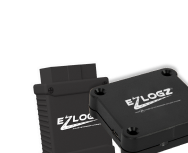
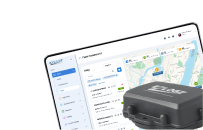
EZLOGZ provides ELD and fleet management technology designed to help commercial trucking companies manage operational data and support compliance-related activities.
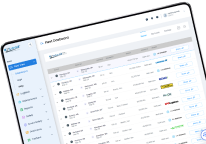
By using electronic logging and connected fleet management tools, carriers can reduce manual recordkeeping, improve visibility into driver activity, and make essential information more accessible.
Potential operational benefits include:
- More efficient electronic HOS recordkeeping.
- Improved visibility into driver activity.
- Easier access to operational records.
- Reduced reliance on paper-based processes.
- Better identification of issues requiring management attention.
Specific capabilities depend on the EZLOGZ products and services implemented. Fleet operators should choose solutions based on their regulatory obligations and operational requirements.
Explore EZLOGZ ELD and fleet management solutions to support more efficient commercial fleet operations.
Best Practices for Maintaining Year-Round DOT Compliance
Effective compliance management requires consistent procedures, clear responsibilities, and accurate records.
Recommended best practices:
- Assign responsibilities. Identify employees responsible for driver qualifications, vehicle inspections, HOS monitoring, and documentation.
- Train drivers regularly. Review ELD procedures, inspection requirements, and applicable HOS regulations.
- Monitor document expiration dates. Track licenses, medical status, registrations, and other time-sensitive records.
- Conduct internal audits. Identify documentation gaps before official compliance reviews.
- Analyze recurring violations. Use inspection results and operational data to improve safety procedures.
- Maintain reliable records. Keep required documentation accurate, secure, and accessible.
- Monitor regulatory changes. Update internal policies when applicable federal or state requirements change.
FAQ:
What Is Required for DOT Compliance in Trucking?
DOT compliance generally includes driver qualification requirements, HOS regulations, ELD usage where required, vehicle inspections, maintenance records, and safety documentation. Additional requirements depend on the carrier’s operations.
How Often Should Trucking Companies Conduct DOT Compliance Checks?
Compliance should be monitored continuously, with daily operational checks and periodic reviews. Specific inspections, records, and filings must follow their applicable regulatory deadlines.
What Documents Are Required for a DOT Audit?
Commonly reviewed records include driver qualification files, HOS logs, ELD supporting documents, maintenance records, inspection reports, drug and alcohol testing records, accident registers, and company credentials. The exact documents depend on the audit’s scope.
Do All Commercial Trucks Need an ELD?
No. ELD requirements generally apply to drivers required to maintain records of duty status, subject to exceptions. Qualifying short-haul drivers, certain drivers using paper logs for no more than eight days in a rolling 30-day period, and some vehicles manufactured before model year 2000 may qualify for exemptions.
What Are the Most Common DOT Violations?
Common problems include HOS violations, inaccurate driver logs, vehicle maintenance defects, incomplete driver qualification records, and missing required documentation.
How Long Must Trucking Companies Keep ELD Records?
Motor carriers generally must retain records of duty status and supporting documents for six months. Other documentation categories may have different retention periods.
What Happens if a Trucking Company Fails a DOT Audit?
Depending on the findings, a carrier may face corrective action requirements, civil penalties, additional monitoring, or operational restrictions. Serious violations can lead to more significant enforcement actions.
Can Fleet Management Software Help Prevent DOT Violations?
Yes. Fleet management systems can support electronic recordkeeping, HOS monitoring, maintenance tracking, and compliance reporting. However, using software does not automatically guarantee regulatory compliance.
What Is the Difference Between a DOT Inspection and a DOT Audit?
A DOT roadside inspection typically focuses on a vehicle, driver, or both. A DOT audit or compliance investigation may involve a broader review of company records, safety procedures, and regulatory compliance.
How Can Small Trucking Companies Maintain DOT Compliance?
Small carriers can use structured checklists, regular internal reviews, organized documentation, and ELD technology to manage compliance efficiently without relying entirely on manual processes.
DOT compliance requires ongoing attention to driver qualifications, Hours of Service, vehicle maintenance, inspections, and safety documentation. A structured checklist makes these responsibilities easier to manage and helps trucking companies identify potential violations before they disrupt operations.
Regular compliance reviews, accurate records, and preventive maintenance contribute to safer and more reliable fleet operations. Digital tools can further simplify these activities by centralizing information and reducing administrative work.
EZLOGZ ELD and fleet management solutions can help commercial trucking companies improve operational visibility, support recordkeeping, and build more efficient compliance management processes.





Comments