


Running a commercial fleet without GPS tracking may seem like a way to avoid another technology bill. Yet the most expensive consequences rarely show up as a single line item. They appear as extra gallons burned on detours, dispatcher hours spent locating trucks, poorly used equipment, missed delivery windows, and decisions made with incomplete information. For trucking companies operating on tight margins, even small daily inefficiencies can accumulate into substantial monthly expenses.
GPS tracking does not automatically eliminate these problems. It gives fleet managers reliable location and trip information they can use to identify them. When paired with dispatch processes, maintenance systems, and compatible telematics, that visibility can help teams spend less time guessing and more time improving operations. Here are the costs worth measuring before deciding whether tracking is an unnecessary expense or a useful investment.
Why Running a Fleet Without GPS Tracking Can Cost More Than Expected
Visible Costs Versus Hidden Operating Losses
Fuel invoices, insurance premiums, payroll, repairs, and truck payments are easy to find in accounting records. Hidden fleet costs are harder to isolate. A driver takes an unnecessarily long route. A dispatcher makes six calls to confirm a location. A truck sits idle while another unit is assigned a distant pickup. Each event is small, but together they consume cash and capacity.
Without accurate trip histories, it can also be difficult to distinguish an unavoidable expense from a recurring operational problem. For example, a higher fuel bill might reflect market prices, heavier loads, longer trips, idling, or a mix of all four. Vehicle location and mileage records help managers investigate rather than assume.
Why Manual Monitoring Leaves Gaps
Phone check-ins and spreadsheets can work for a small operation, but they depend on timely updates and consistent data entry. Drivers may be focused on safely completing a delivery, and dispatchers may be handling multiple exceptions at once. Information arrives late, becomes fragmented, or cannot be compared across vehicles. GPS fleet tracking offers a common record of routes, stops, and vehicle movement, although the quality of available features depends on the system.
| Hidden expense | Typical operational cause | Potential financial effect |
| Fuel waste | Unnecessary idling and detours | Higher fuel cost per mile |
| Empty miles | Weak assignment and backhaul planning | Non-revenue miles and labor |
| Dispatch overhead | Frequent manual location checks | Extra administrative time |
| Vehicle downtime | Limited usage visibility | Lost capacity and repair disruption |
| Underused assets | Uneven workloads | Fixed costs spread over fewer productive miles |
| Late deliveries | Inaccurate ETAs and coordination | Service recovery costs |
8 Hidden Costs of Operating a Fleet Without GPS Tracking
1. Fuel Waste From Idling and Unnecessary Detours
Fuel is one of the most visible fleet expenses, but the reasons behind excessive consumption can remain hidden. Trucks may spend long periods idling at loading sites, follow avoidable detours, or make repeated trips between facilities. A basic GPS system can document travel routes and stops. More detailed engine-idle measurements generally require vehicle-connected telematics rather than location data alone.
The practical opportunity is to compare similar routes and vehicles, find repeatable patterns, and make targeted changes. Managers should avoid treating every stop as waste: congestion, loading requirements, safety, and driver rest can all explain stationary time.
2. Empty Miles That Generate No Freight Revenue
An empty return trip still incurs fuel, driver time, tire wear, and other variable expenses. Without live fleet visibility, dispatch teams may overlook a nearby available truck or struggle to coordinate a backhaul. Knowing where equipment is and reviewing trip history can improve assignment decisions and reveal lanes with excessive non-revenue mileage.
A useful metric is empty-mile percentage: empty miles divided by total miles, multiplied by 100. Comparing it across lanes is often more informative than comparing all vehicles together.
3. Extra Dispatcher and Administrative Hours
A dispatcher who repeatedly calls drivers for status updates has less time to solve exceptions, improve load sequencing, or serve customers. Manual arrival confirmations and mileage reconciliation add more work. Centralized vehicle visibility can reduce routine location requests and let dispatch teams focus attention on shipments that actually need intervention.
Time savings become meaningful when measured. Record the number of manual check-ins per shift and average minutes per check-in before and after adopting a tracking workflow. Multiply genuinely saved hours by loaded labor cost; avoid counting time that merely shifts to a different task as a cash saving.
4. Underused Trucks and Unnecessary Fleet Capacity
A parked truck may still carry financing, insurance, licensing, and depreciation costs. If managers cannot see how often each unit travels, they may continue adding capacity while existing equipment is underutilized. Trip counts, distance traveled, days active, and time at a location help reveal uneven workloads.
Better utilization does not always mean cutting vehicles. Some fleets need spare capacity for seasonal peaks and mechanical contingencies. The goal is to support an informed decision about vehicle assignments, lease renewals, and the timing of replacement purchases.
5. Missed Service Intervals and Unplanned Downtime
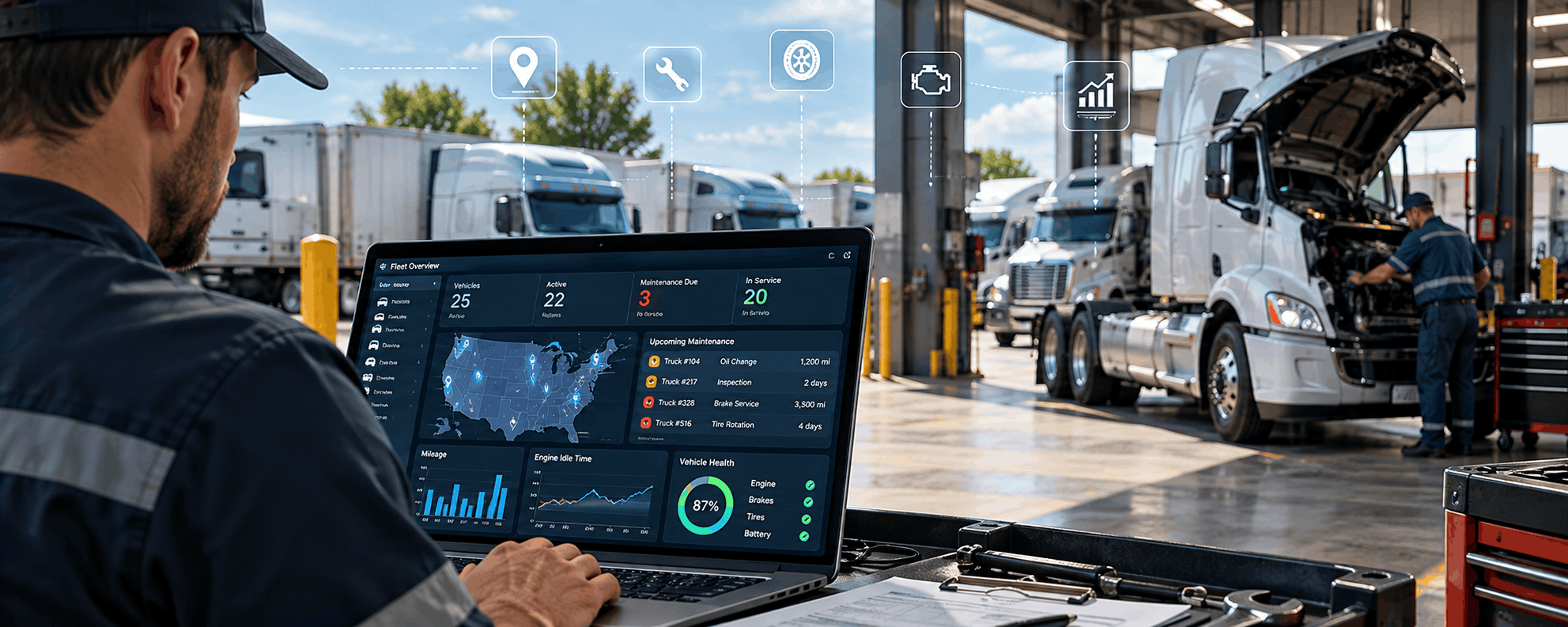
When mileage records are incomplete or delayed, maintenance personnel can miss approaching service intervals. A missed preventive inspection can lead to inconvenient scheduling or a truck becoming unavailable during a critical shipment. GPS-based mileage reporting helps maintain accurate usage records; automated reminders and engine diagnostics require the appropriate maintenance or telematics integrations.
This cost overlaps with broader maintenance management, so measure it separately through overdue-service rates, unscheduled shop visits, and actual downtime hours. Tracking is a planning tool, not a guarantee against mechanical failures.
6. Unauthorized Usage and Delayed Theft Detection
Without timely movement information, an unexpectedly moved asset may not be noticed until a driver or manager checks on it. Supported geofencing and movement alerts can help teams identify unauthorized use or out-of-hours activity sooner. Trip histories may also support investigations and insurance documentation where relevant.
Tracking cannot prevent every theft or guarantee recovery. Security policies, physical protection, access controls, and appropriate incident procedures remain essential.
7. Delivery Delays and Customer Service Work
When dispatchers do not know where a truck is, they have difficulty providing accurate arrival estimates or responding quickly to route disruptions. Late updates can trigger repeated customer calls, missed appointment windows, and extra coordination with receivers. Some contracts also include financial consequences for late service, although any charges depend on the agreement and circumstances.
Reliable location visibility gives customer service teams better information, while performance still depends on routing, communication, capacity, and conditions outside the carrier’s control.
8. Inaccurate Cost-Per-Mile and Profitability Decisions
Fleet decisions rely on knowing what it costs to serve each lane, customer, or vehicle. If mileage and vehicle activity are incomplete, allocating fuel, labor, tolls, and maintenance costs becomes less dependable. The result can be bids priced too low, unprofitable routes that remain unnoticed, or replacement decisions made before sufficient evidence is available.
GPS trip data provides an operational foundation for more accurate cost analysis. For a complete picture, combine it with accounting, fuel, dispatch, and maintenance records rather than relying on a map alone.
How to Calculate the True Cost of Operating Without GPS Tracking
A Practical Monthly Cost Example
Consider a hypothetical fleet of 20 trucks. After reviewing routes, idle activity, dispatch labor, service disruptions, and delivery exceptions, the manager identifies the following estimated avoidable expenses. These figures are illustrative, not measured Ezlogz results or universal industry averages.
| Expense category | Illustrative monthly cost |
| Avoidable fuel use | $1,200 |
| Additional non-revenue mileage | $1,500 |
| Administrative inefficiency | $800 |
| Avoidable downtime | $600 |
| Delivery-related service costs | $900 |
| Total potential loss | $5,000 |
The $5,000 total would equal $60,000 over twelve identical months, but an operation should not assume all of this can be recovered. Verify each category using invoices, trip data, labor records, and actual outcomes. Do not double-count fuel used on empty miles in both the fuel and mileage categories.
Calculating GPS Tracking ROI
A practical formula is: ROI (%) = [(verified annual benefits − total annual tracking costs) ÷ total annual tracking costs] × 100. Total costs should include devices, installation, subscription fees, integration, and employee time required to run the system.
For example, $12,000 in documented annual benefits and $6,000 in all-in annual costs produce an ROI of 100%. The calculation is only as credible as the baseline and the evidence behind the savings. Where possible, compare similar periods and account for changes in fleet size, fuel prices, freight volume, and seasonality.
Fleet KPIs Worth Tracking
| KPI | How to use it |
| Fuel cost per mile | Compare like-for-like vehicles and routes |
| Empty-mile percentage | Find inefficient assignments or lanes |
| Administrative time per load | Estimate manual coordination workload |
| Unplanned downtime hours | Assess availability loss |
| Vehicle utilization | Compare productive days and miles |
| On-time delivery rate | Monitor service reliability |
How GPS Tracking Helps Fleet Managers Control Costs
Comparing Manual Monitoring With GPS Visibility
| Operational task | Manual approach | GPS-supported approach |
| Finding a truck | Driver calls and check-ins | Current or last-reported vehicle position |
| Reviewing routes | Driver notes and estimates | Recorded trip history |
| Tracking mileage | Manual odometer entry | Automated trip mileage, where supported |
| Monitoring movement | Periodic checks | Geofence and activity alerts, where supported |
| Reporting | Separate records | Consolidated fleet reports |
Steps to Turn Tracking Data Into Savings
Establish a baseline for fuel, mileage, labor, downtime, and customer-service costs.
Identify the routes and vehicles with the largest unexplained differences.
Choose tracking and telematics features that address those specific problems.
Set practical alerts and review exceptions instead of overwhelming staff with notifications.
Coordinate dispatch, maintenance, and finance teams around shared metrics.
Review the results monthly and measure verified savings against total system costs.
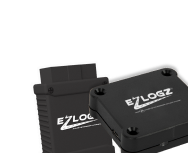
Build Better Fleet Visibility With Ezlogz
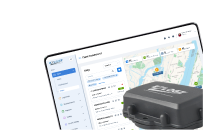
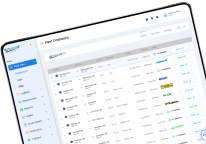
Fleet managers do not need more dashboards for their own sake. They need dependable information that helps them route equipment efficiently, communicate clearly, and understand where operating money goes. Ezlogz provides fleet technology solutions for commercial transportation businesses. Explore the available GPS tracking and fleet-management capabilities at ezlogz.com and confirm the specific features and integrations suitable for your operation.
The cost of operating without GPS tracking is not simply the price of a tracking subscription. It is the value of decisions delayed, empty miles overlooked, vehicles underused, and work repeated because reliable information was missing. Measure those costs first, then decide which improvements can produce a worthwhile return.
FAQ:
What are the biggest hidden costs of operating without GPS tracking?
Common costs include unnecessary fuel use, empty miles, manual dispatch work, low vehicle utilization, unplanned downtime, and avoidable delivery coordination.
How much money can a fleet lose without GPS tracking?
There is no universal figure. Losses depend on fleet size, routes, driver practices, existing processes, and how much inefficiency tracking data can actually help correct.
Does operating without GPS tracking increase fuel expenses?
It can make waste harder to detect. GPS records help evaluate trip patterns, while connected telematics can add more accurate engine-idle data.
How does GPS tracking help reduce empty miles?
Dispatchers can use vehicle visibility and route history to improve assignments, coordinate backhauls, and monitor non-revenue mileage.
Can GPS tracking reduce administrative expenses?
Yes, when routine driver status calls and manual mileage reporting are replaced with reliable shared information. Actual savings should be measured.
Does GPS tracking improve fleet utilization?
It makes usage patterns more visible, allowing managers to redistribute work and make informed decisions about equipment capacity.
Can GPS tracking reduce unexpected vehicle downtime?
Mileage visibility supports service planning. Diagnostic alerts and automated maintenance workflows typically require compatible additional systems.
Is GPS fleet tracking worthwhile for small trucking fleets?
It may be, especially where dispatch time, avoidable miles, or asset visibility are recurring problems. Compare expected benefits with full implementation costs.
How can managers measure GPS tracking ROI?
Compare verified savings with device, installation, subscription, integration, and operating costs, using similar before-and-after periods.
Which features should trucking companies prioritize?
Start with reliable location updates, route history, mileage reporting, useful alerts, reporting access, and integrations that match the fleet’s workflows.
Suggested SEO title: Hidden Costs of Running a Fleet Without GPS Tracking
Meta description: Discover the hidden costs of operating a fleet without GPS tracking, including fuel waste, empty miles, dispatch delays, and missed savings opportunities.




Comments