


Operating a commercial truck fleet without GPS tracking may seem like a way to avoid additional technology expenses. However, the hidden costs of limited fleet visibility can significantly affect profitability. Excessive fuel consumption, inefficient routes, unplanned downtime, and administrative inefficiencies often go unnoticed until they become expensive problems.
For trucking companies, even minor operational inefficiencies can accumulate across multiple vehicles and thousands of miles. Without reliable vehicle location data, fleet managers may struggle to identify unnecessary expenses or improve daily operations.
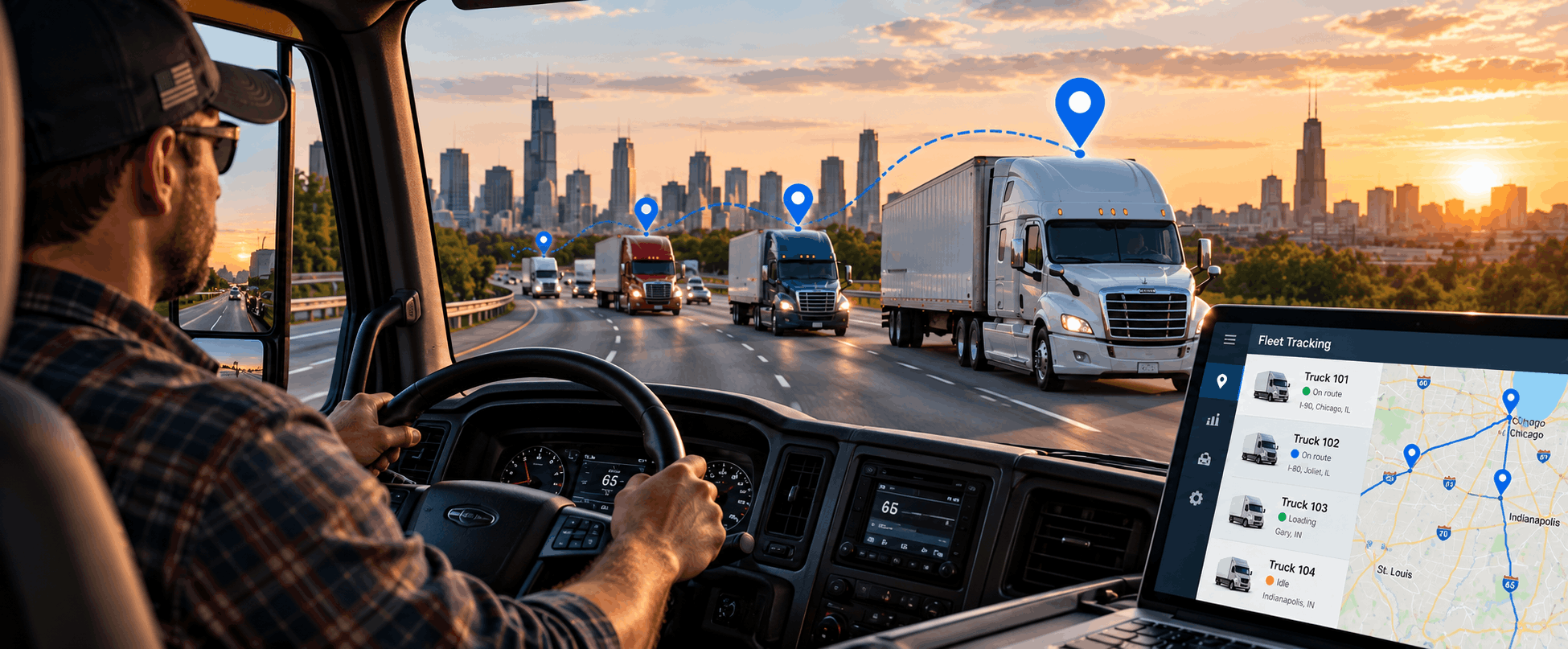
GPS fleet tracking provides real-time vehicle visibility, trip history, and operational insights that support better cost management. Understanding the hidden expenses of running a fleet without GPS tracking is the first step toward improving efficiency and controlling operating costs.
Why Operating Without GPS Tracking Costs More Than You Think
Traditional fleet expenses such as fuel, insurance, maintenance, and wages are easy to identify. However, many additional costs result from inefficient routes, unnecessary idling, poor dispatch coordination, and limited vehicle monitoring.
Without GPS tracking, managers often rely on driver phone calls, spreadsheets, and manual updates. These methods provide incomplete operational visibility and make it difficult to investigate recurring problems.
| Hidden Cost | Main Cause | Business Impact |
|---|---|---|
| Excess fuel consumption | Idling and unnecessary mileage | Higher fuel expenses |
| Inefficient routes | Limited route visibility | Longer trips |
| Lost productivity | Manual dispatch coordination | Higher labor costs |
| Unplanned downtime | Poor maintenance monitoring | Delivery disruptions |
| Vehicle underutilization | Incomplete activity data | Reduced asset efficiency |
| Asset security risks | Limited vehicle visibility | Potential financial losses |
| Delivery delays | Inaccurate arrival information | Customer dissatisfaction |
These costs frequently overlap, making their combined impact difficult to measure without reliable operational data.
1. Excessive Fuel Consumption and Idling
Fuel represents a significant operating expense for trucking companies. Without GPS tracking and compatible telematics, identifying unnecessary mileage, excessive idling, and inefficient vehicle usage becomes more difficult.
A truck that spends additional time idling or traveling unnecessary distances consumes fuel without generating additional revenue.
Common Causes of Fuel Waste
- Excessive engine idling.
- Unnecessary mileage from inefficient routes.
- Poor coordination between drivers and dispatchers.
- Repeated trips and avoidable detours.
- Limited monitoring of vehicle utilization.
Consider a fleet of 20 trucks wasting one gallon of fuel per operating day. At an assumed diesel price of $4 per gallon and 22 operating days, this represents $1,760 in unnecessary monthly fuel expenses.
GPS tracking helps managers review trip history and identify unnecessary mileage. When integrated with engine-connected telematics, it may also support idling and fuel consumption analysis.
2. Inefficient Routes and Empty Miles
Poor route planning increases fuel consumption, driver hours, vehicle wear, and operating costs. Without accurate vehicle locations, dispatchers may assign loads inefficiently or struggle to identify the nearest available truck.
Even minor route inefficiencies can accumulate across an entire fleet.
Example: The Cost of Unnecessary Mileage
| Metric | Illustrative Value |
|---|---|
| Number of trucks | 15 |
| Extra miles per truck daily | 12 |
| Operating days per month | 22 |
| Total unnecessary monthly miles | 3,960 |
| Assumed marginal cost per mile | $0.75 |
| Estimated monthly cost | $2,970 |
| Estimated annual cost | $35,640 |
These figures are hypothetical and do not represent average fleet expenses or guaranteed GPS tracking savings.
How GPS Tracking Improves Routing
- Provides vehicle location visibility.
- Supports location-based dispatch decisions.
- Helps identify route deviations.
- Records actual mileage and trip history.
- Provides data for route optimization tools.
GPS tracking does not automatically optimize every route, but it gives fleet managers the information needed to improve dispatch efficiency.
3. Reduced Driver Productivity and Higher Labor Costs
Without accurate vehicle tracking, dispatchers may spend considerable time contacting drivers, confirming locations, and investigating delays.
These activities reduce administrative efficiency and can affect driver productivity.
Common Productivity Problems
- Repeated calls requesting vehicle locations.
- Delays in assigning new loads.
- Unnecessary waiting between deliveries.
- Inefficient dispatch instructions.
- Difficulty identifying operational delays.
GPS fleet tracking provides trip durations, location history, and vehicle activity data. Managers can use this information to improve scheduling, reduce unnecessary administrative work, and identify recurring delays.
Productivity analysis should also account for traffic, loading conditions, HOS restrictions, and other factors outside a driver’s control.
4. Higher Maintenance Costs and Unexpected Downtime
Commercial vehicles require consistent maintenance to remain safe and reliable. Without accurate mileage and utilization information, scheduling preventive maintenance becomes more difficult.
Missed service intervals may contribute to breakdowns, costly repairs, and unexpected downtime.
How GPS Tracking Supports Maintenance
- Provides mileage and vehicle utilization information.
- Supports preventive maintenance scheduling.
- Helps identify uneven equipment usage.
- Reduces reliance on manual mileage reports.
- Supports maintenance planning when integrated with fleet software.
More advanced telematics systems may also provide engine hours and diagnostic data.
Preventive maintenance helps fleet operators reduce avoidable disruptions and maintain more reliable delivery schedules.
5. Increased Administrative and Dispatch Expenses
Manual fleet monitoring often requires additional paperwork, phone calls, spreadsheets, and status updates. As fleets grow, these activities can consume significant administrative resources.
Typical Administrative Inefficiencies
- Calling drivers to confirm vehicle locations.
- Manually updating delivery statuses.
- Checking truck availability.
- Investigating delays without reliable location data.
- Collecting trip information for reports.
GPS tracking centralizes vehicle location information, allowing dispatch teams to monitor fleet activity more efficiently.
When integrated with transportation management systems, GPS data can also support shipment visibility and automated customer updates.
6. Vehicle Security and Cargo Theft Risks
Commercial trucks, trailers, and cargo represent valuable assets. Unauthorized vehicle movement or theft can create significant financial and operational losses.
Without GPS tracking, fleet operators may have limited information about a vehicle’s last known location.
Potential consequences include:
- Lost vehicles or cargo.
- Equipment replacement expenses.
- Recovery and investigation costs.
- Interrupted deliveries.
- Additional insurance-related expenses.
GPS tracking systems may provide location history, geofencing, and movement alerts. These features can help detect unusual activity and support incident response.
However, GPS tracking cannot guarantee theft prevention or vehicle recovery.
7. Delivery Delays and Customer Service Costs
Reliable delivery performance is essential for maintaining customer relationships. Without accurate truck locations, dispatchers may struggle to provide timely updates or respond effectively to unexpected delays.
Poor delivery visibility can result in additional customer service work, missed appointments, and reduced customer confidence.
GPS tracking helps companies:
- Monitor vehicle movement.
- Improve estimated arrival times.
- Identify delivery delays.
- Respond faster to disruptions.
- Provide more reliable shipment updates.
When connected with appropriate software, GPS location data can also support automated delivery notifications.
8. Limited Fleet Utilization and Cost Visibility
Underused vehicles continue generating insurance, registration, financing, and other ownership expenses. Without reliable utilization data, companies may struggle to determine whether their existing fleet is being used efficiently.
GPS tracking helps managers monitor activity and identify equipment allocation problems.
| Fleet Metric | What It Reveals |
|---|---|
| Miles per vehicle | Vehicle utilization |
| Idle time | Periods of inactivity |
| Trip frequency | Equipment activity |
| Empty miles | Non-revenue travel |
| Vehicle availability | Dispatch readiness |
| Downtime | Operational interruptions |
By combining GPS information with financial and maintenance records, companies can better understand operating costs and evaluate fleet capacity.
How Much Can Operating Without GPS Tracking Cost?
The financial impact depends on fleet size, operating conditions, vehicle usage, and existing management procedures.
The following example illustrates how multiple inefficiencies can affect a fleet of 20 commercial trucks.
| Expense Category | Hypothetical Monthly Cost |
|---|---|
| Excess fuel consumption | $1,200 |
| Unnecessary mileage | $1,500 |
| Additional administrative work | $800 |
| Avoidable maintenance-related expenses | $600 |
| Delays and productivity losses | $900 |
| Total monthly impact | $5,000 |
| Annualized impact | $60,000 |
This is an illustrative scenario, not measured customer savings. Expense categories may overlap and should not be double-counted when calculating actual fleet costs.
These examples demonstrate why GPS tracking should be evaluated in terms of potential operational improvements, not just subscription expenses.
GPS Tracking vs. Operating Without GPS Tracking
| Fleet Operations | Without GPS Tracking | With GPS Tracking |
|---|---|---|
| Vehicle visibility | Manual location updates | Location monitoring |
| Route analysis | Limited trip information | Recorded trip history |
| Dispatch | Manual coordination | Location-informed planning |
| Fuel management | Limited operational context | Mileage and trip analysis |
| Maintenance | Manual mileage tracking | Utilization data |
| Asset security | Limited location evidence | Tracking and available alerts |
| Customer updates | Phone calls and messages | Potential automated updates |
Actual capabilities depend on the GPS tracking solution, hardware, integrations, and subscription plan.
How to Calculate GPS Fleet Tracking ROI
Fleet managers should compare the total cost of GPS tracking with measurable improvements in operational performance.
Step 1: Identify Current Expenses
Review fuel consumption, mileage, maintenance expenses, administrative labor, downtime, and delivery-related costs.
Step 2: Estimate Avoidable Costs
Identify unnecessary mileage, inefficient dispatch processes, and other expenses that improved fleet visibility could realistically reduce.
Step 3: Calculate GPS Tracking Costs
Include equipment, installation, subscriptions, training, and integration expenses.
Step 4: Calculate Return on Investment
ROI (%) = [(Annual Measured Benefits − Annual GPS Tracking Costs) / Annual GPS Tracking Costs] × 100
For example, if tracking costs $6,000 annually and produces $12,000 in verified operational benefits:
ROI = (($12,000 − $6,000) / $6,000) × 100 = 100%
Actual ROI depends on fleet operations and the effectiveness of implemented improvements.
How EZLOGZ Helps Reduce Fleet Operating Costs
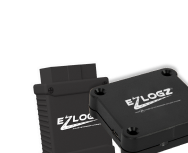
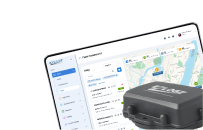
EZLOGZ provides GPS tracking and fleet management technology designed to improve commercial vehicle visibility and support operational efficiency.
With access to vehicle location information and fleet activity data, trucking companies can make more informed dispatch, routing, and management decisions.
Key Operational Benefits
- Vehicle visibility: Access location information to support fleet oversight.
- Dispatch efficiency: Improve coordination using accurate vehicle locations.
- Route analysis: Review vehicle movement and trip history.
- Asset monitoring: Use available tracking features to improve vehicle awareness.
- Connected fleet management: Combine GPS information with other compatible operational technologies.
EZLOGZ also offers ELD and fleet management solutions that can support a more connected approach to trucking operations.
Explore EZLOGZ GPS tracking solutions to learn how better fleet visibility can support cost management and operational efficiency.
Best Practices for Reducing Fleet Costs With GPS Tracking
GPS tracking delivers greater value when companies use location and operational information to improve daily processes.
Recommended practices include:
- Analyze route performance: Identify unnecessary mileage and repeated delays.
- Monitor vehicle utilization: Review underused equipment and fleet allocation.
- Evaluate idling: Use available telematics data to investigate excessive engine idling.
- Improve dispatch planning: Assign vehicles based on location and availability.
- Support preventive maintenance: Use mileage and utilization data for service scheduling.
- Review delivery performance: Identify recurring customer service and scheduling issues.
- Measure financial results: Compare operating costs before and after process improvements.
Regular performance reviews help fleet managers determine whether GPS tracking is delivering measurable operational value.
FAQ:
What Are the Hidden Costs of Operating Without GPS Tracking?
Common hidden costs include unnecessary fuel consumption, inefficient routes, administrative expenses, unexpected downtime, poor fleet utilization, and reduced delivery visibility.
Can GPS Tracking Reduce Fuel Expenses?
Yes. GPS tracking can help identify unnecessary mileage and inefficient routes. When integrated with compatible telematics, it may also provide idling and fuel-related information.
How Much Does GPS Fleet Tracking Cost?
Pricing depends on fleet size, hardware, subscriptions, installation, and software features. Companies should evaluate total implementation and operating costs.
Does GPS Tracking Improve Driver Productivity?
GPS tracking provides trip history, vehicle locations, and operational information that can help managers improve dispatch coordination and identify avoidable delays.
Can GPS Tracking Help Reduce Maintenance Costs?
Yes. GPS data can support mileage-based maintenance planning and utilization analysis. Integrated telematics may provide additional engine and diagnostic information.
Is GPS Tracking Worth It for Small Trucking Companies?
GPS tracking can benefit small fleets when improved visibility helps reduce manual work, unnecessary mileage, or delivery delays. The value depends on operational needs and implementation costs.
Can GPS Tracking Prevent Vehicle Theft?
GPS tracking cannot guarantee theft prevention, but location information, geofencing, and movement alerts may help detect unauthorized activity and support recovery efforts.
What Is the Difference Between GPS Tracking and Fleet Management Software?
GPS tracking focuses on vehicle location and movement. Fleet management software may integrate GPS information with maintenance, dispatch, compliance, and reporting functions.
How Can Fleet Managers Measure GPS Tracking ROI?
Managers can compare verified reductions in fuel expenses, mileage, administrative work, downtime, and other operating costs against the total cost of the tracking solution.
Can GPS Tracking Improve Customer Satisfaction?
Yes. Better vehicle visibility can support accurate arrival estimates, timely delivery updates, and faster responses to service disruptions.
Conclusion: The Real Cost of Operating Without GPS Tracking
Operating a fleet without GPS tracking can create hidden expenses through unnecessary mileage, inefficient dispatching, fuel waste, and limited vehicle visibility. These problems may appear minor individually but can significantly affect fleet profitability over time.
GPS tracking provides the information needed to identify inefficiencies, improve operational decisions, and measure performance. Its value depends on how effectively fleet managers use that information to reduce avoidable costs.
EZLOGZ GPS tracking and fleet management solutions can help trucking companies improve visibility, simplify operations, and build a more efficient approach to fleet cost management.




Comments