


Vehicle maintenance is one of the most difficult fleet expenses to control. A truck can operate normally for weeks and then require an unexpected repair that disrupts deliveries, creates overtime, and removes valuable capacity from the schedule. For fleet managers, the real cost extends beyond replacement parts: towing, missed appointments, driver downtime, and last-minute equipment changes all affect profitability.
GPS fleet tracking helps operators make maintenance decisions using actual vehicle activity rather than estimates. Mileage histories, trip patterns, idle time, and vehicle utilization can reveal when equipment needs attention and where operating practices contribute to wear. When combined with compatible telematics and diagnostic systems, tracking data can also support earlier fault identification and more coordinated service planning.
Below are seven practical ways GPS tracking can help commercial fleets manage maintenance spending—and the metrics that show whether those changes are delivering results.
Why Vehicle Maintenance Costs Keep Rising for Commercial Fleets
Commercial vehicles cover long distances under changing loads, traffic conditions, and delivery schedules. Preventive service is essential, but it is easy for maintenance intervals to be missed when mileage is updated manually or trucks move between drivers and locations. Small scheduling gaps can turn routine work into more expensive repairs.
Common Sources of Unexpected Maintenance Expenses
1. Overdue preventive service, including oil changes, filters, inspections, and fluid checks.
2. Excessive idle hours that add engine runtime without increasing productive mileage.
3. Harsh braking, rapid acceleration, and other driving habits that can accelerate component wear.
4. Unnecessary miles caused by inefficient dispatching, repeated trips, or poor route choices.
5. Mechanical faults that remain unnoticed until a driver reports a symptom or a vehicle breaks down.
These problems do not always appear in one repair invoice. Some raise maintenance frequency over several months; others cause sudden breakdowns. A useful fleet maintenance program looks at both patterns.
The Financial Impact of Unplanned Vehicle Downtime
If a vehicle is unavailable, the business may need to reassign its load, pay for additional transport, or delay a customer delivery. Maintenance-related downtime should therefore be measured separately from direct repair spending. Even a relatively inexpensive repair can be costly if the truck is required for a time-sensitive route.
| Expense category | Potential business impact |
| Emergency repairs | Higher unplanned repair and towing costs |
| Vehicle downtime | Lost capacity, delayed deliveries, and scheduling disruption |
| Excessive idling | More engine hours and additional servicing demand |
| Aggressive driving | Accelerated brake, tire, and drivetrain wear |
| Missed service intervals | Increased risk of preventable equipment problems |
7 Ways GPS Tracking Reduces Vehicle Maintenance Expenses
1. Automates Preventive Maintenance Scheduling
Maintenance schedules work best when they reflect how vehicles are actually used. GPS and fleet tracking platforms can record distance traveled; appropriately connected telematics systems may also capture engine hours. These readings help managers schedule service around mileage or operating-time thresholds instead of relying solely on spreadsheets or driver recollection.
For example, a truck approaching its next service interval can be scheduled before a planned trip rather than recalled from an active delivery. Automated reminders and consistent service records reduce the chance that routine maintenance is forgotten. Managers should still follow manufacturer guidance and adjust intervals for duty cycle, operating conditions, and component requirements.
2. Reduces Excessive Engine Idling
An engine can accumulate significant wear while the truck is stationary. Idle-time reporting makes it easier to see how often a vehicle runs without moving, which locations have recurring delays, and whether certain routes or operating practices create unnecessary engine hours.
Fleet managers can use these findings to refine waiting procedures, train drivers, and review equipment policies. Less avoidable idling may reduce fuel consumption and unnecessary runtime, while accurate engine-hour data can help schedule the service that idling still requires. Some idling is necessary for safety, weather, or operating needs, so policies should account for those circumstances.
3. Identifies Driving Habits That Accelerate Vehicle Wear
Frequent harsh braking can increase demand on braking components, while aggressive acceleration and driving conditions can add stress to tires and mechanical systems. With compatible sensors or telematics features, fleet software can highlight driving events for review alongside trip histories.
The goal is not to penalize drivers for every alert. Road conditions, traffic, and emergency maneuvers matter. Managers should review trends, offer constructive coaching, and compare similar routes and vehicles. Over time, smoother driving habits can support fewer avoidable repairs and more predictable service intervals.
4. Minimizes Unnecessary Mileage and Vehicle Usage
Every avoidable mile contributes to vehicle utilization and may bring the next maintenance interval closer. GPS trip histories and location visibility help dispatchers identify repetitive routes, unnecessary detours, inefficient vehicle assignments, and opportunities to combine work.
Reducing excess mileage may lower tire and component wear along with fuel use. It also helps balance usage across the fleet. If one vehicle consistently handles more miles than the others, maintenance and replacement plans can be adjusted instead of allowing one truck to accumulate disproportionate wear.
5. Helps Detect Vehicle Problems Earlier Through Integrated Diagnostics
Location tracking alone cannot read an engine fault code or identify a failing component. However, a GPS fleet management system connected to compatible vehicle telematics and onboard diagnostics may give maintenance staff access to fault alerts, diagnostic trouble codes, and selected engine data.
A warning can prompt a technician to investigate before a small issue becomes a roadside breakdown. The information should guide inspection, not replace it: a fault code is a starting point for diagnosis, and the available data depends on the vehicle and connected hardware.
6. Improves Maintenance Planning Across the Fleet
Tracking shows which vehicles are active, how heavily they are used, and when they may be available for service. Combining this information with a maintenance calendar helps managers coordinate workshop capacity, parts availability, driver schedules, and vehicle assignments.
A service appointment planned during a lower-demand period is often less disruptive than an unscheduled stop during a delivery. Centralized records also make it easier to review repeat repairs and identify assets that need closer attention. The result is a more consistent maintenance process, not simply more data on a screen.
7. Supports Longer Vehicle Service Life and Better Replacement Decisions
Regular maintenance and responsible vehicle operation can help preserve equipment condition. Tracking data contributes by showing cumulative mileage, use patterns, and trends that may not be obvious from the odometer alone.
Fleet managers can compare maintenance cost per mile, breakdown frequency, downtime, and repair history for similar trucks. A vehicle with rising costs may need a different assignment, additional inspection, or replacement analysis. These decisions should also consider vehicle age, expected resale value, reliability, and total ownership cost—not mileage by itself.
How to Measure Maintenance Savings and Implement GPS Tracking
Installing a tracker does not automatically produce savings. Financial improvement comes from using the data to change schedules, driving practices, routing, and repair decisions. The clearest starting point is a documented baseline before new procedures are introduced.
Key Fleet Maintenance KPIs to Monitor
| KPI | How to use it |
| Maintenance cost per mile | Divide service and repair spending by miles driven |
| Unplanned downtime | Record hours or days unavailable due to unexpected repairs |
| Preventive maintenance compliance | Track scheduled services completed by their required date or interval |
| Engine idle hours | Identify vehicles and routes with unnecessary runtime |
| Breakdown frequency | Count unscheduled failures per vehicle or distance traveled |
| Maintenance cost per vehicle | Compare repair spending across similar assets and duty cycles |
Compare like-for-like periods and vehicles. Seasonal work, aging trucks, different routes, and major one-time repairs can affect the numbers. A meaningful comparison considers those differences rather than attributing every change to GPS tracking.
Calculating Maintenance Cost Savings
A simple example illustrates the calculation. Suppose a fleet spends $12,000 on vehicle maintenance during a baseline month and $10,500 during a comparable month after improving its maintenance process. The apparent reduction is $1,500, or 12.5%:
Maintenance savings (%) = (Before costs − After costs) ÷ Before costs × 100
($12,000 − $10,500) ÷ $12,000 × 100 = 12.5%
This example is illustrative, not a verified customer result. To estimate net return, account for software and hardware costs, installation, staff time, and other changes that affected expenses. Longer measurement periods are generally more informative than a single month.
Best Practices for Implementing GPS-Based Maintenance Monitoring
1. Document current repair costs, unplanned downtime, mileage, and maintenance compliance.
2. Confirm which tracking, mileage, engine-hour, and diagnostic features the selected system supports.
3. Set preventive service reminders based on manufacturer requirements and vehicle duty cycles.
4. Review idle time, harsh-driving alerts, and unusual usage patterns with drivers.
5. Connect inspection and maintenance records where supported.
6. Assign responsibility for reviewing alerts and booking service appointments.
7. Evaluate maintenance KPIs monthly and refine procedures based on results.
Using Ezlogz for More Connected Fleet Management
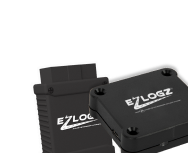
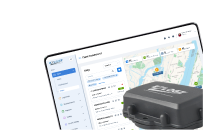
For trucking businesses, useful maintenance planning starts with reliable visibility into vehicle operations. Ezlogz offers fleet-focused technology that businesses can explore as part of a broader strategy for tracking vehicles and managing day-to-day fleet activity. Fleet managers should confirm the specific GPS tracking, alerting, diagnostic, and integration capabilities available for their vehicle types and chosen Ezlogz solution.
To learn more about the relationship between vehicle visibility and operational efficiency, explore Ezlogz resources on GPS fleet tracking and reducing fleet operating costs at ezlogz.com.
FAQ:
How does GPS tracking reduce vehicle maintenance costs?
It supplies mileage, trip, and usage information that helps managers schedule preventive service, reduce unnecessary driving, and identify operating habits associated with wear. Connected telematics may provide additional insights.
Can GPS tracking prevent unexpected vehicle breakdowns?
It can support earlier maintenance and reduce some preventable disruptions, but it cannot eliminate breakdowns or guarantee that every defect will be detected.
Does GPS tracking help reduce truck engine wear?
Indirectly, yes. Tracking idle time and operating patterns can inform changes that reduce avoidable runtime. Actual engine health also depends on service quality, load, and operating conditions.
How does GPS tracking improve preventive maintenance scheduling?
Recorded mileage and, where available, engine hours can trigger reminders when service thresholds approach, helping teams plan work before intervals are missed.
Can GPS tracking help extend the lifespan of commercial trucks?
It can support timely maintenance and more disciplined vehicle use, both of which may improve long-term equipment condition. It does not by itself determine vehicle lifespan.
Does reducing engine idling lower maintenance expenses?
Reducing unnecessary idling may limit engine runtime and related servicing demand. The size of any savings varies by vehicle, route, and operating requirements.
What maintenance data can a GPS fleet tracking system collect?
Basic GPS tracking provides location and trip information and can help estimate distance. Engine hours, fault codes, and other diagnostics require appropriate vehicle connections and supported hardware.
How can fleet managers calculate maintenance savings from GPS tracking?
Compare repair and service costs before and after operational changes, preferably using cost per mile and similar vehicles. Include technology costs and consider unrelated changes.
Is GPS tracking useful for small trucking fleets?
Yes. Small fleets can benefit from accurate mileage histories, route visibility, and structured service planning, provided the subscription and implementation costs fit their operations.
Can GPS tracking integrate with fleet maintenance software?
Some platforms support integrations that combine location, mileage, service records, and diagnostic information. Specific compatibility should be confirmed with the provider.






Comments