


The commercial trucking industry is entering a new era in which vehicles are no longer simply transportation equipment. Modern trucks are becoming connected platforms capable of exchanging information with fleet managers, dispatchers, maintenance teams, and logistics systems. This transformation is changing how transportation companies manage deliveries, monitor vehicle performance, and respond to operational challenges.
Connected trucks combine GPS tracking, telematics, Internet of Things (IoT) sensors, wireless communication, and cloud-based software to provide access to valuable operational information. Instead of relying entirely on manual updates, fleet operators can monitor vehicle movements, evaluate driver activity, identify maintenance needs, and coordinate shipments through digital platforms.
For U.S. trucking companies, these capabilities can improve operational visibility and support more efficient fleet management. As customer expectations for accurate delivery information and reliable transportation continue to grow, connected truck technology is becoming an important component of smart logistics.
Understanding how connected trucks work, which technologies support them, and how they influence daily logistics operations can help transportation businesses prepare for a more data-driven future.
What Are Connected Trucks and How Do They Work?
Connected trucks are commercial vehicles equipped with technologies that collect, transmit, and exchange information with external systems.
These systems can connect trucks with dispatch centers, fleet management platforms, maintenance departments, and other transportation infrastructure.
Unlike conventional vehicles that rely primarily on onboard systems and driver communication, connected trucks can share operational information with authorized users across a digital network.
Core Technologies Behind Connected Commercial Trucks
Several technologies work together to create a connected trucking environment.
1. GPS Tracking and Telematics
GPS tracking provides information about truck locations, travel routes, and vehicle movements. Telematics systems expand these capabilities by collecting additional information about driving behavior and vehicle performance.
Fleet managers can use this information to identify delays, monitor equipment utilization, and support dispatch decisions.
2. Internet of Things Sensors
IoT sensors collect information from different vehicle components and connected assets.
Depending on the equipment installed, sensors can monitor engine conditions, tire pressure, temperature, fuel-related information, and trailer environments.
This information helps operators understand how vehicles perform during daily transportation activities.
3. Electronic Logging Devices
Electronic Logging Devices (ELDs) automatically record required engine-related information and help applicable commercial drivers maintain electronic Records of Duty Status.
Connected ELD platforms can also improve the visibility of driver availability and support Hours of Service management.
4. Cloud-Based Fleet Management Software
Cloud platforms organize information received from connected vehicles and make it available through management dashboards.
Authorized personnel can review vehicle locations, operational reports, inspection information, and performance indicators without relying entirely on separate manual records.
5. Wireless Communication Networks
Connected trucks commonly use cellular networks to exchange information with fleet management systems.
Communication performance depends on network coverage, device capabilities, and the operating environment. Some systems can temporarily store information and synchronize it when connectivity becomes available.
Traditional Trucks vs. Connected Trucks
The primary difference between traditional trucking operations and connected fleets is the availability and accessibility of operational data.
| Operational Feature | Traditional Trucks | Connected Trucks |
|---|---|---|
| Vehicle location | Driver communication | GPS-based monitoring |
| Maintenance | Scheduled inspections and manual reporting | Connected diagnostics and maintenance alerts |
| Driver activity | Manual reports | Telematics and electronic records |
| Dispatch coordination | Phone calls and periodic updates | Digital vehicle visibility |
| Fuel management | Fuel receipts and mileage records | Connected fuel and vehicle data |
| Cargo monitoring | Manual shipment updates | GPS and environmental sensors |
| Performance reporting | Manual consolidation | Automated data collection |
Connected trucks do not eliminate the need for drivers, dispatchers, or maintenance professionals. Instead, they provide additional information that helps these teams make better decisions.
How Connected Trucks Are Transforming Smart Logistics
Smart logistics involves using digital technologies and operational information to improve how goods move through transportation networks.
Connected trucks support this approach by bringing vehicle information into daily logistics planning.
Real-Time Fleet Visibility and Shipment Tracking
One of the most valuable benefits of connected trucking is improved visibility into vehicle movements.
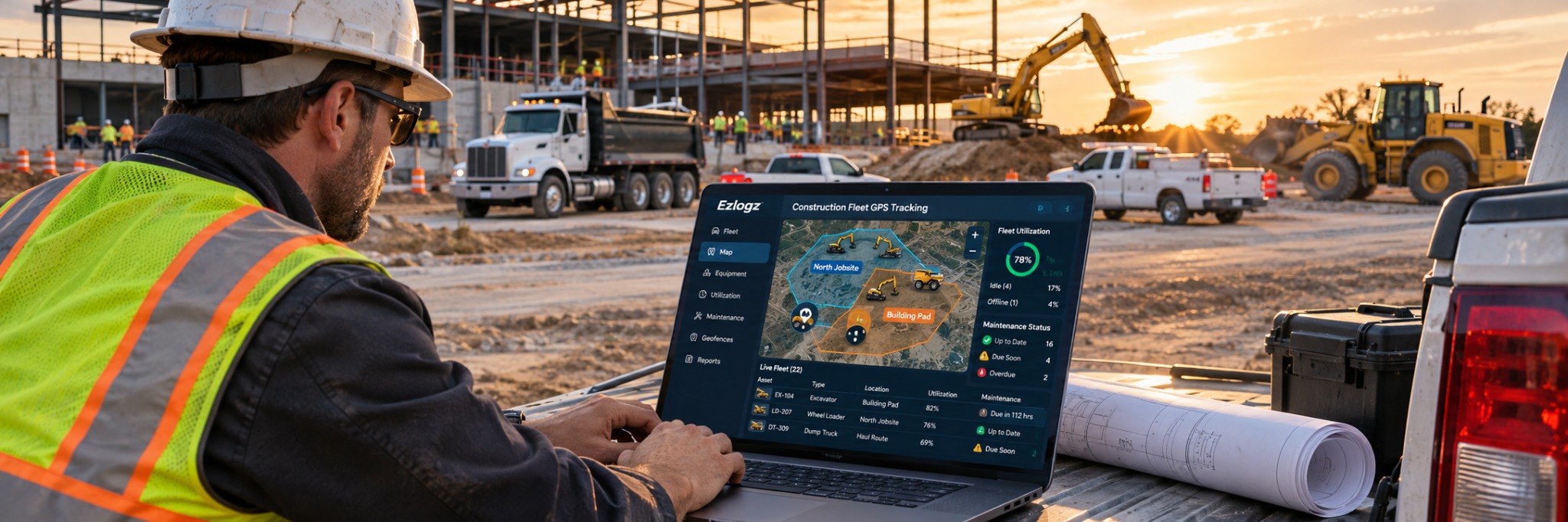
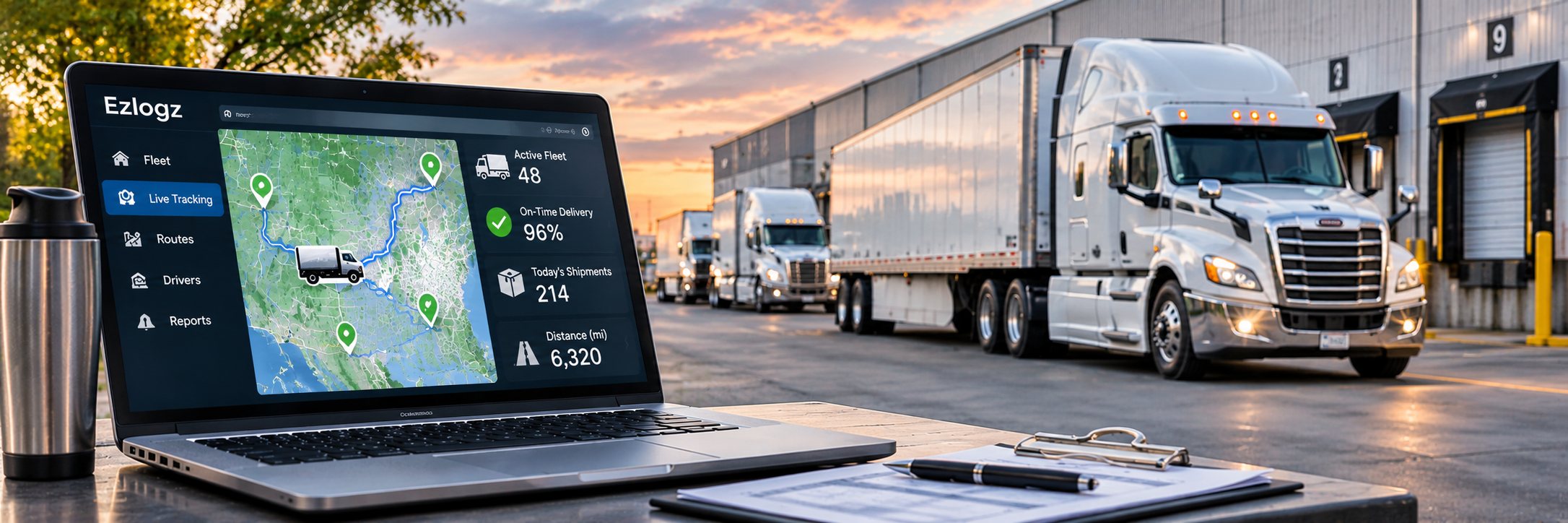
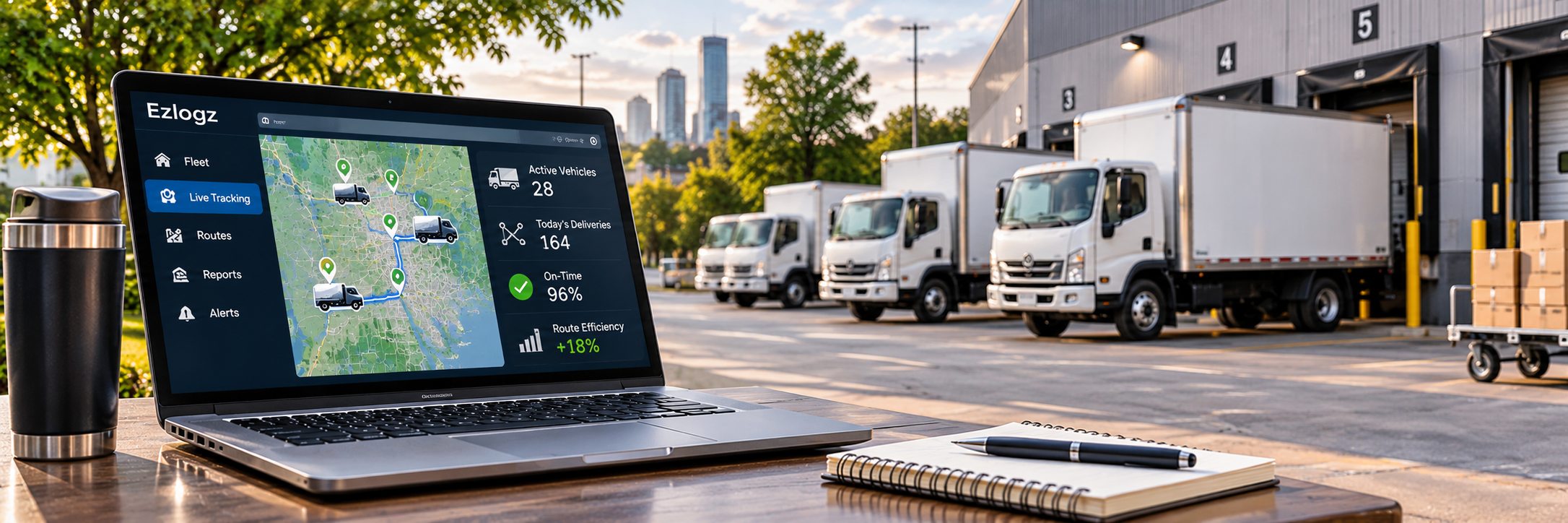
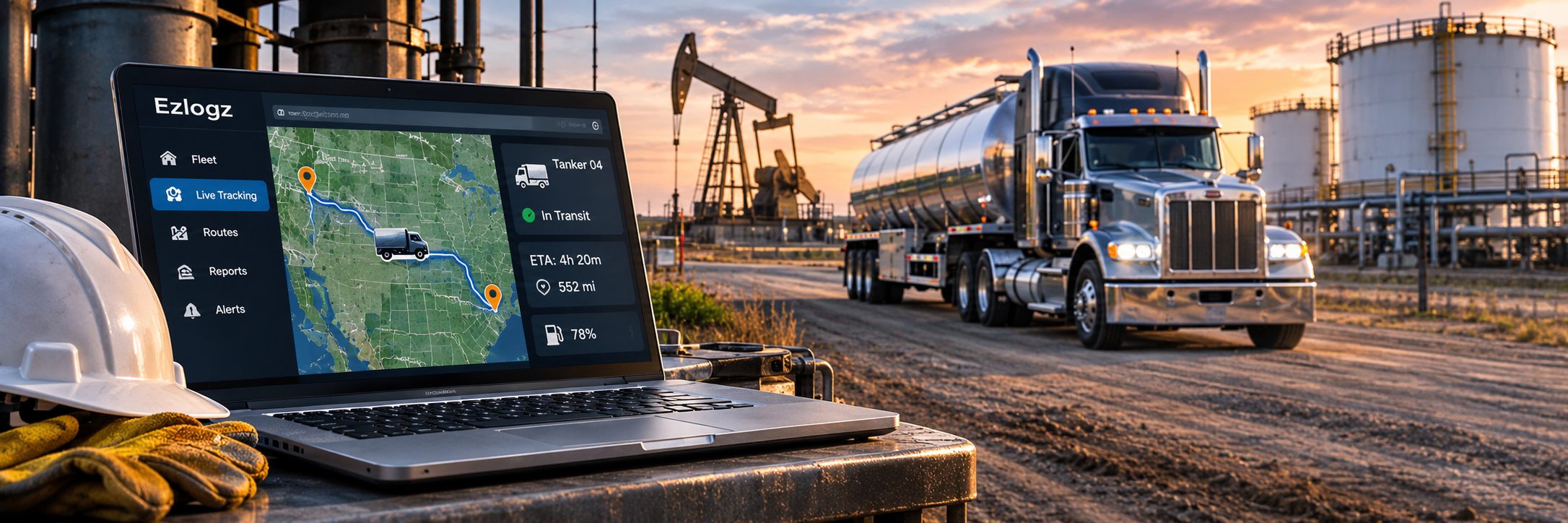
GPS tracking allows authorized fleet personnel to monitor truck locations and review trip progress.
For example, a logistics company managing deliveries across several states can use connected tracking data to identify which vehicles are approaching their destinations and which may experience delays.
This information helps dispatchers communicate updated delivery expectations and coordinate transportation activities.
Real-time visibility also supports:
- Monitoring active truck routes.
- Identifying unexpected stops.
- Reviewing vehicle arrival and departure times.
- Tracking transportation assets.
- Improving communication with customers.
- Detecting potential route deviations.
However, the accuracy and frequency of location updates depend on the tracking system and available connectivity.
Smarter Dispatching and Route Optimization
Traditional dispatching often requires frequent telephone communication and manual status updates.
Connected fleet management systems reduce some of this administrative work by making vehicle information available through digital platforms.
Dispatchers can evaluate truck locations, delivery schedules, vehicle availability, and other operational conditions when assigning transportation tasks.
For example, if a scheduled delivery is delayed, a dispatcher may identify another suitable vehicle to complete an additional assignment.
Route planning tools can also combine vehicle data with traffic conditions, delivery requirements, and road restrictions.
The goal is not simply to identify the shortest route. Commercial trucking routes must also account for vehicle dimensions, weight restrictions, permitted roads, customer schedules, and driver availability.
Predictive Maintenance and Vehicle Reliability
Vehicle breakdowns can disrupt delivery schedules, increase repair expenses, and reduce fleet availability.
Connected truck technologies support maintenance teams by providing access to relevant diagnostic information.
Vehicle data may include:
- Engine diagnostic trouble codes.
- Coolant temperature.
- Battery voltage.
- Engine operating hours.
- Mileage.
- Tire pressure information from compatible sensors.
- Other manufacturer-supported diagnostic parameters.
Maintenance professionals can use these records to identify abnormal conditions and prioritize inspections.
Predictive maintenance takes this concept further by analyzing historical and current data to estimate when certain components may require attention.
For example, recurring diagnostic warnings combined with operating history may indicate that a component should be inspected before a more serious failure occurs.
Predictive systems cannot prevent every mechanical problem, but they can support more informed maintenance planning.
Connected Cargo Monitoring and Supply Chain Visibility
Connected trucking technology also improves visibility into trailers and cargo.
Specialized IoT sensors can monitor conditions inside trailers, shipping containers, and other transportation equipment.
For temperature-sensitive shipments, connected monitoring devices can record environmental conditions and generate alerts when measurements exceed configured limits.
Other sensors may detect trailer door activity, asset movement, or changes in equipment status.
These capabilities are particularly useful for:
- Refrigerated freight transportation.
- Food distribution.
- Pharmaceutical logistics.
- High-value cargo shipments.
- Trailer and equipment management.
By connecting cargo information with vehicle location data, transportation companies can gain a clearer understanding of shipment conditions throughout delivery operations.
Business Benefits of Connected Truck Technology
Connected trucks provide more than operational convenience. When implemented effectively, they can help trucking businesses address common financial, safety, and administrative challenges.
Better Fuel Efficiency and Operating Cost Control
Fuel is a major expense for commercial trucking companies.
Connected telematics systems can collect information about engine idling, vehicle mileage, driving patterns, and fuel usage where supported.
Fleet managers can analyze this information to identify inefficient operating practices.
For example, excessive idling may increase fuel consumption without contributing to productive transportation activity.
Connected vehicle information can help managers establish appropriate idling targets, evaluate operating patterns, and provide targeted driver coaching.
Improved route planning can also help reduce unnecessary mileage.
The amount of savings achieved depends on vehicle specifications, fleet size, road conditions, and operational practices.
Improved Driver Safety and Fleet Risk Management
Connected safety technologies provide additional information about driving events.
Depending on the equipment installed, telematics systems may record harsh braking, sudden acceleration, speeding events, and other driving behaviors.
Connected dash cameras can provide video evidence associated with certain incidents.
Fleet safety managers can use this information to investigate events, identify recurring risks, and develop driver training programs.
A successful safety program should use connected data fairly and consistently, with clear policies covering privacy, driver communication, and access to recorded information.
More Efficient Regulatory Compliance Workflows
Commercial trucking companies operating in the United States must comply with applicable federal and state transportation regulations.
Electronic logging technology supports certain compliance-related activities by automatically recording required information.
According to the Federal Motor Carrier Safety Administration (FMCSA), the ELD rule is designed to make it easier to accurately track, manage, and share Records of Duty Status information.
Connected systems can help applicable carriers organize driver logs and review available driving hours.
Digital inspection tools may also support vehicle condition reporting and maintenance documentation.
However, technology does not replace regulatory responsibilities. Motor carriers and drivers must continue following applicable requirements, including proper recordkeeping and vehicle inspections.
Greater Asset Utilization and Operational Productivity
Commercial fleets invest substantial resources in trucks, trailers, and supporting equipment.
Connected technology provides data that can help managers understand how these assets are being used.
For example, a fleet operator may discover that certain trailers remain unused for extended periods while other equipment experiences unusually high demand.
With better utilization information, managers can make more informed decisions about equipment allocation, maintenance scheduling, and future purchases.
The following performance indicators can help evaluate connected fleet operations:
| Performance Indicator | What It Measures | Business Application |
|---|---|---|
| Vehicle utilization | Productive use of trucks | Equipment allocation |
| Average idle time | Engine operation while stationary | Fuel efficiency |
| Vehicle downtime | Time equipment is unavailable | Maintenance planning |
| On-time delivery rate | Delivery schedule performance | Customer service |
| Unplanned repairs | Unexpected maintenance events | Fleet reliability |
| Fuel consumption per mile | Vehicle fuel efficiency | Cost management |
| Empty miles | Distance traveled without revenue-generating freight | Dispatch efficiency |
Companies should establish baseline measurements before implementing new technologies. This makes it easier to evaluate whether connected systems produce measurable improvements.
The Future of Connected Trucks and Smart Logistics
Connected trucking technologies continue to evolve as transportation businesses adopt more advanced analytics, automation, and digital integration.
The next stage of smart logistics will increasingly depend on how effectively companies combine information from vehicles, drivers, cargo, and transportation management systems.
Artificial Intelligence and Advanced Fleet Analytics
Artificial intelligence can help fleet management platforms analyze large volumes of operational information.
Traditional reporting tools primarily describe what has happened. More advanced analytical systems may identify patterns, estimate future outcomes, and recommend operational actions.
Potential applications include:
- Predicting vehicle maintenance requirements.
- Identifying unusual fuel consumption patterns.
- Estimating delivery delays.
- Evaluating recurring safety risks.
- Supporting vehicle allocation decisions.
- Detecting abnormal operating conditions.
For example, an analytical system may combine historical travel times, current vehicle positions, and traffic information to estimate delivery arrival times.
These estimates remain subject to uncertainty, particularly when conditions change unexpectedly.
AI should support human decision-making rather than replace appropriate operational oversight.
Vehicle-to-Everything Communication
Vehicle-to-Everything (V2X) communication is an emerging area of connected transportation technology.
V2X refers to systems that allow compatible vehicles to exchange certain information with other vehicles, transportation infrastructure, or connected devices.
Potential applications include warnings about road hazards, traffic conditions, and approaching vehicles.
For commercial trucks, these capabilities could eventually support improved situational awareness and more coordinated transportation operations.
However, widespread deployment depends on infrastructure availability, technical standards, interoperability, and regulatory conditions.
V2X should therefore be viewed as an evolving technology rather than a standard capability in every connected commercial truck.
Connected Electric Trucks and Energy Management
The development of electric commercial vehicles introduces additional opportunities for connected fleet management.
Electric trucks generate operational information related to battery charge, energy consumption, charging activity, and estimated driving range.
Connected management systems can help operators monitor this information and plan vehicle assignments around charging requirements.
For example, a fleet operating electric delivery trucks may use battery status and route information to determine which vehicles are suitable for particular assignments.
Successful implementation requires careful consideration of charging infrastructure, route characteristics, payload, climate, and vehicle operating requirements.
Automation and Connected Transportation Ecosystems
Future logistics operations may involve greater integration between connected trucks, warehouse management systems, dispatch platforms, and transportation networks.
A shipment arriving at a distribution center could generate updated vehicle location information that helps warehouse personnel prepare for unloading.
Similarly, connected trailer information may support better coordination between transportation and yard management teams.
Advanced driver-assistance technologies and automated driving systems may also evolve alongside connected vehicle platforms.
Nevertheless, connected trucks and autonomous trucks are not the same.
A connected truck exchanges operational data, while an autonomous vehicle uses additional systems to perform some or all driving tasks under defined conditions.
Most connected truck technologies remain focused on supporting drivers and fleet personnel rather than replacing them.
How Trucking Companies Can Prepare for Smart Logistics
Transportation businesses do not need to implement every emerging technology simultaneously.
A gradual approach can help companies control costs and focus on measurable business needs.
An effective implementation strategy includes:
- Evaluate current fleet operations. Identify problems involving vehicle visibility, maintenance, fuel consumption, and communication.
- Review existing technology. Determine which GPS, ELD, telematics, and management systems are already available.
- Prioritize practical applications. Select technologies that address the most important operational challenges.
- Check integration capabilities. Ensure new devices can work with relevant existing software and vehicles.
- Train drivers and fleet personnel. Explain how connected systems support operational workflows.
- Establish security and privacy policies. Protect sensitive operational information and define appropriate data access.
- Measure performance. Monitor operating costs, vehicle utilization, safety indicators, and delivery reliability.
- Expand gradually. Add technologies when their operational value and compatibility have been established.
This approach allows trucking companies to move toward smarter logistics without unnecessary technological complexity.
How EZLOGZ Supports the Future of Connected Fleet Management
The effectiveness of connected trucking depends on more than the number of devices installed in a vehicle.
Fleet operators need systems that make information accessible, understandable, and useful for daily transportation management.
EZLOGZ provides commercial fleet management technologies designed to support connected transportation operations.
Its solutions include electronic logging, GPS tracking, fleet safety technology, and digital management capabilities that help transportation businesses improve operational visibility.
Bringing Fleet Information Into a Connected Management Environment
EZLOGZ technologies support several important aspects of smart logistics.
Electronic Logging Devices
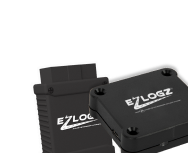
EZLOGZ ELD solutions support electronic Hours of Service recordkeeping and related workflows for applicable commercial vehicle operations.
GPS Fleet Tracking
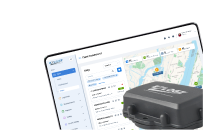
Connected location information helps dispatchers monitor vehicle movements and coordinate transportation assignments.
Fleet Safety Technology
Connected dash camera solutions provide additional information for reviewing incidents and supporting driver safety programs.
Digital Fleet Management
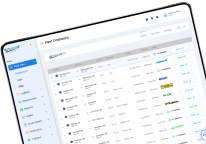
Fleet management tools help organize operational information and reduce dependence on disconnected manual processes.
Operational Visibility
Combining relevant vehicle, driver, and fleet data can help managers identify inefficiencies and respond more effectively to transportation challenges.
For trucking companies planning to modernize their operations, selecting a connected fleet management solution is an important step toward better coordination between drivers, dispatchers, and management teams.
Explore EZLOGZ fleet management solutions to discover how connected technologies can help improve fleet visibility, support compliance workflows, and prepare commercial transportation operations for the future of smart logistics.
FAQ:
1. What are connected trucks?
Connected trucks are commercial vehicles equipped with communication technologies, sensors, and software that collect and exchange operational information. They can transmit vehicle locations, diagnostic information, and other fleet data to authorized management systems.
2. How do connected trucks improve logistics?
Connected trucks improve logistics by providing more timely information about vehicle locations, driver availability, equipment conditions, and shipment progress. This information supports dispatch coordination, maintenance planning, delivery management, and operational decision-making.
3. What technologies are used in connected trucks?
Common technologies include GPS tracking, telematics devices, electronic logging devices, IoT sensors, connected dash cameras, wireless communication systems, and cloud-based fleet management software.
4. What is the difference between connected trucks and autonomous trucks?
Connected trucks exchange information with external systems but generally continue to depend on human drivers. Autonomous trucks use additional sensing, computing, and driving automation technologies to perform defined driving tasks with varying levels of human involvement.
5. Can connected trucks help reduce fuel costs?
Yes. Connected vehicle systems can provide information about idling, driving behavior, mileage, and fuel consumption. Fleet managers can use this information to identify inefficiencies and improve fuel management practices. Actual savings vary by fleet.
6. How does connected truck technology support predictive maintenance?
Connected technology collects vehicle diagnostic information that maintenance teams can analyze for potential problems. Advanced systems may combine historical data and analytical models to estimate maintenance needs and support earlier inspections.
7. Are connected trucks required for FMCSA compliance?
Connected truck technology as a broad category is not universally required. However, applicable drivers and carriers generally must use compliant electronic logging devices unless an exemption applies. Requirements depend on the vehicle, operation, and relevant regulations.
8. How can connected trucks improve driver safety?
Telematics and connected cameras provide information about selected driving events and vehicle conditions. Fleet managers can review this information, investigate incidents, and develop targeted driver coaching programs.
9. Are connected truck systems suitable for small trucking companies?
Yes. Smaller carriers can implement practical technologies such as GPS tracking, electronic logging, and maintenance monitoring without adopting every available system. Choosing scalable solutions helps control costs and supports future expansion.
10. What is the future of connected trucks in logistics?
The future of connected trucking is expected to involve more advanced analytics, improved system integration, connected electric vehicles, evolving V2X communication, and greater automation. These developments may improve transportation visibility, efficiency, and coordination.
Connected trucks are helping transform commercial transportation from a collection of separate operational activities into a more coordinated, data-driven logistics environment.
By connecting vehicles, drivers, dispatchers, maintenance teams, and fleet management systems, trucking companies can improve visibility, make more informed decisions, and respond more effectively to daily operational challenges.
As connected technologies continue to develop, transportation businesses that prioritize practical implementation, reliable data, and measurable performance improvements will be better positioned to adapt to the future of smart logistics.


Comments