


Commercial fleet management has become increasingly dependent on connected technologies that provide visibility into vehicle performance, driver activity, maintenance requirements, and daily transportation operations. As trucking companies face rising operating expenses, demanding delivery schedules, and complex regulatory requirements, Internet of Things (IoT) technologies offer practical tools for improving fleet efficiency.
IoT technologies in commercial fleet management connect trucks, trailers, sensors, and software platforms to collect and exchange operational data. Instead of relying exclusively on manual reports and periodic inspections, fleet managers can access timely information about vehicle locations, engine conditions, fuel consumption, and driver behavior.
These connected systems help transportation businesses identify potential problems earlier, coordinate dispatch activities, reduce unnecessary operating expenses, and make more informed decisions.
Understanding how IoT works, which technologies provide the greatest value, and how to implement connected solutions can help trucking companies build more efficient and reliable fleets.
What Is IoT in Commercial Fleet Management?
The Internet of Things refers to a network of physical devices equipped with sensors, software, and communication technologies that collect and exchange information.
In commercial transportation, these devices are installed in trucks, trailers, and other fleet assets. They gather operational information and transmit it to connected fleet management platforms, where managers can monitor performance and identify opportunities for improvement.
How IoT Connects Commercial Vehicles and Fleet Systems
A typical IoT fleet management system consists of several interconnected components:
- Vehicle sensors: Collect information about engine performance, operating temperatures, tire pressure, and other mechanical conditions.
- GPS tracking devices: Determine vehicle locations and provide movement data.
- Telematics hardware: Collects information from vehicle systems and transmits relevant data to management platforms.
- Wireless communication networks: Enable data transmission through cellular and other supported communication technologies.
- Cloud-based software: Stores, organizes, and processes information from connected vehicles.
- Fleet management dashboards: Allow managers to review vehicle status, performance indicators, and operational alerts.
For example, a telematics device installed in a commercial truck can collect engine diagnostics and location information. The data is transmitted to a cloud platform, where fleet managers can review vehicle conditions and receive alerts about potential mechanical problems.
This connectivity allows transportation companies to manage vehicles more proactively.
IoT vs. Traditional Fleet Management Systems
Traditional fleet management often depends on paper-based records, manual communication, and scheduled vehicle inspections. Although these methods remain important, they may limit how quickly managers identify operational problems.
IoT-enabled systems provide more frequent data updates and automate many monitoring activities.
| Fleet Management Function | Traditional Approach | IoT-Enabled Approach |
|---|---|---|
| Vehicle tracking | Driver updates and manual reporting | GPS-based location monitoring |
| Maintenance | Scheduled inspections | Sensor-supported diagnostics |
| Driver monitoring | Manual reports and reviews | Telematics-based performance data |
| Fuel management | Fuel receipts and periodic analysis | Connected fuel and vehicle data |
| Asset monitoring | Manual inventory checks | Connected asset tracking |
| Operational reporting | Manual data consolidation | Automated data collection and reporting |
The primary advantage of IoT is improved access to operational information. However, the effectiveness of these systems depends on device reliability, connectivity, and how companies use the collected data.
Key IoT Technologies Used in Commercial Fleets
Modern commercial fleets use several types of connected technologies to monitor vehicles, improve operational visibility, and support management decisions.
GPS Tracking and Vehicle Telematics
GPS tracking is among the most widely used IoT technologies in commercial transportation.
Connected GPS devices help fleet managers monitor vehicle locations, review trip histories, and understand how trucks move throughout their service areas.
Common applications include:
- Monitoring truck locations during active deliveries.
- Identifying unexpected stops or route deviations.
- Creating geofencing alerts for designated locations.
- Reviewing vehicle mileage and utilization.
- Supporting dispatch coordination and delivery planning.
Telematics expands these capabilities by combining location information with vehicle operating data.
For example, a fleet manager may identify vehicles that spend excessive time idling or regularly travel inefficient routes. This information can support adjustments to dispatch procedures and driver practices.
Electronic Logging Devices (ELDs)
Electronic Logging Devices are another important component of connected commercial fleet operations.
ELDs automatically record certain engine-related information and help applicable drivers maintain electronic Records of Duty Status under Federal Motor Carrier Safety Administration (FMCSA) requirements.
Connected ELD solutions can support:
- Hours of Service (HOS) recordkeeping.
- Driver duty status management.
- Electronic access to required records.
- Fleet-level visibility into available driving hours.
- More efficient compliance-related administrative workflows.
ELDs primarily serve regulatory recordkeeping purposes, while broader telematics systems may provide additional operational monitoring capabilities.
Commercial fleet operators should verify that their devices and workflows meet applicable FMCSA requirements.
Smart Sensors and Remote Vehicle Diagnostics
Modern commercial vehicles contain electronic systems capable of generating useful diagnostic information.
When connected to appropriate IoT hardware, these systems can provide fleet maintenance teams with visibility into vehicle conditions.
Examples of monitored parameters include:
- Engine fault codes and warning indicators.
- Coolant and engine operating temperatures.
- Battery voltage.
- Engine operating hours.
- Tire pressure and temperature, when compatible sensors are installed.
- Other vehicle-specific diagnostic information.
Remote diagnostics allow maintenance teams to evaluate certain vehicle conditions without waiting for a truck to return to a maintenance facility.
For example, a diagnostic alert may indicate an abnormal operating condition that requires inspection. Maintenance personnel can review the information, contact the driver, and determine whether immediate intervention is necessary.
Not every alert indicates an impending breakdown, but timely diagnostic information can improve maintenance planning.
IoT-Connected Dash Cameras and Driver Safety Systems
Connected dash cameras combine video recording with telematics and vehicle event information.
Depending on the system, cameras may record events associated with harsh braking, sudden acceleration, collisions, or other driving conditions.
Fleet managers can use this information to:
- Review safety-related incidents.
- Investigate reported collisions.
- Identify opportunities for driver coaching.
- Support incident documentation.
- Evaluate recurring driving risks.
Video telematics should be implemented with appropriate privacy policies, access controls, and transparent communication with drivers.
Trailer, Cargo, and Asset Monitoring Sensors
IoT technology extends beyond the truck itself.
Connected sensors installed on trailers, shipping containers, and specialized transportation equipment can provide information about asset conditions and movements.
Common applications include:
- Trailer tracking: Monitoring the location and utilization of trailers.
- Temperature monitoring: Observing refrigerated cargo conditions.
- Door sensors: Detecting trailer door openings and closings.
- Asset utilization tracking: Identifying equipment that remains unused for extended periods.
- Environmental monitoring: Recording humidity or other conditions when specialized sensors are installed.
These technologies are particularly useful for companies transporting temperature-sensitive products, valuable cargo, or equipment across multiple locations.
Cellular Connectivity, Cloud Platforms, and Edge Computing
IoT fleet management depends on reliable communication between connected devices and software systems.
Cellular networks, including LTE and 5G where supported, are commonly used to transmit vehicle data. Cloud platforms then store and organize information for fleet management applications.
Some devices also use edge computing, which processes selected information locally before transmitting it.
This approach can reduce unnecessary data transmission and support certain time-sensitive functions.
However, remote operating areas may experience limited cellular coverage. Fleet operators should therefore consider connectivity requirements, offline data storage, and synchronization capabilities when selecting IoT solutions.
How IoT Technologies Improve Fleet Operations
Collecting vehicle information is only the first step. The operational value of IoT comes from using that information to improve decisions, reduce inefficiencies, and respond to problems.
Real-Time Fleet Visibility and Dispatch Coordination
Connected vehicle tracking helps dispatchers understand where trucks are located and how deliveries are progressing.
With access to frequent location updates, dispatch teams can identify delays, coordinate assignments, and provide customers with more accurate delivery information.
For example, when a truck encounters unexpected congestion, a dispatcher may use available vehicle information to evaluate alternative assignments or notify the customer about a revised arrival time.
IoT-enabled visibility can also reduce the amount of manual communication required to determine vehicle locations.
Predictive Maintenance and Reduced Vehicle Downtime
Unexpected mechanical failures can create expensive disruptions for commercial fleets.
IoT technologies support maintenance planning by collecting engine data, fault codes, operating hours, and other vehicle condition information.
There are three common maintenance approaches:
- Reactive maintenance: Repairs are performed after equipment fails.
- Preventive maintenance: Service is scheduled according to mileage, operating hours, or time intervals.
- Predictive maintenance: Vehicle condition data and analytical models are used to estimate potential maintenance needs.
A connected fleet management system can support preventive maintenance even without sophisticated predictive analytics.
For example, recurring diagnostic warnings may prompt maintenance personnel to inspect a component before a vehicle experiences a more serious failure.
Predictive maintenance requires sufficiently reliable data, appropriate analytical methods, and qualified technical evaluation.
Fuel Consumption Monitoring and Cost Control
Fuel represents a significant operating expense for many commercial trucking companies.
Connected telematics systems can help identify driving and operating patterns associated with unnecessary fuel consumption.
Relevant information may include:
- Engine idling duration.
- Vehicle mileage.
- Fuel consumption data, where supported.
- Acceleration and braking patterns.
- Trip duration and route efficiency.
By analyzing these metrics, fleet managers can establish fuel efficiency targets and identify opportunities for improvement.
For example, comparing idle time across similar vehicles and duty cycles may reveal where operational changes or driver coaching could reduce fuel usage.
Actual savings depend on vehicle specifications, operating conditions, driver behavior, and fleet management practices.
Driver Safety and Regulatory Compliance
IoT technologies can support driver safety programs through connected cameras, telematics data, and electronic reporting tools.
Fleet managers can review safety events, identify recurring concerns, and develop targeted training programs.
Connected ELD systems also help applicable commercial vehicle operators maintain required electronic duty status records.
However, connected technology does not automatically ensure regulatory compliance. Companies remain responsible for proper procedures, accurate records, equipment maintenance, and driver training.
Cargo Protection and Supply Chain Visibility
Cargo visibility is another important application of IoT in transportation.
Connected sensors help companies observe cargo conditions during transportation and identify events that may require investigation.
For refrigerated shipments, temperature monitoring systems can provide alerts when recorded conditions exceed configured thresholds.
Location tracking can also help fleet operators identify unexpected trailer movements or unauthorized route deviations.
These capabilities support better shipment visibility and provide additional information for responding to potential cargo-related problems.
Implementing IoT Solutions in a Commercial Fleet
Implementing connected fleet technology requires more than installing devices in vehicles.
Fleet operators should establish clear business objectives, evaluate existing systems, and select technologies that address identifiable operational requirements.
Assess Current Fleet Technology and Operational Needs
Before investing in additional hardware, fleet managers should review their current processes.
Important questions include:
- Which operational activities currently require manual reporting?
- Are vehicle locations visible to dispatch personnel?
- How are maintenance schedules and diagnostic problems managed?
- Which fuel consumption metrics are available?
- Can existing systems exchange information?
- What operational problems should new IoT devices address?
The answers help determine which technologies should be prioritized.
For example, a company experiencing frequent unplanned vehicle repairs may benefit more from connected diagnostic monitoring than from additional location tracking features.
Choose Compatible IoT Devices and Integrations
Commercial fleets often operate vehicles with different manufacturers, model years, and electronic systems.
Not every IoT device supports every vehicle.
Before selecting a fleet IoT solution, operators should evaluate:
- Compatibility with existing trucks and trailers.
- Available vehicle data interfaces.
- Cellular coverage and data synchronization.
- Software integration capabilities.
- Installation and maintenance requirements.
- Scalability as the fleet grows.
Selecting compatible hardware and software helps reduce integration difficulties and duplicated administrative work.
Address Data Security, Privacy, and Implementation Costs
Connected fleet systems collect information that may include vehicle locations, driver activity, and operational records.
Companies should establish appropriate safeguards, including role-based access controls, secure communications, software updates, and data retention policies.
Implementation expenses may include hardware purchases, installation, connectivity, software subscriptions, training, and system integration.
Fleet managers should calculate the total cost of ownership rather than evaluating equipment prices alone.
Measure IoT Performance and Return on Investment
Successful implementation should be evaluated using measurable operational indicators.
| KPI | What It Measures | Potential Business Value |
|---|---|---|
| Vehicle downtime | Time vehicles are unavailable | Maintenance effectiveness |
| Fuel consumption per mile | Fuel efficiency | Operating cost control |
| Engine idle time | Time engines run while stationary | Fuel management opportunities |
| Unplanned repair frequency | Unexpected maintenance events | Vehicle reliability |
| On-time delivery percentage | Delivery schedule performance | Service quality |
| Vehicle utilization | How often equipment is used | Asset efficiency |
Fleet managers should record baseline performance before implementation and compare results across similar operating periods.
Return on investment can then be estimated by comparing measurable financial benefits with the total costs of the IoT solution.
How EZLOGZ Supports Connected Commercial Fleet Operations
Commercial fleet IoT technology provides the greatest operational value when information from connected devices can be accessed and used through coordinated management workflows.
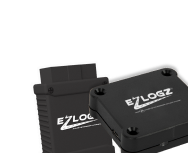
EZLOGZ provides fleet technology solutions designed to help transportation businesses manage important aspects of commercial vehicle operations.
Its solution ecosystem includes electronic logging, vehicle tracking, fleet safety technologies, and digital operational tools.
Connecting Fleet Data Through EZLOGZ Technology
Commercial fleet operators can use relevant EZLOGZ solutions to support connected vehicle operations.
- ELD solutions: Help applicable commercial drivers and fleet operators manage electronic Hours of Service records and related compliance workflows.
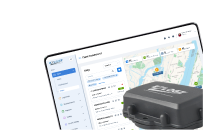
- GPS fleet tracking: Supports vehicle location visibility and dispatch coordination.
- Dash camera technology: Provides video information for incident review and fleet safety programs.
- Digital vehicle inspection workflows: Help organize vehicle condition reporting and maintenance-related information.
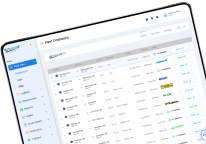
- Connected management tools: Support more centralized access to operational information.
Combining relevant data sources can make fleet management more efficient by reducing dependence on disconnected reports and manual information gathering.
The appropriate technology configuration depends on the fleet’s vehicles, operational requirements, and available system integrations.
Explore EZLOGZ fleet management solutions to learn how connected technology can support commercial trucking operations, improve fleet visibility, and simplify daily management processes.
FAQ:
1. What is IoT in commercial fleet management?
IoT in commercial fleet management refers to connected devices, sensors, and software that collect and exchange information about trucks, trailers, and other fleet assets. These technologies help companies monitor vehicle conditions, track locations, improve operational visibility, and support better management decisions.
2. How does IoT technology work in commercial trucks?
IoT technology uses connected hardware to collect information from vehicle systems and sensors. The information is transmitted through supported communication networks to fleet management software, where dispatchers and maintenance teams can review data, monitor vehicle performance, and respond to operational alerts.
3. What are the most common IoT devices used in fleet management?
Common fleet IoT devices include GPS trackers, electronic logging devices, telematics units, connected dash cameras, tire pressure sensors, engine diagnostic devices, and trailer monitoring sensors. Different devices collect different types of information depending on their purpose and compatibility.
4. How can IoT reduce commercial fleet operating costs?
IoT technologies can help fleet operators identify excessive idling, inefficient routes, underutilized vehicles, and maintenance problems. Addressing these issues may reduce unnecessary fuel consumption, avoidable downtime, and administrative expenses. Actual savings depend on fleet conditions and how effectively the information is used.
5. Can IoT technologies help prevent truck breakdowns?
IoT systems can support earlier identification of some mechanical problems by monitoring diagnostic fault codes and vehicle operating conditions. Maintenance teams can use this information to prioritize inspections and repairs. However, sensors cannot detect every developing failure, and regular vehicle inspections remain necessary.
6. What is the difference between IoT and GPS fleet tracking?
GPS fleet tracking focuses primarily on vehicle location and movement information. IoT fleet management is broader and may combine GPS tracking with engine diagnostics, driver monitoring, cargo sensors, electronic logging, and other connected technologies to provide a more comprehensive operational view.
7. How does IoT support FMCSA compliance?
Connected electronic logging devices can help applicable commercial drivers record Hours of Service information in accordance with FMCSA requirements. Other connected tools may support vehicle inspection reporting and record organization. Proper compliance still depends on accurate records, suitable equipment, and company procedures.
8. Are IoT fleet management systems secure?
IoT fleet management systems can be protected through encryption, secure authentication, access controls, software updates, and appropriate data management policies. Security also depends on the equipment provider, system configuration, maintenance practices, and how companies control access to sensitive fleet information.
9. How much does IoT fleet management technology cost?
The cost depends on fleet size, hardware selection, installation requirements, software subscriptions, cellular connectivity, and integration needs. Companies should consider both initial expenses and recurring costs when evaluating an IoT fleet management solution.
10. Can small trucking companies benefit from IoT fleet solutions?
Yes. Small trucking companies can benefit from connected vehicle tracking, electronic logging, maintenance alerts, and other practical technologies. Starting with a limited number of high-value features allows operators to control implementation costs and expand their systems as operational requirements change.
IoT technologies are helping commercial fleet operators move toward more connected and data-informed transportation management. By combining vehicle monitoring, telematics, connected sensors, and fleet management software, trucking businesses can improve operational visibility and make better use of their equipment.
The greatest benefits come from selecting technologies that address real operational problems and using the resulting data to support consistent improvements in safety, maintenance, dispatching, and cost management.

Comments