


A construction company may own enough machinery to serve several projects, yet still rent another excavator because no one is sure where the available unit is working. Dump trucks shift between jobsites, service vehicles make unscheduled trips, and trailers remain parked at temporary yards. When asset activity is recorded only through calls and handwritten logs, equipment costs can spread unnoticed across project budgets.
Construction fleet GPS tracking gives contractors a practical way to see equipment locations, movement history, and—where compatible telematics is installed—operating hours and utilization. The financial value comes from using that information to allocate machinery, secure jobsites, coordinate crews, and service equipment before it becomes unavailable.
Why Construction Companies Need GPS Fleet Tracking
A Construction Fleet Contains Different Types of Assets
A contractor may operate road-going trucks, non-road machinery, rented machines, unpowered trailers, and mobile generators. These assets have different maintenance needs and tracking behavior. Mileage is useful for dump trucks, while engine hours are often more relevant to excavators, loaders, and dozers.
Jobsites Move, and Equipment Moves With Them
Construction managers regularly transfer equipment between projects. A location map and jobsite geofences can show which assets are present, which were moved after hours, and which are sitting idle. A tracker does not prove an asset is productive; location and engine-hour data need to be interpreted in the context of scheduled work.
Connectivity and Hardware Matter
Construction sites expose devices to vibration, dust, moisture, and harsh handling. Teams should choose mounting, power, environmental protection, and update intervals for each asset class. Devices without a constant power source may need battery-saving reporting schedules.
| Construction asset | Useful data | Management decision |
| Dump truck | Routes, mileage and stop times | Coordinate material deliveries |
| Excavator | Location and engine hours | Plan service and reassignment |
| Loader | Operating hours and jobsite | Compare utilization by project |
| Trailer | Independent location | Find detached equipment |
| Service truck | Location and trip history | Dispatch the nearest suitable crew |
8 Construction Fleet GPS Tracking Benefits
1. Find Equipment Across Multiple Jobsites
A centralized map reduces the time supervisors spend asking where a loader, trailer, or service truck was last used. This is especially valuable when crews switch projects during the week. Asset lists should identify ownership, equipment category, and current project so location information can support a useful decision.
2. Detect Unauthorized Movement More Quickly
Geofences around jobsite boundaries and equipment yards can flag movement outside authorized periods. Alerts may help a manager act sooner after a machine leaves a site unexpectedly. GPS tracking supports security but does not replace locks, controlled access, insurance, or a documented theft-response process.
3. Improve Equipment Utilization
Location reports can reveal assets that repeatedly remain parked while other projects rent similar equipment. Pairing reports with scheduled jobs and engine hours helps distinguish true idle capacity from equipment reserved for critical work. Contractors may reduce unnecessary rental days by transferring an available machine between sites.
4. Schedule Maintenance Around Engine Hours
Heavy machines often accumulate wear without traveling long distances. Engine-hour-based reminders, where supported, help maintenance teams schedule inspections and servicing at appropriate intervals. Reliable records also help supervisors avoid assigning a machine to a remote job just before major maintenance is due.
5. Identify Avoidable Fuel and Transport Costs
Unnecessary equipment relocation and prolonged machine idle time can raise project expenses. Tracking and compatible telematics highlight unusual trips, excess idling, and repeated transfers. Managers should distinguish necessary stationary equipment work from genuinely avoidable idle operation.
6. Coordinate Dump Trucks and Support Vehicles
Project delays can occur when earthmoving machinery is ready but material-hauling trucks are not. GPS visibility helps dispatchers see truck locations and review turnaround times between quarries, staging yards, and jobsites. Better coordination improves scheduling without requiring constant driver status calls.
7. Allocate Equipment Cost to the Right Project
A piece of machinery may serve three jobs in one month. Site geofences and operating-hour records can support more consistent internal chargebacks, provided accounting staff verify usage and apply agreed rates. Location alone should not be used as an unquestioned billing record.
8. Improve Safety Reviews and Accountability
Vehicle travel history and compatible driver behavior information can help managers examine repeated speeding or unexpected operating patterns. These insights can guide training, worksite traffic rules, and supervision. They do not replace operator qualifications, pre-use inspections, or safe working procedures.
Building a Practical Construction GPS Tracking Program
Match Devices to the Asset
Begin with an inventory of machines, trucks, trailers, and service vehicles. Identify power availability, environmental exposure, and the operational questions each tracker should answer. A battery tracker suitable for an unpowered trailer may not serve an excavator that requires frequent engine-hour reporting.
Establish Utilization and Security KPIs
Track equipment days by jobsite, engine hours against scheduled hours, unnecessary rental days, unplanned repairs, and after-hours movement events. Avoid judging productivity from GPS presence alone. Supervisors should confirm that tracked hours represent actual work rather than standby time.
Illustrative Cost Example
A contractor with 25 tracked assets might reduce two unnecessary rental days valued at $400 each, avoid $350 of equipment transfer expenses, and save $450 of administrative time in a month. Gross illustrative savings equal $1,600. If the recurring tracking cost is $500, the modeled monthly net benefit is $1,100 before hardware and installation costs.
Using Ezlogz for Construction Visibility
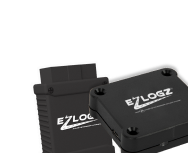
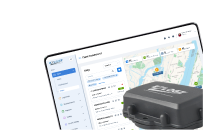
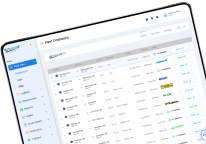
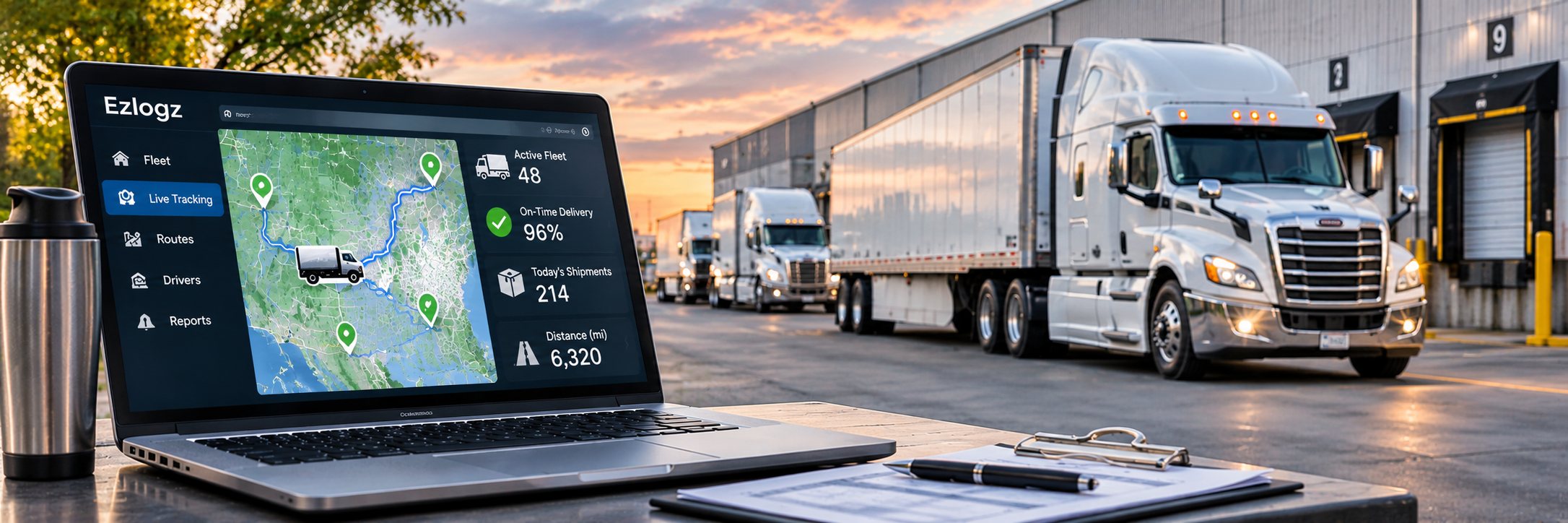
Ezlogz publicly describes location tracking, geofencing, route history, and reporting, and identifies construction fleets among potential users. Contractors should confirm specific device suitability for non-road machinery and whether engine-hour or diagnostic data are available for each equipment type.
| Feature | Construction use case |
| Site geofencing | Monitor asset presence and movement |
| Engine-hour reporting | Schedule machine service |
| Battery-powered trackers | Monitor detached or unpowered assets |
| Trip history | Review equipment relocation |
| Role-based access | Share relevant data with supervisors |
| Exports | Support project cost reviews |
A Construction Fleet Monitoring Workflow That Supervisors Can Use
Before a Job Starts: Assign Assets Clearly
List the machine or vehicle ID, planned site, expected dates, and responsible supervisor. Make sure the system distinguishes owned machinery from rentals. Review transfer permissions before equipment is moved so that security alerts can be understood in context.
During the Project: Verify Actual Utilization
Every week, review parked assets, engine hours, unscheduled transfers, and equipment requested by other jobsites. Discuss discrepancies with field supervisors because engine runtime can include necessary standby work. When an idle machine can serve a different site, compare transfer cost against the cost of renting or purchasing another unit.
At Project Closeout: Reconcile Costs
Confirm when equipment left the site, whether its service is due, and which job should bear operating charges. Keeping a consistent movement and hour record makes the next project estimate more defensible. Tracking data is most valuable when project accounting and field operations agree on how it is interpreted.
FAQ
It is the monitoring of construction vehicles and equipment locations to support coordination, security, and utilization decisions.
Yes, suitable tracking hardware can be fitted to many types of heavy equipment, subject to installation and compatibility.
It reveals where equipment is assigned and can help identify underused assets for reassignment.
No system guarantees prevention. Movement alerts and last-known locations may support faster detection and response.
Often not. Engine hours and manufacturer service schedules are commonly more useful for stationary or low-mileage equipment.
Battery or self-powered trackers may be appropriate, provided their reporting needs and battery life are considered.
They are virtual site boundaries used to identify recorded entry, exit, or unexpected movement.
Yes, if project managers validate asset assignment and operating-hour records before applying internal charges.
Equipment utilization, unplanned downtime, engine hours, transfer mileage, and rental avoidance are useful measures.
Check ruggedness, power needs, reporting coverage, alert options, engine-hour compatibility, and total cost.
Explore Ezlogz commercial GPS tracking solutions: https://ezlogz.com/gps-asset-tracking/



Comments