


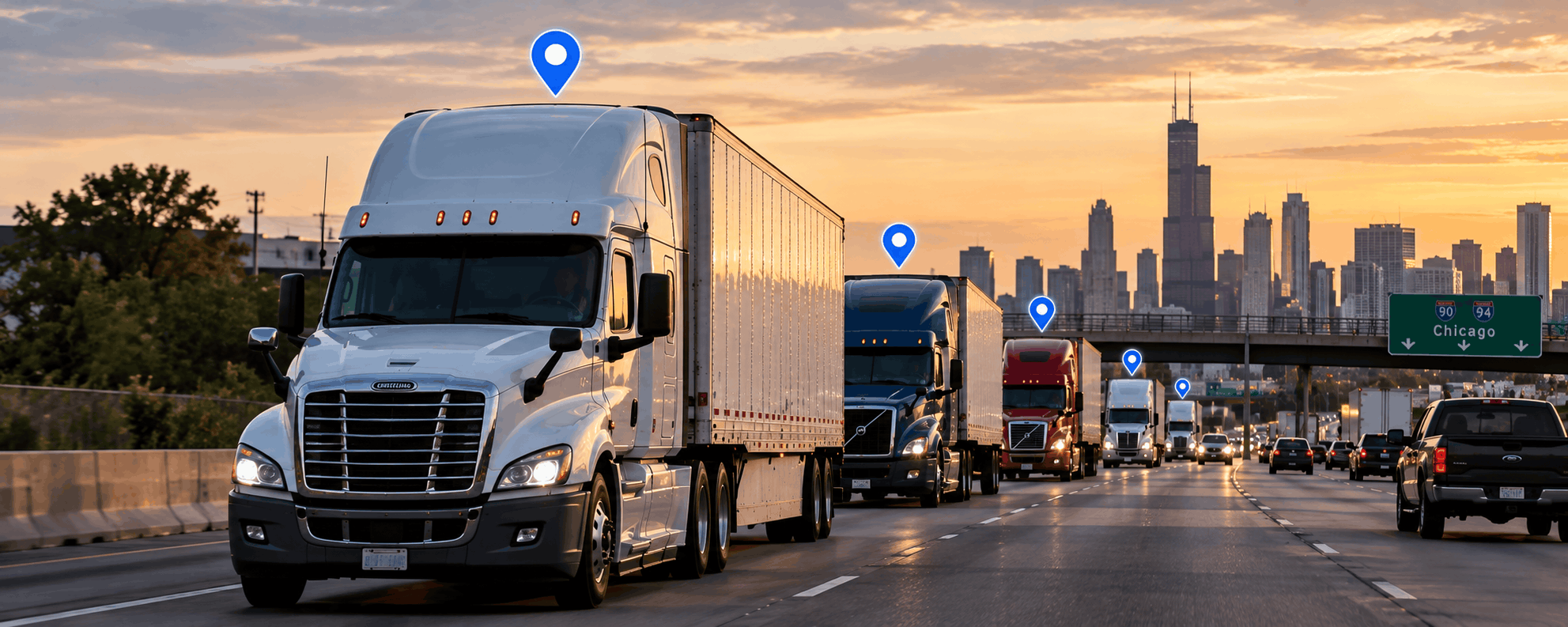
Freight and logistics companies manage transportation networks involving trucks, trailers, warehouses, distribution centers, and delivery destinations. Maintaining visibility across these operations is essential for meeting deadlines, controlling expenses, and improving customer service.
GPS solutions for freight and logistics companies provide real-time vehicle tracking, route monitoring, automated alerts, and operational reporting. These technologies help dispatchers coordinate shipments, reduce unnecessary mileage, and identify transportation delays.
Modern GPS fleet management systems also integrate with ELD platforms, vehicle telematics, and other logistics technologies, creating a more connected approach to freight operations.
What Are GPS Solutions for Freight and Logistics Companies?
GPS tracking solutions use satellite positioning and communication networks to monitor commercial vehicles and transportation assets.
Tracking devices send location information to fleet management software, allowing dispatchers to view vehicle positions and analyze movement history.
How GPS Freight Tracking Works
- A GPS device determines the truck’s location.
- Location data is transmitted to a tracking platform.
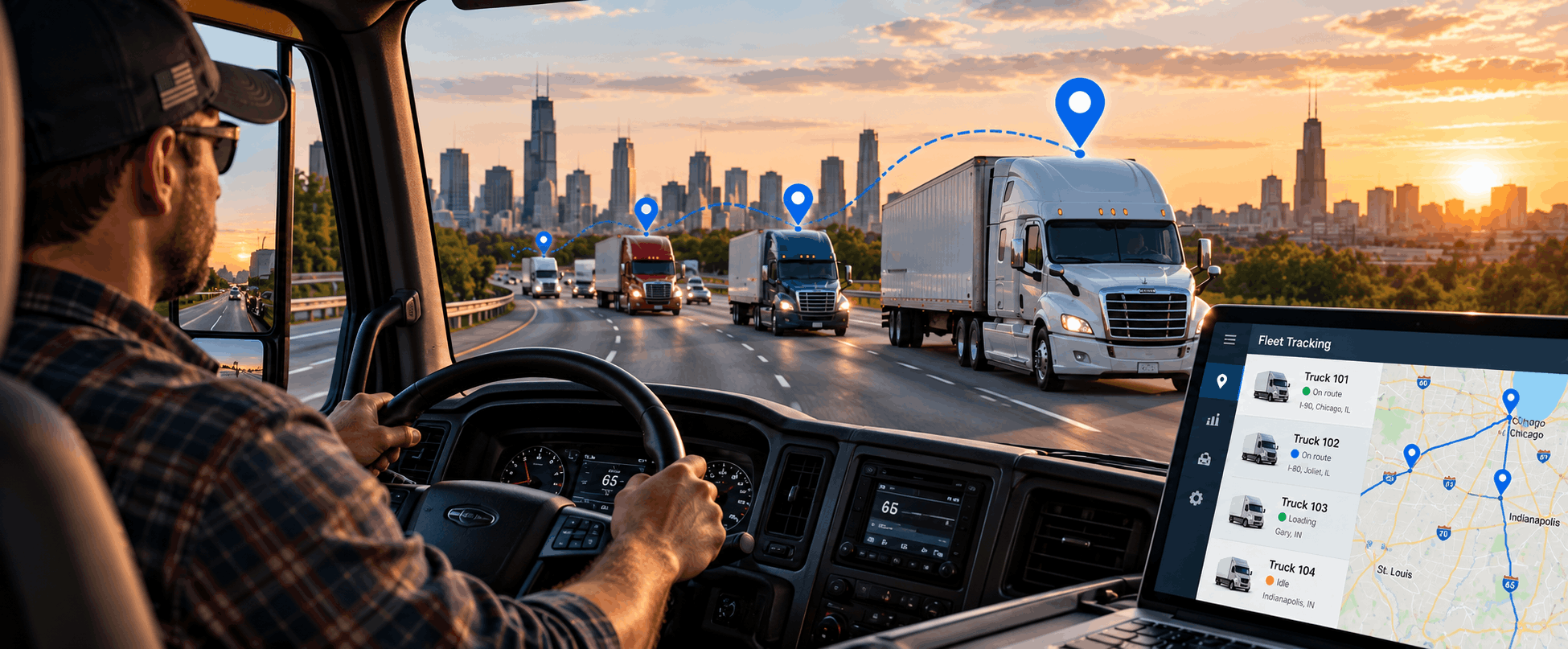
- Dispatchers monitor vehicles on a digital map.
- The system records routes, stops, and movement history.
- Fleet managers analyze reports and receive alerts.
GPS Vehicle Tracking vs. Shipment Tracking
Vehicle tracking identifies the location of a truck, while shipment tracking monitors specific cargo.
When trailers are exchanged or shipments move between vehicles, additional technologies may be required, including trailer trackers, cargo sensors, and transportation management system integrations.
Essential GPS Tracking Features for Freight Operations
Modern GPS platforms combine several tools that support daily transportation management.
| Feature | Application | Benefit |
|---|---|---|
| Real-time GPS | Monitor truck positions | Better visibility |
| Geofencing | Track warehouse arrivals | Automated notifications |
| Route history | Analyze vehicle movements | Better route planning |
| Idle monitoring | Identify excessive idling | Fuel cost control |
| Trailer tracking | Locate transportation assets | Improved utilization |
| GPS alerts | Detect unusual movement | Faster response |
| Fleet reporting | Analyze operating activity | Better decisions |
Real-Time Vehicle Monitoring
Dispatchers can locate trucks, monitor active routes, and identify vehicles available for additional assignments.
Geofencing and Automated Alerts
Virtual boundaries around warehouses, distribution centers, and customer facilities help track vehicle arrivals and departures.
Route History and Reporting
Historical data allows managers to review completed trips, mileage, stopping patterns, and route deviations.
Trailer and Asset Tracking
Dedicated trackers can provide visibility into trailers and equipment even when they are disconnected from tractors.
7 Benefits of GPS Solutions for Freight Companies
1. Improved Freight Visibility
Real-time tracking helps dispatchers monitor vehicle locations and shipment progress without relying exclusively on driver calls.
2. More Efficient Dispatching
Location data helps identify nearby vehicles and evaluate new load assignments based on availability, equipment, and driver requirements.
3. More Accurate Delivery ETAs
GPS information supports delivery estimates and helps dispatchers notify customers about potential delays.
4. Reduced Transportation Costs
Tracking reports can reveal unnecessary mileage, inefficient routes, excessive idling, and underutilized equipment.
5. Better Fleet Security
Geofencing and unauthorized movement alerts support vehicle monitoring and incident investigations. However, tracking cannot guarantee theft prevention.
6. Higher Driver Productivity
Automated location updates reduce repetitive check-ins and improve coordination between drivers and dispatchers.
7. Improved Customer Service
Reliable shipment updates help logistics companies respond faster to customer inquiries and manage delivery expectations.
How GPS Tracking Improves Freight Dispatching
Dispatchers must continuously coordinate available trucks, active loads, driver schedules, and delivery appointments.
GPS tracking simplifies this process by providing centralized vehicle information.
Finding Suitable Trucks
Fleet managers can identify vehicles near a pickup location and evaluate available capacity, equipment, and driver Hours of Service.
Reducing Empty Miles
Real-time visibility helps dispatchers identify nearby load opportunities and potentially reduce unnecessary repositioning.
Responding to Delays
Traffic congestion, equipment problems, and loading delays can disrupt transportation schedules. GPS updates help dispatchers recognize problems and adjust plans.
For example, when a customer requests an urgent pickup, a dispatcher can locate nearby trucks and assign an available vehicle without contacting every driver individually.
GPS Tracking for Shipment Visibility and Delivery Management
Shipment visibility is particularly important for logistics companies managing multiple pickups, transfers, and deliveries.
Monitoring Freight Movements
GPS tracking helps dispatchers follow vehicles between transportation facilities and customer locations.
Automated Delivery Updates
Geofencing can generate arrival and departure notifications when vehicles enter or leave designated areas.
Improving Delivery Planning
Vehicle locations combined with routing information help estimate arrival times and identify possible delays.
Monitoring Detention and Dwell Time
GPS records can help measure how long trucks remain at loading and unloading facilities.
This information supports operational analysis, although contractual detention charges require additional documentation.
GPS Fleet Tracking for Cargo Security
Cargo theft and unauthorized equipment movement remain important concerns for transportation companies.
GPS monitoring supports security procedures through location tracking, movement notifications, and historical reporting.
Key Security Applications
- Geofencing: Detect movement around authorized facilities.
- Unauthorized movement alerts: Identify unexpected vehicle activity.
- Trailer monitoring: Track disconnected or parked equipment.
- Historical tracking: Review routes and vehicle locations during investigations.
GPS technology supports security monitoring but does not replace physical security measures or guarantee asset recovery.
GPS Tracking, ELD Compliance, and Telematics
GPS tracking and electronic logging devices perform related but different functions.
GPS systems provide operational visibility, while compliant ELDs record information required for applicable Hours of Service regulations.
GPS and ELD Integration
Connected systems may allow dispatchers to monitor truck positions alongside driver duty-status information.
This helps improve scheduling and load assignments.
Hours of Service Planning
Access to driver availability information helps dispatchers evaluate whether planned trips fit within legal driving limits.
Vehicle Diagnostics
Additional telematics equipment can provide engine hours, fault codes, and other information useful for maintenance planning.
Important: Standard GPS tracking does not automatically satisfy FMCSA ELD requirements. Companies must use compliant electronic logging systems when required.
How GPS Tracking Helps Reduce Logistics Costs
GPS technology helps identify operational inefficiencies that contribute to higher transportation expenses.
Reducing Unnecessary Mileage
Route reports reveal inefficient routes and repeated deviations.
Controlling Idle Time
Connected engine data can help managers identify excessive idling and opportunities to reduce fuel consumption.
Improving Equipment Utilization
Tracking information helps identify trucks and trailers that remain inactive for extended periods.
Reducing Administrative Work
Automated location updates reduce manual tracking and repetitive shipment status inquiries.
Important Fleet Performance KPIs
| KPI | Measurement | Goal |
|---|---|---|
| Cost per mile | Operating costs / miles | Improve efficiency |
| Empty miles | Non-revenue miles / total miles | Reduce waste |
| Idle time | Engine idle hours | Control fuel costs |
| On-time delivery | Deliveries completed on schedule | Improve reliability |
| Trailer utilization | Equipment activity | Improve asset usage |
| Dwell time | Time at customer facilities | Identify delays |
Tracking improvements against historical baselines helps companies evaluate the actual benefits of GPS technology.
GPS Solutions for Different Freight Operations
Long-Haul Trucking
GPS systems support interstate vehicle monitoring, route visibility, and driver coordination.
Regional Freight Carriers
Regional fleets benefit from tracking multiple daily stops, monitoring delivery schedules, and automating arrival notifications.
Third-Party Logistics Providers
3PL companies may combine tracking information from several carriers to improve shipment visibility.
Dedicated Contract Carriers
GPS reporting helps monitor recurring routes, service consistency, and customer delivery performance.
Trailer-Heavy Fleets
Separate trailer tracking improves visibility into parked, disconnected, and underutilized assets.
How to Choose GPS Tracking Software for Logistics
Before selecting a tracking platform, companies should evaluate its ability to support existing operations and future growth.
Important Selection Criteria
- Tracking reliability: GPS accuracy, update frequency, and connectivity.
- System integrations: Compatibility with ELD, dispatch, TMS, and maintenance platforms.
- Reporting: Route history, mileage, geofencing, and operational analytics.
- Ease of use: Clear dashboards for dispatchers and managers.
- Scalability: Support for additional vehicles and locations.
- Pricing: Hardware, installation, subscription, and integration expenses.
- Customer support: Onboarding, training, and technical assistance.
Testing software with real fleet scenarios helps confirm whether it meets operational requirements.
How EZLOGZ Supports Freight and Logistics Companies
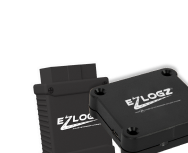
EZLOGZ offers GPS tracking, ELD technology, and fleet management solutions for commercial trucking operations.
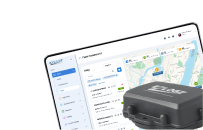
Its GPS tracking capabilities support vehicle monitoring, route analysis, geofencing, and operational reporting.
Real-Time Fleet Visibility
EZLOGZ helps fleet managers monitor vehicle locations and movements through connected tracking tools.
Route Monitoring and Reporting
Historical route information supports transportation analysis and dispatch coordination.
Geofencing and Alerts
Location-based notifications help companies monitor activity around warehouses, terminals, and other important locations.
Connected ELD Solutions
EZLOGZ also provides ELD technology for electronic logging and trucking compliance workflows.
Combining tracking and ELD information can help transportation companies manage daily operations more efficiently.
Specific product capabilities and integrations should be confirmed before implementation.
The Future of GPS Tracking in Logistics
GPS fleet technology is evolving toward more connected and predictive transportation management.
AI-Powered Delivery Predictions
AI analytics may improve ETA forecasting by combining location, traffic, and historical transportation data.
Integrated Logistics Platforms
GPS information is increasingly connected with dispatch, shipment management, and customer communication systems.
Predictive Maintenance
Vehicle diagnostics combined with operating data can help identify potential maintenance problems.
Automated Exception Monitoring
Advanced systems may identify unusual stops, route deviations, and delivery delays requiring attention.
These capabilities support more proactive logistics management while keeping operational decisions under human supervision.
FAQ:
What are GPS solutions for freight and logistics companies?
GPS solutions help transportation businesses monitor commercial vehicles, review routes, receive alerts, and analyze operational performance through centralized tracking software.
How does GPS tracking improve freight transportation?
It improves vehicle visibility, dispatch coordination, delivery planning, and communication between drivers, managers, and customers.
Can GPS tracking reduce logistics costs?
Yes, potentially. GPS reports help identify excessive idling, unnecessary mileage, inefficient routing, and underutilized equipment. Actual savings depend on operational improvements.
How do logistics companies track shipments?
Companies use vehicle GPS tracking, trailer tracking, shipment identifiers, and transportation management software to monitor freight movements.
What is the difference between truck and trailer tracking?
Truck tracking monitors the vehicle, while trailer tracking follows equipment independently, including when trailers are disconnected.
Can GPS improve delivery ETA accuracy?
Yes. Real-time vehicle locations combined with traffic and routing information can support more accurate arrival estimates.
Does GPS tracking replace ELD compliance?
No. General GPS tracking does not automatically satisfy FMCSA ELD requirements. Compliant ELD systems must be used when applicable.
Does EZLOGZ offer GPS solutions for logistics companies?
Yes. EZLOGZ provides commercial vehicle GPS tracking, ELD solutions, and fleet management technologies for trucking and logistics operations.
Improve Freight Visibility With EZLOGZ
GPS tracking has become an important tool for freight and logistics companies seeking better transportation visibility and operational control.
Real-time vehicle monitoring, route reports, geofencing, and automated alerts help dispatchers coordinate shipments and respond to delays.
Connected fleet management systems can also identify opportunities to reduce operating expenses, improve equipment utilization, and provide more reliable customer service.
EZLOGZ offers GPS tracking and fleet management solutions designed to support commercial trucking businesses.
Companies can explore EZLOGZ tracking capabilities and request a demonstration to evaluate suitable solutions for their transportation operations.



Comments