


A refrigerated shipment can meet its mileage target and still arrive in poor condition. A missed loading appointment, an unplanned roadside stop, or an unnoticed refrigeration-unit problem may threaten food, pharmaceuticals, and other temperature-sensitive freight. For fleet managers, knowing where a truck is represents only one part of maintaining a dependable cold chain.
GPS tracking for refrigerated transport fleets connects location history, arrival events, and trip progress to daily dispatch decisions. When paired with compatible temperature sensors and reefer-unit telematics, it can also help operators recognize shipment exceptions and coordinate a response before an isolated problem disrupts an entire route. The goal is not simply to track vehicles; it is to manage time, equipment, cargo requirements, and communication together.
Why GPS Tracking Matters for Refrigerated Transportation
The Operational Pressure Behind Cold-Chain Deliveries
Reefer fleets balance scheduled loading slots, varying product temperature specifications, multiple trailer handoffs, and strict receiving windows. One delayed vehicle can create more than a late ETA: a receiving dock may become unavailable, a replacement tractor may be needed, and the driver may have to wait with the refrigeration unit running. Tracking records make these events easier to investigate and address.
GPS Location Is Not a Temperature Reading
A GPS device determines where a vehicle or trailer is located. Temperature monitoring requires dedicated sensors or data from a compatible refrigeration controller; a live map alone cannot show whether produce or medicine remained within its specified range. An integrated workflow links shipment identifiers, location events, temperature readings, and responsible personnel, without confusing one source of evidence for another.
Detached Trailers Need Their Own Visibility
If a trailer is dropped at a yard, tractor-based tracking follows the tractor rather than the cargo. Dedicated trailer trackers help teams locate unpowered or detached reefers. Managers should check device battery endurance, placement, reporting frequency, and what happens when network coverage is unavailable.
| Technology | What it measures | Fleet decision |
| Truck GPS | Vehicle position, trip and stops | Find the truck and anticipate arrival |
| Trailer tracker | Independent trailer location | Locate a dropped reefer |
| Temperature sensor | Cargo-area readings | Investigate a temperature excursion |
| Reefer-unit integration | Selected unit status and faults | Escalate a refrigeration alert |
| Geofencing | Entry and exit at facilities | Measure appointment and dwell times |
8 Ways GPS Tracking Improves Refrigerated Fleet Operations
1. Provide More Reliable Shipment Location Visibility
Dispatchers can see whether a refrigerated shipment is moving as expected, where it last stopped, and which vehicle is closest to a receiving location. That visibility supports proactive customer updates instead of repeated driver calls. A location feed is particularly useful when a shipment travels between several distribution centers.
2. Connect Route Delays With Temperature Risk
Traffic, road closures, and extended dock queues can increase the time goods spend in transit. GPS information identifies where a delay occurred; connected temperature sensors indicate whether the cargo environment has also changed. Combining the two helps teams prioritize urgent exceptions rather than treating every delayed truck as an identical problem.
3. Respond Faster to Reefer Equipment Alerts
A refrigeration-unit fault can demand a quick, coordinated decision. Where supported equipment sends alarm information, managers can compare the alarm with vehicle location and identify an appropriate service point or alternate trailer. GPS tracking does not itself detect a mechanical failure, and response procedures should always follow product handling requirements.
4. Improve Perishable Freight Route Planning
Time-sensitive freight benefits from routes that account for safe truck access, receiving appointments, weather, traffic, and driver hours. Historical trip information can reveal recurring slowdowns or long facility waits. Managers can use those patterns to adjust departure windows and coordinate the next appointment more realistically.
5. Review Fuel Use Without Confusing Truck and Reefer Runtime
Tractor idling, detours, and unnecessary repositioning may waste fuel. Yet refrigeration units sometimes must continue operating while a truck is stationary to protect cargo. An effective fuel review separates avoidable tractor behavior from necessary temperature-control operations, using compatible engine and reefer data where available.
6. Make Trailer Handoffs More Accountable
A tractor and its refrigerated trailer do not always stay together. Trailer-specific location history and yard geofences can reduce time spent searching for equipment and help confirm where assets were handed off. Shipment records should also show which trailer, driver, and load were associated at each stage.
7. Strengthen Incident Records and Customer Communication
When a delivery arrives late or cargo quality is questioned, trip history can establish stops, timestamps, and route progress. If temperature logs were collected, managers can review them alongside the location timeline. These records support investigation but do not replace required inspections, validated temperature measurements, or contractual evidence.
8. Improve Dispatch Coordination at Cold Storage Facilities
Automated geofence events can show when a truck enters or leaves a cold storage site. Comparing those events with scheduled appointments highlights recurring detention and staging problems. Dispatchers can refine future assignments using evidence from actual facility dwell times.
Choosing and Implementing a Refrigerated Fleet Tracking System
Start With the Right Hardware and Alerts
Evaluate truck GPS coverage, independent trailer trackers, battery performance, historical reports, geofencing, and the availability of suitable temperature or refrigeration-controller integrations. The appropriate sensors depend on cargo type and required monitoring practices. Configure alert thresholds and escalation contacts with the shipper’s documented requirements in mind.
Use an Illustrative 15-Truck Business Case
Suppose a 15-truck reefer fleet identifies $900 per month in avoidable administrative time, $600 in unnecessary repositioning, and $500 in preventable coordination expenses. That is a hypothetical $2,000 gross monthly opportunity, not a promised reduction in cargo losses. If equipment and service cost $750 per month, the illustrative net benefit would be $1,250 before installation and other one-time costs.
Create a Repeatable Exception Workflow
Assign responsibility for reviewing temperature alarms, route deviations, and overdue arrivals. Test how alerts reach dispatchers outside normal office hours. Review exception frequency monthly and separate equipment faults, communication gaps, and facility-related delays so each problem receives the right corrective action.
Where Ezlogz Fits
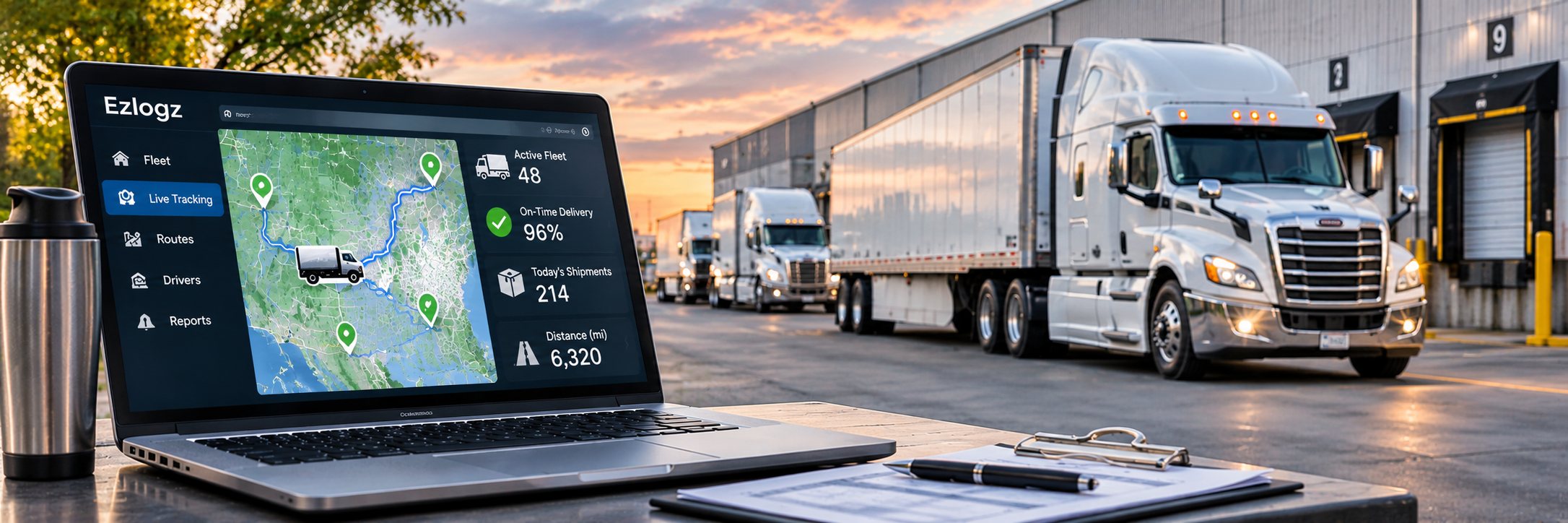
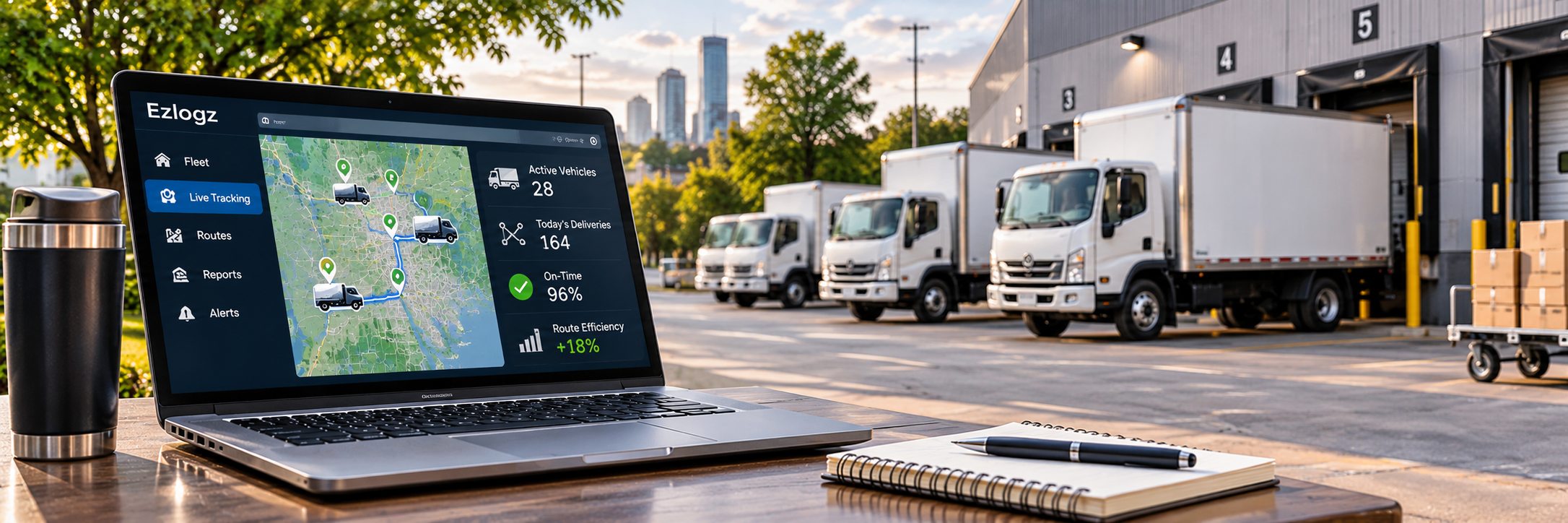
Ezlogz describes GPS location visibility, geofencing, route monitoring, and fleet reporting. These capabilities can help refrigerated carriers coordinate their trucks and track arrival activity. Businesses requiring cargo-temperature or reefer-controller data should confirm hardware compatibility, integrations, and data retention before selecting a solution.
| Requirement | What to verify |
| Independent trailer location | Tracker behavior after tractor disconnect |
| Temperature monitoring | Compatible sensors, placement and calibration |
| Alerts | Thresholds, escalation, offline delivery |
| Historical records | Retention and export for shipment reviews |
| Network coverage | Buffering and reporting in weak coverage |
| Geofences | Cold storage and customer site events |
A Practical Cold-Chain Monitoring Workflow
Before Dispatch: Confirm What Must Be Monitored
The dispatcher should associate each load with a truck, trailer, delivery appointment, and the required handling instructions. Drivers and warehouse personnel should confirm reefer settings using their normal procedures. GPS and temperature-monitoring devices must be checked before departure so a lost signal is not mistaken for normal freight activity.
During Transit: Separate Delay Alerts From Cargo Alerts
A truck that is forty minutes behind schedule may need a customer ETA update; a temperature alarm may call for immediate operational escalation. These are different event types. A useful exception policy defines which alerts trigger a driver call, when reefer service is arranged, and who is authorized to approve a trailer or load transfer.
After Delivery: Review the Full Timeline
Review planned versus actual arrival, total facility dwell time, route deviations, and equipment-related exceptions. If the route is repeatedly late at one terminal, scheduling changes may be more effective than a new tracker. If temperature alerts recur in the same trailer, the equipment requires inspection rather than better route planning.
FAQ
It is vehicle or trailer location monitoring used to coordinate temperature-controlled shipments. It helps teams review routes, stops, and arrival times.
Not by location tracking alone. Cargo temperature requires compatible sensors or refrigeration-unit data.
It reveals route progress and delays. When integrated with temperature data, it helps operators investigate exceptions earlier.
Tracking can improve awareness and response, but it cannot guarantee cargo quality or prevent every refrigeration malfunction.
Often yes, particularly when trailers are frequently detached or exchanged between tractors.
Yes. Entry and exit events can support appointment coordination and dwell-time reporting.
No. Refrigeration-related engine or unit runtime may be necessary to maintain the required cargo environment.
Devices may store records and transmit them later, depending on their capabilities. Live updates can be delayed.
Useful KPIs include on-time arrival, facility dwell time, empty miles, reefer exceptions, and time to respond to alerts.
Verify tracking coverage, trailer hardware, sensor compatibility, useful alerts, reporting, and total ownership cost.
Explore Ezlogz commercial GPS tracking solutions: https://ezlogz.com/gps-asset-tracking/




Comments