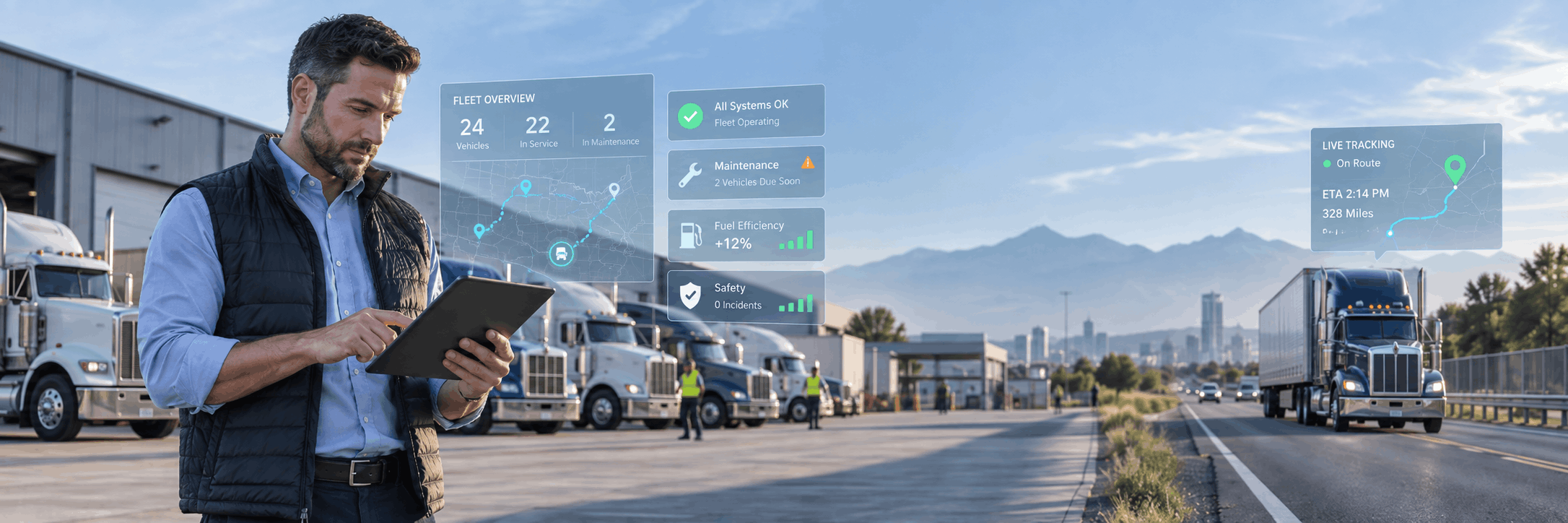


Customer satisfaction depends on more than product or service quality. For transportation, delivery, and field service companies, the customer experience is also shaped by punctuality, communication, reliability, and transparency.
Customers want to know when a delivery will arrive, whether a driver is running late, and how quickly a company can respond to a service request. When businesses cannot provide accurate answers, customers may experience frustration even if the delivery or service is eventually completed.
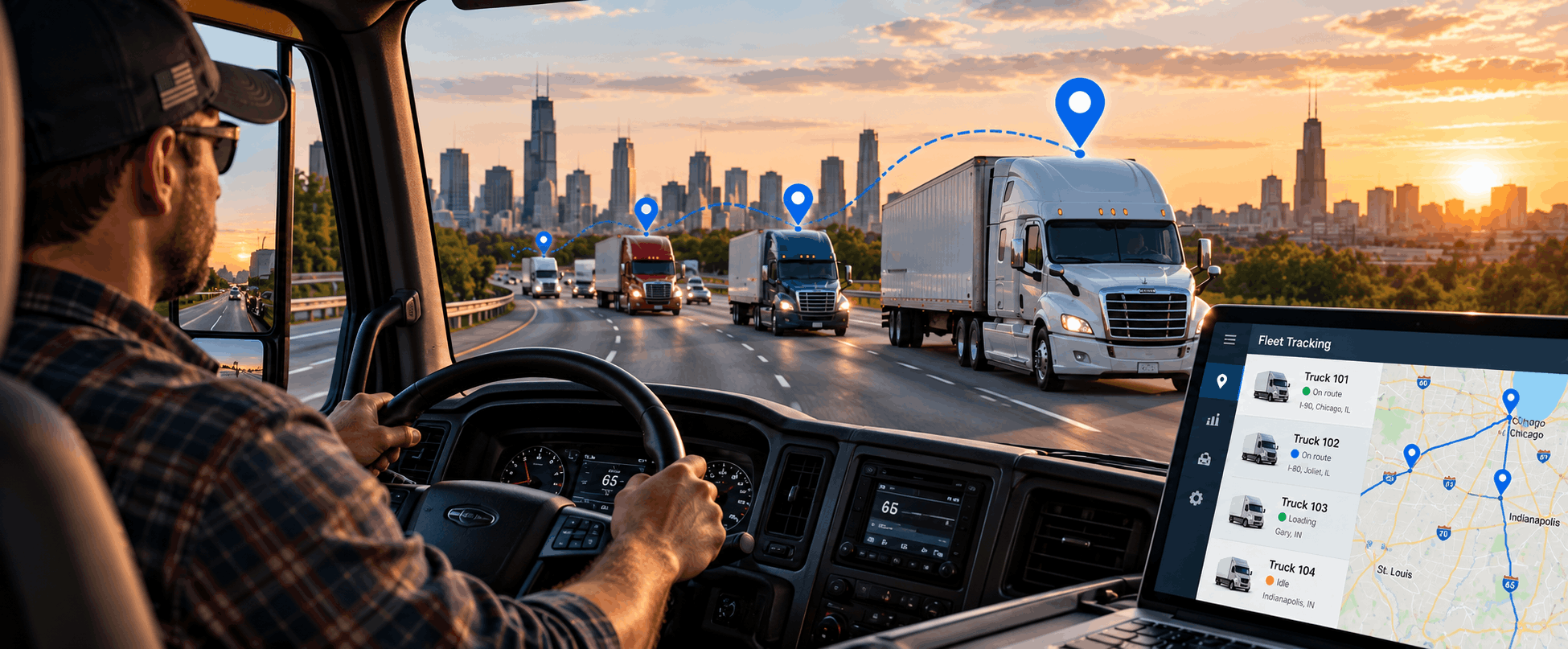
GPS fleet tracking helps eliminate this uncertainty. By providing real-time vehicle locations and operational data, GPS tracking allows companies to calculate more accurate arrival times, optimize routes, respond to delays, and communicate proactively with customers.
Modern GPS technology is therefore not simply a vehicle-monitoring tool. It is an important part of delivering a consistent, transparent, and customer-focused service experience.
Why Customer Satisfaction Depends on Fleet Performance
Every interaction between a fleet and a customer influences how the company is perceived. A delayed delivery, missed appointment, or vague status update can weaken customer confidence. Conversely, an accurate arrival window and timely notification can make the service feel organized and dependable.
Customer expectations are especially high in industries such as:
- Freight transportation
- Last-mile delivery
- Home services
- Construction
- Equipment rental
- Passenger transportation
- Utilities and maintenance
- Mobile healthcare
- Roadside assistance
In these sectors, fleet performance and customer service are closely connected. Drivers and vehicles represent the company at the point of delivery, installation, repair, or pickup.
Without fleet visibility, dispatchers often need to call drivers to determine their locations. Customer service representatives may provide estimates based on incomplete information. Managers may not learn about a delay until the customer submits a complaint.
GPS tracking changes this process by giving authorized employees a centralized view of fleet activity. This visibility allows businesses to manage customer expectations more effectively and address problems before they become serious service failures.
What Is GPS Fleet Tracking?
GPS fleet tracking uses satellite positioning, vehicle-mounted tracking devices, wireless communication, and cloud-based software to monitor commercial vehicles.
A GPS device identifies the vehicle’s location and transmits that information to a fleet management platform. Dispatchers and managers can then view the vehicle on a digital map and access relevant operational data.
Depending on the system, available information may include:
- Current vehicle location
- Direction and speed
- Route history
- Arrival and departure times
- Stops and idle periods
- Geofence activity
- Vehicle status
- Driver behavior events
- Mileage and engine hours
- Estimated time of arrival
Basic tracking systems primarily display vehicle locations. More advanced fleet management platforms connect GPS data with dispatching, maintenance, driver management, reporting, safety, and compliance tools.
This integration is important because location data alone does not improve the customer experience. The business must be able to use that information to make better operational decisions.
How GPS Tracking Improves Customer Satisfaction
More Accurate Estimated Times of Arrival
An inaccurate arrival time creates unnecessary frustration. Customers may rearrange their schedules, wait at a delivery location, or delay other activities based on the information the company provides.
GPS tracking allows dispatchers to calculate arrival times using the vehicle’s actual location and route progress. When tracking is combined with traffic and routing data, the system can account for congestion, road closures, and other conditions that may affect the journey.
More accurate ETAs help customers plan their time and reduce uncertainty. Even when a delay occurs, customers are generally better prepared when they receive reliable information in advance.
Proactive Customer Updates
Without GPS visibility, businesses often communicate reactively. The customer calls first, and the company then attempts to locate the driver.
A GPS-enabled fleet can reverse this process. Dispatchers can identify a delay and notify the customer before the original arrival window has passed.
Businesses can provide updates when:
- A driver has been dispatched.
- A vehicle is approaching the destination.
- Traffic has caused a delay.
- A delivery has been completed.
- A service appointment has been rescheduled.
- A vehicle has entered a defined service area.
Proactive communication demonstrates professionalism and respect for the customer’s time. It can also reduce the number of “Where is my driver?” calls customer service teams receive.
Faster Response Times
GPS tracking allows dispatchers to identify the closest suitable vehicle for an urgent request. Instead of assigning a job based only on a planned schedule, the dispatcher can consider each vehicle’s real-time position and availability.
This capability is particularly valuable for roadside assistance, emergency maintenance, utilities, repair services, and time-sensitive deliveries.
Assigning the nearest available driver can reduce travel time and help the company respond to customers more quickly. It also limits unnecessary mileage and allows the fleet to complete more jobs with existing resources.
Better Route Planning
Poor routing can result in longer delivery times, missed appointments, excessive fuel consumption, and inconsistent service.
GPS tracking provides current and historical route data that managers can use to identify inefficient travel patterns. Dispatchers can redirect vehicles when congestion, weather, construction, or schedule changes affect the original route.
Better routing can help fleets:
- Avoid unnecessary mileage
- Reduce time spent in traffic.
- Improve schedule reliability
- Complete more stops per shift.
- Respond more effectively to new requests.
- Reduce driver stress
Customers benefit from shorter wait times and more dependable service.
More Reliable Delivery and Appointment Windows
Many businesses provide broad service windows because they lack detailed information about route progress and previous job duration. Customers may be required to wait several hours without knowing when the driver will arrive.
Real-time tracking and historical trip data support more realistic scheduling. Managers can analyze how long particular routes, stops, and service tasks normally take.
This information makes it possible to create arrival windows based on operational evidence rather than assumptions. More reliable scheduling can reduce late arrivals and improve overall service convenience.
Fewer Missed Deliveries and Appointments
A delivery may fail even when the vehicle arrives on time if the customer is not available. GPS-based notifications can inform customers when a driver is approaching, giving them time to prepare.
For field service companies, this may mean ensuring that someone is available to provide access to a property. For delivery businesses, it may mean preparing a receiving area or arranging for authorized personnel to accept the shipment.
Timely notifications help reduce failed delivery attempts, rescheduled appointments, and repeated trips. This improves customer satisfaction while lowering operating costs.
Greater Service Transparency
Customers value visibility because it reduces uncertainty. GPS tracking provides an objective record of where a vehicle traveled and when it arrived at or departed from a location.
Depending on the platform and company policy, fleet records may be used to confirm:
- Driver arrival time
- Delivery completion time
- Duration of a service visit
- Route taken
- Stops made during a trip
- Entry into or exit from a customer location
This transparency helps customers feel more confident in the service. It also supports accountability throughout the organization.
Faster Resolution of Customer Disputes
Disagreements may occur over late arrivals, missed deliveries, incomplete work, or time spent at a customer location. Without objective records, resolving these disputes can be difficult.
GPS trip history and timestamp data allow managers to investigate what occurred. The company can determine when the vehicle reached the destination, how long it remained there, and what route the driver followed.
This information does not replace direct communication with the customer, but it gives customer service teams a factual basis for resolving complaints. Faster and more accurate investigations can prevent minor issues from developing into prolonged disputes.
Safer and More Professional Driving
The driver’s behavior on the road affects both safety and brand reputation. A vehicle displaying a company name may be seen by hundreds of potential customers each day.
Modern fleet platforms can monitor events such as:
- Speeding
- Harsh braking
- Rapid acceleration
- Sharp cornering
- Excessive idling
- Unauthorized vehicle use
Managers can use this information to identify coaching opportunities and reinforce safe driving policies. Safer behavior protects drivers, customers, cargo, vehicles, and the public.
Professional driving also strengthens the company’s image. Customers are more likely to trust a business whose vehicles are operated safely and responsibly.
Fewer Breakdowns and Service Interruptions
Unexpected breakdowns can delay deliveries, interrupt service schedules, and leave customers waiting without clear answers.
GPS fleet data may include mileage, engine hours, and vehicle utilization information. These records allow managers to schedule maintenance according to actual vehicle use instead of relying exclusively on fixed calendar intervals.
Preventive maintenance can reduce:
- Unexpected roadside failures
- Missed customer appointments
- Delivery delays
- Emergency repair costs
- Vehicle downtime
- Schedule disruptions
A well-maintained fleet provides more consistent service and makes it easier for the business to meet customer commitments.
Better Cargo and Vehicle Security
Customers expect companies to protect their shipments and equipment. GPS tracking improves security by helping managers identify unauthorized vehicle movement and unusual route activity.
Geofences can be created around warehouses, customer locations, service territories, or restricted areas. The system may notify managers when a vehicle enters or leaves one of these locations.
If a vehicle is stolen, real-time location data can support a faster response and increase the possibility of recovery. Improved security protects business assets while giving customers greater confidence in how their goods are handled.
How GPS Tracking Builds Customer Trust
Customer trust develops through consistent performance. A single successful delivery may create a positive impression, but long-term loyalty depends on the company repeatedly meeting its commitments.
GPS tracking supports this consistency by helping businesses replace estimates and assumptions with verifiable information.
When a customer asks about a delivery, a representative can provide an answer based on the vehicle’s actual progress. When a delay occurs, the company can explain the situation and offer an updated arrival time. When a complaint is submitted, managers can review the route history instead of relying entirely on memory.
This transparency makes the business appear more organized and accountable. Over time, reliable service can contribute to:
- Stronger customer retention
- Better online reviews
- More referrals
- Fewer complaints
- Higher renewal rates
- Improved brand reputation
- More predictable customer relationships
GPS tracking cannot replace courteous communication or high-quality service. However, it gives employees the information they need to communicate more effectively and fulfill customer expectations more consistently.
GPS Tracking Use Cases Across Industries
Trucking and Freight Transportation
Commercial trucking companies use GPS tracking to monitor shipment progress, calculate arrival times, improve dispatch coordination, and protect cargo.
Accurate location information allows carriers to provide shippers and receivers with timely updates. It can also help distribution centers prepare loading docks and personnel before a truck arrives.
Last-Mile Delivery
Last-mile delivery operations frequently manage high stop volumes, narrow delivery windows, and changing traffic conditions.
GPS tracking helps dispatchers optimize routes, monitor completion progress, and notify customers when a driver is approaching. These capabilities can reduce failed deliveries and improve the delivery experience.
Field Service Companies
Plumbing, electrical, HVAC, telecommunications, and maintenance companies can use real-time tracking to assign the closest qualified technician.
Customers receive more accurate appointment information, while dispatchers can adjust schedules when a previous job takes longer than expected.
Construction and Equipment Fleets
Construction companies depend on the timely movement of materials, machinery, and service vehicles. GPS tracking improves coordination between project managers, drivers, suppliers, and job sites.
Asset visibility can prevent delays caused by misplaced equipment or late deliveries.
Passenger Transportation
Bus, shuttle, and other passenger transportation services can use GPS data to improve schedule accuracy and provide passengers with better arrival information.
Real-time visibility also supports route management, vehicle security, and faster responses to service disruptions.
How GPS Tracking Supports Customer Service Teams
Customer service representatives often depend on information from dispatchers and drivers. If that information is delayed or incomplete, the representative may be unable to answer even a simple customer question.
A centralized fleet management platform gives authorized employees access to consistent operational data. Customer service teams can check a vehicle’s location, review its route history, and confirm its current status without repeatedly contacting the driver.
This provides three significant benefits.
First, representatives can answer questions faster. Second, drivers experience fewer distracting calls while operating a vehicle. Third, dispatchers can focus on managing fleet operations instead of responding to routine location requests.
Fleet reports also help customer service managers identify recurring problems. If complaints are concentrated around a particular route, location, driver schedule, or time of day, the company can investigate the operational cause and implement a targeted solution.
Customer Service Metrics GPS Tracking Can Improve
Businesses should evaluate the effect of GPS tracking using measurable performance indicators.
| Customer service metric | How GPS tracking contributes |
| On-time delivery rate | Provides route visibility and supports timely rerouting |
| ETA accuracy | Uses actual vehicle location and trip progress |
| Customer response time | Gives service teams immediate access to fleet status |
| Missed appointment rate | Supports accurate scheduling and arrival notifications |
| Customer inquiry volume | Reduces routine status calls through proactive updates |
| Complaint resolution time | Provides route history and timestamp records |
| SLA compliance | Documents arrival, departure, and service activity |
| Customer retention | Supports reliable and transparent service |
| First-attempt delivery rate | Helps customers prepare for an approaching delivery |
Measure these metrics before and after implementation. Establishing a baseline makes it easier to determine whether the technology is producing meaningful operational and customer-service improvements.
Best Practices for Improving Customer Experience with GPS Tracking
Connect GPS Tracking with Dispatch Operations
Location data should be part of the company’s daily scheduling and dispatch process. Dispatchers need clear procedures for responding to delays, reassigning vehicles, and updating customers.
Create Useful Customer Notifications
Notifications should provide valuable information without overwhelming the customer. Common updates include dispatch confirmation, approaching arrival, delay notification, revised ETA, and job completion.
Set Realistic Arrival Windows
Businesses should avoid promising arrival times that the fleet cannot consistently achieve. Historical route and service data can help managers establish practical appointment windows.
Train Drivers and Employees
Dispatchers, customer service representatives, managers, and drivers should understand how GPS information supports their responsibilities. Training should also explain when and how customers should receive updates.
Establish Privacy and Data Security Policies
GPS tracking must be implemented responsibly. Businesses should define who can access tracking data, how long records are retained, and how the information may be used.
Drivers should receive clear information about company tracking policies. Limit access to customer and vehicle data to authorized personnel.
Review Performance Regularly
GPS tracking delivers the greatest value when companies use the collected data to improve operations. Managers should regularly review delayed routes, idle time, missed appointments, ETA accuracy, customer complaints, and vehicle utilization.
Measuring Customer Satisfaction After Implementation
The first step is to document current performance. Before implementing or expanding GPS tracking, businesses should record:
- On-time delivery percentage
- Average delay duration
- Number of missed appointments
- Customer status inquiries
- Complaint volume
- Complaint resolution time
- Customer satisfaction scores
- Customer retention rates
After implementation, managers can compare the same metrics over a defined period. They should also collect direct customer feedback through surveys, reviews, follow-up calls, or post-service messages.
Operational data explains what happened, while customer feedback explains how the experience was perceived. Using both sources provides a more complete picture of performance.
How EZLOGZ Helps Fleets Deliver Better Customer Service
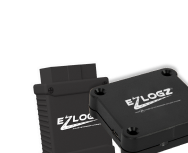
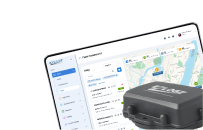
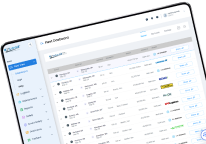
EZLOGZ provides commercial fleets with real-time vehicle visibility and integrated fleet management capabilities. Through the EZLOGZ real-time fleet tracking and monitoring system, managers can monitor vehicle locations, review fleet activity, and make informed dispatch decisions.
Real-time tracking helps businesses provide more accurate ETAs and communicate more effectively when routes or schedules change. Dispatchers can respond to traffic conditions, urgent requests, and unexpected delays without relying exclusively on phone calls and manual updates.
EZLOGZ also connects GPS visibility with broader fleet management functions. Integrating tracking with ELD, maintenance, safety, compliance, dispatch, and analytics tools gives managers a more complete understanding of daily operations.
This integrated approach helps fleets improve service reliability while reducing operational uncertainty. Whether a company manages a small local fleet or a growing commercial transportation operation, centralized fleet data can support a more consistent customer experience.
GPS tracking improves customer satisfaction by making fleet operations more visible, predictable, and responsive.
Real-time location data helps businesses provide accurate arrival estimates, optimize routes, send proactive notifications, respond faster to customer requests, and resolve disputes using objective records. Tracking data also supports safer driving, preventive maintenance, vehicle security, and more dependable scheduling.
The result is not simply better fleet management. It is a customer experience built around transparency, reliability, and respect for the customer’s time.
For the greatest impact, GPS tracking should be integrated with dispatching, maintenance, driver management, compliance, and fleet analytics. When the entire organization works from accurate operational data, customers receive faster answers and more consistent service.
FAQ:
GPS tracking gives dispatchers and customer service teams real-time information about vehicle locations and route progress. This allows them to provide accurate ETAs, communicate delays, answer customer questions, and respond more quickly to service requests.
GPS tracking can improve ETA accuracy by using the vehicle’s current location and route progress. When combined with traffic and routing data, the system can also account for congestion, road closures, and changing road conditions.
Yes. Businesses can use GPS data to notify customers when a driver is approaching. Advance notifications give customers time to prepare for the delivery and can improve first-attempt delivery rates.
Route optimization helps drivers avoid inefficient routes and unnecessary delays. Customers benefit from shorter waiting times, more reliable arrival windows, and fewer schedule disruptions.
Route history, geofence activity, and arrival timestamps can help a business verify when a vehicle reached a location and how long it remained there. These records give customer service teams objective information for investigating disputes.
Yes. Small fleets can use GPS tracking to improve dispatching, reduce status calls, provide accurate arrival information, and manage vehicles more efficiently. The technology can also support future growth.
Security depends on the technology provider and the company’s internal policies. Businesses should choose a platform with appropriate security protections and limit access to tracking data to authorized personnel.
GPS tracking is useful for trucking companies, delivery services, construction fleets, passenger transportation providers, equipment rental businesses, utilities, and field service companies. Any business that depends on mobile employees or vehicles can benefit from better fleet visibility.