

Contents
- What Are AI-Powered Dash Cameras?
- Why Driver Safety Is a Top Priority for Commercial Fleets
- How AI Dash Cameras Improve Driver Safety
- Supporting Driver Coaching with AI Insights
- Reducing Accident Risk with Proactive Monitoring
- Protecting Drivers and Fleets After an Incident
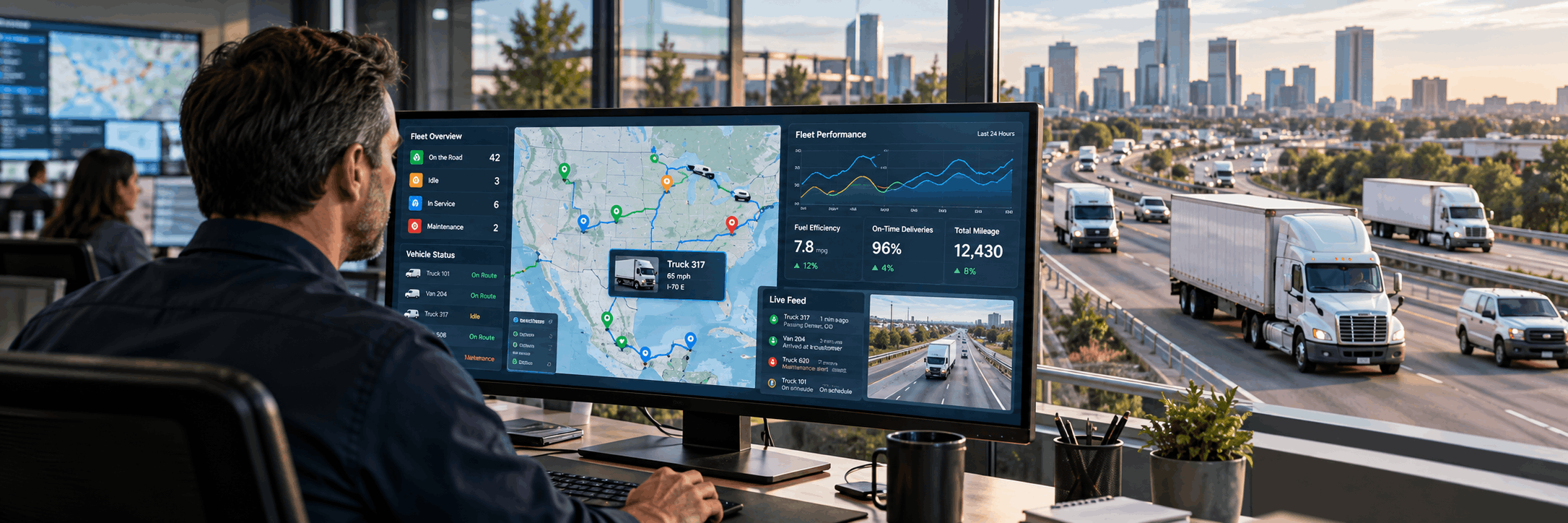
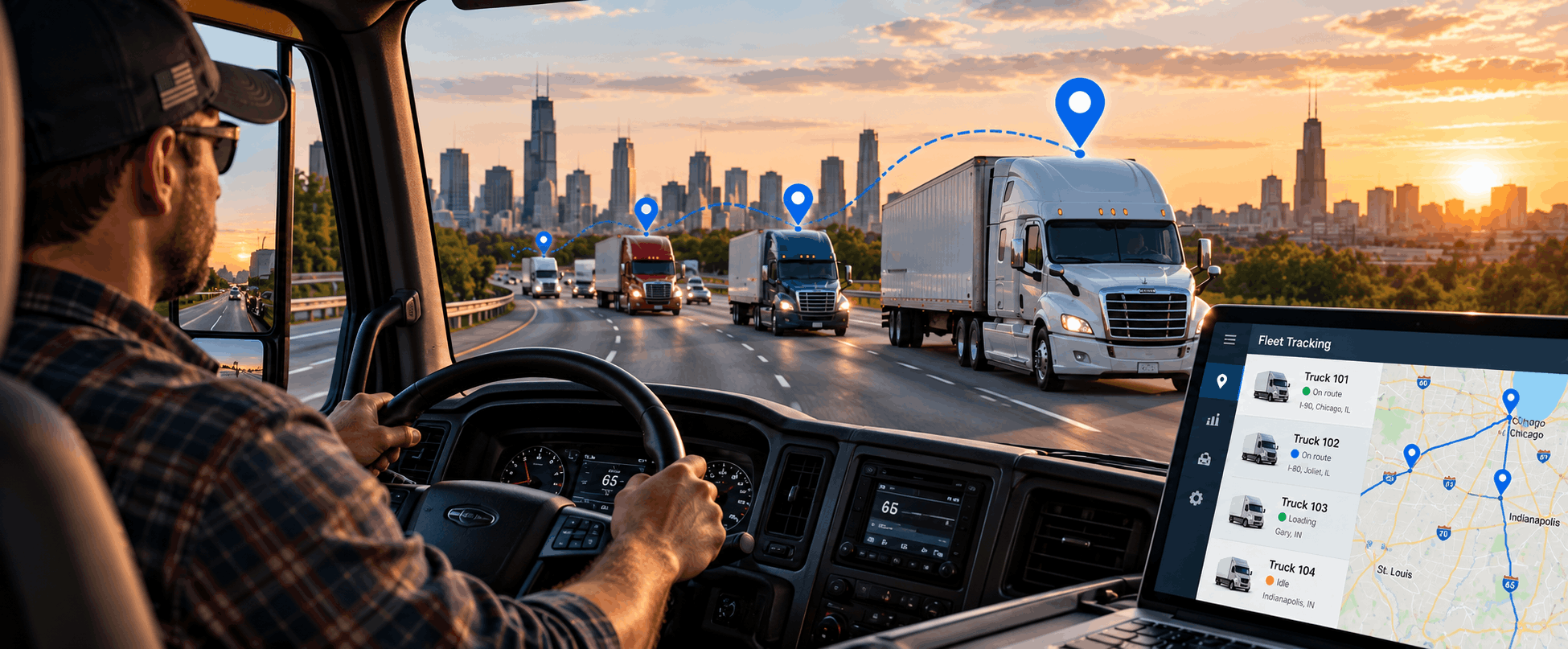
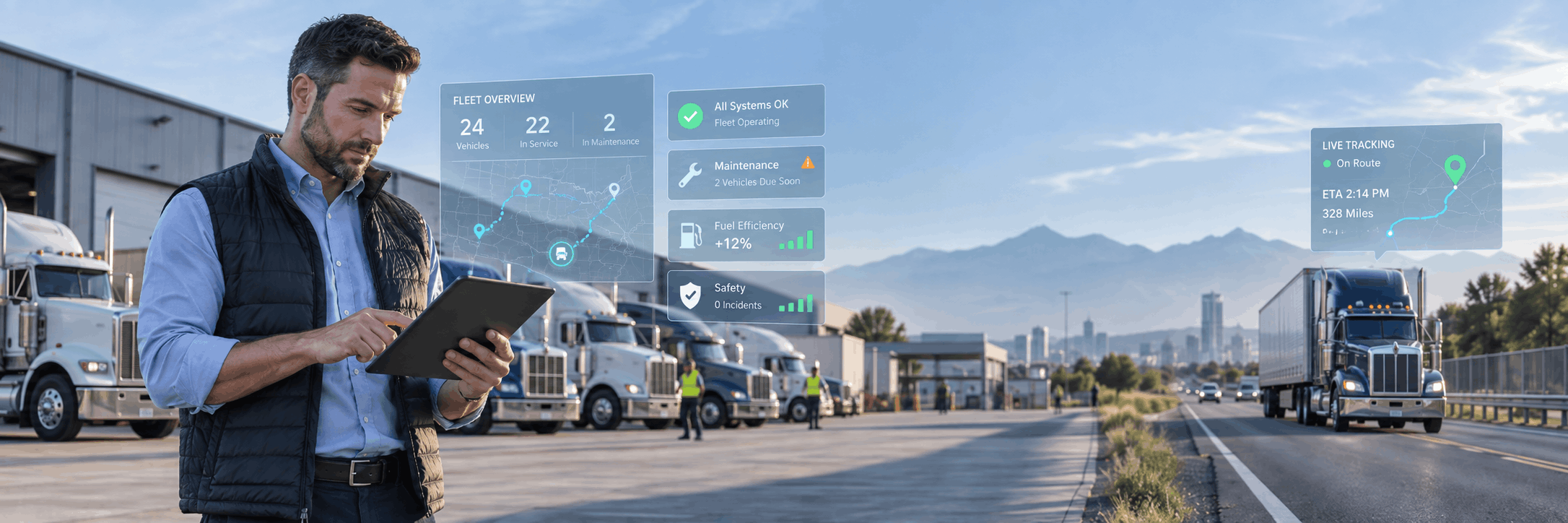
- Integrating AI Dash Cameras with Fleet Management
- Best Practices for Implementing AI Dash Cameras
- Choosing the Right AI Dash Camera Solution
Driver safety has always been a cornerstone of successful fleet management. Every commercial trucking company shares the responsibility of protecting its drivers, cargo, vehicles, and the communities in which it operates. However, today’s transportation industry faces increasing challenges, including driver shortages, growing traffic congestion, rising insurance costs, stricter regulatory requirements, and increasing customer expectations for on-time deliveries.
Traditional fleet safety programs have relied on driver training, manual supervision, and post-incident investigations. While these methods remain valuable, they often identify safety issues only after an accident or near miss has already occurred. Modern transportation companies require proactive technologies that can identify risks before they escalate into costly incidents.
Artificial intelligence (AI) is transforming commercial fleet safety by enabling vehicles to continuously monitor driving conditions and driver behavior in real time. AI-powered dash cameras combine high-definition video recording with computer vision and machine learning algorithms to detect unsafe behaviors, provide immediate driver alerts, and generate actionable safety insights for fleet managers.
Rather than serving solely as recording devices, today’s intelligent dash cameras function as active safety assistants that help drivers make better decisions behind the wheel while supporting continuous fleet-wide safety improvements.
What Are AI-Powered Dash Cameras?
AI-powered dash cameras are advanced video telematics systems designed specifically for commercial fleets. Unlike conventional dash cameras that simply record video footage for later review, AI-enabled cameras actively analyze both the road environment and driver behavior while the vehicle is in motion.
Using onboard processors and artificial intelligence, these systems recognize potentially dangerous situations within milliseconds and provide real-time alerts that help drivers respond before an accident occurs.
Modern AI dash cameras typically monitor:
- Driver attention
- Vehicle positioning
- Traffic conditions
- Following distance
- Lane positioning
- Speed
- Road hazards
- Driver fatigue
- Distracted driving behaviors
Many commercial fleet solutions combine forward-facing cameras with optional driver-facing cameras, providing a comprehensive understanding of both external road conditions and in-cab driver activity.
The collected information is securely stored and transmitted to cloud-based fleet management platforms, where managers can review safety events, generate reports, and identify opportunities for long-term improvement.
AI Dash Cameras vs. Traditional Dash Cameras
Although both systems record driving activity, their capabilities differ significantly.
Traditional dash cameras primarily function as passive recording devices. Their footage becomes valuable after an accident, helping determine liability or supporting insurance claims. However, they generally do not intervene as an unsafe situation develops.
AI-powered dash cameras, by comparison, actively interpret video data using computer vision algorithms. They identify hazardous behaviors as they occur and notify drivers immediately through visual or audible alerts.
This proactive approach helps prevent accidents rather than simply documenting them afterward.
In addition, AI-powered systems generate performance reports, safety scores, and behavioral analytics that support long-term driver coaching and fleet safety management.
Why Driver Safety Is a Top Priority for Commercial Fleets
Commercial trucking is one of the most demanding transportation sectors. Drivers often operate large vehicles over long distances while navigating varying weather conditions, heavy traffic, construction zones, and tight delivery schedules.
Even experienced drivers may encounter situations where fatigue, distraction, or momentary lapses in attention increase the risk of accidents.
Unsafe driving behaviors commonly include:
- Distracted driving
- Speeding
- Following vehicles too closely
- Sudden lane changes
- Harsh braking
- Rapid acceleration
- Driver fatigue
- Failure to maintain safe following distances
Each safety incident has consequences extending beyond vehicle damage.
Accidents may result in:
- Driver injuries
- Cargo losses
- Increased insurance premiums
- Vehicle downtime
- Legal expenses
- Regulatory investigations
- Customer dissatisfaction
- Damage to the company’s reputation
Because of these risks, proactive driver safety technologies have become an essential investment rather than an optional enhancement.
How AI Dash Cameras Improve Driver Safety
The greatest strength of AI-powered dash cameras lies in their ability to identify unsafe situations before they escalate into accidents.
By continuously analyzing thousands of visual data points every second, AI systems recognize patterns associated with risky driving behaviors and provide immediate corrective feedback.
Detecting Distracted Driving
Driver distraction remains one of the leading causes of commercial vehicle accidents.
AI-powered cameras can detect numerous distraction indicators, including:
- Mobile phone usage
- Looking away from the road
- Eating while driving
- Smoking
- Reaching for objects
- Extended eye movement away from traffic
When distraction is detected, the system issues an in-cab warning that encourages the driver to immediately refocus attention on the road.
These timely alerts help prevent situations that could otherwise lead to collisions.
Monitoring Driver Fatigue
Long driving hours and irregular schedules make fatigue a significant concern for commercial fleets.
AI systems monitor facial expressions and head movements to identify signs such as:
- Frequent yawning
- Extended eye closure
- Head nodding
- Reduced attention levels
When fatigue indicators appear, drivers receive immediate alerts encouraging them to take appropriate action, such as resting at the next safe opportunity.
This proactive monitoring helps reduce fatigue-related accidents while supporting safer Hours of Service practices.
Identifying Unsafe Driving Behaviors
AI dash cameras continuously monitor vehicle movement and driving patterns.
Common safety events include:
- Speeding
- Tailgating
- Harsh braking
- Aggressive acceleration
- Lane departures
- Unsafe cornering
Each event is automatically recorded and classified, allowing fleet managers to identify recurring behaviors and implement targeted coaching strategies.
Delivering Real-Time Driver Alerts
Immediate feedback is one of the most valuable features of AI-powered dash cameras.
Instead of waiting for supervisors to review footage days later, drivers receive instant notifications whenever unsafe behavior is detected.
These alerts allow drivers to make immediate corrections, reducing the risk of accidents while reinforcing safe driving habits on every trip.
Supporting Driver Coaching with AI Insights
Technology alone cannot create a safer fleet—meaningful improvements occur when accurate data is paired with effective driver coaching. AI-powered dash cameras provide fleet managers with objective, evidence-based insights that make coaching more constructive, consistent, and measurable.
Rather than relying on assumptions or isolated observations, managers can review specific safety events, understand the context in which they occurred, and provide targeted guidance that helps drivers improve their performance. This data-driven approach removes subjectivity from the coaching process and promotes fair evaluations across the entire fleet.
Objective Driver Performance Data
One of the greatest advantages of AI-powered dash cameras is their ability to collect standardized safety data for every trip. The system automatically records events such as speeding, harsh braking, rapid acceleration, tailgating, lane departures, distracted driving, and fatigue-related behaviors.
This information allows fleet managers to identify trends instead of focusing on isolated incidents. For example, a driver who repeatedly follows other vehicles too closely may benefit from additional defensive driving training, while another who frequently exceeds speed limits may require coaching on speed management and fuel-efficient driving practices.
Objective performance metrics also encourage transparency between drivers and management, helping build trust while ensuring coaching decisions are based on factual information rather than personal opinions.
Personalized Driver Coaching
Every driver has unique strengths and areas for improvement. AI-generated safety reports enable managers to tailor coaching sessions according to individual performance rather than applying generic training programs.
Using event recordings, supervisors can review real-world driving scenarios with drivers and discuss both successful decisions and opportunities for improvement. Visual evidence often makes coaching more effective because drivers can clearly see the circumstances surrounding each event.
Constructive coaching supported by AI data helps drivers:
- Improve situational awareness
- Develop safer driving habits.
- Reduce risky behaviors
- Increase confidence behind the wheel.
- Better understand company safety expectations.
Over time, these individualized coaching efforts contribute to measurable improvements in fleet-wide safety performance.
Recognizing Safe Driving Habits
AI-powered dash cameras are not solely designed to identify unsafe behavior—they also help organizations recognize and reward safe driving practices.
Many fleet management platforms generate driver safety scores based on factors such as smooth acceleration, safe following distances, compliance with speed limits, and attentive driving. These metrics enable companies to acknowledge drivers who consistently demonstrate excellent safety performance.
Recognition programs can improve driver engagement, strengthen morale, and encourage healthy competition among drivers while reinforcing a culture of safety.
Building a Safety-First Fleet Culture
Successful fleet safety programs extend beyond technology. Organizations that achieve long-term improvements typically combine AI monitoring with ongoing education, open communication, and positive reinforcement.
When drivers understand that AI dash cameras are intended to enhance safety rather than simply monitor performance, they are more likely to embrace the technology and actively participate in safety initiatives.
A proactive safety culture benefits everyone involved. Drivers gain greater confidence on the road, managers obtain better operational visibility, and organizations experience fewer accidents, reduced downtime, and stronger overall performance.
Reducing Accident Risk with Proactive Monitoring
Traditional fleet safety programs often rely on reviewing accidents after they occur. AI-powered dash cameras shift this approach by helping organizations prevent incidents before they happen.
Using artificial intelligence, computer vision, and real-time video analysis, these systems continuously evaluate driving conditions and identify behaviors that may increase the risk of accidents.
Preventing High-Risk Situations
Commercial drivers regularly encounter rapidly changing road conditions. Heavy traffic, adverse weather, sudden lane changes, and unpredictable behavior from other motorists require constant attention.
AI-powered dash cameras continuously assess these conditions and provide immediate warnings when they detect elevated risk.
Examples include:
- Unsafe following distances
- Lane departure events
- Sudden traffic slowdowns
- Potential forward collisions
- Excessive speed
- Unsafe cornering
Real-time notifications allow drivers to respond more quickly, reducing the likelihood of collisions.
Improving Driver Awareness
Even experienced commercial drivers may occasionally overlook developing hazards during long shifts.
AI systems provide an additional layer of situational awareness by continuously monitoring conditions without fatigue or distraction. This technology complements the driver’s judgment by highlighting hazards that may otherwise go unnoticed.
The result is improved reaction time and greater confidence when navigating challenging driving environments.
Encouraging Defensive Driving
Defensive driving remains one of the most effective methods for reducing commercial vehicle accidents.
AI dash cameras reinforce defensive driving principles by encouraging drivers to:
- Maintain safe following distances.
- Anticipate traffic changes
- Avoid sudden maneuvers
- Monitor surrounding vehicles
- Reduce unnecessary speeding
Repeated exposure to real-time safety alerts helps transform these behaviors into long-term driving habits.
Reducing Repeat Safety Violations
One of the most valuable benefits of AI monitoring is its ability to identify recurring behaviors.
Fleet managers can analyze safety trends across weeks or months to determine whether coaching efforts are producing measurable improvements. Drivers who consistently demonstrate safer behavior may require less supervision, while those experiencing ongoing challenges can receive additional support before incidents occur.
This continuous improvement process helps organizations reduce accident frequency while strengthening overall fleet safety.
Protecting Drivers and Fleets After an Incident
Although preventing accidents is the primary objective, no fleet can completely eliminate operational risk. When incidents do occur, AI-powered dash cameras provide valuable documentation that supports faster investigations and fairer outcomes.
Accurate Video Evidence
High-definition video recordings provide an objective account of events leading up to and during an incident.
Fleet managers can review:
- Road conditions
- Traffic patterns
- Driver actions
- Vehicle positioning
- Environmental factors
- Timeline of the event
This information often provides significantly greater clarity than witness statements alone.
Faster Insurance Claims
Video evidence helps insurance providers evaluate claims more efficiently by providing reliable documentation of the circumstances of an accident.
Clear recordings may reduce disputes, accelerate claim processing, and lower administrative costs associated with lengthy investigations.
Protection Against False Claims
Commercial trucks are frequently involved in complex liability disputes.
AI dash cameras provide independent evidence that can protect drivers and companies from fraudulent or exaggerated claims. When video clearly demonstrates that a commercial driver acted responsibly, organizations may avoid unnecessary legal expenses and reputational damage.
Better Incident Analysis
Beyond determining liability, recorded events help organizations understand why accidents occurred.
Fleet managers can identify contributing factors, improve driver training programs, adjust safety policies, and strengthen operational procedures to reduce the likelihood of similar incidents in the future.
Integrating AI Dash Cameras with Fleet Management
AI-powered dash cameras deliver the greatest value when integrated into a comprehensive fleet management ecosystem.
Instead of operating as standalone devices, modern AI camera solutions can work alongside:
- GPS fleet tracking
- Electronic Logging Devices (ELDs)
- Driver Vehicle Inspection Reports (DVIR)
- Dispatch software
- Fleet maintenance management
- Fuel monitoring systems
- Driver messaging platforms
- Fleet analytics dashboards
This integration creates a centralized operational environment where managers can view video events alongside vehicle location, driver activity, maintenance records, and compliance data.
For example, a speeding event can immediately be correlated with GPS location, vehicle speed, route information, and driver logs. Having all operational information available within a single platform improves decision-making, simplifies reporting, and reduces administrative complexity.
Integrated fleet management also enables organizations to identify broader operational trends, optimize resource allocation, and improve communication between dispatchers, drivers, safety managers, and maintenance teams.
Best Practices for Implementing AI Dash Cameras
Deploying AI-powered dash cameras is only the first step toward improving fleet safety. To maximize the value of the technology, organizations should establish clear implementation strategies, communicate openly with drivers, and use the collected data to support continuous improvement rather than punitive oversight.
A successful implementation combines advanced technology with effective policies, ongoing education, and a company-wide commitment to safe driving practices.
Communicate the Purpose to Drivers
Introducing AI dash cameras requires transparency. Drivers should understand that the primary objective of the technology is to enhance safety, reduce accident risk, and provide support during challenging driving situations—not to create unnecessary surveillance.
Clear communication helps address privacy concerns and encourages drivers to view AI systems as tools that protect both their personal safety and their professional reputation.
Fleet managers should explain:
- Why is the technology being implemented?
- What behaviors are monitored
- How safety data will be used
- How video footage is stored and protected
- The benefits for both drivers and the company
Building trust early in the implementation process significantly improves acceptance and long-term success.
Establish Clear Safety Policies
Technology performs best when supported by well-defined operational procedures.
Organizations should develop documented policies covering:
- Driver safety expectations
- AI event review procedures
- Coaching protocols
- Privacy guidelines
- Video retention practices
- Incident reporting processes
Consistent policies ensure that all employees understand their responsibilities while promoting fairness across the organization.
Use Data for Coaching Rather Than Punishment
One of the most effective ways to improve driver performance is to use AI-generated data as a coaching resource rather than a disciplinary tool.
Instead of focusing solely on isolated safety events, managers should identify recurring patterns and work collaboratively with drivers to develop practical improvement strategies.
Constructive coaching, supported by objective video evidence, often yields better long-term results than punitive measures, helping drivers build confidence and continuously improve their skills.
Review Safety Events Regularly
AI dash cameras generate valuable operational data every day. Regularly reviewing safety reports allows managers to identify emerging trends before they become significant operational risks.
Monthly or quarterly safety reviews may evaluate:
- Driver safety scores
- Common event types
- Fleet-wide risk trends
- Accident frequency
- Coaching effectiveness
- Compliance with safety policies
Ongoing analysis enables organizations to refine training programs and adapt safety initiatives as operational conditions evolve.
Continuously Improve Fleet Safety Programs
Fleet safety is an ongoing process rather than a one-time initiative.
As new technologies, regulations, and operational challenges emerge, companies should periodically evaluate their safety programs to ensure they remain effective.
AI-powered analytics provide measurable performance indicators that help organizations monitor progress, establish realistic safety objectives, and support long-term continuous improvement.
Choosing the Right AI Dash Camera Solution
Selecting an AI dash camera involves more than comparing hardware specifications. Fleet operators should evaluate the platform’s overall capabilities and assess how well it integrates with existing operational workflows.
The right solution should improve safety while supporting operational efficiency, regulatory compliance, and future business growth.
AI Detection Capabilities
Artificial intelligence is the defining feature of modern fleet dash cameras.
When evaluating solutions, organizations should consider whether the system can accurately detect:
- Distracted driving
- Driver fatigue
- Mobile phone use
- Tailgating
- Lane departures
- Forward collision risks
- Speeding
- Harsh braking
- Rapid acceleration
More comprehensive detection capabilities provide greater visibility into fleet safety performance.
High-Quality Video Recording
Reliable video evidence is essential for incident investigations and insurance claims.
Commercial fleets should prioritize systems that offer:
- High-definition video quality
- Wide-angle camera coverage
- Night vision performance
- Low-light recording capability
- Event-triggered video capture
Clear recordings improve the accuracy of accident investigations and support faster claim resolution.
Cloud-Based Storage and Accessibility
Cloud-based platforms simplify fleet management by securely storing video footage and operational data in a centralized environment.
Benefits include:
- Remote access from any location
- Automatic software updates
- Secure video storage
- Simplified data management
- Easier collaboration between fleet managers, dispatchers, and safety teams
Mobile accessibility also enables supervisors to quickly review safety events without having to return to the office.
Fleet Management Integration
AI dash cameras deliver the greatest operational value when integrated with broader fleet management systems.
A unified platform enables managers to connect video footage with:
- GPS fleet tracking
- Electronic Logging Devices (ELDs)
- Driver Vehicle Inspection Reports (DVIRs)
- Dispatch operations
- Maintenance schedules
- Fuel usage reports
- Driver scorecards
- Compliance documentation
This integrated approach eliminates information silos and provides a comprehensive view of fleet operations.
Scalability
Fleet requirements often evolve as businesses grow.
Organizations should select AI camera solutions that can scale from a handful of vehicles to hundreds or even thousands without requiring significant infrastructure changes.
Cloud-based platforms typically provide the flexibility needed to support future fleet expansion.
Reliable Customer Support
Technology performs best when backed by responsive technical assistance.
Fleet operators should evaluate:
- Training resources
- System implementation support
- Technical assistance availability
- Software update frequency
- Product documentation
- Customer service responsiveness
Reliable support helps organizations maximize system performance while minimizing operational disruptions.
Artificial intelligence is fundamentally changing how commercial fleets approach driver safety. Rather than relying solely on reactive investigations after accidents occur, transportation companies can now identify potential risks in real time and intervene before incidents escalate.
AI-powered dash cameras combine computer vision, machine learning, and high-definition video recording to create an intelligent safety system that continuously monitors both the road environment and driver behavior. Through real-time alerts, detailed performance analytics, and objective video evidence, these solutions help drivers make safer decisions while providing fleet managers with the information needed to strengthen safety programs.
Beyond accident prevention, AI dash cameras contribute to improved operational efficiency, more effective driver coaching, reduced insurance costs, stronger regulatory compliance, and better protection against fraudulent claims. When integrated with GPS tracking, Electronic Logging Devices (ELDs), dispatch software, and fleet management platforms, they become a central component of a modern transportation technology ecosystem.
As commercial transportation continues to embrace digital transformation, AI-powered video telematics will play an increasingly important role in creating safer, more efficient, and more resilient fleet operations. Organizations that invest in intelligent safety technologies today are better positioned to protect their drivers, optimize fleet performance, and maintain a competitive advantage in an evolving logistics industry.
FAQ
An AI-powered dash camera combines high-definition video recording with artificial intelligence, computer vision, and machine learning to actively monitor road conditions and driver behavior. Unlike traditional dash cameras, these systems analyze events in real time, identify potential safety risks, and provide immediate alerts that help prevent accidents before they occur.
AI dash cameras continuously monitor driving behavior and surrounding traffic conditions to detect risks such as distracted driving, fatigue, speeding, harsh braking, tailgating, and lane departures. Real-time audio or visual alerts enable drivers to correct unsafe behaviors immediately, while detailed performance reports support long-term coaching and continuous improvement.
Yes. Advanced AI-powered cameras use computer vision algorithms to recognize behaviors associated with distracted driving, including mobile phone use, looking away from the road, eating, smoking, or other activities that reduce driver attention. Many systems can also identify signs of fatigue, allowing drivers to respond before their alertness declines further.
Most commercial AI dash camera systems record continuously while the vehicle is operating. In addition, they automatically save and categorize footage related to safety events such as collisions, harsh braking, speeding, or lane departures. Depending on the platform, recordings may be stored locally, in secure cloud storage, or both for easy retrieval and review.
Absolutely. AI-powered dash cameras provide valuable safety and operational benefits for fleets of every size. Small trucking businesses and owner-operators can improve driver safety, reduce accident risk, strengthen customer confidence, and lower operating costs while establishing scalable safety practices that support future fleet growth.
Modern AI dash cameras integrate with fleet management platforms to combine video footage with GPS tracking, Electronic Logging Devices (ELDs), Driver Vehicle Inspection Reports (DVIRs), dispatch systems, maintenance schedules, and driver performance analytics. This centralized approach provides fleet managers with a complete operational picture, enabling faster decision-making, improved safety oversight, streamlined compliance, and more efficient fleet management.