

Contents:
- Why Many Fleets Stay with ELD Providers They No Longer Trust
- The Hidden Costs of Staying with the Wrong Provider
- Why Fleet Migrations Are Traditionally Difficult
- The Industry’s Shift Toward Migration-Friendly Technology
- Meet the EZlogz PT30
- Preserving Existing Hardware Investments
- Minimize Driver Disruption
- Access the Full EZlogz Ecosystem
- Why Stability Matters More Than Ever
- The Future of Fleet Technology Is Flexible
- Make the Switch Without the Hardware Nightmare
- FAQ:
Key Takeaways:
- Many fleets remain with underperforming ELD providers because replacing hardware infrastructure can be expensive and disruptive.
- Hardware replacement often creates unnecessary downtime, installation costs, and driver retraining requirements.
- The EZlogz PT30 is designed to integrate with existing truck cable infrastructure, simplifying the migration process.
- Fleets can access the full EZlogz ecosystem without requiring drivers to adapt to entirely new hardware setups.
- Additional benefits include access to the free EZLOADZ Load Board, Drivewyze bypass services, fleet management tools, compliance solutions, and safety technologies.
- Fleet operators can transition to a more stable technology platform while minimizing operational disruption.
Why Many Fleets Stay with ELD Providers They No Longer Trust
Technology providers play a critical role in modern transportation operations. Fleet management platforms are responsible for supporting compliance, tracking vehicle activity, maintaining Hours of Service records, facilitating communication, and providing operational visibility across the organization.
When these systems function effectively, they become valuable business assets. However, when customer support declines, software reliability becomes inconsistent, or technical issues remain unresolved, fleet operators can quickly become frustrated.
Despite these frustrations, many carriers continue using software providers that no longer meet their expectations.
The reason is simple: switching providers often appears more difficult than staying.
Fleet owners frequently assume that changing ELD providers will require replacing hardware across the entire fleet, removing existing truck cables, installing new infrastructure, retraining drivers, and enduring operational downtime. For organizations operating dozens or hundreds of vehicles, these concerns can make migration appear financially and logistically overwhelming.
As a result, carriers often tolerate poor service, delayed support responses, limited functionality, and unreliable software simply because the alternative seems too disruptive.
The reality, however, is changing.
The Hidden Costs of Staying with the Wrong Provider
While replacing hardware may seem expensive, remaining with an inadequate technology provider often creates ongoing costs that are less visible but equally significant.
Reduced Operational Efficiency
When fleet software is unreliable, administrative teams spend additional time resolving issues that should be automated.
Examples include:
- Correcting Hours of Service discrepancies
- Resolving connectivity problems
- Managing incomplete records
- Responding to driver complaints
- Following up on unresolved support tickets
Over time, these inefficiencies consume valuable resources and reduce productivity.
Poor Customer Support Impacts Daily Operations
Customer support is not simply a convenience feature. It directly affects fleet performance.
When technical issues arise, carriers require timely assistance. Delayed responses can affect compliance management, driver productivity, dispatch operations, and overall business continuity.
Organizations operating under strict delivery schedules cannot afford prolonged disruptions caused by unresolved technology issues.
Limited Access to Modern Fleet Tools
Many older ELD platforms focus primarily on compliance while offering limited operational functionality.
As fleet management technology evolves, carriers increasingly seek integrated ecosystems that support:
- Compliance management
- Driver safety programs
- GPS tracking
- Maintenance monitoring
- Dispatching workflows
- Load sourcing opportunities
Remaining with a provider that lacks these capabilities may limit long-term operational growth.
Why Fleet Migrations Are Traditionally Difficult
Historically, changing ELD providers often involved substantial infrastructure replacement.
A typical migration could require:
- Removing existing hardware
- Replacing engine cables
- Installing new mounting systems
- Configuring replacement devices
- Retraining drivers
- Scheduling vehicle downtime
For large fleets, these requirements create significant logistical challenges.
Even when a new platform offers superior functionality, the perceived burden of replacing hardware often discourages carriers from making the transition.
This challenge has created what many fleet operators describe as “technology lock-in”—a situation where organizations remain with a provider not because they are satisfied, but because leaving appears too complicated.
The Industry’s Shift Toward Migration-Friendly Technology
Fleet technology providers are increasingly recognizing that adoption barriers often stem from hardware limitations rather than software concerns.
Modern carriers want flexibility.
They want the ability to evaluate new technology solutions without being forced to rebuild their entire hardware infrastructure.
As a result, compatibility and integration have become increasingly important factors when selecting fleet management platforms.
Solutions that reduce migration complexity enable carriers to make technology decisions based on performance, support quality, and long-term value rather than installation concerns.
This trend is reshaping how fleet software providers approach hardware design.
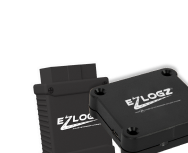
Meet the EZlogz PT30
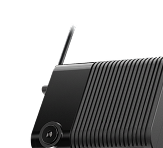
The EZlogz PT30 was developed specifically to eliminate one of the most significant barriers associated with fleet software migration.
Rather than forcing carriers to replace existing truck cable infrastructure, the PT30 is designed to integrate with existing hardware environments.
This approach dramatically simplifies the transition process.
Instead of scheduling extensive installations across the fleet, organizations can leverage their existing cable infrastructure while gaining access to the broader EZlogz platform.
The result is a smoother migration experience with reduced disruption to daily operations.
For fleet managers, this means fewer installation challenges, less downtime, and faster deployment timelines.
For drivers, it means a more familiar hardware environment that minimizes operational changes.
Preserving Existing Hardware Investments
Fleet hardware represents a substantial investment.
Over time, carriers spend considerable resources purchasing, installing, and maintaining cabling infrastructure across their vehicles.
Replacing that infrastructure unnecessarily can increase project costs and delay implementation schedules.
The EZlogz PT30 helps protect these investments by allowing fleets to continue utilizing existing cable configurations whenever applicable.
This compatibility reduces:
- Installation labor costs
- Hardware replacement expenses
- Vehicle downtime
- Deployment complexity
Organizations can focus on improving software performance and operational capabilities rather than rebuilding hardware infrastructure from the ground up.
Minimize Driver Disruption
Driver adoption plays a critical role in the success of any technology implementation.
Significant changes to hardware configurations often require additional training and adjustment periods.
This can create frustration and reduce adoption rates.
One of the key advantages of the EZlogz PT30 is that it allows drivers to maintain familiar connection routines.
Rather than introducing entirely new hardware workflows, the device supports a more seamless transition.
This minimizes disruption while helping fleets accelerate implementation timelines.
For organizations managing large driver populations, reducing change management requirements can represent a significant operational advantage.
Access the Full EZlogz Ecosystem
Migrating to EZlogz provides more than a replacement ELD solution.
It opens access to a comprehensive fleet management ecosystem designed to support modern transportation operations.
Compliance Management
EZlogz provides FMCSA-compliant ELD functionality that helps fleets maintain accurate Hours of Service records while simplifying compliance administration.
Fleet Visibility
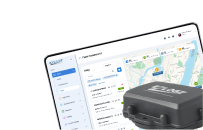
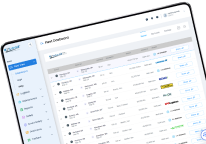
Real-time tracking and fleet monitoring tools provide operational transparency across vehicles, drivers, and assets.
Safety Solutions
Integrated technologies support driver accountability, safety monitoring, and risk management initiatives.
Free EZLOADZ Load Board
Carriers gain access to the EZLOADZ Load Board at no additional cost, creating new opportunities to identify available freight and improve asset utilization.
Drivewyze Bypass Services
Eligible fleets can leverage Drivewyze bypass functionality to reduce unnecessary weigh station stops and improve operational efficiency.
Together, these capabilities create a unified platform that supports compliance, productivity, and profitability.
Why Stability Matters More Than Ever
The transportation industry increasingly depends on technology to support daily operations.
When systems are unstable, the effects extend throughout the organization.
Fleet managers may lose visibility into operations.
Drivers may encounter compliance challenges.
Dispatchers may experience communication disruptions.
Administrative personnel may spend excessive time resolving preventable issues.
Technology should simplify operations, not complicate them.
A stable and responsive fleet management platform allows organizations to focus on growth, customer service, and operational excellence rather than troubleshooting software problems.
This is why many carriers are reevaluating their existing technology partnerships and seeking providers capable of delivering long-term reliability.
The Future of Fleet Technology Is Flexible
The next generation of fleet management solutions will emphasize flexibility, integration, and ease of adoption.
Carriers increasingly expect technology providers to deliver:
- Simplified deployments
- Faster implementation timelines
- Reduced hardware requirements
- Integrated operational ecosystems
- Responsive customer support
The EZlogz PT30 reflects these priorities by removing one of the largest barriers to migration: hardware replacement complexity.
Rather than forcing fleets to choose between better software and operational disruption, the PT30 makes it possible to achieve both technological advancement and implementation simplicity.
Make the Switch Without the Hardware Nightmare
Switching fleet software providers should not require rebuilding your hardware infrastructure.
If your organization is frustrated with poor customer support, limited functionality, or unreliable performance from its current ELD provider, remaining in an unsatisfactory environment may be costing more than you realize.
The EZlogz PT30 offers a practical alternative by enabling carriers to migrate smoothly while preserving existing cable infrastructure and minimizing driver disruption.
Combined with access to the EZlogz ecosystem, including FMCSA-compliant ELD solutions, the free EZLOADZ Load Board, Drivewyze bypass services, and advanced fleet management capabilities, the PT30 provides a smarter path forward.
Ready for a Zero-Headache Migration?
Migrate your fleet to a stable, fully integrated system without the hardware nightmare.
Contact the EZlogz enterprise sales team today to request a customized migration proposal and discover how simple switching providers can be.
FAQ:
Why do many fleets hesitate to switch ELD providers?
Many carriers are dissatisfied with their current ELD provider’s customer support, software reliability, or feature limitations. However, they often postpone migration because they believe switching providers will require replacing hardware, rewiring vehicles, retraining drivers, and incurring significant operational costs.
What is the EZlogz PT30?
The EZlogz PT30 is a next-generation ELD device designed to simplify fleet migrations. It integrates with existing truck cable infrastructure, allowing carriers to transition to the EZlogz platform without the extensive hardware replacement typically associated with switching providers.
Can I switch to EZlogz without replacing my existing truck cables?
One of the primary advantages of the EZlogz PT30 is its ability to work with existing hardware infrastructure. This compatibility helps reduce installation complexity, minimize downtime, and lower migration costs for fleet operators.
How does the PT30 reduce fleet migration costs?
Traditional ELD migrations often involve purchasing new hardware, replacing cables, scheduling installations, and taking vehicles out of service. By leveraging existing cable infrastructure, the PT30 helps fleets avoid many of these expenses while accelerating deployment across the organization.
Will drivers need extensive retraining after switching to EZlogz?
Because the EZlogz PT30 is designed to minimize hardware-related changes, drivers can continue using familiar connection methods. While some software orientation may be beneficial, fleets typically experience a smoother transition with less disruption to driver workflows.
What additional benefits do fleets receive when migrating to EZlogz?
Beyond FMCSA-compliant ELD functionality, fleets gain access to the broader EZlogz ecosystem, including fleet management tools, compliance solutions, GPS tracking capabilities, the free EZLOADZ Load Board, and Drivewyze bypass services for eligible carriers.
How does the free EZLOADZ Load Board benefit carriers?
The EZLOADZ Load Board provides carriers with access to available freight opportunities without additional subscription costs. This can help improve equipment utilization, reduce empty miles, and support revenue generation across the fleet.
What is Drivewyze bypass and why is it valuable?
Drivewyze bypass allows eligible vehicles to bypass participating weigh stations and inspection sites when authorized. This can reduce unnecessary stops, improve route efficiency, lower fuel consumption, and increase driver productivity.
Is the EZlogz PT30 suitable for large fleets?
Yes. The PT30 is particularly valuable for medium-sized and enterprise fleets because it simplifies large-scale migrations. By reducing hardware replacement requirements and minimizing operational disruption, organizations can transition hundreds of vehicles more efficiently while maintaining business continuity.