

Contents:
- What Is a Commercial Truck GPS Tracking System
- Real-Time Fleet Visibility Improves Operational Control
- Reduce Fuel Costs Through Smarter Fleet Management
- Improve Driver Safety and Accountability
- Simplify Regulatory Compliance
- Increase Fleet Productivity
- Lower Fleet Maintenance Costs
- Enhance Fleet Security
- Gain Actionable Business Insights Through Fleet Analytics
- Why Integrated Fleet Management Platforms Deliver Greater Value
- Choosing the Right GPS Tracking Solution
- FAQ:
The commercial trucking industry is experiencing rapid transformation. Rising fuel prices, increasingly complex regulatory requirements, driver shortages, and growing customer expectations have made fleet management more challenging than ever before. To remain competitive, trucking companies must embrace technologies that improve operational visibility, enhance efficiency, and support informed decision-making.
Among these technologies, GPS tracking systems have evolved from simple vehicle location tools into comprehensive fleet management solutions. Modern GPS platforms provide real-time insights into vehicle activity, driver performance, route efficiency, maintenance schedules, and regulatory compliance, enabling fleet managers to optimize every aspect of their operations.
Whether operating a small regional fleet or managing hundreds of commercial vehicles across multiple states, implementing a GPS tracking system has become an operational necessity rather than an optional investment. As fleet demands continue to grow, the value of GPS tracking becomes even clearer.
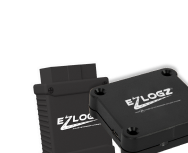
EZLOGZ Commercial Truck GPS Tracking Solutions – is a cloud-based fleet management platform that provides real-time visibility into commercial vehicles, drivers, and daily operations. By combining GPS tracking with integrated fleet management tools, EZLOGZ helps carriers improve dispatch efficiency, support regulatory compliance, and optimize overall fleet performance.
Beyond real-time vehicle tracking, the platform includes features such as Electronic Logging Device (ELD) integration, Driver Vehicle Inspection Reports (DVIR), maintenance scheduling, dispatch management, fuel monitoring, driver performance reporting, and fleet analytics. By centralizing these capabilities in a single platform, EZLOGZ enables trucking businesses to reduce operating costs, enhance safety, improve productivity, and make data-driven decisions.
What Is a Commercial Truck GPS Tracking System
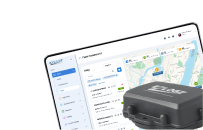
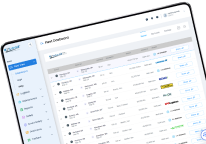
A commercial truck GPS tracking system combines satellite positioning technology, cellular communication, and cloud-based software to provide real-time visibility into fleet operations. Installed GPS devices continuously transmit location and operational data, allowing fleet managers to monitor vehicles through an online dashboard or mobile application.
Modern fleet tracking solutions extend well beyond basic location monitoring. To show their broader value, businesses may also access:
- Real-time vehicle locations
- Route history and trip playback
- Driver behavior monitoring
- Fuel usage reports
- Maintenance scheduling
- Dispatch management
- Electronic Logging Device (ELD) integration
- Driver Vehicle Inspection Reports (DVIR)
- Fleet performance analytics
These capabilities provide transportation companies with actionable insights that improve operational efficiency and support long-term business growth. Together, they set the stage for the next operational benefit.
Real-Time Fleet Visibility Improves Operational Control
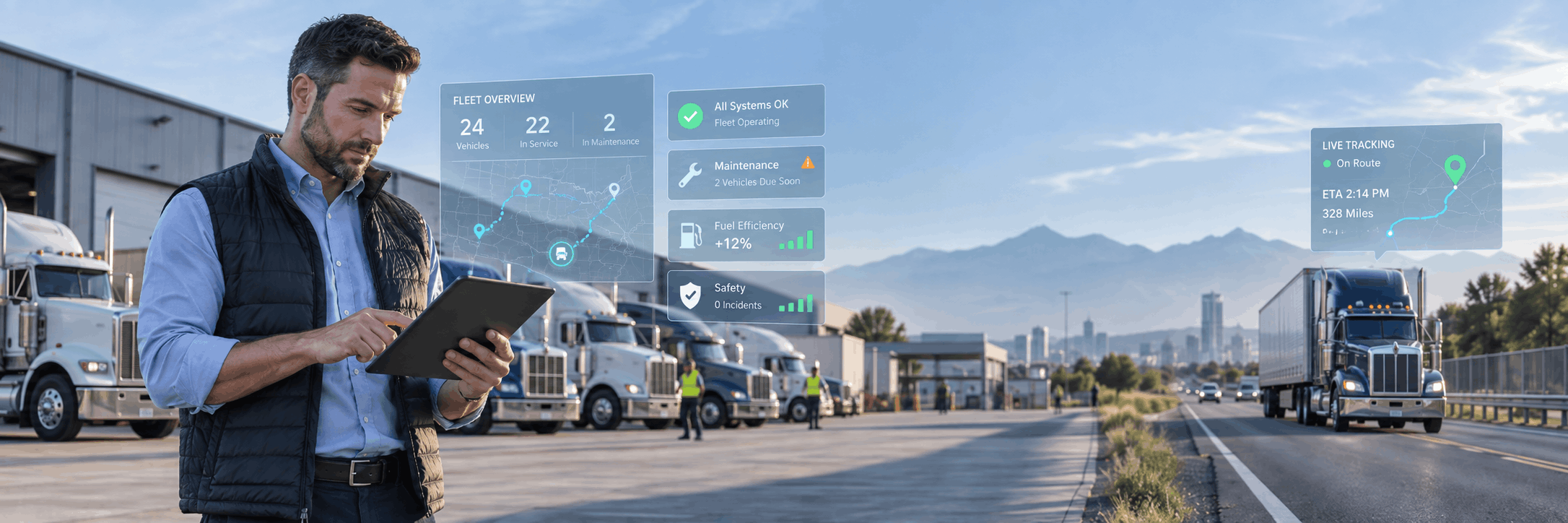
One of the most significant advantages of GPS tracking is continuous fleet visibility. This visibility gives fleet managers more control, since they no longer need to rely solely on driver phone calls or manual status updates to determine vehicle locations or delivery progress.
Real-time tracking allows dispatchers to monitor every vehicle from a centralized platform, enabling faster responses to changing road conditions, weather events, traffic congestion, or customer requests.
Enhanced visibility also improves customer communication. Accurate estimated time of arrival (ETA) estimates help businesses provide timely delivery updates, reducing uncertainty and strengthening customer confidence.
Additionally, live tracking supports better resource allocation by allowing dispatch teams to assign nearby vehicles to new jobs, minimizing unnecessary travel and improving service efficiency.
Reduce Fuel Costs Through Smarter Fleet Management
Fuel expenses are among the highest operating costs for commercial trucking companies. GPS tracking systems provide valuable data that helps organizations identify opportunities to reduce unnecessary fuel consumption.
Route optimization minimizes excess mileage by selecting more efficient travel paths while avoiding traffic congestion whenever possible. Reduced driving distances directly contribute to lower fuel expenses and shorter delivery times.
GPS systems also identify excessive idling, one of the most common sources of unnecessary fuel consumption. Fleet managers can establish policies to reduce idle time while monitoring compliance through automated reports.
In addition, tracking systems help prevent unauthorized vehicle use, ensuring that company assets are utilized exclusively for business purposes.
Driver behavior analysis—including speeding, rapid acceleration, and harsh braking—also contributes to improved fuel economy by encouraging smoother driving habits.
Collectively, these operational improvements can significantly reduce overall fuel expenditures across an entire fleet.
Improve Driver Safety and Accountability
Driver safety remains a top priority for every transportation company. GPS tracking systems provide objective performance data that enables fleet managers to promote safer driving practices while reducing accident risks.
Modern systems can monitor numerous driving behaviors, including:
- Speeding
- Harsh braking
- Rapid acceleration
- Sharp cornering
- Excessive idling
- Unauthorized vehicle movement
Rather than relying on subjective observations, fleet managers can use this information to identify coaching opportunities and recognize drivers who consistently demonstrate safe driving habits.
Continuous performance monitoring encourages greater accountability while helping organizations establish a stronger culture of safety throughout their operations.
Safer driving not only protects employees but also reduces vehicle wear, insurance claims, and operational disruptions.
Simplify Regulatory Compliance
Regulatory compliance is an essential aspect of commercial transportation. Federal and state regulations require accurate recordkeeping, adherence to Hours of Service (HOS) requirements, vehicle inspection procedures, and other operational standards.
Integrated GPS tracking systems support compliance by maintaining accurate digital records of vehicle movements and operational activity, helping companies document required information more consistently.
When combined with Electronic Logging Devices (ELDs), GPS tracking provides comprehensive visibility into driver hours, route history, and operational timelines. Automated recordkeeping reduces administrative burdens, minimizes the risk of documentation errors, and supports Hours of Service (HOS) compliance.
Many modern fleet management platforms also integrate Driver Vehicle Inspection Reports (DVIR), enabling companies to document inspections, monitor maintenance needs, and maintain organized compliance records for audits and roadside inspections.
By automating critical compliance processes, trucking businesses can reduce administrative workload while improving operational consistency.
Increase Fleet Productivity
Every minute a commercial vehicle remains idle represents lost productivity. GPS tracking systems help maximize fleet utilization by improving dispatch efficiency and reducing operational delays.
Real-time fleet visibility enables dispatchers to:
- Assign the closest available vehicle.
- Respond quickly to schedule changes.
- Balance workloads across drivers.
- Monitor delivery progress
- Reduce unnecessary downtime
Improved coordination allows transportation companies to complete more deliveries without increasing fleet size or driver hours.
Accurate operational data also supports better workforce planning by identifying recurring delays, inefficient routes, or underutilized vehicles.
Lower Fleet Maintenance Costs
Preventive maintenance plays a critical role in maintaining vehicle reliability while reducing unexpected breakdowns.
GPS tracking systems provide accurate vehicle utilization data, allowing maintenance schedules to be based on actual mileage, engine hours, or operational conditions rather than fixed calendar dates.
Timely maintenance offers several important benefits:
- Reduced repair costs
- Extended vehicle lifespan
- Improved fuel efficiency
- Increased fleet reliability
- Fewer roadside breakdowns
Maintenance alerts help fleet managers address minor issues before they lead to costly repairs, reducing downtime and improving operational continuity.
Enhance Fleet Security
Commercial vehicles represent valuable business assets that require continuous protection.
GPS tracking systems strengthen fleet security through real-time vehicle monitoring, alerts for unauthorized movement, and rapid vehicle recovery.
If a vehicle is moved outside authorized hours or enters restricted locations, managers can receive immediate notifications and respond accordingly.
In cases of theft, accurate location data significantly improves the likelihood of vehicle recovery while minimizing operational disruption.
For companies transporting valuable freight, GPS visibility also provides an additional layer of security throughout the delivery process.
Gain Actionable Business Insights Through Fleet Analytics
Modern fleet management relies heavily on data-driven decision-making.
GPS tracking platforms collect operational information that helps organizations evaluate overall fleet performance and identify opportunities for improvement.
Comprehensive reporting may include:
- Fleet utilization
- Driver scorecards
- Fuel consumption trends
- Route efficiency
- Vehicle activity summaries
- Maintenance history
- Idle time reports
- Delivery performance metrics
These insights enable managers to measure operational performance objectively while supporting strategic planning and continuous improvement initiatives.
Rather than reacting to operational challenges after they occur, businesses can proactively identify trends and implement corrective actions.
Why Integrated Fleet Management Platforms Deliver Greater Value
While standalone GPS tracking systems provide valuable location data, modern transportation companies increasingly benefit from integrated fleet management platforms that combine multiple operational functions into a single environment.
An all-in-one solution may include:
- GPS fleet tracking
- Electronic Logging Devices (ELD)
- Dispatch management
- Driver messaging
- Driver Vehicle Inspection Reports (DVIR)
- Maintenance scheduling
- Fuel management
- Compliance reporting
- Fleet analytics
Consolidating these capabilities into a single platform improves operational visibility while reducing the need to manage multiple software systems.
Integrated solutions also improve data consistency, simplify reporting, and create more efficient workflows across dispatch, compliance, maintenance, and fleet operations.
Choosing the Right GPS Tracking Solution
Selecting a GPS tracking platform requires careful consideration of both current operational requirements and future business growth.
Key evaluation criteria include:
- Real-time vehicle tracking
- User-friendly dashboard
- Mobile accessibility
- Comprehensive reporting
- Scalability
- ELD integration
- Dispatch capabilities
- Maintenance management tools
- Customer support
- Cloud-based accessibility
Organizations should prioritize solutions that not only address immediate tracking needs but also support long-term operational efficiency through integrated fleet management capabilities.
GPS tracking has become an essential technology for commercial trucking businesses seeking to improve operational efficiency, reduce costs, strengthen compliance, and enhance customer service.
Real-time fleet visibility enables better decision-making, while advanced analytics provide valuable insights into driver performance, fuel consumption, maintenance needs, and overall fleet productivity.
As transportation operations become increasingly complex, businesses that leverage integrated GPS tracking and fleet management technologies are better positioned to remain competitive, improve profitability, and deliver reliable service in a demanding marketplace.
For trucking companies committed to operational excellence, investing in a modern GPS tracking system is no longer simply a technological upgrade—it is a strategic decision that supports sustainable business growth.
FAQ:
A commercial truck GPS tracking system uses satellite positioning, wireless communication, and cloud-based software to provide real-time visibility into vehicle locations, driver activity, and fleet performance.
GPS tracking improves efficiency by optimizing routes, reducing idle time, enhancing dispatch coordination, monitoring driver performance, and providing actionable operational insights.
Yes. GPS tracking helps reduce fuel expenses through route optimization, idle time monitoring, improved driving behavior, and better fleet utilization.
Many modern GPS tracking platforms integrate with Electronic Logging Devices (ELDs) and compliance management tools, helping fleets maintain accurate records and simplify Hours of Service compliance.
Absolutely. Small fleets benefit from improved visibility, better resource utilization, lower operating costs, and enhanced customer service while preparing for future business growth.